
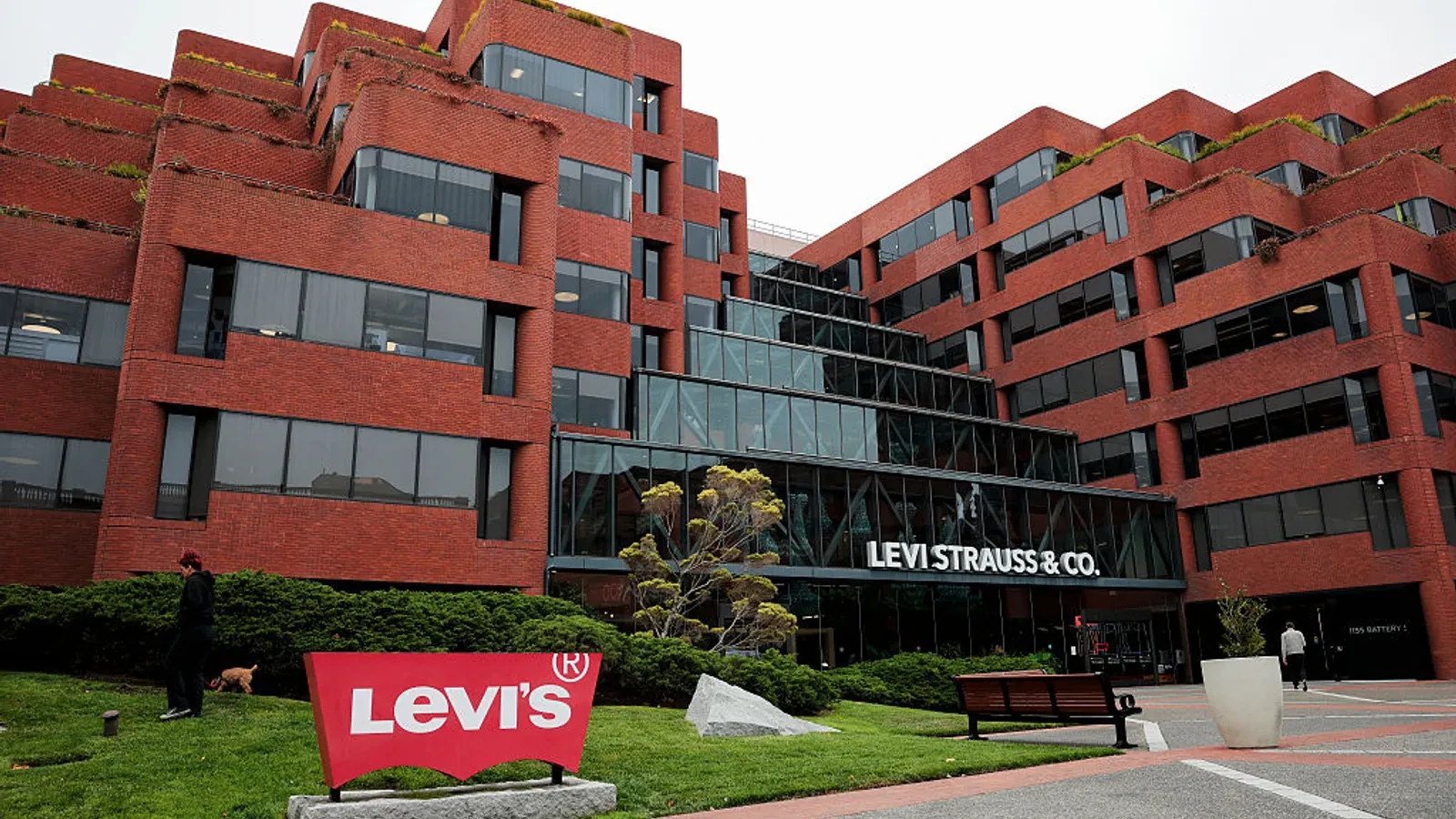
Levi Strauss & Co. is once again forced to recalibrate the timeline for its ambitious supply chain transformation. The iconic denim manufacturer now does not expect to realize the financial and operational benefits of its widespread distribution network overhaul until 2027. The latest delay stems from a combination of compounding factors, most notably a facility fire that occurred during the third quarter, alongside the inherent complexities of managing a diverse and intricate stock-keeping unit (SKU) mix.
The ongoing transition represents a massive structural shift for the San Francisco-based apparel giant. For decades, Levi’s relied primarily on an owned distribution center approach. However, the company has been actively migrating toward a hybrid operational model that combines company-owned facilities with third-party-run facilities. This strategic overhaul was designed to optimize inventory flow, reduce long-term logistics overhead, and better position the company to meet evolving consumer and wholesale demands in an increasingly competitive retail landscape.
Instead of reaping the rewards of this modernized infrastructure, Levi’s finds itself grappling with unexpected setbacks that have stretched the timeline of the project further than initially anticipated. Following the permanent closure of its Hebron, Kentucky, distribution site, the company has had to pivot its operational focus toward working through heavy operational complexities at its Groveport, Ohio, facility. Much of the workload previously handled by the shuttered Hebron location was absorbed by Groveport, placing an intense burden on the Ohio site to rapidly scale up and fulfill the brand’s expansive operational needs.

Despite the hurdles, corporate leadership remains confident in the ultimate destination of the supply chain strategy. Addressing the timeline adjustments, executives noted that 2027 is a very reasonable and realistic window to finally begin seeing the anticipated benefits of the network redesign. Furthermore, leadership emphasized that closing the Hebron facility was a critical milestone, signaling confidence that the Groveport location will successfully step up to fulfill the company’s long-term logistical requirements once fully stabilized.
Even with this forward-looking optimism, this marks the second time that Levi’s has been forced to push back the completion date for its distribution network overhaul. Earlier in the year, the company revealed it would need to extend its timeline to wrap up the overarching move by the end of 2026. That initial extension was triggered when Levi’s was forced to continue operations at the owned center in Hebron far longer than planned because the migration of processes to Groveport was taking significantly longer than expected. The accumulation of these delays highlights the vulnerability of complex supply chain transformations, especially when unexpected physical disruptions enter the equation.

The fallout from these continuous delays extends far beyond internal logistical headaches. According to official securities filings submitted by the company, the ongoing transition challenges have directly impacted outward-facing operations. Levi’s warned that the disruptions have caused, and may continue to cause, tangible shipping delays, order cancellations, and increased operational costs. These friction points carry a heavy downstream risk, potentially straining the company’s critical relationships with its wholesale customers who rely on predictable inventory delivery schedules to stock store shelves and meet consumer demand.
Levi’s is certainly not alone in navigating the choppy waters of supply chain restructuring. Across the broader retail and manufacturing sectors, companies are re-evaluating and redesigning their distribution footprints to better insulate themselves against macroeconomic volatility and shifting consumer shopping habits. Other prominent firms currently executing sweeping distribution network changes include furniture maker La-Z-Boy and automotive parts retail giant AutoZone.
Much like Levi’s current strategy, La-Z-Boy has been actively shrinking its physical logistics footprint by reducing its total number of distribution facilities and shortening the total mileage that products must travel from manufacturing points to end destinations. By streamlining these pathways, companies aim to cut down on transportation expenses and lower their carbon footprints. On the flip side, strategies can vary widely depending on business models; AutoZone reported that it was actively working on expanding its domestic U.S. distribution center network to ensure faster, more localized parts availability for its sprawling network of stores.
For Levi Strauss & Co., the immediate path forward requires steady execution at the Groveport facility and a careful management of wholesale relationships as the brand absorbs the aftershocks of the third-quarter facility fire and the intricacies of its SKU architecture. As the organization works through these operational bottlenecks, stakeholders and wholesale partners will be watching closely to see whether the company can successfully stabilize its hybrid distribution model and finally hit its revised 2027 horizon for realizing the full value of its supply chain modernization.