
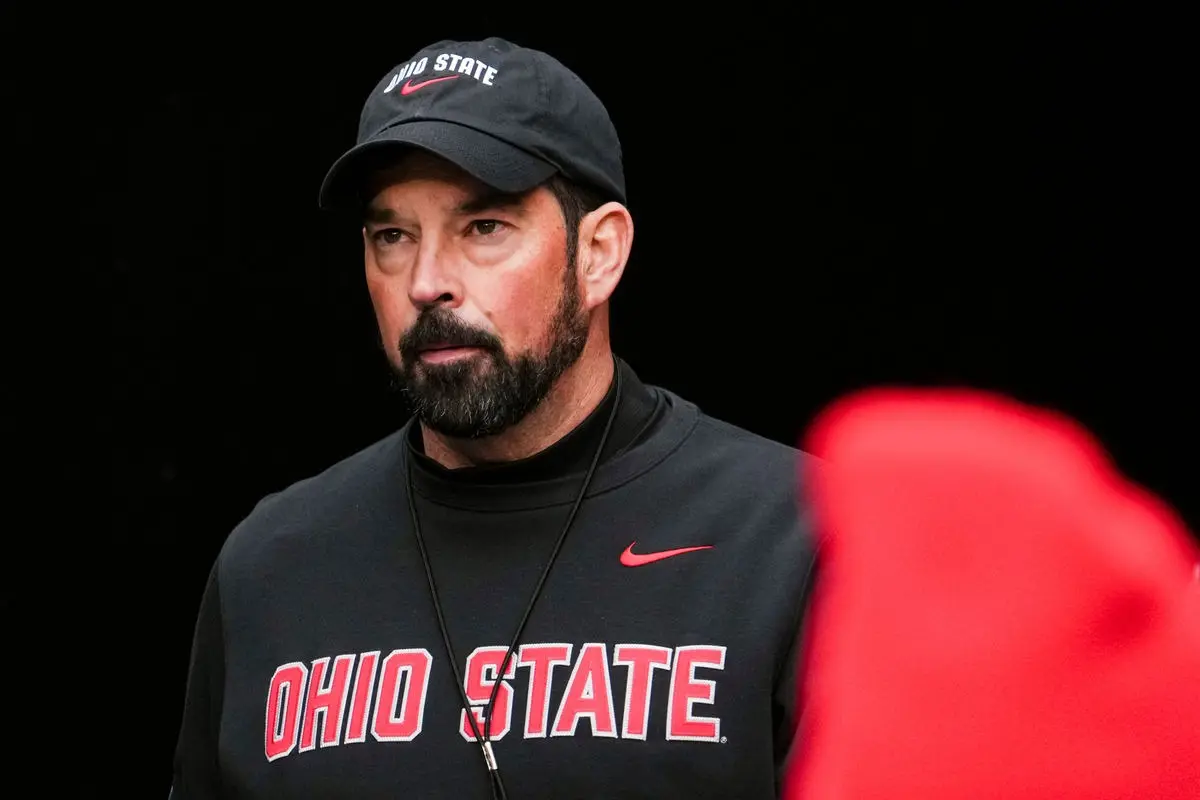
COLUMBUS — The Ohio State Buckeyes walked off the historic turf of Ohio Stadium following a humbling 41-28 defeat to a reeling Oregon Ducks side, leaving a packed and stunned home crowd to ponder the direction of one of college football’s premier programs. While the final margin read just 13 points, the contest felt considerably more lopsided to anyone watching inside the Horseshoe. The defeat functioned essentially as an elimination game for the Buckeyes on the national stage, effectively crushing their margin for error. Yet, even if a narrow path forward technically remained, a sobering reality settled over Columbus: this iteration of the roster simply lacks the horsepower required to navigate the remainder of a punishing schedule.
Predictably, public and social media criticism immediately zeroed in on freshman quarterback Luke Fahey, pinning the offensive struggles squarely on his young shoulders. However, a deeper examination reveals that the problems plaguing the Ohio State Buckeyes run far deeper than poor quarterback play. Long before Ohio State earned its modern moniker as "Wide Receiver U," the program built its national reputation as "Defensive End U," churning out elite pass rushers who routinely terrorized opposing backfields on Saturdays and dominated NFL draft boards on Thursdays in April.
Yet, observers watching this year’s defense noted a stark and alarming departure from that storied tradition. Veteran analysts and lifelong followers alike pointed out that they had never witnessed a less impressive, less imposing group of defensive linemen pass through Columbus. The Buckeyes boast what amounts to a negative pass rush, a glaring deficiency that stems directly from remarkably weak play on the edge. Without a traditional, dominant four-man front capable of collapsing the pocket on its own, opponents have found ample time to pick apart the secondary.
This glaring weakness naturally raises the central question facing the program: does the defensive ineptitude stem from poor personnel, or is it a product of flawed coaching? A hard look at the sideline suggests that all roads ultimately lead back to the coaching staff. Between head coach Ryan Day, defensive coordinator Matt Patricia, and offensive coordinator Arthur Smith, the program employs an unusually stubborn leadership structure.
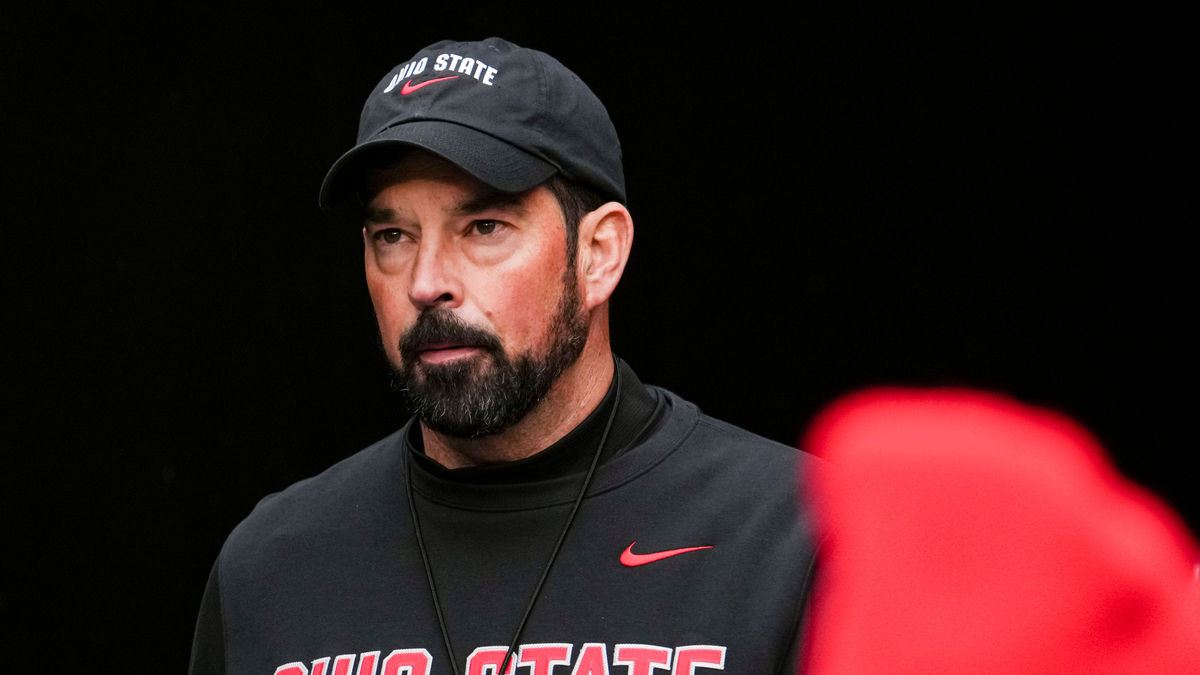
Critics argue that Patricia persistently refuses to tailor his defensive scheme to the unit’s primary strength: raw speed. Because the Buckeyes lack prototypical size and brute strength across the defensive front, they cannot consistently generate pressure by rushing just three or four down linemen. To compensate, the defense desperately needs to leverage the dynamic speed of its linebackers—and occasionally defensive backs—to manufacture pressure, disguise coverages, and force opposing quarterbacks into hurried decisions. Instead, the defense has frequently appeared rigid, predictable, and ill-equipped to handle high-powered offensive attacks.
Similar frustrations have manifested on the offensive side of the ball under Smith. Observers note a stubborn reluctance to simplify route trees for a talented corps of young pass-catchers. Furthermore, Smith continues to lean heavily into two- and three-tight-end sets, deploying personnel packages that have yielded diminishing returns. Tight ends Nate Roberts and Mason Williams have simply not demonstrated the consistent productivity in either the run game or the passing attack required to justify the heavy snap counts they currently receive.
When the offense shifts toward its natural strengths and incorporates more standard 11 personnel groupings, the game becomes markedly easier for the younger players to digest and execute. Asking explosive athletes like Chris Henry Jr. and Brock Boyd to continually execute long, slow-developing route combinations borders on counterproductive. They are undeniably gifted playmakers, but the coaching staff has often failed to put them in positions where the game is simplified, allowing their natural athleticism to take over.
Ultimately, these roster construction issues trace directly back to the desk of Ryan Day. During the offseason roster management windows, the program neglected massive, glaring needs at vital positions, most notably at running back and across special teams units. Day’s maneuvers in the transfer portal largely misfired across the board, with wide receiver Devin McCuin standing out as a rare exception. Day also bears direct responsibility for the uninspiring hiring of Arthur Smith, a move that signaled a pivot away from the innovative offensive concepts that once defined the modern Buckeye attack.
Over recent seasons, Ryan Day has steadily steered the program away from the dynamic, aggressive brand of football that historically made Ohio State dominant on both sides of the ball. In its place, fans have been subjected to a much more conservative, inconsistent style of play that feels increasingly out of step with the modern collegiate landscape. As the regular season marches toward its traditional conclusion, the temperature surrounding the head coach continues to rise. Should the Buckeyes stumble in their storied regular-season finale against rival Michigan, it would hardly come as a shock if that contest ultimately serves as Ryan Day’s final game at the helm in Columbus.