
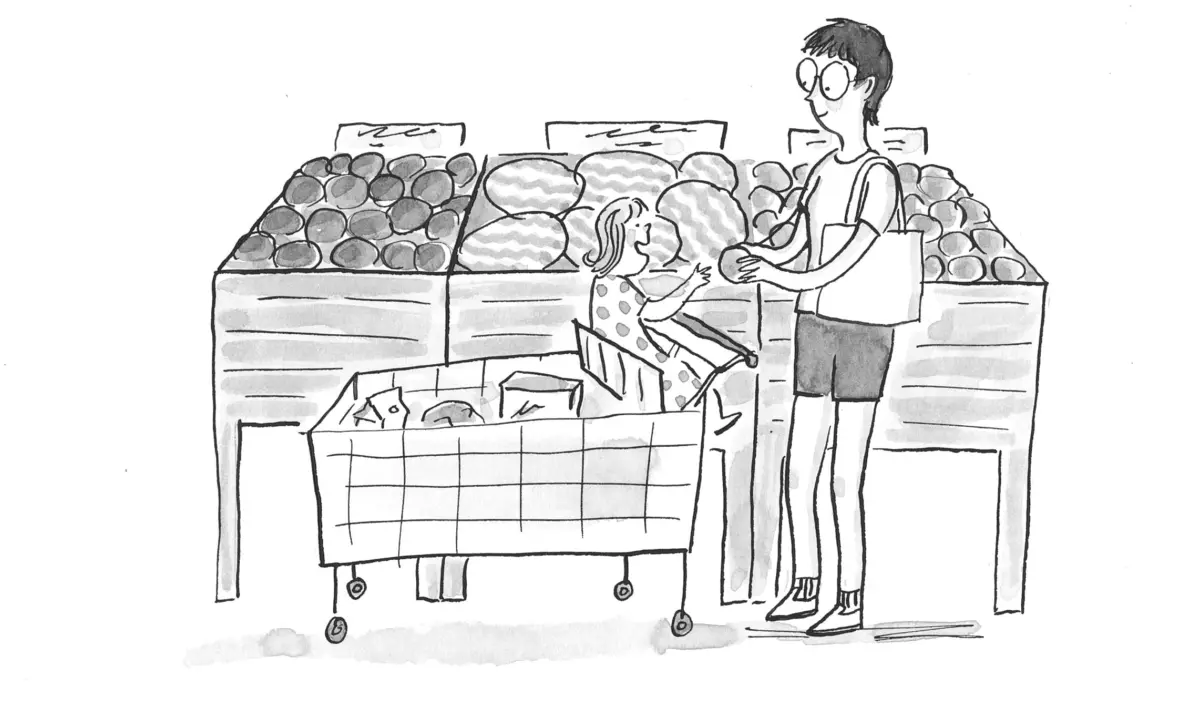
When parents venture out into the public sphere with infants and toddlers, the simple act of running everyday errands can quickly transform into a high-stakes logistical challenge. Recently, a vibrant online community conversation shed light on the shared experiences, unexpected triumphs, and occasional hilarity that accompany taking small children to grocery stores, shopping centers, and community spaces. The discussion, featuring numerous anecdotes from mothers and fathers, captures the universal duality of early parenthood: the acute anxiety of managing multiple little ones paired with the surprising moments of connection and joy that make the chaos worthwhile.
For many parents, the sheer mechanics of stepping out the door require meticulous planning. One mother shared her vivid recollection of her maiden voyage to the grocery store with a newborn and a 19-month-old toddler. Facing the daunting puzzle of balancing a bulky infant car seat that consumed an entire shopping cart, figuring out whether to wear the baby or let the toddler roam, and worrying about potential mid-trip meltdowns, she engineered a clever safety net. She enlisted her mother-in-law to trail behind them, instructed to pretend she was a complete stranger unless a total logistical collapse occurred. That initial trial run proved successful, paving the way for countless future trips with one, two, three, and eventually four children in tow. Over time, what once felt like a perilous expedition evolved into a routine—and genuinely enjoyable—family outing.
Another parent, reflecting on the heavy demands of caring for multiples, described the profound feeling of being understood after welcoming twin boys. For a new twin mother, even a mundane task like picking up a curbside grocery order can feel comparable to a heroic endeavor, while venturing into a store like Target with just one child suddenly resembles a relaxing spa day. To carve out a brief moment of sanity, this mother revealed her simple strategy: when fortunate enough to be out alone, she invariably rewards herself with a quiet coffee enjoyed in her parked car, accompanied by ten uninterrupted minutes of an audiobook in absolute peace.

The conversation also touched on the distinct personalities that children display from a very early age, which often hint at the traits they will carry into later life. One contributor recalled how one of her young children acted as an enthusiastic helper during infancy, narrating the shopping trip and pointing out items on the shelves. Years later, that same child has grown into a tidy individual who consistently helps around the house and eagerly expresses affection through acts of service at every opportunity.
Another child from the same household exhibited a starkly different, highly social temperament. This little one made a point of greeting every single person encountered in the aisles, chatting animatedly with passersby. The mother recounted a memorable incident when a seemingly grumpy older woman ignored the toddler’s cheerful greeting. Undeterred, the child shouted "Don’t be a weenie!" at the top of her lungs, instantly dissolving the tension and drawing amused smiles from everyone nearby.

Beyond the logistical hurdles and humorous outbursts, public outings often provide unexpected moments of validation from complete strangers. A mother of four children recounted taking her entire brood to a busy warehouse store when her youngest was still an infant. With the baby secured in a carrier and the other three children arranged inside the shopping cart, she paused to allow a young man to pass by an aisle. The stranger looked at her with an expression of profound admiration, treating her like a superhero and gracefully waving her ahead. That brief, kind gesture from a random twenty-five-year-old provided an emotional boost that stayed with her long after the shopping trip ended.
Not every parent, however, finds it natural to maintain a constant stream of conversation while navigating the world with their children. Addressing the common advice that caregivers should constantly talk and babble to their babies to support development, one participant admitted that she naturally lacks a large amount of chatter. Even as her children have grown older, she frequently finds herself driving them to various activities in companionable silence, occasionally second-guessing whether she ought to be filling the quiet air with words.

Another community member quickly offered reassurance, recalling fond childhood memories of running weekend errands with her father in peaceful silence or accompanied only by his favorite music. She noted that she particularly treasured the fact that her father did not feel a constant pressure to fill every quiet moment with questions or conversation, especially during her teenage years.
The broader reflections also brought to light the astonishing resilience of past generations in managing large families under far more challenging circumstances. One participant shared the remarkable family history of her grandmothers, both of whom raised twins. One grandmother undertook a daunting international journey, traveling across an ocean from Minnesota to England with a six-year-old, a four-year-old, and newborn twins to join her husband stationed abroad with the Air Force. Another grandmother managed an even more staggering feat by giving birth to two sets of twins separated by a mere sixteen months. Recalling these formidable acts of parenting offered modern parents a humbling perspective on the enduring strength required to shepherd young children through the world.