
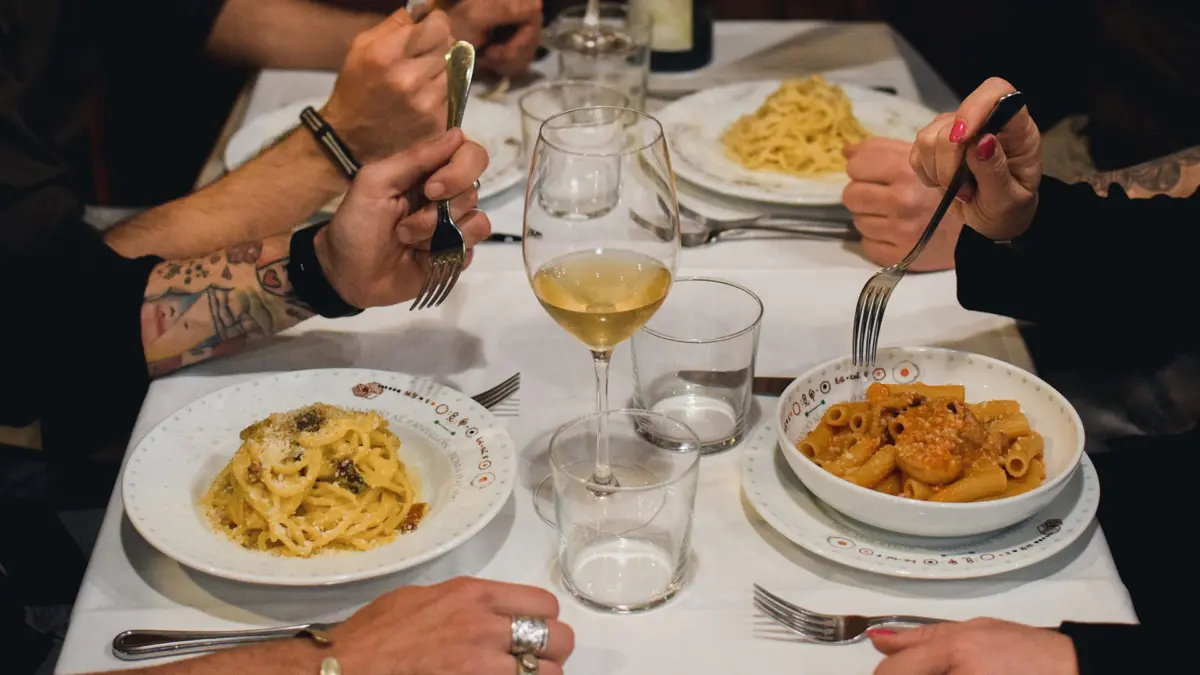
Roman cuisine has always been a direct reflection of the city itself—layered, deeply rooted in centuries of tradition, and full of fascinating contrasts. According to Rome-based food and beverage journalist, culinary guide, and best-selling cookbook author Katie Parla, the absolute best meals in the Italian capital are shaped as much by history as they are by the skilled hands that prepare them.

For generations, family-run trattorias have faithfully served the city’s defining dishes: cacio e pepe, carbonara, roasted lamb, and various offal-based specialties, many of which trace their origins directly back to Rome’s historic slaughterhouse economy. While these traditional establishments remain essential to the city’s identity, a vibrant wave of neo-trattorias is constantly reinterpreting the classics. Simultaneously, Rome’s broader dining scene continues to shift, highlighted by the growing and powerful influence of immigrant communities and global cuisines, ranging from Ethiopian to Venezuelan.

The rhythm of the city’s dining scene changes with the seasons. Rome in February and March often feels like a damp intermission that pivots quickly toward spring. One day, locals and travelers alike are ducking into neighborhood bars to escape a sudden downpour, and the next they are scanning outdoor patios for a table basking in the sun. If recent years are any indication, the city’s high season now revs up well before Holy Week, meaning that by late March, Rome is already operating at full tilt. This narrow stretch of the year is the ideal time to lean into seasonal produce, such as artichokes simmered with the first peas, favas, and lettuce to create vignarola, Rome’s definitive spring stew. Blink, and you will miss it entirely.

Eating and drinking well in Rome is not merely about knowing where to go; it requires a strong understanding of the city’s idiosyncratic dining culture. Travelers frequently make the mistake of booking tables months in advance, which can make last-minute reservations remarkably difficult to secure. While online booking platforms are becoming more common across the metropolis, many beloved establishments still rely heavily on the telephone. For the best results, diners are advised to call at the very start or the very end of service, when the restaurant staff actually has the time to pick up the phone. Planning ahead is crucial, but keeping room for spontaneity is equally important.

The dining map of Rome is continually updated to reflect its ever-changing culinary ecosystem. The current compilation features expert insights from experienced writers and editors, complete with a practical pricing range for each destination. This scale stretches from a simple dollar sign ($) for quick, inexpensive meals where dishes are largely under $10, up to four dollar signs ($$$$) for upscale fine-dining destinations where entrées exceed $30.

Recent additions to the culinary map showcase the city’s dynamic growth. In the San Giovanni district, Beppe e I Suoi Formaggi has expanded beyond its former Ghetto shop into a larger space where Beppe Giovale’s exceptional selection of Italian and French cheeses shares the table with comforting dishes like tajarin with alpine butter. Near the Pyramid of Gaius Cestius, the third-generation, family-run Taverna Cestia serves classic Roman dishes, local seafood, and wood-fired pizza alongside a thoughtfully curated wine list. Meanwhile, in the Prati-adjacent neighborhood of Della Vittoria, Vetro pairs natural wines with small plates that borrow freely from both Roman and broader European culinary traditions, making it equally appealing for a casual dinner or a relaxed glass of wine.

Among the standout establishments featured in the city’s top dining spots, Vetro offers an engaging evening atmosphere. Its sidewalk crowd often gathers outside over glasses of wine and beer, while the interior features high-tops and tables for those looking to explore a diverse menu. The culinary sensibilities range widely across Europe, offering dishes like gildas, eggs with mayonnaise, tongue with sweet potatoes and piquillo peppers, and baccalà mantecato served as brandade alongside marinated zucchini and isot pepper. Set in a former alimentari on Viale Carso, the bar pairs its neighborhood hangout vibe with a natural wine selection spanning Italy, Spain, and southern France.

For those seeking high-end fine dining, Orma Roma—located a few blocks southeast of the Galleria Borghese—brings the visionary expertise of Colombian chef Roy Caceres to the forefront. Following the closure of his landmark Michelin-starred restaurant Metamorfosi during the pandemic, Caceres established Orma as a multi-concept destination. The venue houses a shaded terrace for power lunches, a tropical fruit- and herb-forward cocktail bar, and a main dining room offering tasting menus and à la carte options that artfully blend his Colombian heritage with Italian flavors. Diners can enjoy his legendary Uovo 65° Carbonara or his renowned lacquered eel with pickled onions.

History and tradition remain central at Colline Emiliane, a friendly trattoria operating a short walk from the Trevi Fountain since 1931. Under its current ownership since 1967, the kitchen specializes in rich, egg-based house-made pastas from Emilia-Romagna, including tortelli di zucca and tagliatelle alla bolognese, alongside hearty mains like bollito misto. Similarly, Armando al Pantheon, located just 100 feet from Rome’s most intact ancient monument, has been championed by the Gargioli family for more than five decades. They dutifully produce Roman classics such as fettuccine with chicken innards and oxtail braised in tomato and celery, complemented by seasonal sides like puntarelle and simmered artichokes.

The historic center also guards sweet traditions, such as Moriondo e Gariglio, a chocolate shop founded in Turin by former chocolatiers to the Savoy royal household. Following the royal court to Rome in the late 19th century, the shop settled near the Pantheon, where glass counters hold more than 80 handcrafted chocolates and bonbons. In autumn, locals stock up on cult marrons glacés, while spring brings elaborately engineered Easter eggs.

Further enriching the historic center, Cesare al Pellegrino revived a legendary culinary space following the closure of Settimio al Pellegrino. Run by Leonardo Vignoli and Maria Pia Cicconi, the trattoria near Campo dei Fiori maintains its midcentury furniture, tiled floors, and signature doorbell access, serving a succinct menu featuring minestra con broccoli e arzilla and legendary pan-fried meatballs. Hosteria Grappolo d’Oro matches this traditional dedication with affable service and classic dishes like tonnarelli cacio e pepe, anchored by an exceptionally affordable four-course tasting menu.

For quick bites on the go, Forno Campo de’ Fiori bakes sweet and savory Roman specialties, including pizza alla pala sold by weight, with the pizza con mortadella standing out as a local favorite. Nearby, Boccione – Il Forno del Ghetto preserves the baking heritage of Rome’s historic Jewish quarter, famous for its pizza ebraica and ricotta-and-sour-cherry tarts.

Venturing slightly away from the immediate tourist hubs reveals neighborhood gems like Mazzo in San Lorenzo, where culinary power couple Francesca Barreca and Marco Baccannelli serve nostalgic creations like wagon wheel pasta with braised beef and fried tripe. In the multicultural Esquilino district, Trattoria Monti offers specialties from the Marche region, most notably a legendary raviolo filled with a runny egg yolk. Salumeria Roscioli in the Historic Center operates as a premier deli, wine bar, and restaurant, celebrated for its exceptional cheeses, cured meats, and classic pastas.

International flavors find a welcoming home in Rome as well. At Mrgda on Via Prenestina, traditional Ethiopian and Eritrean cuisine takes center stage, offering richly spiced legumes, braised chicken, and raw beef served atop ethereal, naturally leavened injera, accompanied by honey-fermented tej. In Pigneto and Trastevere, spots like L’Elementare, Trapizzino, Jerry Thomas Bar Room, and Latteria Trastevere offer everything from crisp Roman pizza tonda and innovative street food to refined subterranean cocktail bars and natural wine selections.

Other enduring pillars of Roman dining include Sora Lella on the Tiber Island, L’Antidoto in Trastevere, Tempio di Iside near the Colosseum, and Menabò Vino e Cucina in Centocelle. Neighborhood favorites like Piatto Romano in Testaccio, the bustling Mercato Testaccio, Taverna Cestia near the Pyramid, Mostro at the Aventine nexus, Cesare al Casaletto, A Rota Pizzeria Romanesca in Torpignattara, C’è… Pasta e Pasta, Tavernaccia Da Bruno in Trastevere, Trattoria Pennestri, Stecca in Garbatella, Sinosteria, Trecca, Ristorante da Michele in San Paolo, and Pizza Nader round out a citywide culinary ecosystem that balances deep reverence for history with an unstoppable drive for evolution.