
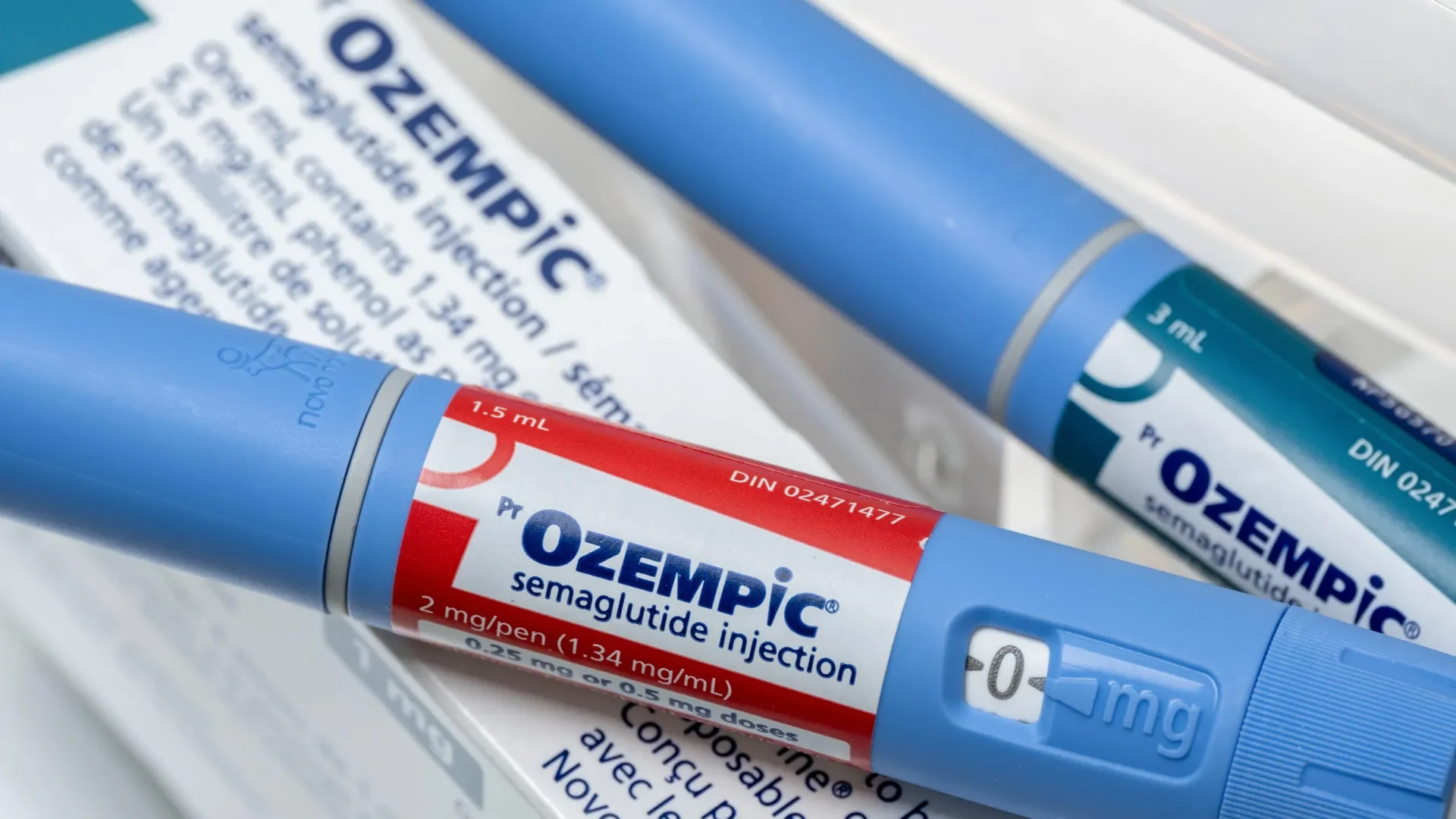
A comprehensive and large-scale study led by researchers at Rutgers University has identified a potential and concerning vision risk associated with some of the most widely used diabetes and weight loss medications on the market today, including blockbusters such as Ozempic and Wegovy. The new findings suggest that individuals taking these transformative drugs may face a slightly elevated risk of developing a rare and serious eye condition that can result in sudden, and potentially permanent, vision loss.
While these medications have revolutionized the treatment of Type 2 diabetes and chronic weight management, offering profound health benefits for millions of people worldwide, the scientific community continues to scrutinize their safety profiles as prescriptions soar. This latest study adds an important piece to the puzzle, urging both clinicians and patients to remain vigilant about potential, albeit uncommon, adverse effects.
The rare medical condition highlighted in the research is known as ischemic optic neuropathy. This debilitating issue occurs when the normal flow of blood to the optic nerve becomes significantly reduced or blocked. Because the optic nerve serves as the vital cable connecting the eye to the brain, transmitting all visual information, any substantial damage to this pathway can lead to severe and life-altering vision problems.
Study Links GLP-1 Drugs to Rare Vision Loss
The groundbreaking research was published in the esteemed Annals of Internal Medicine. To conduct the analysis, investigators examined health information drawn from a large, comprehensive database of United States adults between the ages of 18 and 65 who had been diagnosed with Type 2 diabetes. The research team specifically focused on patients who had recently initiated treatments to manage their underlying medical conditions. This cohort included individuals prescribed a class of medications known as glucagon-like peptide-1 receptor agonists, commonly referred to as GLP-1s.
These heavily prescribed medications include semaglutide, which is marketed under brand names such as Ozempic for diabetes management and Wegovy for weight loss, as well as tirzepatide, sold under the brand names Mounjaro and Zepbound. Over recent years, GLP-1 receptor agonists have transformed modern medicine. Beyond their primary capabilities in helping control blood sugar levels and assisting patients with substantial weight loss, these drugs have demonstrated significant secondary health benefits. Clinical trials and real-world observations have shown that they can effectively reduce the risks of certain cardiovascular events, such as heart attacks and strokes, as well as specific kidney-related complications.
However, as the utilization of these medications expands at an unprecedented rate, reaching millions of users globally, scientists and regulatory agencies continue to investigate their comprehensive safety profiles, including rare and unexpected side effects.
In their analysis, the Rutgers researchers discovered that the use of GLP-1 medications was indeed associated with a modest increase in the statistical likelihood of developing ischemic optic neuropathy. Although the eye condition itself remains uncommon among the general population, its potentially devastating consequences render this finding clinically significant for the medical community.
"Although ischemic optic neuropathy was rare, it is clinically important because it can involve sudden vision loss," said Chintan Dave, a core faculty member of the Center for Pharmacoepidemiology and Treatment Science at the Rutgers Institute for Health, Health Care Policy and Aging Research.
Elaborating on the statistical findings, Dave noted that the elevated risk identified in the study was relatively small in absolute terms, translating to approximately three to four additional cases per 10,000 patients treated with GLP-1 medications over an 18-month period. Nevertheless, he emphasized that both healthcare clinicians and patients should be fully aware of this potential association as part of comprehensive medical counseling.
While the absolute risk to any individual patient remains low, researchers argue that the skyrocketing popularity and broad dissemination of GLP-1 medications make ongoing, rigorous safety monitoring especially vital. These powerful drugs are no longer confined strictly to specialized diabetes care; they are now routinely prescribed to a vast and diverse population of people, spanning individuals both with and without diagnosed Type 2 diabetes, for various metabolic and weight-related health goals.
Who May Be Most at Risk?
Beyond establishing the initial link between the medications and the rare eye condition, the research team sought to identify specific patterns among the patients who went on to develop ischemic optic neuropathy during the study period. Their detailed analysis revealed that cases of the condition were notably more common among specific demographic subgroups within the broader study population, specifically pointing toward men and adults in the older bracket of the cohort.
"Most patients in our study who had ischemic optic neuropathy were either men or men and women aged 50 to 65," explained Dave, who also serves as an associate professor at the Ernest Mario School of Pharmacy and acted as the lead author of the study.
Because ischemic optic neuropathy can present abruptly with sudden vision loss that has the potential to become permanent, Dave stressed that early recognition of warning signs and prompt evaluation by an ophthalmologist may be especially crucial for patients who fall into these higher baseline risk categories.
Medical science estimates that more than 80 percent of all ischemic optic neuropathy cases involve the specific clinical variant known as the non-arteritic anterior form of the condition. This particular presentation occurs when the blood supply flowing to the front portion of the optic nerve becomes critically insufficient. This lack of adequate perfusion can starve the nerve tissue of necessary oxygen and nutrients, leading to cellular damage and severely interfering with normal visual processing.
The resulting visual impairment is frequently permanent. According to clinical data and insights shared by Dave, approximately one-third of all affected patients experience some degree of visual recovery, which typically takes place during the initial six months following the acute event. However, even in cases where natural improvement does occur, some degree of lasting visual impairment usually remains with the patient for the rest of their lives.
Rather than causing total, profound blindness, the condition typically affects a distinct portion of the visual field in one eye. Patients experiencing this medical event may suddenly notice alarming symptoms such as blurriness, a dimming of their sight, or the emergence of missing dark areas within their normal field of view.
Do Weight Loss Drugs Actually Cause Vision Loss?
Despite uncovering a clear statistical association between the medications and the optic condition, the researchers have offered important caveats, exercising caution before drawing definitive causal conclusions. They emphasize that their current findings do not definitively establish that GLP-1 medications directly cause physical damage to the optic nerve.
Instead, the research team points out that a variety of other confounding variables—including subtle differences in patients’ underlying health conditions, pre-existing vascular issues, diabetes severity, and lifestyle factors—could potentially help explain the increased risk observed during the study. Consequently, additional scientific research and targeted clinical studies will be necessary to determine whether the medications themselves act as a direct biological contributor to the condition or if other mediating factors are at play.
For the time being, the study’s authors stress that these findings highlight the critical importance of remaining vigilant about sudden, unexplained vision changes. Patients are advised to seek prompt medical evaluation if they notice any visual disturbances, particularly if they are individuals who may already find themselves at a greater baseline risk for vascular or neurological complications.
The comprehensive research effort was a collaborative project involving multiple departments at Rutgers University. The research team included Kamika Reynolds and Kimberly O’Malley, both of the Institute for Health, along with Jason Roy of the Rutgers School of Public Health, whose combined expertise contributed to the robust epidemiological analysis.