
Finishing a tough workout always feels good. That is, until a few hours later when those uncomfortable muscle aches start setting in. This discomfort can linger for days—making easy, everyday tasks like climbing stairs, carrying groceries, or even sitting down at a desk a notable challenge.
In search of relief, recreational gym-goers are increasingly adopting the kind of recovery techniques once reserved for elite athletes. Fueled by social media and the widespread visibility of professional sports, fitness enthusiasts have helped popularize everything from ice baths and high-tech compression garments to specialized sports massages and an endless array of recovery supplements.
While many of these commercial products and trendy practices promise faster recovery times, drastically reduced soreness, and improved athletic performance, the underlying science is often far more nuanced than what is advertised on social media feeds.
Ice baths
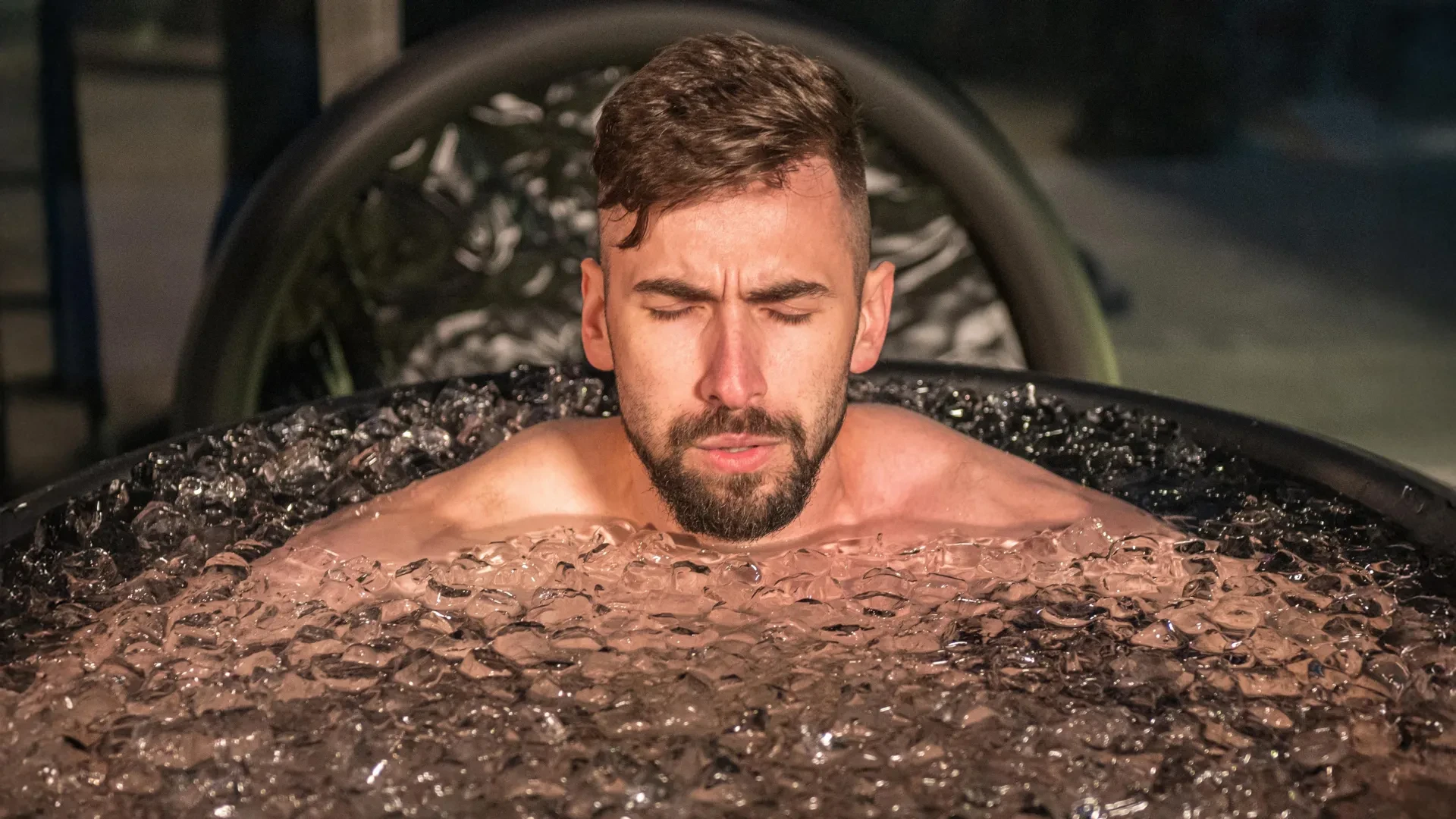
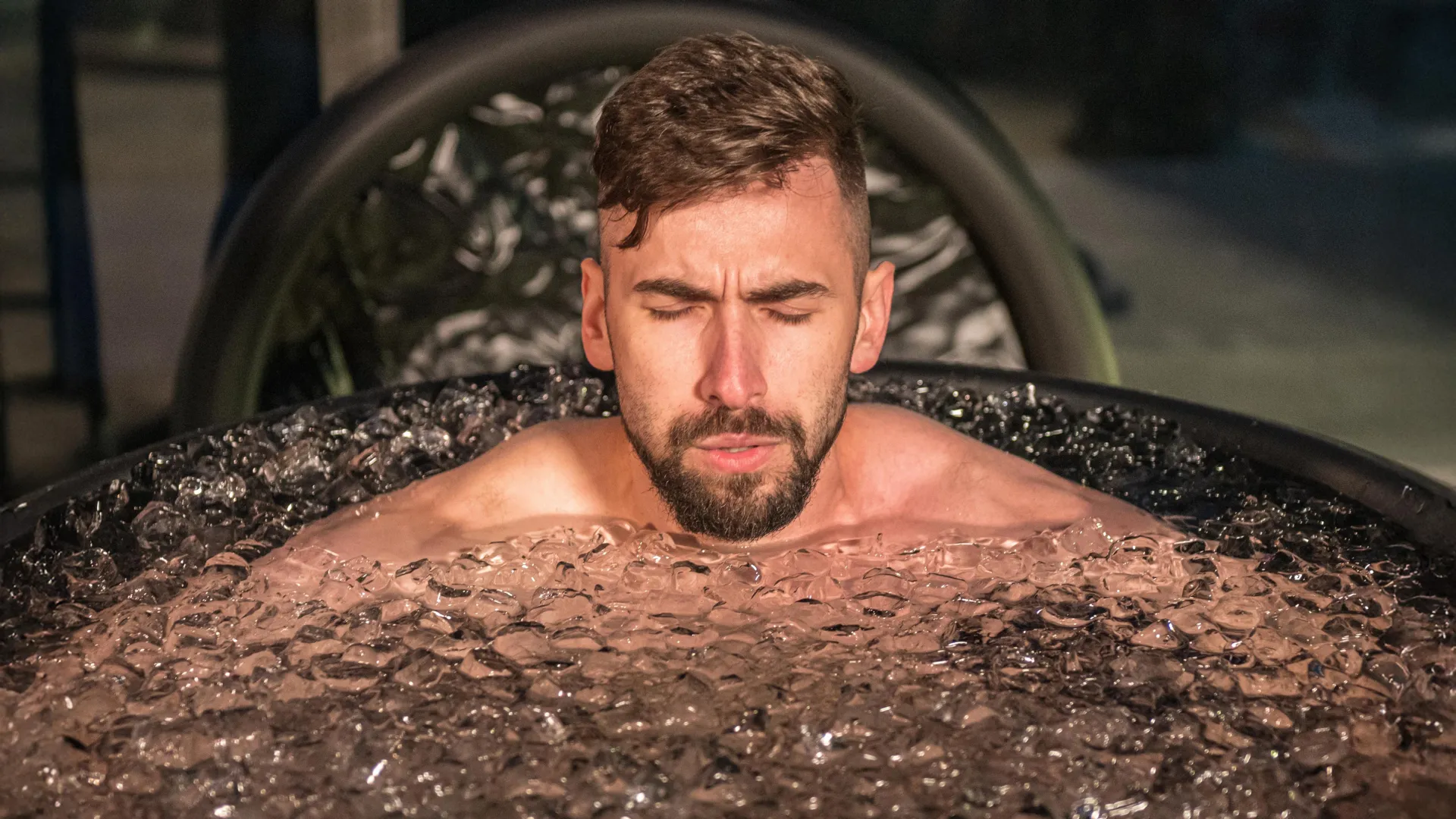
Few recovery strategies have received as much attention in recent years as ice baths. This practice involves immersing oneself in water that is strictly below 15°C to boost physical recovery after strenuous exertion. However, the scientific evidence supporting this widespread practice remains decidedly mixed.
On one hand, ice baths successfully help ease acute inflammation. Existing medical research suggests that this reduction in inflammation can significantly cut down immediate muscle soreness and help athletes recover basic muscle function more effectively within a strict 24-hour window.
Yet, there is a distinct catch. While inflammation is largely responsible for post-workout soreness, it also acts as a critical biological trigger for the cellular adaptations that build muscle over time. Dampening this inflammatory response with routine ice baths may inadvertently limit some of the long-term training benefits—particularly if they are utilized regularly as part of a weekly exercise regimen.
When it comes to ice baths, side-stepping short-term physical pain may ultimately mean sacrificing long-term muscular gains. Consequently, sports scientists generally advise reserving cold water immersion only for scenarios where rapid, short-term recovery is vital, such as during multi-day athletic competitions.
Compression garments
Compression garments are another staple commonly worn immediately after exercise to speed up physical recovery. The foundational idea behind these tight-fitting socks, sleeves, and tights is that the external pressure they apply mechanically supports circulation, enhances blood flow back to tired muscles, and minimizes localized swelling.
However, while compression garments might trick the wearer into thinking they are actively helping by dampening perceived soreness, hard evidence showing they actually accelerate true physiological muscle recovery is generally less convincing.
A landmark study from 2022 put these garments to a rigorous test. In the trial, one group of participants was given actual compression garments, while a control group was given a harmless placebo tablet and told it would be equally as effective as wearing compression gear.
The physical measurements revealed that the compression garments genuinely improved circulation and muscle blood flow, whereas the inert placebo had zero physiological effect on these measures. This suggests that the physiological footprint of compression garments on the body is real and is not simply a byproduct of psychological expectation or placebo perception.
However, whether these localized circulatory changes meaningfully improve overall athletic performance remains less clear. Although emerging evidence indicates that compression garments genuinely affect specific physiological markers of recovery, this is unlikely to directly or dramatically restore lost muscle function on its own.
Ultimately, compression garments may primarily serve their purpose because they make individuals feel physically more comfortable during the recovery window.
Massage
Massage therapy stands out as one of the few physical recovery interventions backed by relatively consistent scientific support. Clinical observations show that manual soft-tissue therapy can successfully reduce perceived soreness and significantly improve an individual’s subjective sense of recovery after strenuous exercise.
It is not currently entirely clear what precise physiological mechanisms trigger the recovery benefits of massage. However, researchers believe the advantages stem from the fact that massage mechanically reduces muscle stiffness, improves local circulation, and boosts general nervous system relaxation.
Even so, while athletes consistently report feeling less sore and express higher perceptions of recovery following a professional massage, objective measures of physical performance and actual muscle function show only modest and inconsistent improvements.
Massage might successfully ease the physical discomfort of intense training, but it should not be expected to act as a miraculous restorer of raw athletic performance.
Recovery supplements
The commercial nutrition supplement market is big business, featuring hundreds of brightly colored recovery drinks, powders, and capsules promising reduced soreness and accelerated recovery times. Yet, not all supplements are created equal. Some appear to confer small, measurable benefits, while others come packaged with marketing hype that current science simply does not back up.
Whey protein, for instance, remains one of the most thoroughly researched supplements available. Rich in essential amino acids, which serve as the fundamental building blocks of protein, it directly stimulates muscle protein synthesis—the core biological process that helps muscles grow and repair. Whey protein has been shown to offer small-to-moderate benefits for overall muscle recovery, though concrete evidence proving that it consistently alleviates delayed-onset muscle soreness remains somewhat inconsistent.
Branched-chain amino acids, commonly known as BCAAs, are another widely used category of supplements typically containing a precise mixture of leucine, isoleucine, and valine. BCAAs gained massive popularity because fitness enthusiasts believed the specific inclusion of leucine could single-handedly switch on muscle protein synthesis.
Yet despite their commercial popularity, BCAAs appear notably less effective than complete protein sources when it comes to comprehensive muscle recovery. This limitation exists because effective muscle repair requires a full spectrum of all essential amino acids—not just the isolated trio found in BCAAs. Natural food sources such as chicken, beef, salmon, eggs, and tofu naturally contain the complete profile of essential amino acids required by the human body.
Tart cherry juice has also emerged as a relatively new supplement in the modern fitness world. It is exceptionally rich in polyphenols, which are natural plant compounds widely recognized for their anti-inflammatory and antioxidant properties, helping to prevent or minimize cellular damage. It is precisely for these reasons that tart cherry juice is thought to help reduce exercise-induced muscle damage and soreness.
Although this remains an active area of emerging scientific research, existing evidence suggests these plant compounds deliver small-to-moderate effects in reducing post-workout soreness and may also assist in restoring muscular strength and power output.
Omega-3 fish oil supplements are similarly championed across the fitness community as an effective way to lower systemic inflammation and accelerate physical recovery after heavy bouts of exercise. While some specialized research suggests they can modestly reduce muscle soreness and help preserve baseline muscle function after strenuous exertion, study results are far from consistent. As a result, omega-3 supplements are generally considered unlikely to vastly improve overall recovery outcomes on their own.
Crucially, all of these vital nutrients can easily be obtained through a healthy, balanced, and diverse diet. Nutritional science consistently demonstrates that it is far better to acquire these essential nutrients from whole foods rather than expensive, highly processed supplements. Whole foods provide a complex matrix of other important micronutrients that work synergistically to support long-term human health.
What actually works?
Popular recovery techniques and commercial products might offer small, localized benefits for reducing subjective feelings of soreness, but they do not fundamentally tend to restore underlying muscle function to any radical degree. Instead, the strongest scientific evidence for reliable, effective physical recovery points consistently back to the foundational basics of human health.
Perhaps the biggest lesson to take away from the multi-billion-dollar fitness recovery industry is that genuine physical recovery cannot simply be bottled, marketed, and sold.