
Finishing a tough, grueling workout always brings a powerful wave of satisfaction. That is, at least, until a few hours or the next morning roll around, when those uncomfortable muscle aches and stiffness start setting in. This post-exercise discomfort can linger for days, transforming simple, everyday tasks like climbing stairs, sitting down, or reaching for an item on a high shelf into genuine challenges.
In an ongoing search for fast and effective relief, recreational gym-goers and everyday fitness enthusiasts are increasingly adopting the kind of sophisticated recovery techniques once reserved exclusively for elite athletes, professional sports teams, and Olympic training camps. Driven by the visibility of professional sports and the proliferation of wellness content on social media, everyday exercisers have helped popularize a booming market of recovery trends. From bone-chilling ice baths and high-pressure compression garments to targeted sports massages and specialized recovery supplements, fitness culture is deeply invested in bouncing back faster.
While many of these popular products and trendy practices promise accelerated recovery times, drastically reduced muscle soreness, and noticeably improved athletic performance, the underlying scientific reality is often far more nuanced than marketing campaigns suggest.
Ice Baths
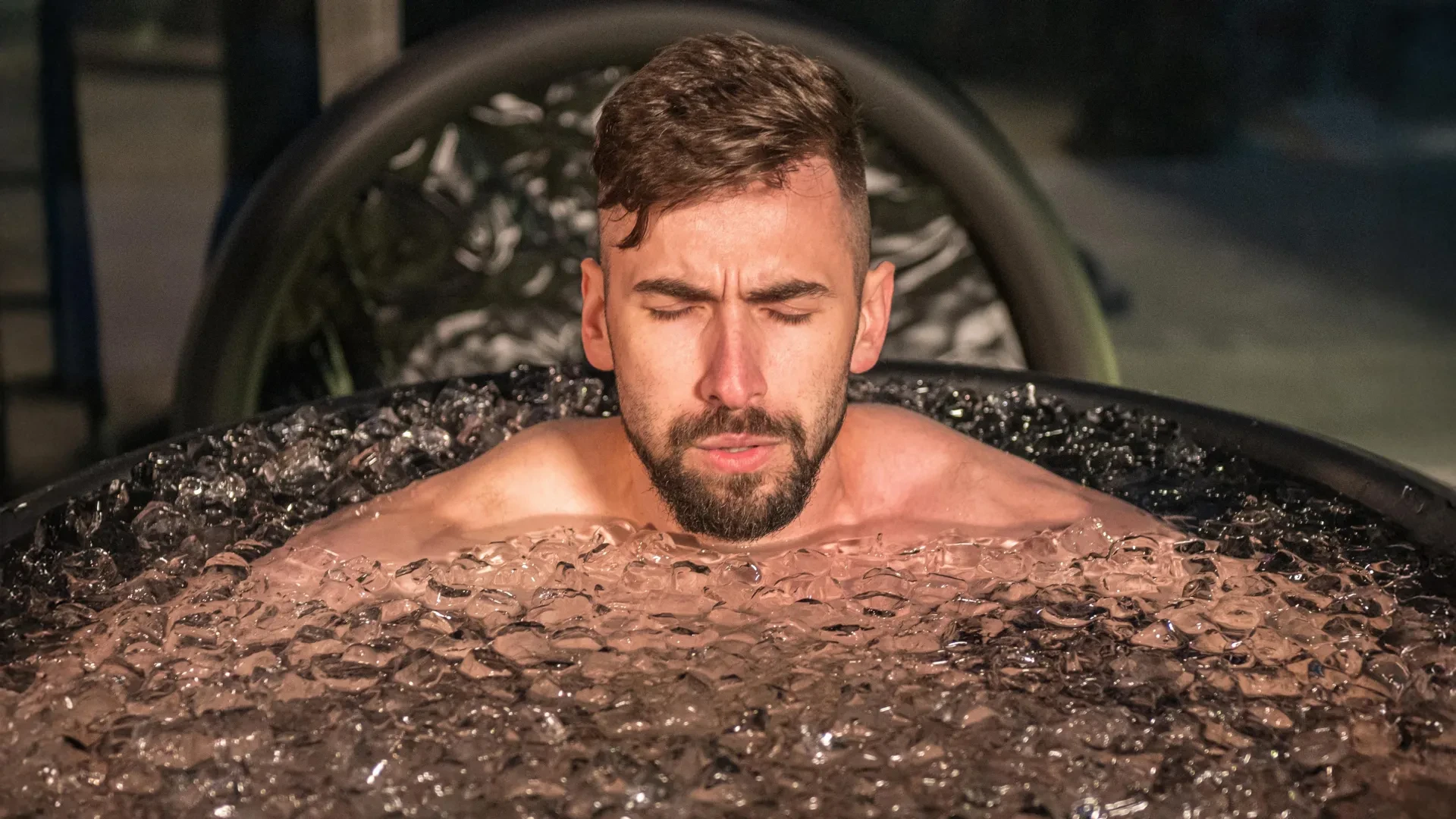
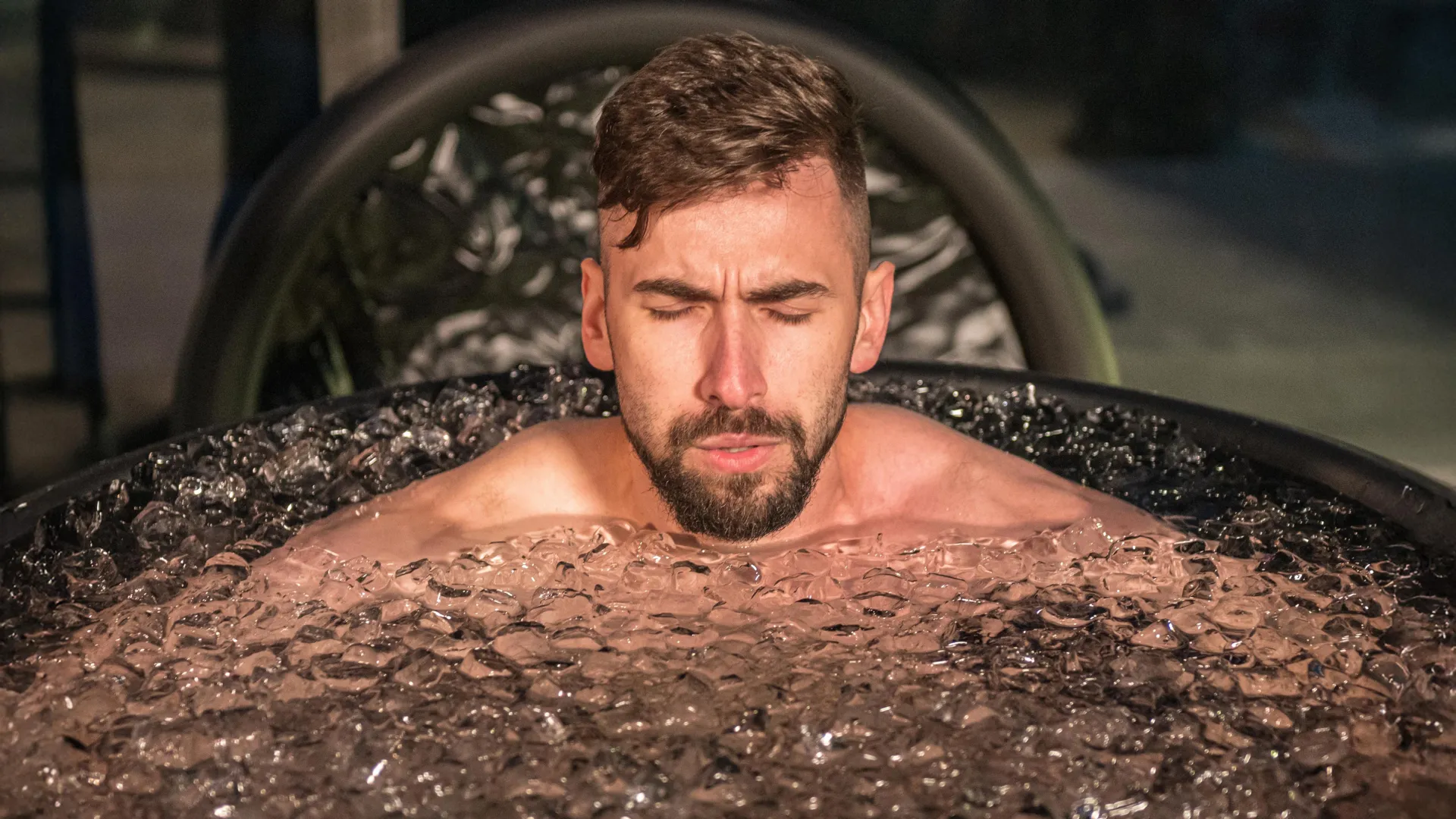
Few recovery strategies have received as much widespread attention and viral fame in recent years as ice baths and cold-water immersion. This intense practice involves immersing oneself in water that is kept below 15 degrees Celsius for a designated period following a strenuous session to boost recovery. However, scientific evidence supporting these dramatic benefits is mixed and presents a complex trade-off for athletes.
On one hand, ice baths excel at easing acute inflammation. Existing research strongly suggests that this rapid cooling effect can successfully mitigate post-exercise muscle soreness and help athletes recover basic muscle function more effectively within a crucial 24-hour window following an intense workout.
But there is a significant catch. While acute inflammation is largely responsible for the immediate aches and pains following exercise, it also serves as a critical biological trigger for the physiological adaptations that build muscle tissue over time. Dampening this natural inflammatory response with regular ice baths may inadvertently limit some of the long-term benefits of rigorous training—particularly if cold therapy is utilized consistently after every session.
When it comes to ice baths, side-stepping short-term pain may ultimately mean sacrificing long-term physical gains. Current insights suggest it is best reserved for situations where rapid, immediate recovery is absolutely vital, such as during tournament play or back-to-back competition days.
Compression Garments
Compression garments, ranging from tight-fitting tights and sleeves to specialized socks, are commonly worn immediately after exercise in an effort to speed up overall recovery. The prevailing physiological theory is that the external, graduated pressure applied by these garments actively supports circulation, enhances blood flow back to tired muscles, and significantly reduces fluid accumulation and swelling.
Yet while wearing compression garments might trick the mind into thinking they are actively helping by making limbs feel secure and reducing subjective soreness, rigorous scientific evidence showing that they actually accelerate objective muscle recovery is generally far less convincing.
A landmark study put these garments to a controlled test by dividing participants into two distinct groups. One group was given genuine compression garments, while the other group was provided with a placebo garment paired with a placebo tablet and told it was equally as effective as active compression.
The results revealed that the compression garments genuinely improved local circulation and muscle blood flow, whereas the placebo intervention had no measurable effect on these physiological markers. This demonstrated clearly that the physiological effects of compression garments on circulation are real and not simply the result of psychological expectation or subjective perception.
However, whether these localized circulatory changes meaningfully translate into superior athletic performance remains much less clear. Although emerging evidence suggests compression garments genuinely affect some biological markers of recovery, this is unlikely to directly restore depleted muscle function on its own.
Ultimately, compression garments may primarily aid recovery because they provide comfort and make an athlete feel psychologically and physically better prepared for their next session.
Massage
Massage therapy stands out as one of the few post-exercise recovery interventions backed by relatively consistent scientific support. Professional and recreational athletes alike turn to massage to successfully reduce post-workout soreness and drastically improve their subjective perception of recovery.
While it is not currently entirely clear what precise physiological mechanisms trigger the recovery benefits of massage, researchers believe the positive effects stem from its ability to reduce muscle stiffness, enhance local blood circulation, and boost systemic relaxation in the nervous system.
Even so, a notable discrepancy exists between subjective feelings and hard data. Although athletes consistently report feeling less sore and express a higher perception of recovery after receiving a massage, objective measures of physical performance and actual muscle function remain modest and inconsistent in scientific trials.
Massage can certainly ease the physical discomfort and tightness associated with hard training, but individuals should not expect it to act as a miraculous restorer of peak athletic performance.
Recovery Supplements
The nutritional supplement market is a massive, highly lucrative global business, featuring hundreds of brightly colored recovery drinks, flavored powders, and capsules promising reduced soreness and accelerated recovery times. However, not all supplements are created equal. While some appear to confer small, measurable benefits, others arrive surrounded by marketing hype that modern science simply cannot back up.
Whey protein, for instance, stands as one of the most thoroughly researched and reliable supplements available. Rich in essential amino acids—the fundamental building blocks of human protein—it actively stimulates muscle protein synthesis, the exact biological process that helps muscles repair and grow stronger. Whey protein has been shown to deliver small-to-moderate benefits for overall muscle recovery, though evidence indicating that it can directly alleviate subsequent muscle soreness remains somewhat inconsistent.
Branch chain amino acids, commonly known as BCAAs, are another widely used supplement category. They typically contain a specific mixture of three essential amino acids: leucine, isoleucine, and valine. BCAAs gained immense popularity because fitness enthusiasts believed that the leucine content alone could easily switch on the body’s protein synthesis pathways.
Yet despite their widespread commercial popularity, BCAAs appear notably less effective for muscle recovery than complete protein sources. This limitation exists because comprehensive muscle repair and growth require the presence of all essential amino acids simultaneously, rather than just the isolated subset found in standard BCAA formulations. Everyday food sources such as chicken, beef, salmon, eggs, and tofu naturally contain the full spectrum of essential amino acids required by the human body.
Tart cherry juice has emerged as a relatively new and trendy supplement within the broader fitness community. It is exceptionally rich in polyphenols, which are natural plant compounds widely recognized for their potent anti-inflammatory and antioxidant properties, helping to prevent or reduce cellular damage. Because of these chemical properties, tart cherry juice is widely believed to help reduce post-exercise muscle damage and subsequent soreness.
Although this remains an active area of emerging research, existing evidence suggests that these plant compounds can provide small-to-moderate effects in reducing soreness following strenuous workouts, and may even assist in the restoration of muscular strength and explosive power.
Omega-3 fatty acid supplements, commonly derived from fish oil, are also frequently championed as an effective way to control inflammation and accelerate physical recovery after heavy exertion. While some specific research indicates they can modestly reduce muscle soreness and help preserve baseline muscle function after strenuous exercise, study results remain far from consistent across different populations. Consequently, omega-3 supplements alone are unlikely to vastly improve overall athletic recovery.
Importantly, virtually all of these vital nutrients can be easily obtained through a healthy, well-balanced diet. Robust scientific literature consistently demonstrates that it is nutritionally superior to obtain these compounds from whole foods rather than expensive, highly processed supplements. Whole foods provide a diverse matrix of other important vitamins, minerals, and macronutrients that interact synergistically to support long-term health and athletic performance.
What Actually Works?
Popular recovery techniques and high-tech wellness trends might offer minor benefits when it comes to reducing subjective feelings of post-workout soreness, but they rarely translate into dramatic improvements in restoring actual muscle function. Instead, the strongest and most reliable scientific evidence for optimal recovery points squarely back to the fundamental basics of sleep, proper hydration, and sound nutritional habits.
Ultimately, the biggest lesson from decades of exercise science is that genuine physical recovery cannot be bottled, marketed, and sold on a shelf.