
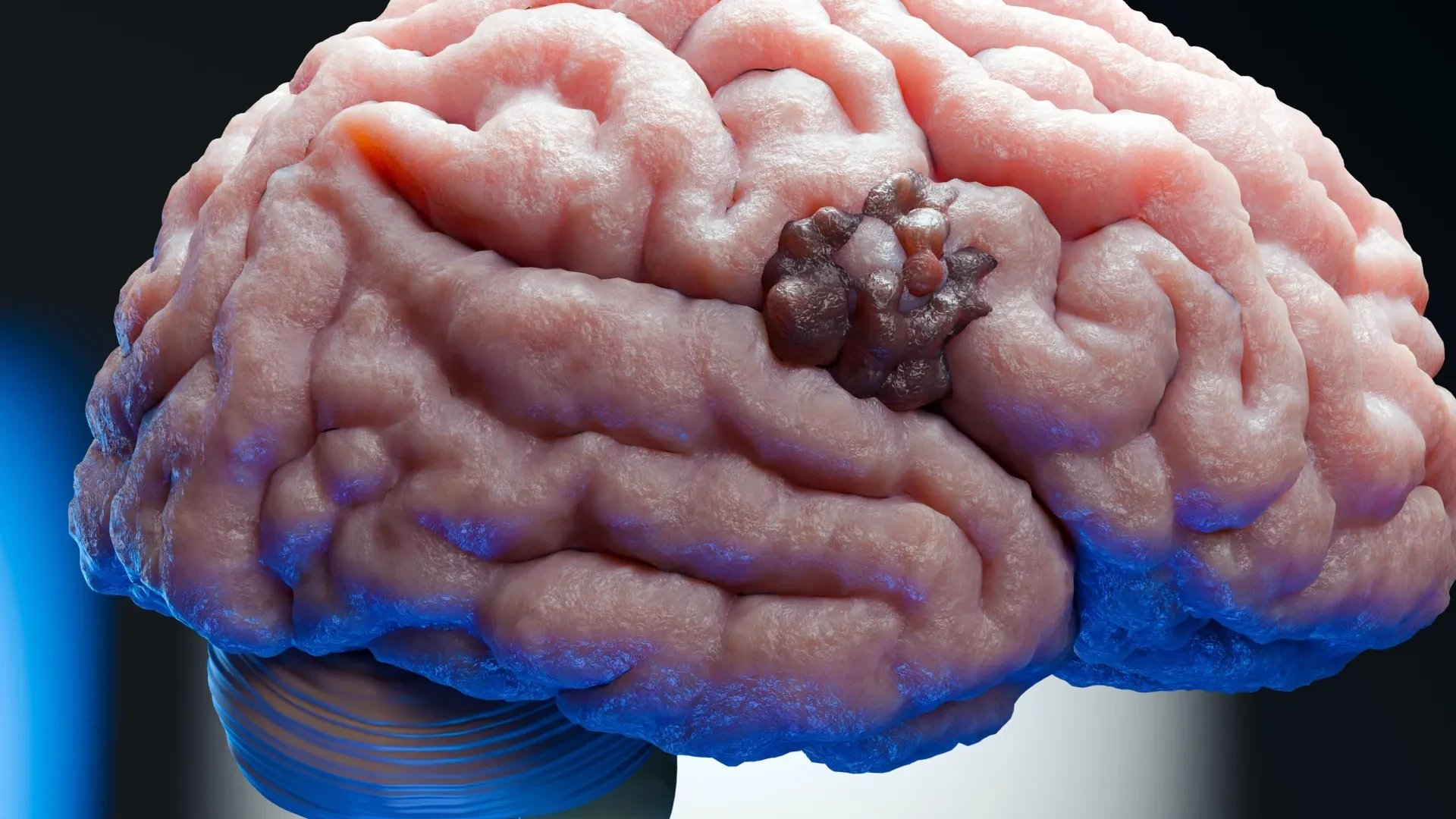
Rather than attempting to entirely replace the current standard of care—which typically involves a grueling combination of surgical resection, radiation, and chemotherapy—the newly proposed strategy is purposefully designed to work in synergy with these established modalities, helping them perform their jobs more effectively. In rigorous preclinical experiments conducted by the research team, suppressing a specific protein known as SET successfully prevented tumors from developing in the first place, offering a tantalizing glimpse into a future where the deadliest characteristics of glioblastoma might be systematically disarmed.
Among the various biological factors and proteins examined during the course of the investigation, SET immediately stood out because actively blocking it produced a remarkably strong, suppressive effect on overall tumor formation. Furthermore, the research team discovered that intentionally interfering with a group of closely related proteins also dramatically increased the sensitivity of glioblastoma cells to radiation. Together, these convergent findings point directly toward a fundamental biological pathway that researchers hope to target with novel pharmacological agents, ultimately stripping the cancer of its robust cellular defenses and neutralizing its ability to shrug off therapeutic intervention.
The scientific team at the OSUCCC – James focused their investigative efforts heavily on PP2A, an essential cellular enzyme deeply involved in regulating the complex signaling pathways that cancer cells routinely hijack in order to grow, multiply, survive, and successfully recover from treatment-related cellular damage. Ordinarily, healthy cells rely on PP2A to maintain normal regulatory functions. However, glioblastoma cells appear to actively subvert and interfere with normal PP2A activity by deploying three specific proteins: ANP32A, CIP2A, and SET.
When the researchers experimentally blocked these inhibitory proteins within sophisticated laboratory settings and animal models, a striking transformation occurred. Considerably fewer cancer cells managed to survive the environment, and those that did persist became markedly more vulnerable to the damaging effects of radiation. This dual impact—reducing baseline survival while sensitizing the remaining tumor mass to external forces—highlights the profound influence that the PP2A regulatory axis holds over glioblastoma’s remarkable resilience.
"Glioblastoma is hard to treat because it can adapt and survive," said Arnab Chakravarti, MD, chair of radiation oncology at the OSUCCC – James, summarizing the central frustration that has faced neuro-oncologists for generations. "Our findings suggest that restoring PP2A activity may make glioblastoma cells less able to survive treatment. That gives us a clear path to test whether this approach can make radiation and chemotherapy more effective for patients with GBM."
Despite the profound implications of these laboratory discoveries, the results remain strictly preliminary at this stage and have not yet been evaluated in human clinical trials involving actual patients. Acknowledging this critical boundary, researchers are now aggressively investigating whether SET or other related proteins that suppress PP2A can be targeted safely within a living human body, and whether doing so reliably improves the clinical effectiveness of standard glioblastoma therapies without triggering prohibitive systemic toxicities.
As part of their broad exploratory work, the research team also examined an existing, FDA-approved antipsychotic medication that possesses the known chemical capability to increase PP2A activity. According to the investigators, this pharmacological observation provides an additional, highly rational reason to study medications that influence this specific biological pathway. However, the researchers issued a strong word of caution, emphasizing that the drug in its current form is not yet ready to be used as an off-label glioblastoma treatment and should under no circumstances be taken for this purpose outside the controlled environment of a formal clinical trial.
"This is an important first step," Dr. Chakravarti noted, placing the breakthrough within the broader arc of translational cancer research. "By understanding how SET and related PP2A blockers help GBM survive treatment, we can test ways to block that protection and make current therapies more effective."
The complete study detailing these findings was published in the May 2026 issue of Cancer Letters. The research itself was made possible through vital financial support and grants provided by the National Institutes of Health, the National Cancer Institute, and The Ohio State University Comprehensive Cancer Center, underscoring the collaborative and heavily scrutinized nature of modern academic cancer research as it pushes toward clinical translation.