
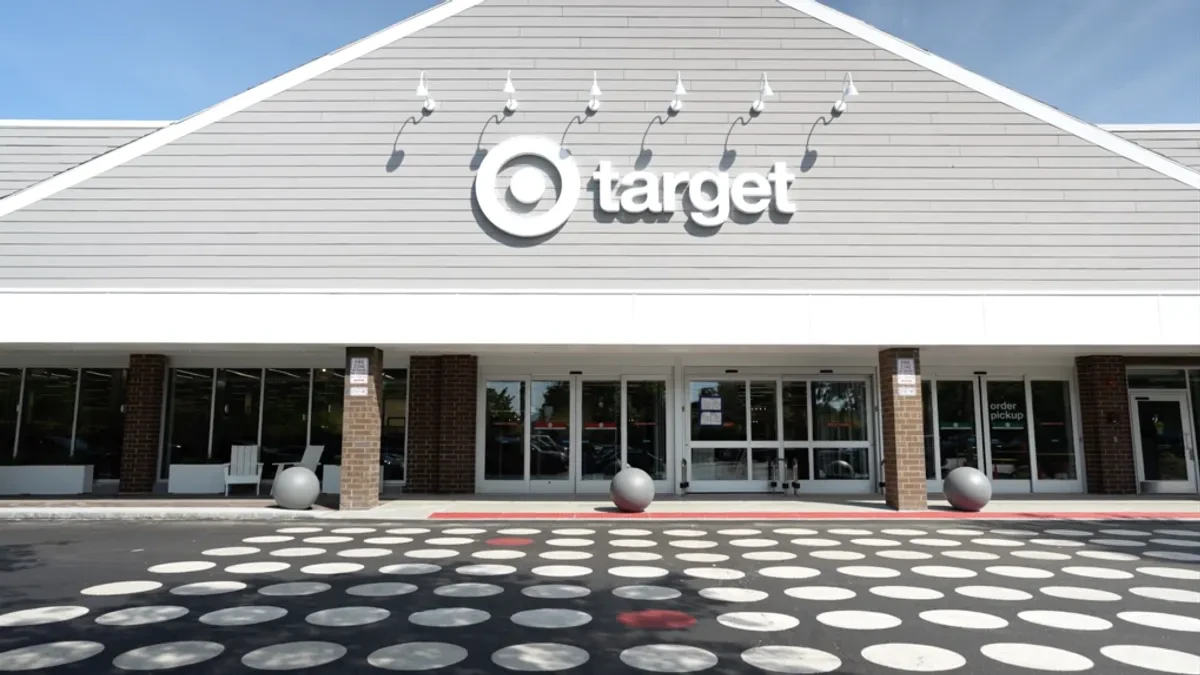
As the busy holiday shopping season begins to ramp up across the retail landscape, mass-market retail giant Target has announced strategic price reductions on approximately 2,000 items spanning its home goods and apparel categories. The move represents the latest effort by the company to appeal to budget-conscious consumers who are increasingly navigating persistent economic pressures, shifting household financial assessments, and evolving spending patterns as the final quarter of the year approaches.
Published on September 29, 2026, by Retail Dive, the announcement highlights how major retailers are continually recalibrating their pricing strategies to maintain consumer loyalty. Target’s latest wave of markdowns builds upon a broader, aggressive pricing strategy implemented over the past year. Earlier this year, in March, the mass retailer reduced prices on roughly 3,000 products across various departments. Combined with the latest reductions, Target has introduced approximately 10,000 price cuts over the past twelve months, signaling a sustained corporate focus on affordability in a competitive retail environment.
Balancing price with merchandise quality has emerged as a central operational focus for Target leadership as shoppers continue to feel the financial pinch of macroeconomic pressures. In recent quarters, management has repeatedly emphasized its commitment to remaining competitive while ensuring that customers do not feel they have to compromise on the quality of the products they purchase for their homes and families.
During an August earnings call with financial analysts, Chief Merchandising Officer Cara Sylvester addressed Target’s overarching approach to cutting prices and maintaining competitive price gaps with rival retailers. “It’s always looking at both sides of the equation, and I think we have a long history of being competitive on price,” Sylvester told analysts. She added, “We’ve demonstrated that this year. We’ll continue to do that across the board, and we’re looking to bring new, affordable options throughout our assortment.”
The strategic emphasis on affordability comes at a time when consumer price sensitivity is exceptionally high. During the same earnings call, Target CEO Michael Fiddelke underscored the reality that price matters significantly to consumers right now, guiding the company’s merchandising and promotional calendars to better align with household budget constraints.

The timing of these price adjustments coincides with broader shifts in the American economic landscape and consumer sentiment. According to data released by the University of Michigan, consumer sentiment fell to a four-month low. Heightened fuel costs and fresh trade disputes in the United States have negatively impacted household assessments of short-term business conditions. The data indicates that sentiment has experienced a broad decline across various political cohorts since January, reflecting a widespread cautiousness among American families regarding the macroeconomic outlook.
As a result of these tightening economic conditions, shoppers are displaying heightened price-consciousness as the holiday season approaches. Retailers across the country are preparing for a highly competitive fourth-quarter shopping period, where value is expected to be the primary driver of consumer traffic and sales volume.
Target is leaning heavily into this promotional environment, notably with its upcoming Circle Deal Days event scheduled for October. The multi-day sales event serves as a direct competitor to Amazon’s Big Deal Days sale and is slated to feature targeted discounts on a wide array of merchandise, including select holiday decor, popular toys, and seasonal gifts designed to capture early holiday shoppers looking to stretch their budgets.

This value-driven playbook has already been tested earlier in the year. When preparing for the back-to-school shopping season—often considered a critical bellwether for consumer spending habits heading into the fall and winter months—Target centered its marketing and merchandising strategy squarely on affordability. During the August earnings call, Sylvester noted that approximately 95% of the retailer’s school supplies assortment was priced at or below the previous year’s levels, providing immediate financial relief to families facing back-to-school expenses.
By carrying this philosophy forward into home and apparel categories ahead of the holidays, Target aims to reinforce its market position as a dependable destination for value. As the retail sector braces for the critical holiday surge, the company’s cumulative 10,000 price cuts over the past year underscore a broader industry trend in which mass merchants are using strategic pricing as a primary tool to engage cautious consumers and sustain momentum through the end of the year.