
While international accolades from award systems like the World’s 50 Best Restaurants and the Michelin Guide continue to draw global attention, the day-to-day culinary reality of the city is far broader and more vibrant than any single list can capture. A curated culinary guide offers a closer look at the essential dining experiences shaping the city, highlighting destinations defined by distinctive points of view, a commitment to genuine hospitality, and the influence of young local chefs.

The dining scene’s evolution is perhaps best captured by recent autumn additions to the city’s culinary map, which span a wide range of neighborhoods and moods. Among these notable openings is a reinvention of a Roma Norte favorite, Lalo, which has transitioned from its famous breakfast spot roots into an Italian-inspired trattoria concept under the direction of chef Eduardo García and Gaby López. Diners looking for a relaxed afternoon can head to El Distrito Fresco, a casual seafood spot situated near the Monumento a la Revolución plaza that blends the concept of a seafood eatery with a daytime cantina, courtesy of chefs Rebeca Ortíz and Xavier Piñero.

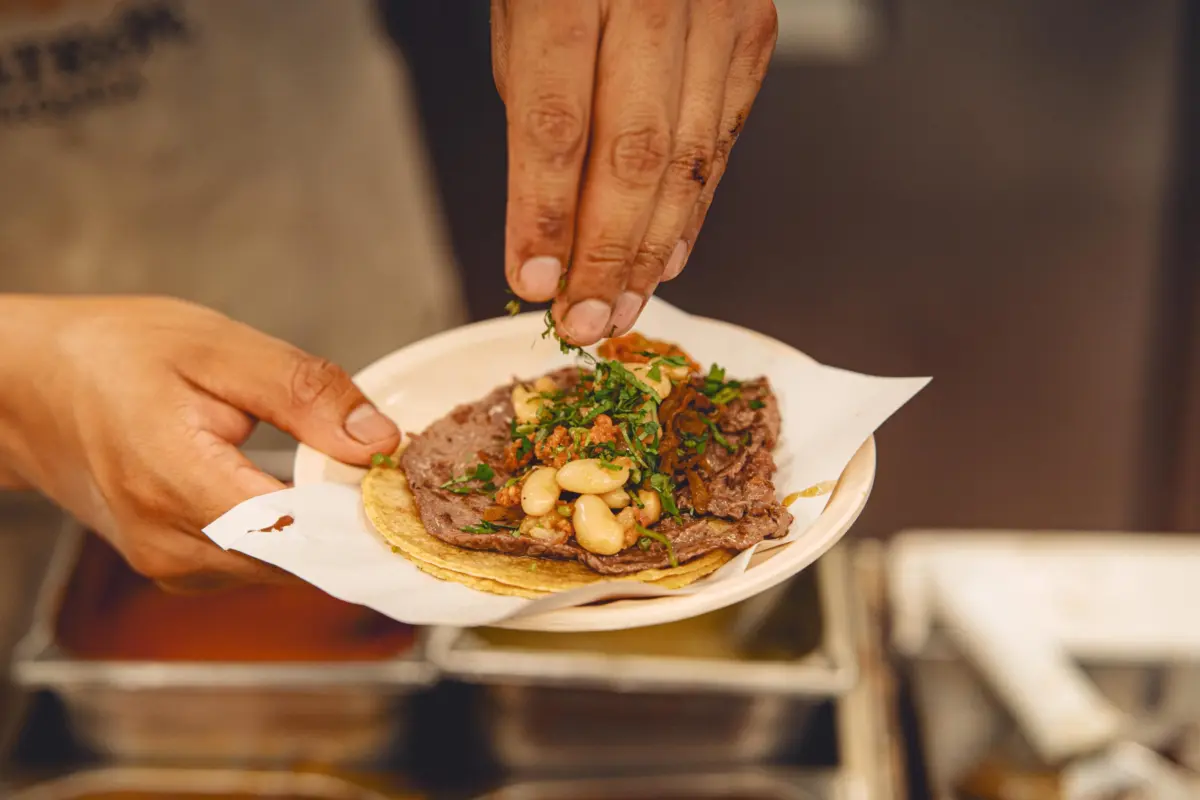
For those looking to explore the historic core of the city, the Centro Histórico offers an array of compelling dining destinations. A guided taco crawl through downtown provides a rapid-fire overview of the city’s street food culture, making it an accessible option for first-time visitors seeking to navigate the bustling metropolis. Nearby, perched on a rooftop behind the Metropolitan Cathedral, Charco has established itself as a premier destination in the neighborhood. Led by chef Ricardo Verdejo, the restaurant offers an unpretentious, casual dining experience with solid service and standout dishes ranging from farmer’s market crudite with gorgonzola dip to grilled catch of the day with peas and fresh fava beans.

The Juarez neighborhood has similarly emerged as a focal point for innovative culinary and beverage projects. Taverna occupies a meticulously restored 1906 townhouse on General Prim Street, offering a candlelit, Mediterranean-inspired dining experience focused on smoke and fire-cooked dishes. Nearby, El Minutito channels European coffee culture by morning before transitioning into an intimate wine and cocktail bar after dark, intentionally omitting laptop seating to foster a social atmosphere. Cananea, the wood-paneled bar housed within the Posada Viena hotel, has been revived by Baja chef Jair Téllez to offer Northern-inspired bar snacks and classic cocktails in a space retaining its historic red-lit charm and mezzanine pool table. Taller de Ostiones by FISM offers a concise, sustainable seafood menu sourced from Baja California Sur, set within a secluded patio featuring an open kitchen.

In Roma Norte and its surrounding areas, the emphasis on seafood and specialized dining concepts continues to thrive. Fugaz, led by chef Giuseppe Lacorazza, utilizes seasonal seafood sourced from the massive Mercado de la Viga to craft homey dishes that blend Mexican influences with global flair. Sarde, run by chef Jacob Harth and restaurateur Enrique Lascuráin, draws inspiration from Corsica and Sardinia with a heavily seafood-focused menu that highlights responsible sourcing and an underappreciated wine program. Ultramarinos Demar, the latest project from chef Lucho Martínez, delivers a cosmopolitan seafood experience ranging from zarandeado fish to lobster rolls, accompanied by polished European-style table service.

The city’s thriving cocktail culture is equally prominent, with venues like La Vista offering approachable yet complex drinks in a hi-fi bar setting. Lotti, chef Luc Liebster’s first solo project located in a 1915 Porfirian-period mansion on Colima Street, intersects Swiss culinary heritage with Mexican ingredients, offering meticulously executed dishes such as brioche with Parmesan cream and watermelon carpaccio. Bar Mauro centers its cocktail program on the Italian aperitif tradition, earning recognition on North America’s 50 Best Bars list. The Lamb, inspired by the English countryside, brings wild game, organic produce, and British pub classics to Roma Norte under the direction of Poppy Powell and Federico Patiño.

Further expanding the city’s global reach, venues like Jowong in Condesa reflect the blossoming Korean community in Mexico City, offering traditional Korean feasts and minimalist dishes. Magazzino provides an intimate counter-experience with a six-seat chef’s table alongside an outdoor Mexican-Italian menu. Meanwhile, high-end tasting menus find a new standard in Xuna, where Michelin-starred chef Jonatan Gómez León brings a refined exploration of Mexico’s ancient culinary heritage and regional cuisines to the capital.

As these diverse establishments continue to shape the rhythm of Mexico City, the culinary scene remains an elastic and ever-changing reflection of its people, history, and international ambitions. From neighborhood taquerias serving charcoal-grilled meats to ambitious fine-dining tasting menus and experimental cocktail laboratories, the city’s gastronomic identity is continuously redefined by those who cook, serve, and gather within its borders.