
Tokyo’s culinary identity is built upon the concept of shokunin—artisans who devote their entire lives to mastering a single skill to the point of obsession. Whether it is calculating the optimal oil temperature for delicate tempura, achieving the exact texture and seasoning for sushi rice, or perfecting the sear on grilled unagi, these chefs obsess over microscopic details. This long-term, generational commitment separates Tokyo from other major dining capitals around the world. It has fostered a deep sense of continuity within the city’s restaurant scene, allowing centuries-old establishments specializing in sushi, tempura, unagi, soba, and sukiyaki to thrive alongside cutting-edge modern kitchens. While Tokyo is notorious for high-profile dining rooms that are virtually impossible to access without a personal introduction from a regular, visitors and locals alike will find an astonishing wealth of exceptional options across this massive, ever-evolving metropolis.

Curated by local food writer, sommelier, and shochu advisor Yukari Sakamoto—author of Food Sake Tokyo—the city’s premier dining guide is updated quarterly to ensure it accurately reflects Tokyo’s dynamic and fast-paced restaurant landscape. The selections feature practical insider tips along with a broad pricing range: $ denotes affordable, casual meals with most dishes priced under $10 or the local yen equivalent, while $$$$ indicates high-end establishments where entrees comfortably exceed $30.

The October updates to the map introduce several notable additions, reflecting the breadth of Tokyo’s modern gastronomy. Among them, a master at Tea Bar Chokeikyo is redefining traditional, modern, and cocktail-based tea preparations. The city’s handroll sushi scene reaches new heights with a dedicated counter featuring legendary nori sourced from the revered 1849 shop Yamamoto Noriten. At the esteemed French destination Sèzanne, a new chef has taken the helm while maintaining its world-class standards, and the Bulgari Bar adds yet another top-tier pizzeria to a metropolis already spoiled with exceptional pie-makers.

A Diverse Tapestry of Neighborhood Gems and Iconic Institutions
The city’s diverse neighborhoods offer drastically different culinary experiences, ranging from quiet, residential backstreets to soaring hotel dining rooms with panoramic views.

In the spacious warehouse district of Koffee Mameya Kakeru, patrons experience multi-course coffee flights featuring pour-overs, espressos, lattes, and sophisticated mocktails, all highlighting distinct expressions of a single bean. Knowledgeable baristas dressed in white lab coats and bowties guide guests through the offerings, while evening hours bring spiked coffee cocktails to the limestone counter.

Down in the Kiyosumi Shirakawa neighborhood, Tanikoretani offers a vegetable-forward izakaya experience created by former New York City architect Shinji Mizutani and his brother, Tomoji. Diners can enjoy inventive plates such as mizu nasu eggplant sashimi, mountain vegetable tempura, and wafu ratatouille alongside traditional izakaya staples like seasonal sashimi and karaage. The restaurant sits just a short walk from Kiyosumi Teien, making it an ideal stop following a late afternoon stroll through the traditional garden.

For a taste of century-old culinary history, Yamariki in the historic Morishita district serves traditional shinise fare. Dating back a hundred years, the restaurant is celebrated for its signature nikomi offal stew, simmered meticulously in Hatcho miso, zarame sugar, red wine, and bouquet garni. Alongside vegetable dishes, rainbow crudités, and traditional yakiton grilled pork skewers featuring cuts like heart, liver, and skirt steak, the kitchen offers a curated wine list alongside classic sake, beer, and shochu.

Street food culture remains vibrant along Tsukishima Monja Street, where dozens of vendors serve monjayaki, a local pan-fried batter dish similar to Osaka’s okonomiyaki. Diners choose fillings like mentaiko, mochi, and cheese, cooking the mixture directly on large iron griddles set into each table.

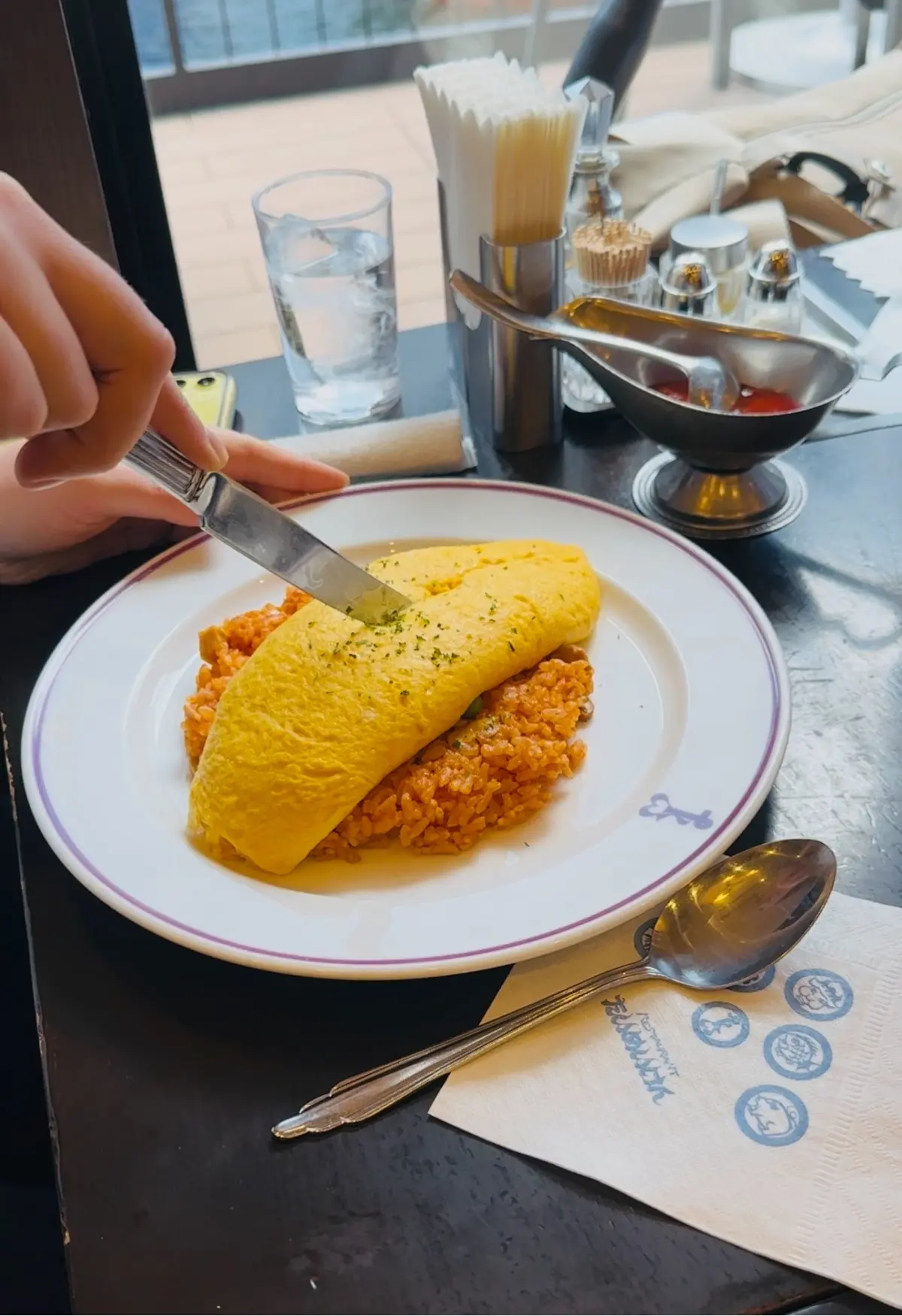
In the historic Nihonbashi district near Tokyo Station, Taimeiken continues to draw crowds seeking classic yoshoku—Western-influenced dishes adapted to the Japanese palate. The restaurant serves the famous omurice developed for Juzo Itami’s classic film Tampopo, featuring a soft omelet draped over ketchup-fried rice. Meanwhile, at the historic nori specialist Yamamoto Noriten, a newly opened hidden counter behind a traditional noren curtain offers DIY temaki handrolls curated by Iron Chef Kimio Nonaga, utilizing fresh charcoal to warm premium sheets of seaweed.

Elevating Haute Cuisine and Traditional Flavors
For high-end dining, the 40th floor of the Bvlgari Hotel Tokyo houses Il Ristorante – Niko Romito, where chef Mauro Aloisio presents modern Italian cuisine featuring seasonal seafood and slow-braised wagyu beef tongue. Diners seeking a more casual experience can ascend to the 45th floor Bulgari Bar for artisanal pizzas crafted by Pier Daniel Seu.

At the Four Seasons Hotel Tokyo at Marunouchi, chef Steve Lancaster leads the kitchen at Sèzanne, blending French techniques with Japanese pantry staples and seasonal seafood such as glass shrimp, uni, monkfish liver, and scallops. Similarly, chef Guillaume Bracaval at Est, located within the Four Seasons Hotel Tokyo at Otemachi, sources 95 percent of his ingredients locally for a Michelin-starred contemporary French menu that showcases Japan’s diverse produce.

For travelers embarking on bullet train journeys, Ekibenya Matsuri inside Tokyo Station offers approximately 170 regional ekiben bento boxes sourced from across Japan. Selections range from sashimi-topped rice to self-heating gyutan beef tongue boxes designed for hot meals on the move.

Traditional multi-course hospitality remains alive at venues like Shabusen, which offers individual hot pots for sukiyaki and shabu-shabu with thinly sliced wagyu beef, and Torigin Honten in Ginza, a narrow-alley specialist focused on charcoal-grilled yakitori and kamameshi rice pots. In Kagurazaka, legendary kaiseki destination Ishikawa offers impeccable multicourse menus crafted by Hideki Ishikawa, whose background in tableware design ensures every dish is a visual and culinary masterpiece.

From the vibrant, multi-concept food halls of Azabudai Hills and Isetan Shinjuku to the serene tea ceremonies at Chokeikyo and the historic kissaten charm of L’ambre, Tokyo’s restaurant scene successfully bridges centuries of tradition with relentless culinary innovation.