
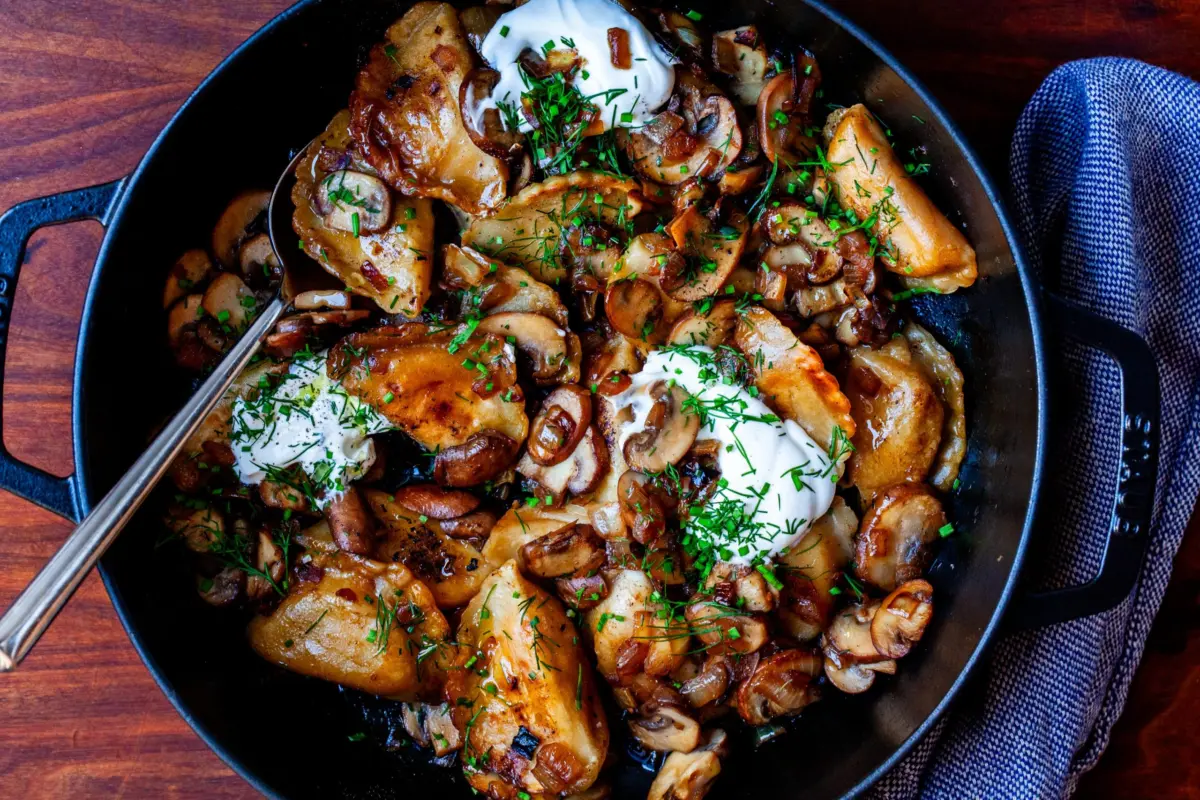
As the autumn season settles in with its deceptively warm days and crisp evenings, the perennial human craving for comforting carbohydrates, deeply caramelized onions, and earthy, rustic vegetables remains entirely unaffected by the weather. Amid the frantic pace of the modern autumn schedule—balancing the pressures of college applications, navigating middle school adjustments, and managing demanding writing projects like upcoming cookbooks—the holy grail of home cooking is a meal that can be executed entirely in a single pan without sacrificing flavor, texture, or culinary joy.
For busy home cooks seeking a rapid yet satisfying solution, a newly popularized weeknight recipe hits every requirement. This innovative approach offers an ingenious inversion of traditional preparation methods. Rather than following the conventional path of boiling pierogi and subsequently sautéing them, this method bypasses the extra step entirely. By building rich layers of flavor directly in the skillet first—starting with slow-cooked, nearly caramelized onions and garlic-infused mushrooms—the technique then transitions to browning frozen pierogi directly in the pan, utilizing a strategic splash of water to steam them to perfection.

The resulting dish delivers a harmonious balance of textures and flavors. It features dumplings with dough that is simultaneously crisp on the exterior and delightfully chewy, encasing a soft, fluffy potato center. Bathed in buttery, earthy mushrooms and finished with a precise application of cold, tangy elements and fresh herbs, the entire meal comes together in less than thirty minutes. Utilizing inexpensive, accessible ingredients, the recipe requires only a single skillet, a cutting board, a fork, and a knife, minimizing the post-dinner cleanup to an absolute minimum.
A Fresh Approach to Traditional Comfort Food
When shopping for ingredients to execute this rapid weeknight skillet meal, culinary experts recommend seeking out smaller pierogi varieties, which naturally cook much faster within the confined environment of a standard frying pan. While standard pierogi provide a readily available grocery store option, purists and potato enthusiasts often look toward traditional Ukrainian vareniki as an alternative. Vareniki traditionally feature a significantly thinner, more delicate dough and a slightly smaller overall dimension, offering a subtly different mouthfeel while maintaining the beloved potato-and-dough pairing.

The execution of the dish relies on a careful sequencing of ingredients within a large, deep skillet, preferably one equipped with a tight-fitting lid. The process begins on the stovetop over medium-high heat, where butter and a measured splash of olive oil are brought to temperature. Freshly sliced onions are introduced to the pan, seasoned with salt and pepper, and allowed to soften and turn golden around the edges over the course of about five minutes. Minced garlic is then stirred in, releasing its aromatic compounds during a brief one-minute window before the mushrooms are added.
Once the mushrooms enter the skillet, they are seasoned with additional salt and pepper and left completely undisturbed. This crucial pause allows the fungi to develop a deeply savory, browned crust underneath over a span of four to five minutes. After the initial sear, the mixture is stirred continuously until any moisture naturally released by the mushrooms has completely evaporated. At this stage, the onions and mushrooms are temporarily transferred to a resting plate, bowl, or cutting board to clear the cooking surface for the star of the dish.

Streamlining the Cooking Process for Maximum Efficiency
With the vegetables resting, the pan is prepared for the frozen dumplings. An additional tablespoon of oil is warmed in the skillet before the frozen pierogi are arranged in a single, even layer. Left undisturbed, they develop a golden-brown crust on their bottom surface within roughly five minutes, at which point each individual piece is carefully flipped.
The transformative moment of the recipe arrives with the addition of water to the hot pan. Because the water instantly reacts with the hot oil and metal, it produces a sudden burst of steam, requiring a swift covering of the lid and a reduction of the burner heat to medium. This steam-cooking phase takes between five and eight minutes, during which the dense, frozen potato centers are heated thoroughly. Cooks are advised to check the pan partway through to ensure the liquid has not evaporated prematurely, adding a few tablespoons of water if necessary to maintain the steaming environment.

Once a test pierogi confirms that the interior is piping hot and fully cooked, the preparation moves rapidly to its final assembly phase. The reserved mushrooms and onions are returned to the skillet, mingling with the hot pierogi and absorbing the remaining pan juices. The heat is immediately turned off, allowing the residual warmth to gently reheat the vegetables without overcooking them.
The Finishing Touches: Acidity, Freshness, and Dairy
The final composition of the skillet relies heavily on contrasting temperatures and flavor profiles to elevate the humble frozen dumpling into a sophisticated weeknight masterpiece. Immediately upon removing the pan from the heat source, a splash of high-acidity white vinegar is drizzled across the contents, providing a sharp, bright contrast to the rich, buttery fats of the dish. The use of white vinegar as a dynamic finishing element has long been championed by culinary writers who emphasize its ability to cut through heavy starches and elevate simple ingredients.

Following the acidic drizzle, generous dollops of cold sour cream are distributed across the warm surface, introducing a creamy, cooling element that contrasts sharply with the steamy heat of the pierogi and mushrooms. A generous handful of freshly chopped dill and chives is scattered over the top, injecting vibrant green color and herbaceous brightness into the rustic skillet.
Brought directly to the table in the vessel it was cooked in, the dish invites an informal, communal style of dining that emphasizes ease, efficiency, and unpretentious comfort. By merging the convenience of frozen convenience foods with artisanal flavor pairings, the method demonstrates that time constraints need not preclude a satisfying, well-rounded home-cooked meal. The approach joins a growing repertoire of streamlined, single-pan innovations designed to alleviate the pressures of modern domestic life while delivering maximum culinary reward with minimal effort.