
When welcoming a new kitten—or perhaps a pair of them—into a home, prospective pet owners often focus on preparations like buying scratching posts, choosing the right food, and setting up litter boxes. However, animal behavior experts and researchers emphasize that one of the most critical steps happens long before the adoption day arrives. Asking targeted questions about a kitten’s early life at a breeder, rescue organization, or animal shelter can make a profound difference in the animal’s behavioral development, ultimately setting the stage for a harmonious life with its human companions.
The foundation of a cat’s temperament is laid down during a remarkably brief and vital window known as the sensitive period for socialization, which occurs roughly between the ages of two and seven to nine weeks. During this developmental phase, a kitten’s brain undergoes rapid growth. Exposure to a wide, diverse range of positive experiences during this window helps shape the animal into a friendly, confident, and well-adjusted adult cat. Because ethical standards and health protocols dictate that kittens should remain with their mothers and littermates until they are at least eight weeks old—and research increasingly suggests that staying together slightly longer is even better—adopters rarely witness this crucial phase firsthand. Consequently, gathering detailed information about a potential pet’s early environment and experiences becomes an essential task for anyone looking to adopt.
Whoever is entrusted with raising kittens during these formative weeks carries a significant responsibility. Caregivers must actively ensure that young felines receive abundant, positive exposure to the various people, animals, and environmental stimuli they will encounter later in life. Interactions with new human visitors during this early stage are particularly vital for teaching kittens to view people as safe and comforting rather than threatening. Prospective owners should explicitly check whether the kitten has had regular opportunities to meet diverse human visitors as well as other household animals.
The scientific literature underscores that the effects of this early socialization are remarkably long-lasting. Studies by researchers such as Casey and Bradshaw in 2008, as well as more recent findings by Turner in 2021, demonstrate that kittens who receive adequate socialization during their sensitive period spend significantly more time in close proximity to people when they reach one year of age. Furthermore, these well-socialized cats find it much easier to learn to trust unfamiliar people later in life, reducing fear-based behaviors and aggression in multi-visitor households.
Beyond human contact, the physical environment in which kittens are raised plays an equally pivotal role. Experts advise ensuring that kittens are raised inside a typical household environment rather than isolated spaces like a garden shed. Living in a home exposes them naturally to everyday household sounds, from the hum of a vacuum cleaner to the chatter of television programs and the opening of doors. Animal shelters and rescue organizations frequently utilize foster homes to provide this vital domestic setting. Even when operational constraints force shelters to raise litters within a shelter facility itself, conscientious organizations take deliberate steps to habituate the kittens to standard ambient sounds, such as the whirring of a washing machine, to prevent future noise phobias.
Another critical area of inquiry involves meeting the kitten’s mother and assessing her temperament. An observant adopter should check whether the mother cat is friendly and relaxed around people, as maternal behavior heavily influences offspring development. While meeting the father of a kitten is rarely possible in shelter or rescue environments, it is often feasible when dealing with pedigree kittens from specialized breeders. In such cases, checking that the sire is equally friendly and sociable provides additional reassurance regarding the kitten’s genetic predispositions.
Health and stress management are equally intertwined during these early weeks. Prospective owners must verify that both the mother and the kittens are in robust health. Because chronic stress can severely compromise an animal’s physiological health and impede its behavioral development, checking that the litter was raised in a calm, relaxed environment is just as important as verifying vaccination records. A stressed mother can pass behavioral vulnerabilities to her kittens, making a peaceful rearing environment a prerequisite for long-term feline wellness.
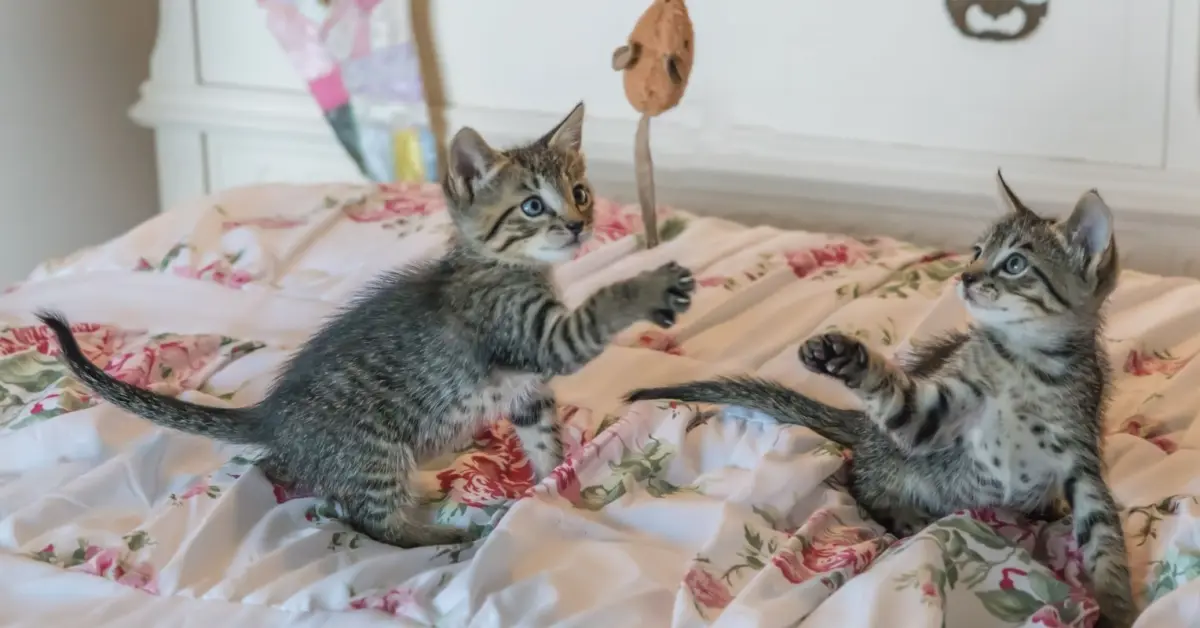
The recommendation to adopt more than one cat stems directly from these behavioral insights. Animal experts frequently advocate for getting a kitten "or two" because having a companion of the same species offers immense developmental benefits. Kitten play peaks precisely during the weeks immediately following their transition to a new home, typically up until about fourteen weeks of age. During this time, bonded pairs spend hours chasing, wrestling, and stalking one another.
This play is far from mere entertainment; it serves a crucial developmental function. Through active play with littermates, kittens practice essential motor control, refine predatory behaviors, and learn vital social boundaries, such as bite inhibition. Moreover, acquiring a bonded pair from the start circumvents the complex behavioral challenges that often arise when an owner attempts to introduce an unrelated adult cat into the household at a later date.
Once the transition to a new home occurs, human guardians assume the responsibility of building upon those early positive experiences. A central tenet of modern cat care is offering kittens a genuine choice in whether or not to interact with people and objects. Because kittens are exceptionally small and undeniably cute, well-meaning humans frequently subject them to relentless handling, regardless of the animal’s immediate comfort level. Experts urge owners to pay close attention to feline body language for subtle warning signs of discomfort—such as flattened ears, tail twitching, or sudden stillness—and to avoid forcing physical interactions.
The period immediately following adoption also presents an ideal opportunity to gently habituate the kitten to necessary handling routines they will face throughout their life, including coat brushing, teeth cleaning, and having their paws manipulated for nail trims. However, these sessions must be kept brief and broken down into manageable, highly positive steps. Rather than suddenly attempting to brush a kitten’s teeth, a patient owner should introduce the toothbrush, the pet-safe toothpaste, and the sensation of mouth handling as separate, low-stress experiences before combining them.
Incorporating treats, playful interactions, and gentle petting ensures these grooming rituals remain positive experiences rather than sources of anxiety. Forcing a kitten into uncomfortable situations carries a severe risk of instilling lasting fear, and because early traumatic experiences can cast a long shadow over a cat’s adult life, maintaining a relaxed, pleasant environment is paramount.
For owners seeking additional guidance, community resources such as kitten kindergarten classes offer valuable learning opportunities for both the pet and the human. While these specialized classes are growing in popularity, finding a local program can sometimes prove challenging. When formal classes are unavailable, taking the initiative to study cat behavior through reliable scientific sources, veterinary literature, and established animal welfare guidelines can empower owners to better understand their pet’s unique needs. By cultivating this knowledge, human companions can foster a trusting, deeply rewarding relationship that ensures a happy, healthy life for their feline family members over the years to come.