
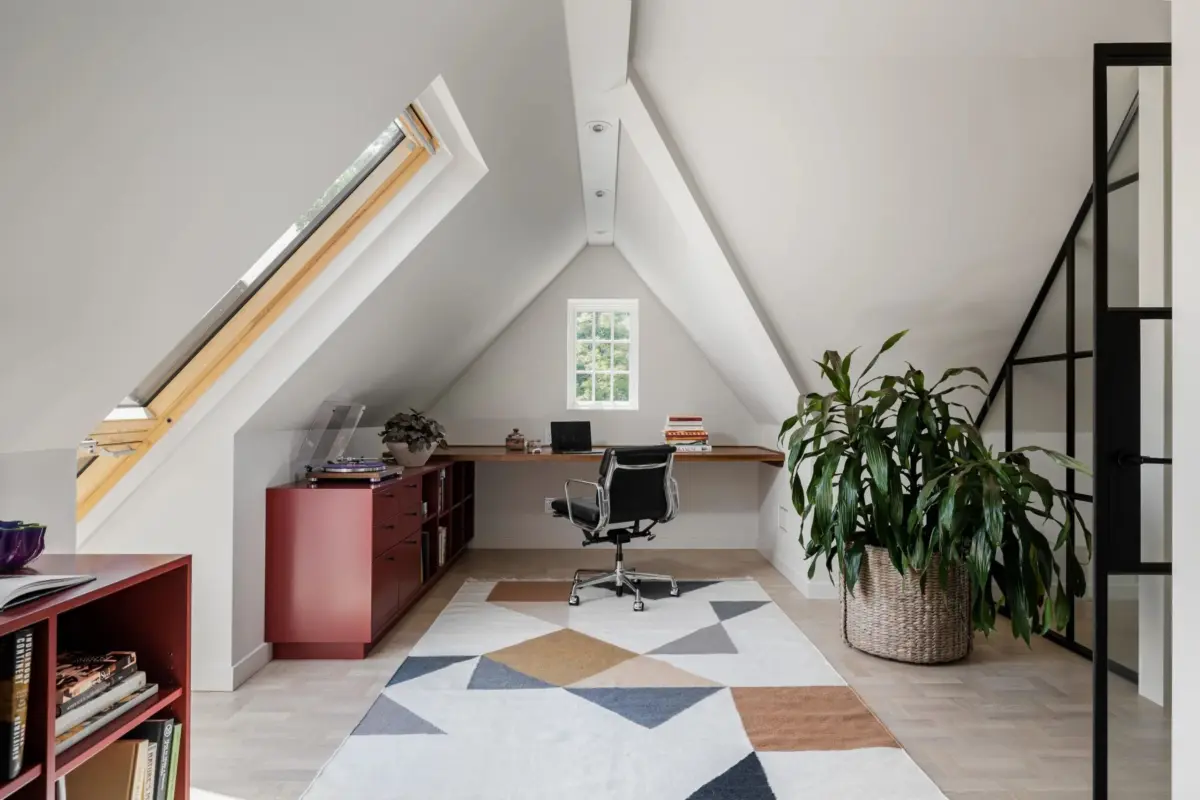
For decades, the standard vertical filing cabinet remained a staple of the 20th-century corporate office, where uniformity was the ultimate goal. Rows of identical gray or beige metal cabinets signaled organization and efficiency in a traditional workspace. However, when brought into the home, this exact piece of office furniture faces an entirely different set of expectations. Today, a filing cabinet must do double duty: it might sit directly beside a living room sofa, slide neatly under a minimalist desk in a compact studio apartment, or stand in as a sophisticated bedside nightstand. In a residential setting, it needs to look intentional and aesthetic, far removed from the sterile, corporate environments of the past.

This shift in how we live and work has forced furniture designers to rethink the category entirely. Modern home offices require storage solutions that integrate seamlessly with living spaces rather than disrupting them. As a result, contemporary filing cabinets are being designed with home aesthetics in mind, utilizing vibrant color palettes, rich wood veneers, and innovative configurations. Some feature metal constructions in bold colors that no traditional office manager would ever sign off on, while others lean into fine woodworking to blend effortlessly with existing home furnishings. A select few have even achieved design-icon status, cleverly doubling as functional art pieces that happen to hold important documents.

Before investing in a new piece, interior designers and home office organizers suggest evaluating a few key practical features. Buyers should consider whether the drawers are built to accommodate legal-size files or if they are strictly limited to letter-size folders. Security is another vital factor, particularly for households that require a locking filing cabinet to safely store sensitive items like passports, birth certificates, and tax returns. Additionally, checking for smooth-gliding casters can determine how easily the unit can be pulled out from beneath a desk or repositioned during a room layout redesign.

Among the standout options leading this aesthetic revolution is the Branch Small Filing Cabinet. Known for crafting streamlined, unfussy ergonomic office chairs, the brand brings the same design sensibility to its storage solutions. Measuring 20 inches tall and roughly a foot wide, this compact unit is engineered to slide effortlessly under most standard desks or tuck away into narrow gaps beside bookshelves. Weighing in at 22 pounds and equipped with smooth-glide wheels, it offers remarkable mobility for anyone who frequently updates their room layout. Its smooth-coated finish is a significant departure from the ribbed metal cabinets of the 1970s office, with soft colorways like sage providing a gentle accent to brighten up a workspace.

For those looking for a true design statement, the Herman Miller OE1 Trolley—designed by the London-based studio Industrial Facility—borrows its sleek silhouette from the traditional bar cart. Featuring a slim, powder-coated steel frame set on casters and topped with a rimmed tray that keeps desktop items securely in place, it transitions smoothly from the desk to the lounge area. The key distinction lies just beneath the surface, where a tilting compartment opens to reveal dedicated slots for folders and stationery rather than bottles of wine and glassware.

Wood enthusiasts seeking a warmer aesthetic often turn to pieces like the Article Fantol File Cabinet. Standing at 23 inches tall, this petite wooden option is designed to slip under low-profile desks while presenting the appearance of high-end residential furniture rather than office equipment. The natural oak finish coordinates easily with the dark wood, midcentury-inspired pieces common in contemporary home offices. Furthermore, its sturdy top surface is spacious enough to serve as a compact printer stand, making it a functional and visually appealing addition to a living room workspace.

Budget-conscious buyers are also finding elevated options that reject the traditional corporate beige palette. Laura Davidson Furniture’s Stockpile cabinet offers more than ten distinct color options, ranging from vibrant oranges and cobalt blues to versatile ivories that pair well with natural wood interiors. Its narrow footprint allows it to squeeze into tight architectural nooks, while soft-closing drawers ensure that the unit operates quietly—an essential feature for home offices that double as bedrooms or sit adjacent to sleeping areas.

For a more permanent desk companion, the West Elm Cutler File Cabinet delivers exceptional durability through a solid mahogany frame wrapped in an oak or walnut veneer. Certified with a contract-grade rating—the same stringent standard West Elm uses for hospitality and commercial projects—it is built to withstand heavy daily use. Sized at 16 inches wide, it pairs seamlessly with matching Cutler desks to establish a cohesive and professional home office suite.

Pushing the boundaries of conventional drawer mechanics, the Konstantin Grcic-designed 360 Degree Container for Magis eliminates the traditional drawer pull entirely. Instead of sliding forward, its five distinct trays pivot outward on an aluminum spine, creating a striking sculptural silhouette when left partially open. While the shallow trays are better suited for general supplies rather than hanging files, the piece offers a uniquely artistic way to retrieve everyday items.

At the higher end of the design spectrum, the USM Haller File Credenza draws upon a modular steel system established in 1961 by architect Fritz Haller, whose original designs are now housed in the Museum of Modern Art’s permanent collection. Featuring drop-down doors on top and dual file drawers below, every compartment secures with a clever coin-turn lock, paying homage to the manufacturer’s origins in hardware. This level of security is rarely found in residential furniture, making it a sophisticated choice for dining rooms or living spaces where paperwork needs to be discreetly stored.

Similarly, the MoMA 5-Drawer Pivot Cabinet, manufactured in Italy and distributed through the MoMA Design Store, stacks five candy-colored drawers within a powder-coated steel finish. Its pivoting mechanism and narrow proportions allow it to function equally well as a bedside nightstand or a vibrant storage unit capable of holding its own alongside contemporary art.

Finally, mixed-material designs like the West Elm Tandem Filing Cabinet combine an oak-veneer case with a robust steel frame. Equipped with casters for easy mobility, it bridges the gap between a mobile file cabinet and a traditional dresser. Finished in clean tones like Alabaster White, these modern storage solutions prove that outfitting a home office no longer requires sacrificing interior design standards.