
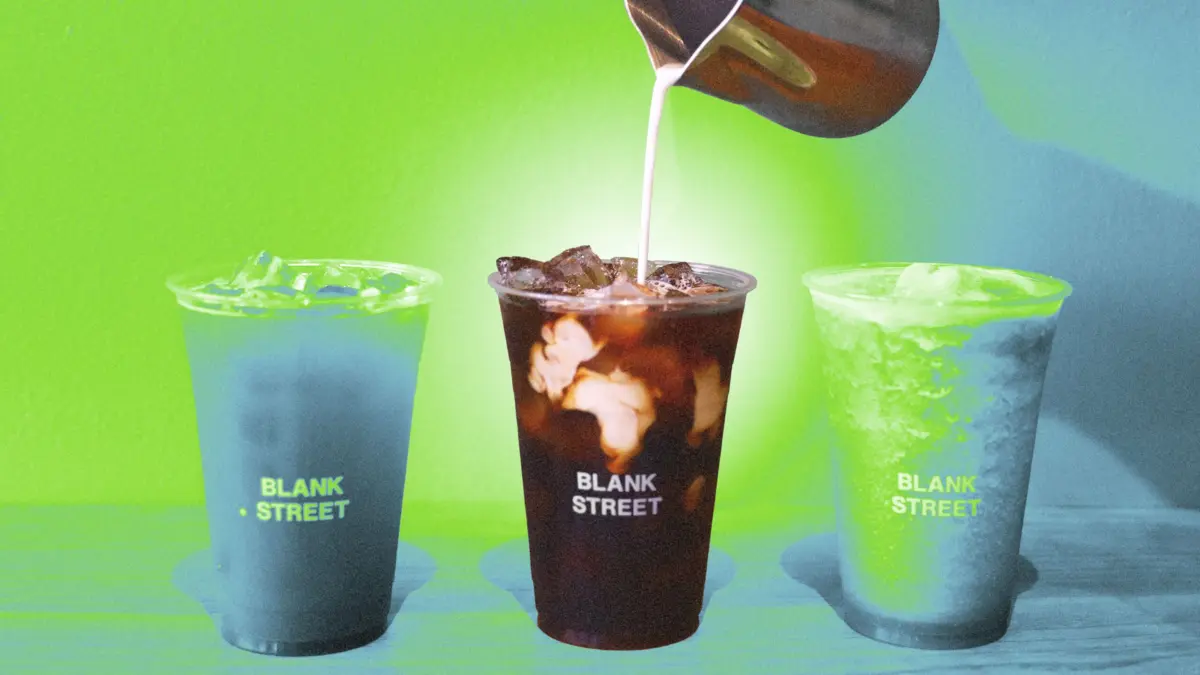
In an era when everyone totes water bottles from the gym, to breakfast meetings, to the office, and then to dinner, the lines of personal beverage etiquette have blurred significantly. Hydration is constant, public, and portable, transforming how people move through daily life. Carrying a beverage is no longer an occasional indulgence or a functional necessity reserved for long road trips; it is an extension of modern personal style and wellness culture. Yet, this omnipresence of personal drinkware has created unexpected friction points when traditional professional settings collide with contemporary habits.
Is it rude to bring your own alt-milk to a coffee shop? (Eh, probably not.) Should you bring a batched cocktail to a funeral? (Strictly depends on the funeral and the deceased’s final wishes.) Can you smuggle an entire liter of Diet Coke into a 10 a.m. showing of Practical Magic 2? (Yes, but it might prompt a quiet moment of reflection regarding whether everything is going okay at home.)
Now, a new dilemma has captured the attention of the internet, dividing corporate recruiters, career coaches, and job seekers alike: Is it okay to bring an iced coffee to a job interview?
This discourse wildfire was first sparked by a viral TikTok post from Caitlin Wehniainen, a recruiter with 16 years of experience who deals primarily with Fortune 500 companies and super buttoned-up operations, as she describes her professional environment. In her video, Wehniainen argued that the Gen Z candidates she frequently sees arriving at high-stakes job interviews with an iced coffee in hand appear unprofessional.
When you show up with an iced coffee or an iced latte, Wehniainen explains in the video, it creates a subtle visual impression that this crucial career opportunity is just another casual stop on your list of errands for the day. According to her perspective, walking into a corporate office cradling a clear plastic cup filled with a cold, blended, or dairy-laden beverage signals a lack of situational awareness and an overly relaxed attitude toward an environment that traditionally demands formal deference. In her view, it looks too casual, and it can inadvertently make a bad first impression on hiring managers who still hold traditional expectations of interview decorum.
Predictably, the comments section on the platform popped off, as internet culture colloquially phrases it, igniting a fierce debate across social media networks.
An interview is just a stop on my day, some commenters argued indignantly, pushing back against the idea that job seekers should radically alter their daily comfort for an evaluation that may or may not lead to an employment offer. Other respondents bemoaned what they perceived as deeply outdated and inherently unfair rules of perception and professionalism, arguing that corporate gatekeepers are placing undue importance on superficial details rather than a candidate’s actual qualifications, skills, and readiness to perform the job.
The conversation quickly spilled over onto other platforms, amplifying the cultural divide. On Threads, of all places, one commenter called the anti-iced-coffee stance ableist, pointing to various health conditions that can cause chronic dehydration or necessitate constant fluid intake throughout the day, transforming what appears to be a lifestyle accessory into a medical necessity for some individuals.
As the debate continued to gain traction, career coach Erin McGoff weighed in on the controversy, offering a more nuanced perspective on how different employers might view the situation. In an email interview, McGoff explained that bringing an iced coffee to a formal interview might indeed be perceived as a red flag by some old-school recruiters and hiring managers, while other, more modern or progressive employers might not give it a second thought or care at all.
The division highlights a broader generational and cultural shift in workplace norms. Younger generations prioritize comfort, authenticity, and integration of personal habits into professional spaces, while many traditional corporate environments still view rigid adherence to formal decorum as a sign of respect and seriousness.
Naturally, this raises the question of whether there is some other beverage that might be considered more interview-appropriate if a candidate feels they genuinely need a pick-me-up. Could it be a sophisticated shakerato or perhaps a frosty iced horchata latte? McGoff suggests that there is not a drink in the world that a candidate should need to bring into a job interview. However, she acknowledges that if a candidate simply cannot resist the urge to have a beverage on hand, they should at least approach the presentation strategically.
Instead of carrying a jangly, single-use plastic take-out cup emblazoned with a coffee shop logo and filled with melting ice cubes, she advises bringing your drink in a low-key, professional container. A sleek, black Yeti thermos or an insulated stainless steel tumbler looks far more intentional, minimizes distracting sounds and condensation rings, and blends seamlessly into a professional environment.
Ultimately, McGoff notes, the controversy is much less about the coffee itself and much more about the overarching image and subtext you are projecting to your future employers during a high-stakes interaction.
People aren’t really debating coffee, McGoff says, pointing to the deeper anxieties underlying the viral moment. They’re debating the unspoken dynamic we accept between candidates and employers. Do these secret rules exist? Yes. If you don’t know them or choose to ignore them, do you get penalized? Also yes. Is that fair? Nope.
As the modern workplace continues to evolve and negotiate the boundaries between individual comfort and traditional corporate expectations, the iced coffee debate serves as a miniature battleground for larger questions about professional identity, fairness, and the unwritten rules that govern how we present ourselves to the world.