
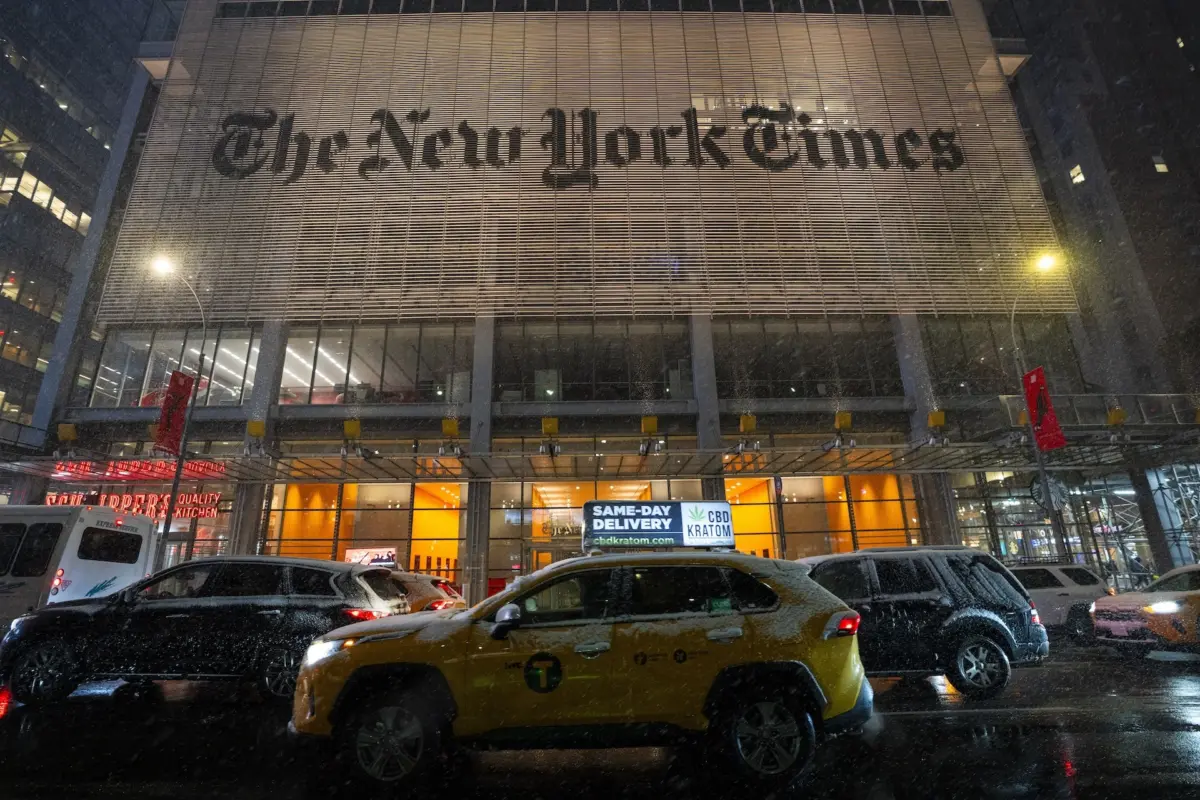
Letterboxd, often described by digital media analysts and film buffs alike as the Goodreads for movies, has cultivated a fiercely loyal and rapidly expanding user base over the past several years. The platform allows cinephiles to catalog films they have watched, write and share reviews, rate movies on a five-star scale, maintain customized watchlists, and interact with a global community of like-minded individuals. In an era where traditional social media networks have faced increasing fragmentation and user fatigue, Letterboxd has managed to thrive by offering a dedicated, passion-driven digital ecosystem centered entirely around the love of cinema.
The platform’s growth trajectory in recent years has been nothing short of remarkable. According to company metrics and public reporting, Letterboxd reported having approximately 3 million registered users in January 2021. That number experienced an exponential surge, climbing to 28 million users by April of this year. Crucially for media companies and advertisers seeking younger demographics, more than half of Letterboxd’s active user base is under the age of 35, representing a highly coveted, digitally native audience that increasingly consumes entertainment and culture through niche online communities rather than traditional broadcast channels.
Speculation regarding a potential sale of the platform had been circulating within the media and tech industries for some time. It was previously reported earlier this year that Letterboxd was actively exploring strategic options and seeking a new owner to help fund its next phase of growth and scale its operations. During the competitive bidding process leading up to the current exclusive talks, several heavyweights from the entertainment and media sectors expressed interest in acquiring the platform. Industry reports indicated that prominent independent film studio and distributor A24, as well as tech and entertainment giant Sony, evaluated potential bids. However, A24 was ultimately priced out of the running as the valuation demands climbed, leaving the path clear for deep-pocketed suitors like The New York Times Company to make their move.
From a financial perspective, the proposed $330 million acquisition price tag reflects a significant valuation multiple relative to the platform’s current revenue generation. While Letterboxd is fundamentally a free service for its standard users, it operates on a freemium business model that offers advanced tracking features, personalized statistics, and customization options through paid subscription tiers. Projected earnings for the platform this year are estimated to reach approximately $15 million. Interestingly, this projected annual revenue figures out to only about 4.5 percent of the massive $330 million sum that The New York Times Company is reportedly offering to acquire the company, underscoring the immense value that the media conglomerate places on user engagement, cultural influence, and data assets rather than immediate short-term yield.
When approached for comment regarding the ongoing acquisition talks, representatives for The New York Times Company declined to comment to its own newsroom reporters. The publication of the exclusive negotiation report by the paper of record, despite the corporate entity’s official silence, has fueled widespread industry speculation. Media observers have noted that given the sensitive nature of exclusive acquisition talks, the information may have originated from sources close to the negotiations, leading many industry analysts to treat the report with a high degree of seriousness.
If finalized, the acquisition would mark a fascinating crossover between traditional journalism, digital media publishing, and specialized social networking. As media companies continually search for innovative ways to engage younger audiences, build sustainable digital communities, and diversify their revenue streams beyond traditional subscriptions and advertising, integrating a cultural touchstone like Letterboxd could provide The New York Times Company with unprecedented reach into the global film community. For now, both companies remain tight-lipped as negotiations progress toward a potential final agreement.