
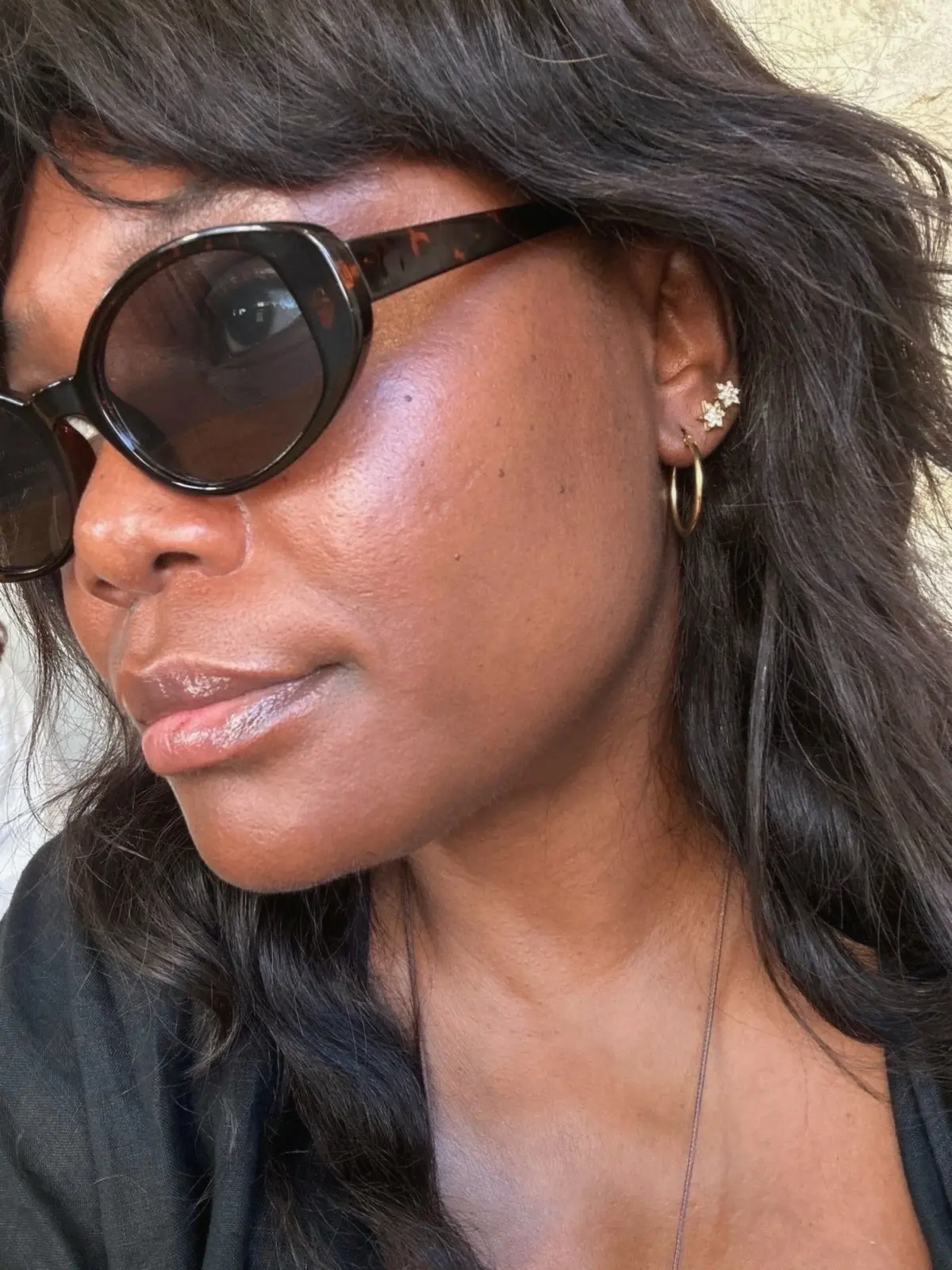
We all know someone with that particular kind of hair colour that always looks expensive, and yet never as though they’ve spent hours in the salon achieving it. Think beautifully blended tones, soft dimension, and a finish that looks so natural, you’d almost assume they were born with it. Of course, some lucky people are, but this season, a major shift in beauty is underway as a more understated aesthetic begins to crop up everywhere. It is a clear sign that hair trends are starting to move away from looks that are obviously coloured and towards shades that feel more personal, subtle, and crucially, a little less done.
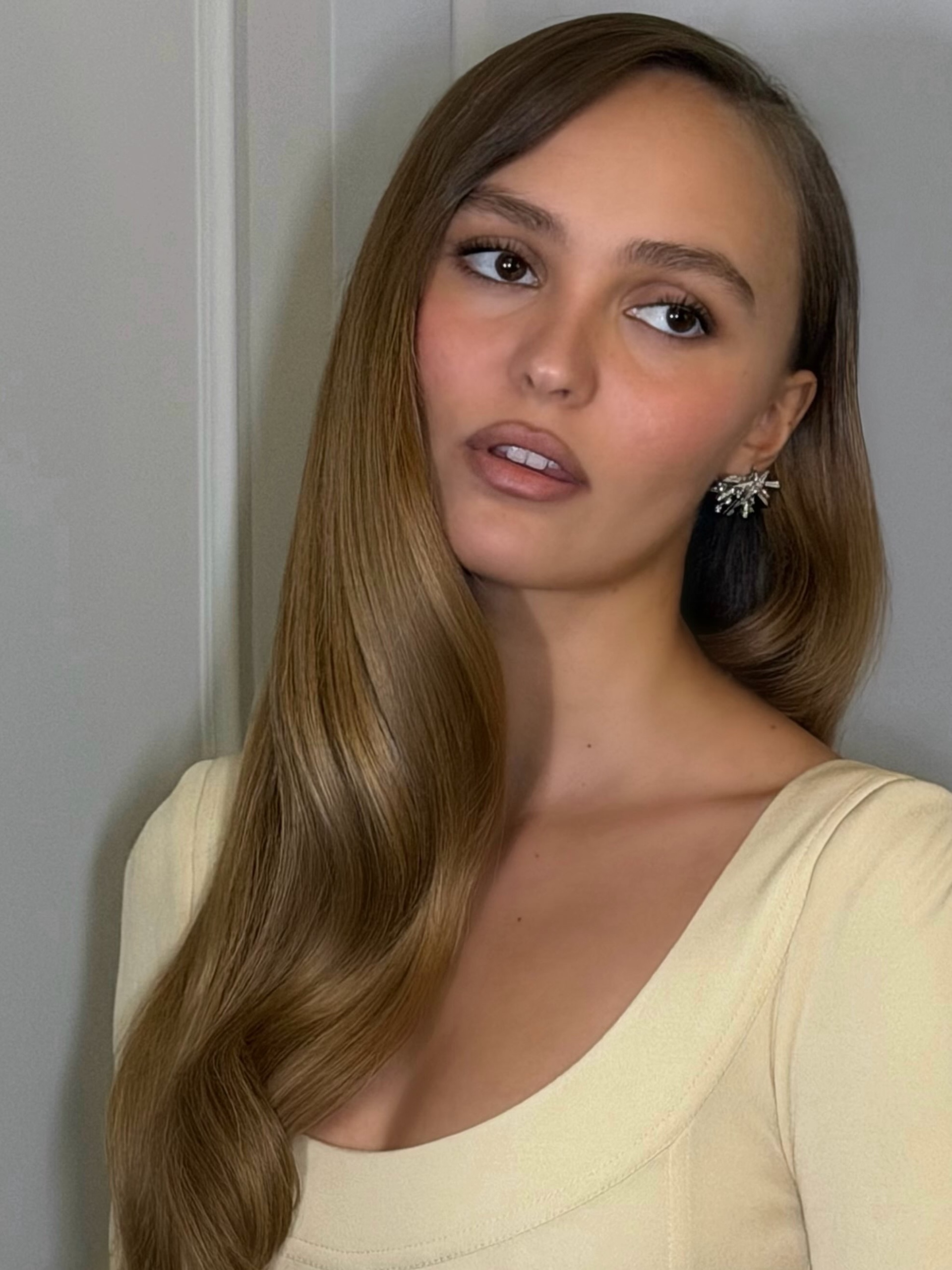
For years, honeyed balayage, high-contrast highlights, and carefully placed ribbons of brightness have dominated salon mood boards. But as the nonchalant-girl aesthetic continues to gain momentum across the fashion and beauty industries, a growing question is being asked in salons worldwide: Is there a case for making our hair colour less noticeable? Nude hair is not about stripping colour back completely or settling for a flat, one-dimensional shade. Instead, it is about working intelligently with your natural base, refining the tone, and creating such a seamless blend that the colour itself becomes almost undetectable to the casual observer.
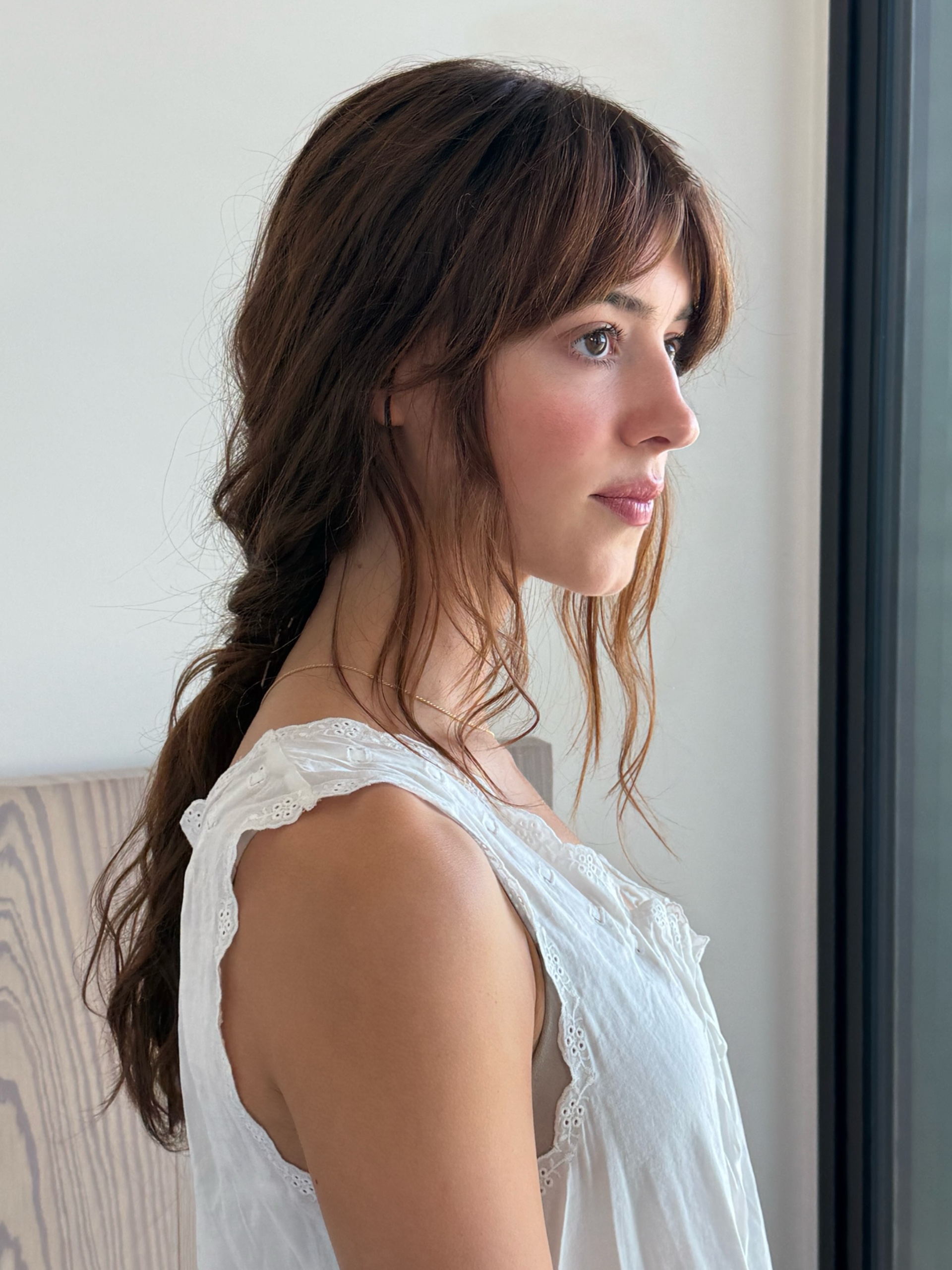
Celebrity hairstylist and Remi Cachet expert Adam Reed describes the approach as taking something familiar and natural and making it feel beautifully elevated. It is a deceptively simple idea, because achieving a colour that looks completely uncoloured often requires a very considered approach to tone, placement, and condition. Whether you are a natural blonde, a brunette, or somewhere in between, the nude hair movement is redefining how people approach seasonal updates.
What Is the Nude Hair Colour Trend?
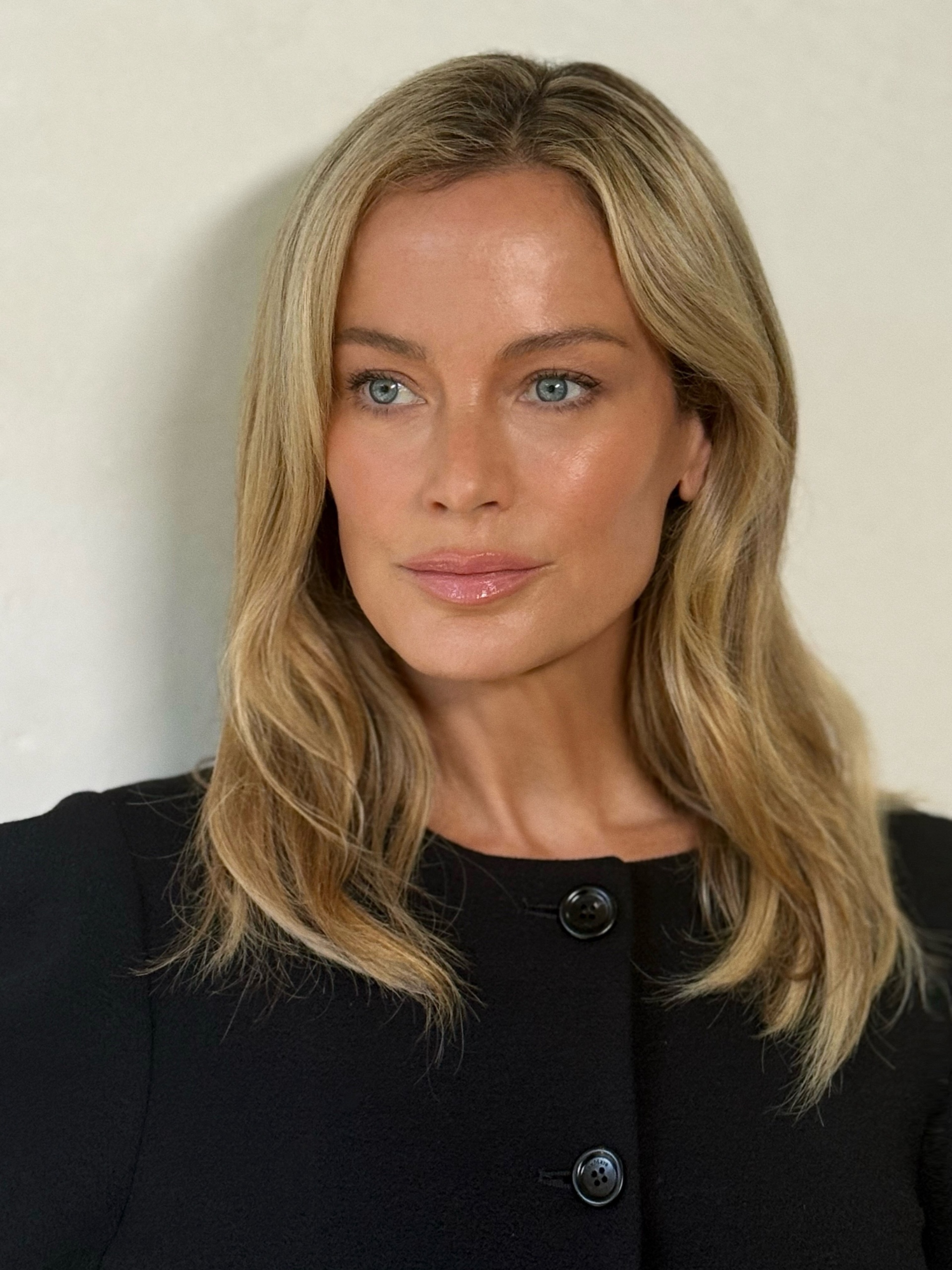
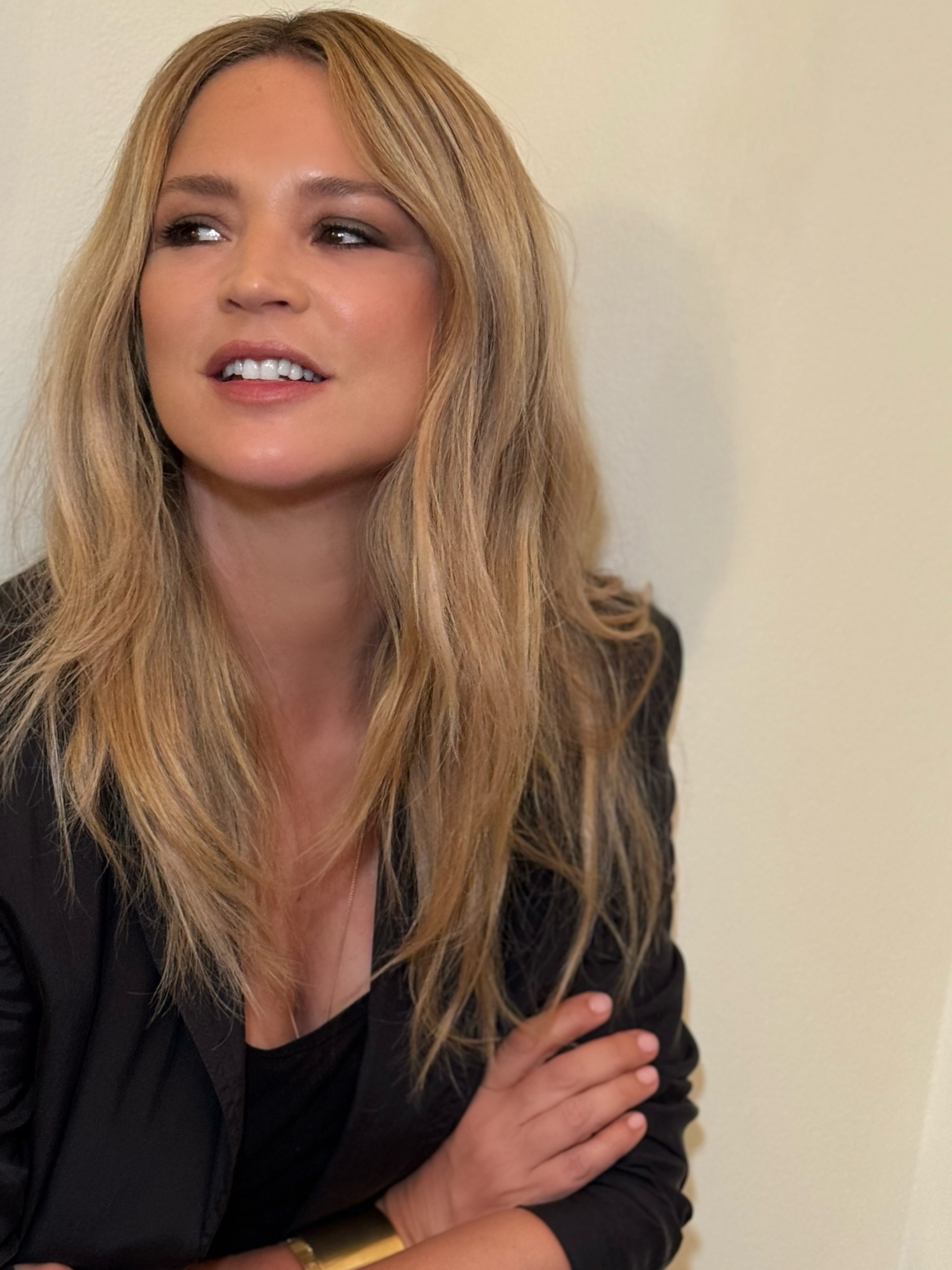
Nude hair is all about creating natural-looking colour with subtle dimension, rather than relying on obvious highlights or dramatic shifts in tone. The primary aim is to enhance your existing shade, using delicate variations in colour to give the hair depth, movement, and light reflection without making the placement of the colour immediately apparent. Think soft champagne blonde, muted honey, neutral brunette, and rich espresso, all delivered with a beautifully blended finish that mimics the way hair naturally responds to the sun over time.
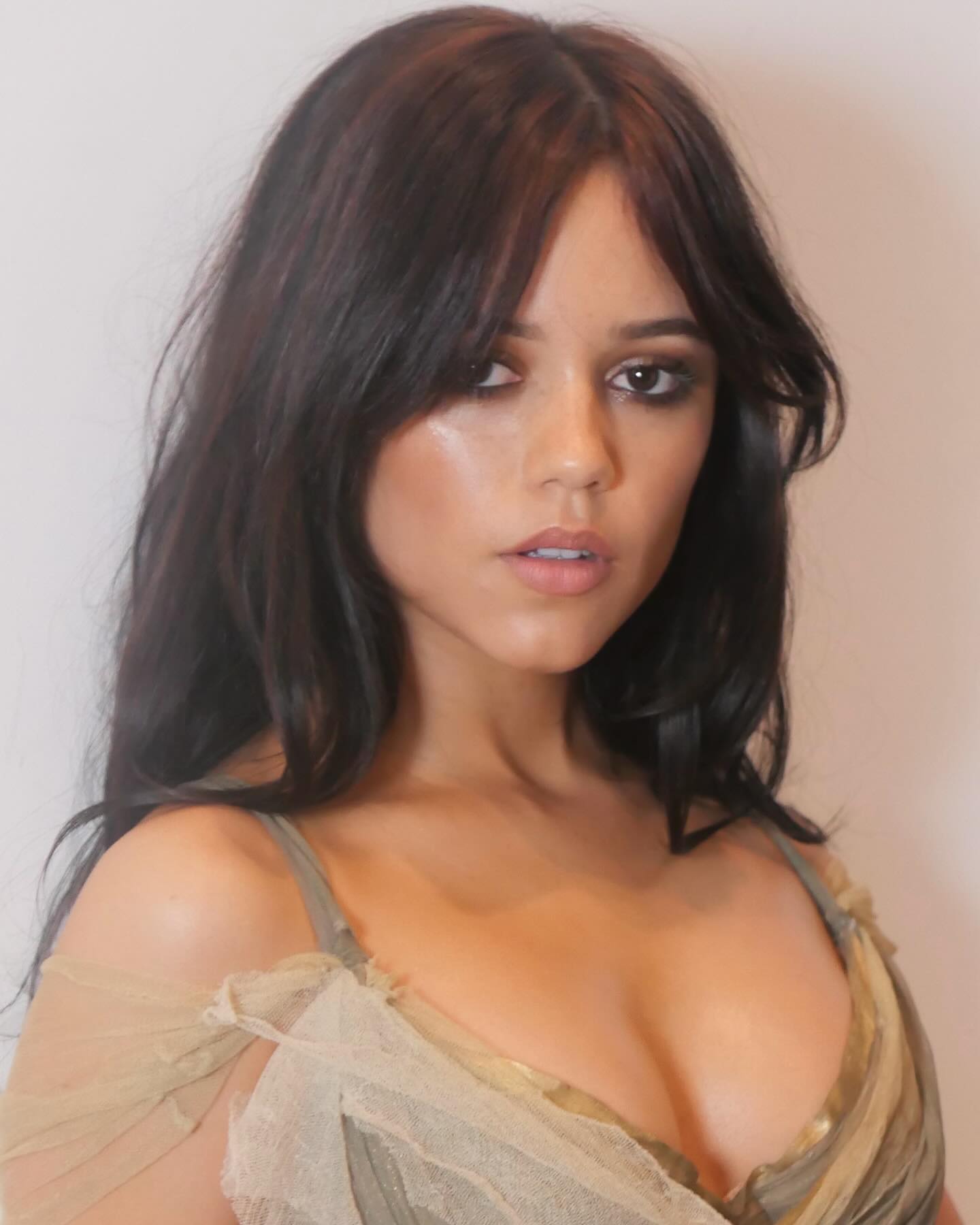
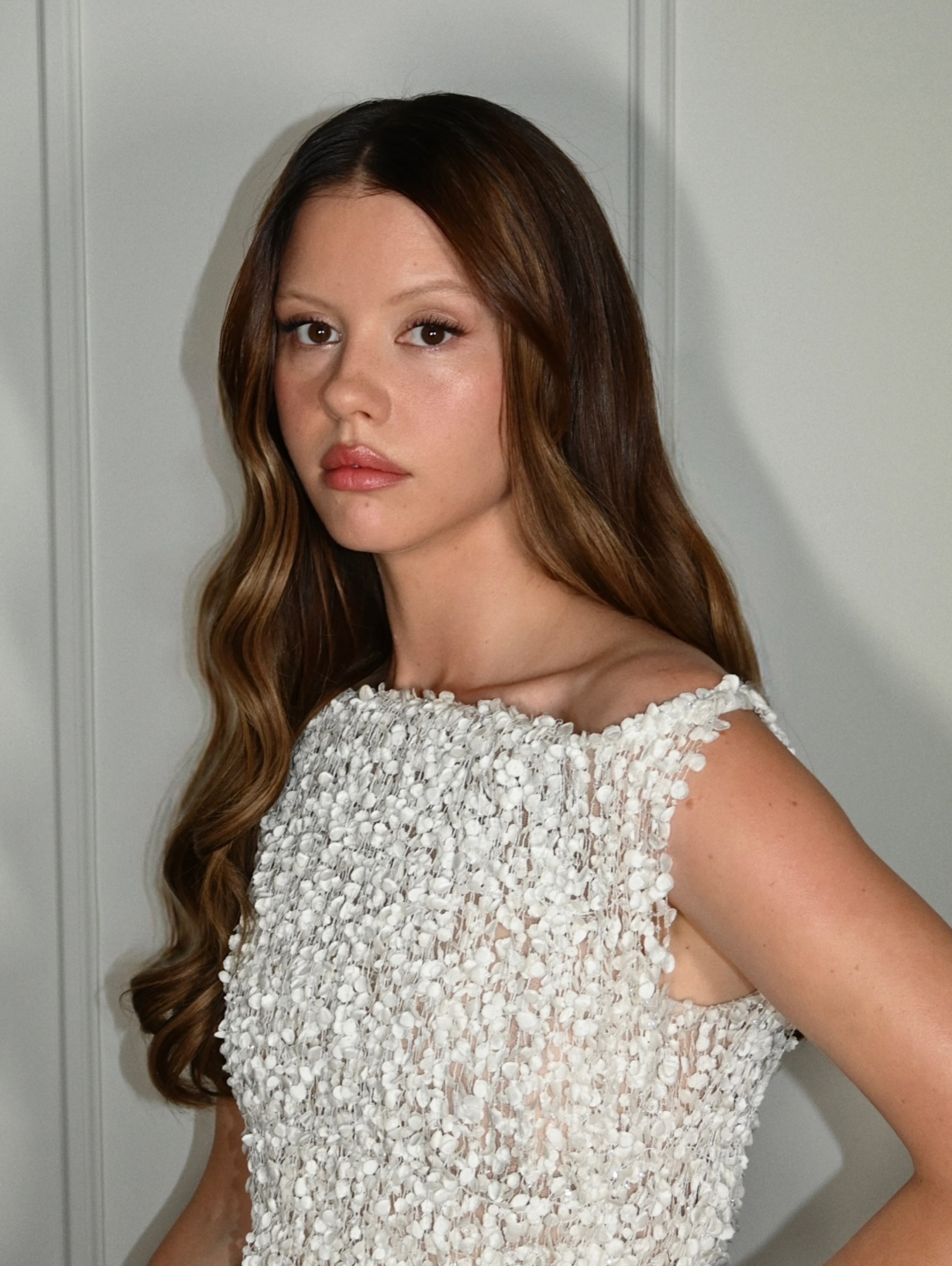
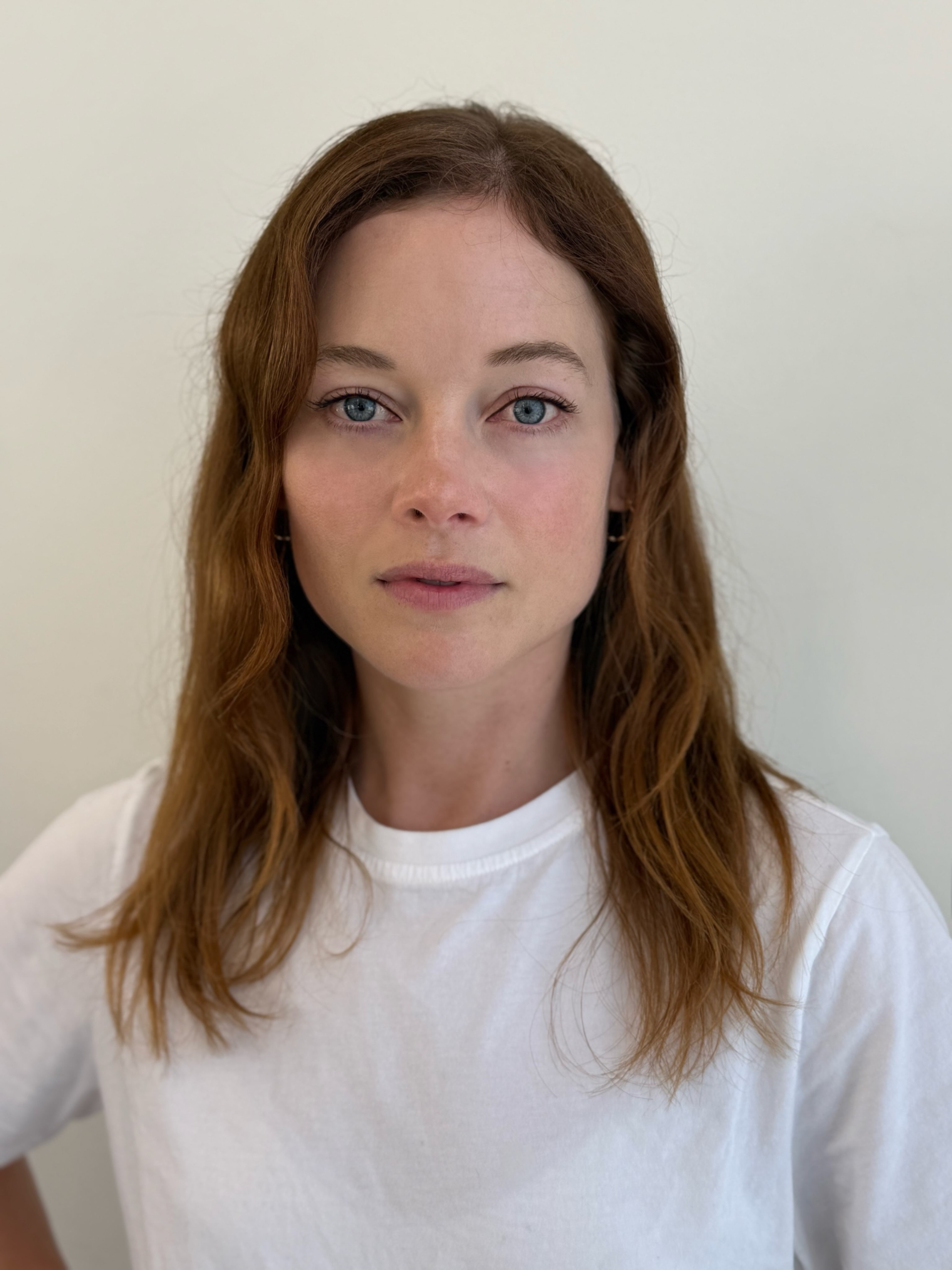
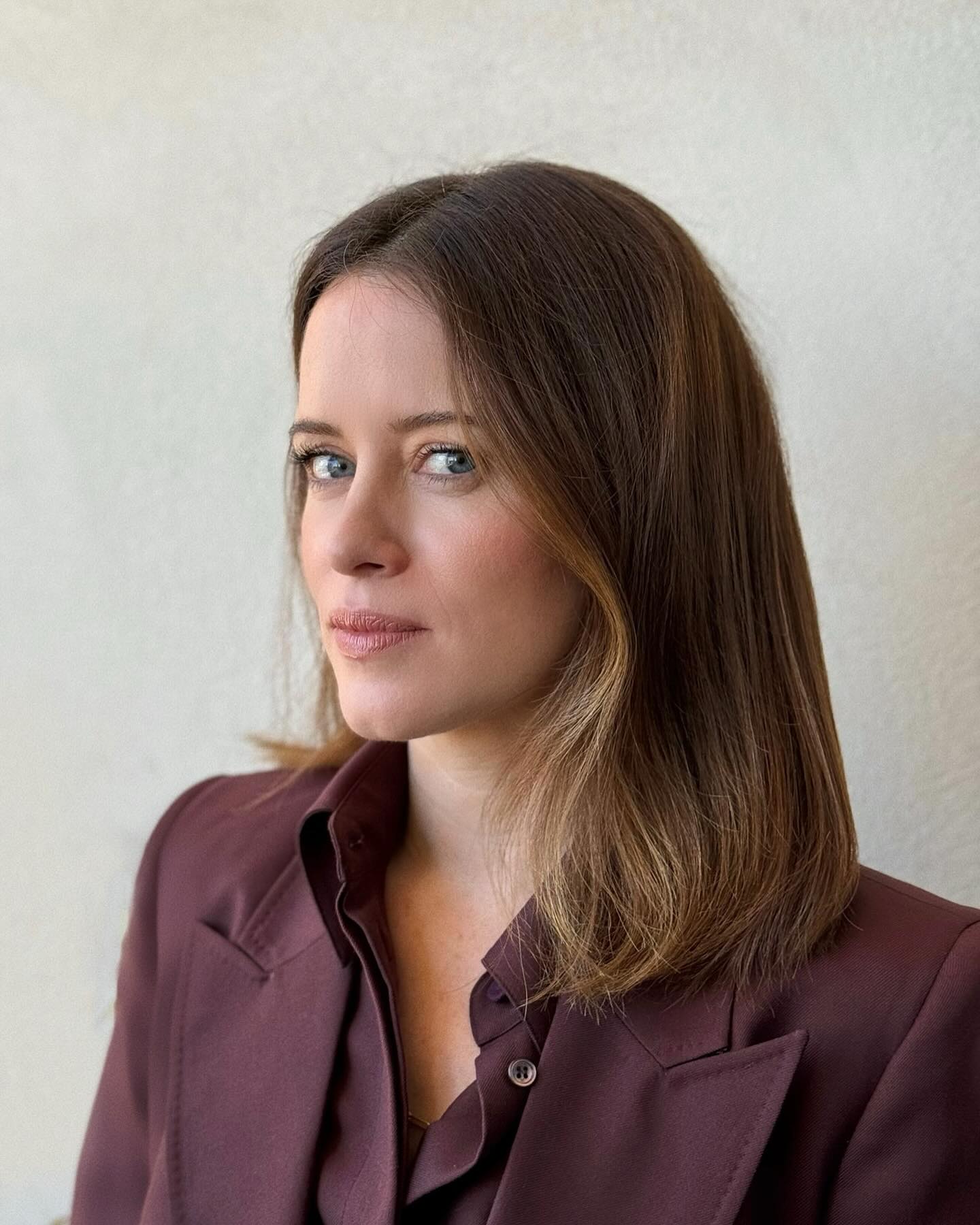
The beauty of nude hair is that there isn’t one universal shade, explains Reed. On blonde hair, it might be a beautifully balanced beige, a soft champagne, or a muted honey, featuring very delicate tonal variations. On brunette hair, it might be a soft walnut, a beautiful neutral brown, or a deeper espresso with the most subtle movement of colour woven through the lengths.
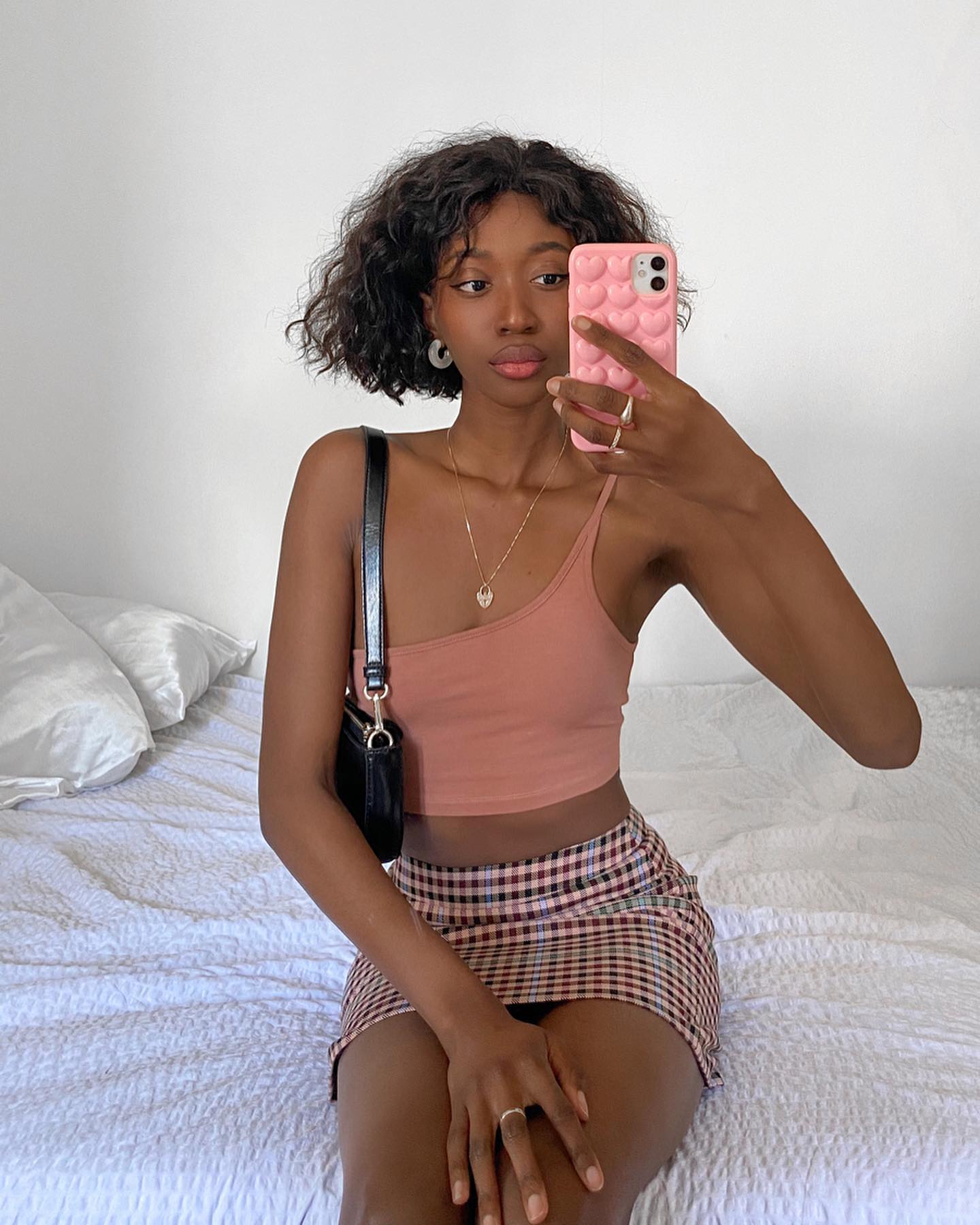
Unlike traditional balayage, where lighter pieces are often deliberately placed to frame the face or drastically brighten the lengths, nude colour is less about creating stark contrast and more about achieving total harmony. The important thing is that the colour has dimension without obvious contrast, Reed adds. We still want movement and reflection, but we don’t necessarily want to see where one colour begins and another ends.
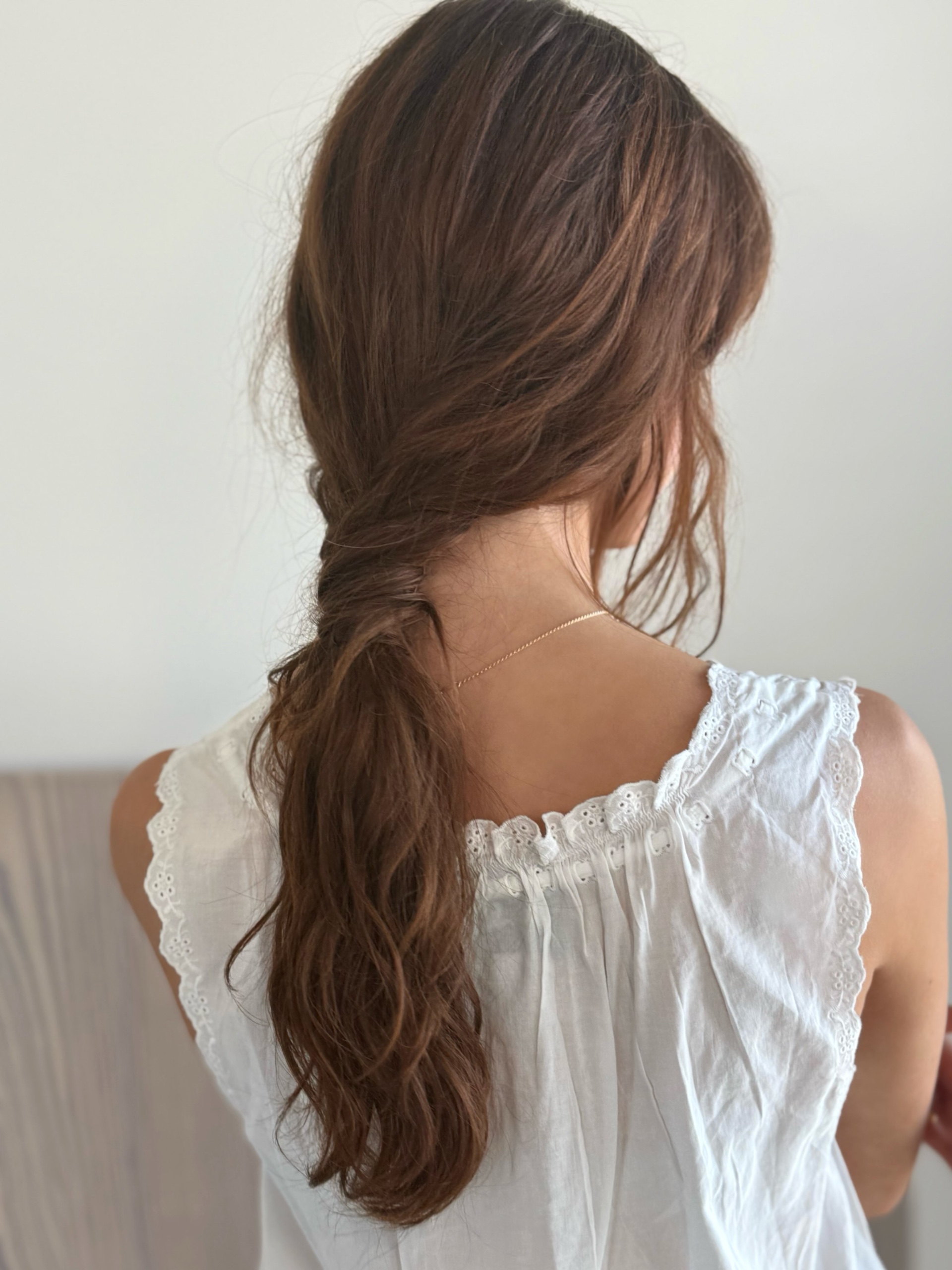
The ultimate result is hair that looks exceptionally healthy, glossy, and effortlessly put together. Reed refers to this philosophy simply as super naturals when working with his clients—taking something familiar and natural and making it feel beautifully elevated.
What Should You Ask Your Colourist For?
If you are keen to try the nude hair trend, the best starting point is a conversation about the overall finish and feel you want, rather than arriving at the salon with a specific, rigid shade in mind. Your colourist can then properly consider your natural root colour, skin tone, existing hair history, and overall hair condition to work out which tonal direction will suit you best.
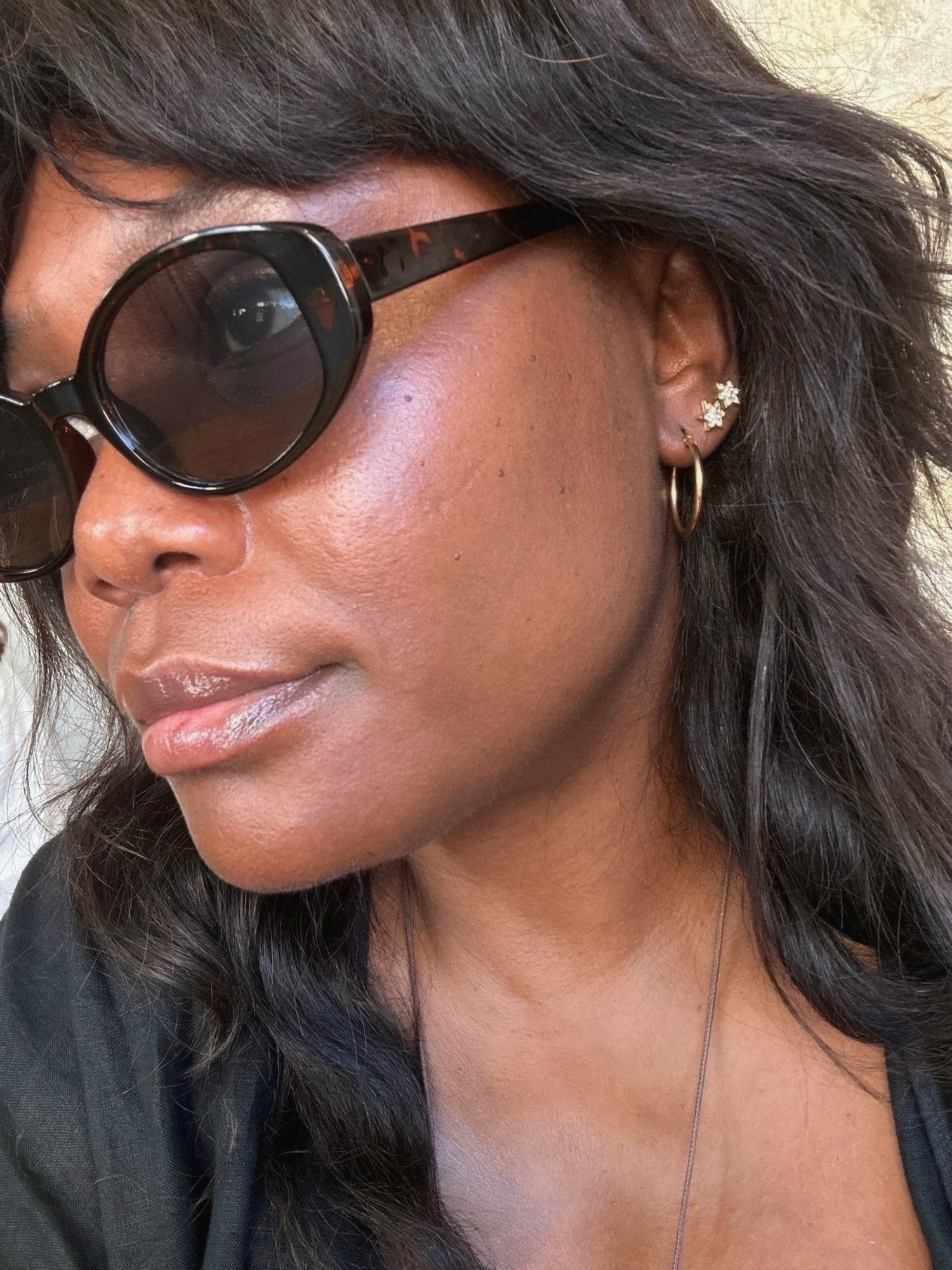
I would start by asking for a soft, natural-looking colour with very little obvious contrast, says Reed. Explain that you want to enhance your natural base rather than dramatically change it. Depending on your starting point, this might mean adding ultra-fine highlights just a shade or two lighter than your natural color, or simply refining your existing shade with a high-gloss treatment. He notes that babylights are particularly beautiful for achieving this effect because they create such a fine, diffused blend rather than obvious streaks of color.
Reference images can certainly be useful during a consultation, but clients should focus on what they like about the softness, tone, or finish rather than expecting an exact replica. The best color consultation isn’t about asking what color you want, Reed advises. It is about understanding how you want your hair to look and feel.
How to Look After Nude Hair Colour
Because nude hair relies so heavily on subtle tonal differences and natural light reflection, the overall condition of the hair is particularly important. When you are not relying on bold highlights or high-contrast color to make an immediate impact, softness, shine, and movement do much of the heavy lifting. Keeping the hair hydrated and minimizing daily damage will help preserve that glossy, expensive-looking finish between salon visits.
Condition is absolutely fundamental to this look, Reed emphasizes. When color is so subtle, the health of the hair becomes even more important. You want beautiful light reflection, softness, and movement, because that is what allows those delicate tonal differences to truly come to life.
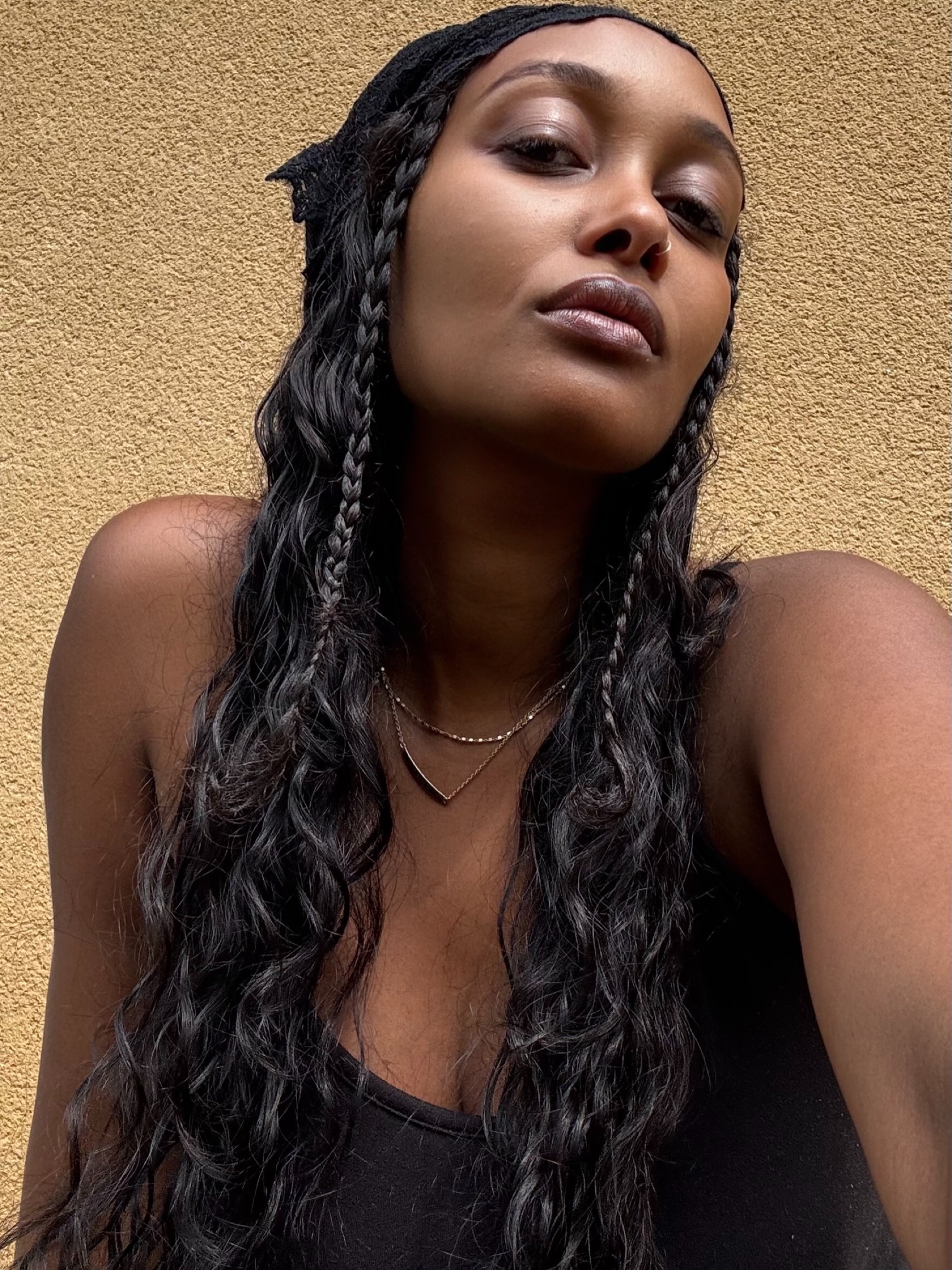
At home, maintaining this finish requires a personalized haircare regime, utilizing the right shampoo and conditioner, consistent heat protection, and regular conditioning treatments. Experts advise avoiding excessive heat styling where possible and selecting products suited specifically to your hair type and color rather than automatically reaching for the most intensive or heavy treatment on the shelf.
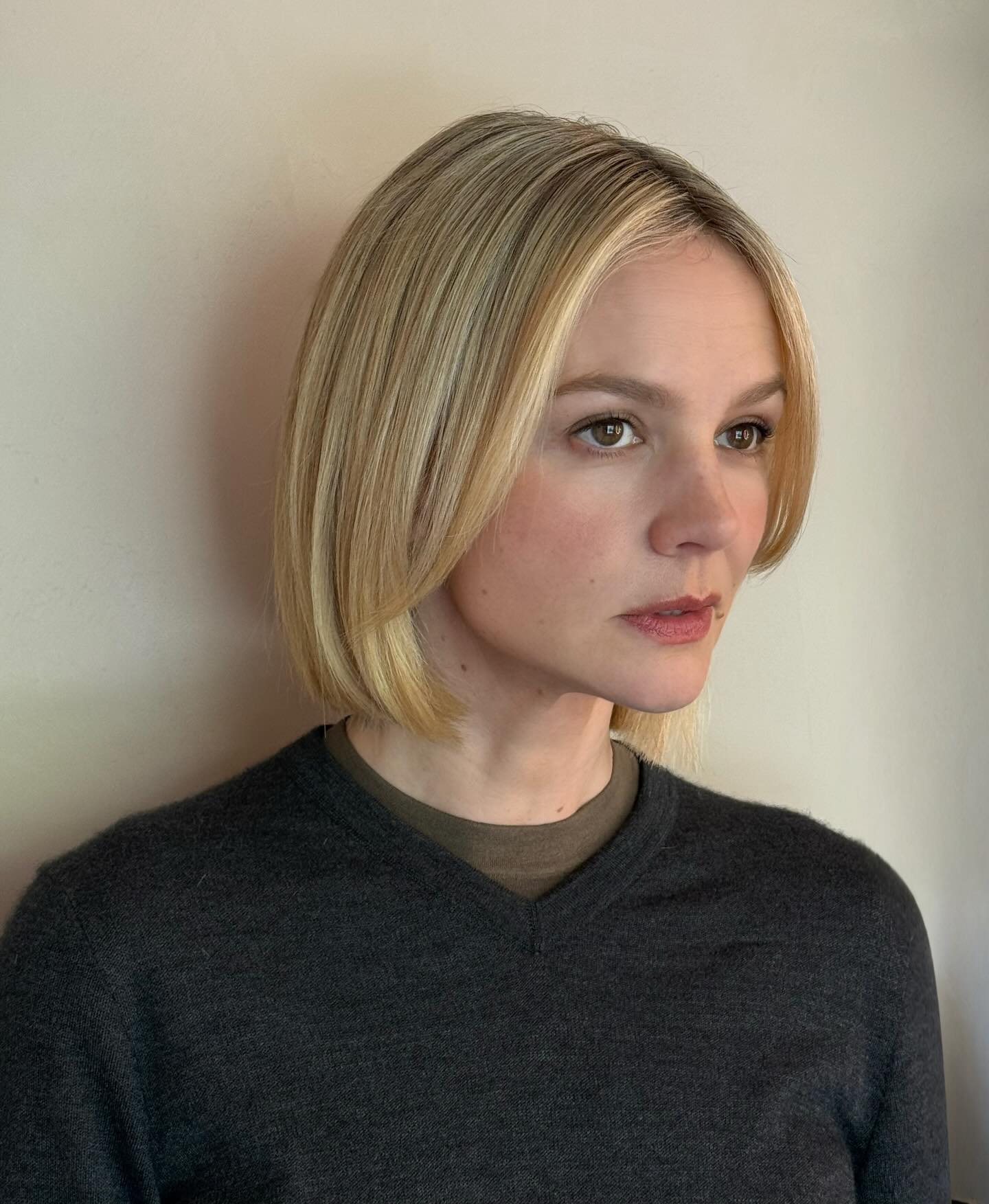
A professional salon gloss can also be a wonderful way of refreshing the tone and bringing luminosity back into the hair without necessarily introducing more chemical highlights. Your colorist can advise on how frequently to book these maintenance appointments, depending on how your tone fades and how quickly your roots naturally grow.
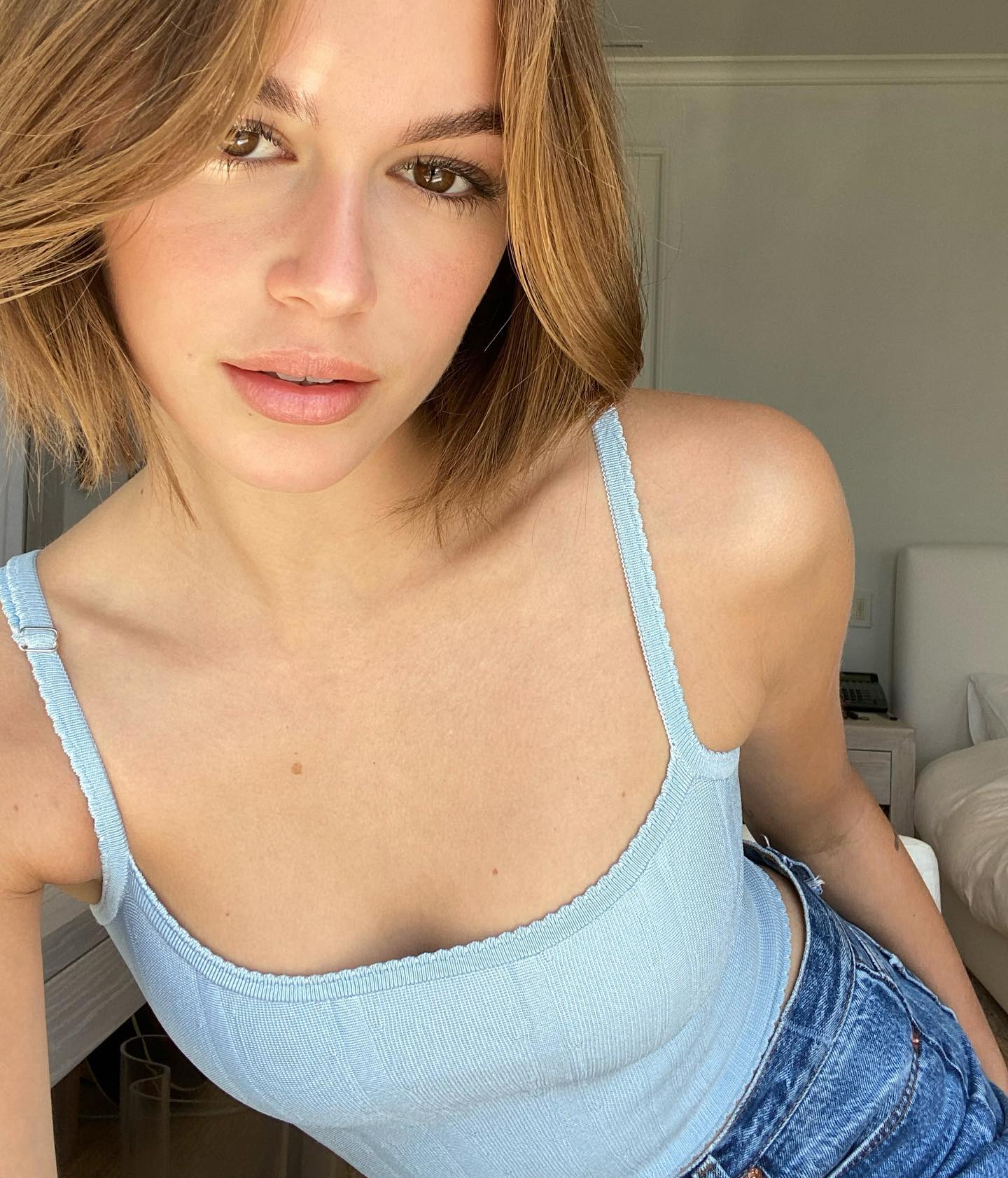
For those who wear hair extensions to achieve extra length or fullness, aftercare and precise color matching matter just as much. Reed notes that a considered color match and appropriate aftercare are key to ensuring your natural hair and extensions continue to work harmoniously together. His ultimate philosophy remains preventative rather than reactive, proving that beautiful color and healthy hair should always work hand in hand.