
It might seem entirely reasonable to question whether lemonade truly requires a dedicated recipe. After all, what comes next—a detailed set of instructions for salted water, basic simple syrup, or buttered noodles? Yet, during the relentless heat waves of mid-summer, strong opinions inevitably surface, prompting a closer look at what constitutes the correct, definitive formula for a classic summer beverage. For many home cooks and culinary creators, the ultimate version of this warm-weather staple is fiercely personal, born from years of kitchen experiments, minor domestic disputes, and a steadfast refusal to settle for commercially processed alternatives.

The passion behind getting this simple drink right can sometimes become a matter of household contention. A prime example occurred when one food writer returned from a brief trip away, only to discover that her husband and daughter had attempted to make a batch of lemonade by searching the internet for a random recipe. The resulting beverage, unfortunately, turned out bland and overly sweet—a misstep that was humorously treated as a personal slight. The reaction was swift and characteristic: pointing out that relying on a generic search engine when an expert is readily available is practically a minor marital offense. To prevent any future culinary blunders, a permanent sign detailing the correct proportions was immediately taped to the kitchen wall, ensuring that no one in the household would ever wander down the wrong path of artificial sweetness again.

When a recipe relies on only a handful of ingredients, the margin for error shrinks dramatically, meaning everything hinges on getting each individual measurement precisely right. While some people might feel indifferent toward most fruit juices, an exception is frequently made for lemonade, which demands fresh-squeezed lemons every single time. Bottled lemon juice simply fails to hit the mark, often carrying a muted, tinny flavor directly attributable to the pasteurization process. Furthermore, personal preferences often lean away from overly sweet concoctions and steer clear of the unnecessary fuss of making simple syrup. Avoiding an overly watery texture is also a priority; holding back a portion of the water allows the drink to be finished with a final splash of seltzer for an effervescent fizz. After all, if a batch leans slightly on the tart side, it can always be diluted later, but rescuing a beverage that has crossed the boundary into blandness is virtually impossible once the supply of fresh citrus has been exhausted.

Inviting skepticism by publishing strict measurements for a combination of lemon juice, sugar, and water is all part of the charm of seasonal cooking. Home cooks are continually encouraged to tinker with the formula to suit their personal tastes, provided they do not waste fresh lemons on a haphazard approach when a perfectly balanced glass is within reach. After all, summer simply does not feel complete without a cold, refreshing glass in hand.

House Lemonade Recipe
To prepare the foundational base, freshly squeezed lemon juice is first poured through a sieve to remove any lingering pulp, then transferred directly into a pitcher. Granulated sugar is added and stirred into the juice until completely dissolved. Following this, the first two cups of cold water are stirred in, creating a concentrated lemonade base that can be safely stored in the refrigerator for several days, though it undeniably tastes its absolute best during the first two days.

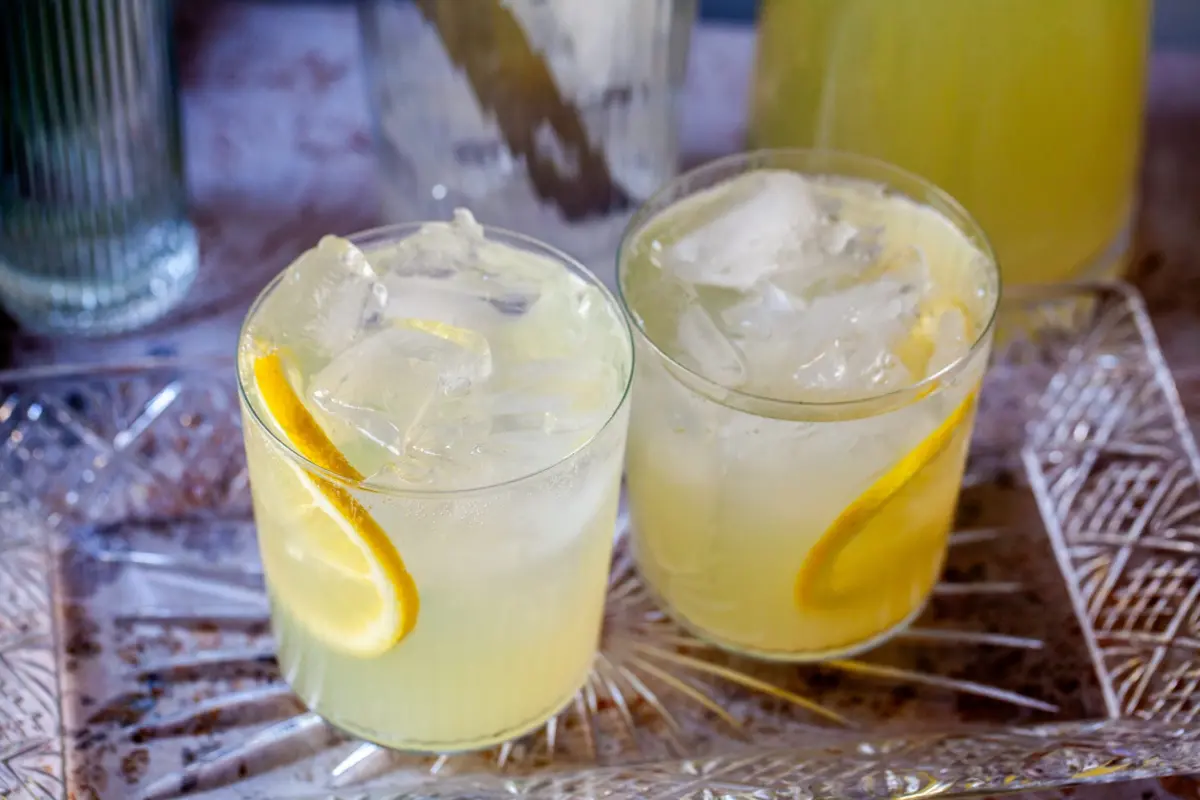
To serve a finished pitcher of lemonade, ice is added alongside an additional half-cup to a full cup of cold water, adjusted according to personal taste. Alternatively, for a fizzy variation, a single glass is filled with ice until it is roughly two-thirds to three-quarters full, then topped off with seltzer for a sparkling finish.

Creative variations on the classic formula offer plenty of room for experimentation during the hottest months of the year. One option involves swapping one of the standard cups of water for fresh watermelon juice, while another suggests replacing half a cup of water with a strained raspberry or blackberry purée. For a more sophisticated adult beverage suitable for entertaining guests, the granulated sugar can be replaced with maple syrup, shaking the mixture vigorously with fresh mint leaves and a generous pour of bourbon.