
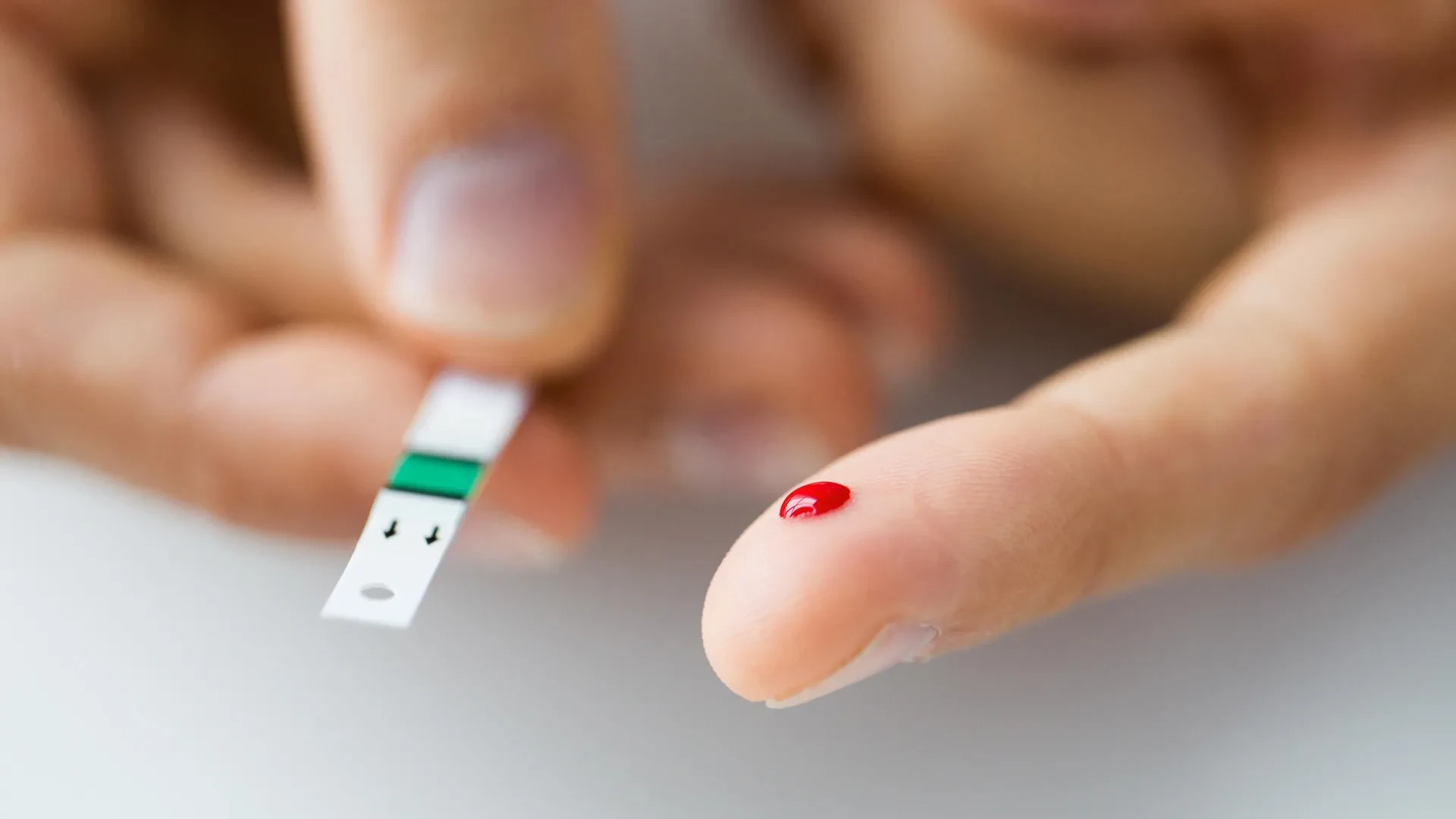
For millions of people living with diabetes, the daily pursuit of stable blood sugar is an unceasing mental and physical marathon. Patients are constantly advised that tighter control and minimal fluctuations are the gold standard for long-term health. However, groundbreaking new research suggests that this relentless pursuit of absolute stability may come with an unexpected psychological and emotional tradeoff for some individuals.
According to findings slated for presentation at the Annual Meeting of The European Association for the Study of Diabetes (EASD) in Milan, Italy—scheduled from September 28 to October 2—people diagnosed with type 1 or type 2 diabetes occasionally reported a notably higher quality of life following days when their glucose levels experienced a greater degree of fluctuation, provided those levels remained within safe boundaries.
The research team paired continuous glucose monitoring data with real-time daily well-being assessments. Their results indicate that the heavy psychological burden, constant vigilance, and stringent lifestyle restrictions required to iron out every minor glucose wave might ultimately make it more difficult for some patients to fully enjoy everyday activities, social events, and normal routines.
The study was spearheaded by Professor Dominic Ehrmann of FIDAM, the Research Institute Diabetes Academy Mergentheim, located in Bad Mergentheim, Germany, alongside a team of dedicated colleagues and researchers.
Looking Beyond Blood Sugar Numbers
In modern clinical practice, helping individuals with diabetes maintain a strong and positive quality of life is widely recognized as a critical pillar of comprehensive treatment. While physical blood sugar control remains undeniably vital for preventing long-term medical complications, researchers are increasingly shifting their focus toward understanding the broader human experience of chronic illness. They want to know precisely how day-to-day diabetes management impacts a person’s mood, daily energy reserves, sleep quality, stress levels, and overall capacity to participate meaningfully in normal, unhindered life activities.
To explore these intricate dynamics, the new analysis set out to examine whether specific glucose patterns captured by modern continuous glucose monitoring devices held any tangible association with daily quality of life among a large cohort of people living with both type 1 and type 2 diabetes.
The data analyzed by Professor Ehrmann and his team originated from the PRO-MENTAL study, a comprehensive research initiative generously funded by the German Center for Diabetes Research, commonly known as the DZD. As part of this intensive study, participating individuals rated their personal quality of life every single day for fourteen consecutive days. This tracking utilized a rigorous scientific technique known as ecological momentary assessment, or EMA, which was built around the well-established World Health Organization’s WHO-5 questionnaire framework.
The WHO-5 questionnaire prompts participants to carefully rate five distinct statements reflecting their recent state of mind and emotional well-being. Alongside these daily quality of life scores, the researchers systematically collected daily information regarding sleep quality, perceived daily stress, prevailing mood, and fluctuating energy levels, all captured through the same consistent ecological momentary assessment approach to ensure maximum accuracy and reliability.
Tracking Glucose Around the Clock
The continuous glucose monitoring data gathered from the exact same fourteen-day tracking period provided the scientific team with an unprecedented opportunity to examine multiple distinct measures of glucose control simultaneously. These comprehensive metrics included the amount of time a participant’s blood sugar remained below the safe clinical range, technically referred to as time below range or TBR, which is measured at under seventy milligrams per deciliter. They also tracked time spent above the safe clinical range, known as time above range or TAR, measured at over one hundred and eighty milligrams per deciliter.
Additionally, the researchers measured the time spent comfortably within the normal, healthy range, often described as normoglycemia or TING, falling between seventy and one hundred and forty milligrams per deciliter. Finally, they evaluated glucose variability, a metric that specifically reflects the magnitude and frequency of how much a person’s blood sugar levels rise and fall over the course of any given time period.
Armed with this vast trove of physiological and psychological data, the researchers deployed advanced statistical modeling techniques. Their primary goal was to determine whether specific glucose patterns, sleep quality, daily stress, underlying mood, and physical energy levels experienced on one specific day could effectively predict an individual’s quality of life on the following day.
Furthermore, the team conducted a separate, parallel analysis designed to investigate whether same-day physiological measurements shared any direct association with that exact day’s reported quality of life. To ensure the highest level of scientific rigor, the statistical models carefully accounted for critical demographic variables including the age and sex of the participants, as well as their specific type of diabetes. The models also thoughtfully incorporated the participants’ previous-day quality of life scores to ensure that pre-existing baseline well-being was not overly driving or distorting the final results.
Four Hundred People With Diabetes Took Part
The robust final analysis successfully incorporated comprehensive data drawn from a total of four hundred individuals living with diabetes. Within this diverse cohort, seventy-two percent of the participants managed type 1 diabetes, while the remaining twenty-eight percent lived with type 2 diabetes. Women accounted for fifty-five percent of the study group. The participants had a mean age of forty-seven years, spanning a wide range from thirty-two to sixty-three years old, and presented with a mean glycated hemoglobin level—commonly known as HbA1c, which serves as a standard long-term marker of blood sugar control—of 7.6 percent.
As the extensive data was compiled and analyzed, two distinct and compelling glucose patterns emerged from the statistical models.
First, spending a greater amount of time within the normal, healthy glucose range on any given day was significantly and reliably associated with a better quality of life the very next day. This reinforces the longstanding clinical consensus that maintaining stable, healthy glycemic parameters is fundamentally beneficial for physical health and mental outlook alike. However, in a more surprising and counterintuitive twist, the data also revealed that greater glucose variability on the previous day was linked to a higher quality of life on the subsequent day.
In stark contrast, the absolute amount of time that participants spent lingering either above or below the safe clinical glucose range on the previous day did not show a statistically significant association with their reported quality of life the following day.
Beyond glucose patterns, the analysis highlighted other powerful predictors of human well-being. Better sleep quality experienced during the preceding night was consistently linked to improved next-day well-being across the board. The exact same positive trend held true for higher energy levels reported on the previous day, which were measured by asking participants to rate how energetic they felt on a numerical scale ranging from zero, meaning not at all, up to ten, meaning very much.
Intriguingly, when the researchers examined same-day measurements, they discovered that glucose readings recorded on the exact same day were not significantly associated with that day’s reported quality of life, pointing to a temporal delay in how physiological control translates into psychological perception.
A Possible Cost of Trying to Keep Glucose Too Steady
The authors of the study are careful to emphasize that these nuanced findings do not suggest in any way that poor overall glucose control is somehow beneficial or desirable for people managing diabetes. On the contrary, spending more time within the normal, healthy glycemic range was clearly shown to be associated with an improved quality of life, firmly underscoring the enduring importance of optimal blood sugar management for overall human well-being.
Instead, the researchers propose that the unexpected finding involving glucose variability points toward an entirely different, highly nuanced behavioral phenomenon. Individuals who work exceptionally hard and dedicate immense mental energy to eliminating normal, everyday fluctuations may occasionally find themselves imposing overly rigid restrictions on their own daily routines. These strict self-imposed rules can inadvertently make everyday life markedly less enjoyable, or cause certain normal social, professional, or physical activities to feel far too burdensome or intimidating to pursue with confidence and peace of mind.
Summarizing the implications of their work, the study authors shared their perspective on the complex balance between strict medical compliance and the realities of daily living. They noted that days characterized by a higher percentage of time spent within the normal, safe range for blood sugar were indeed followed by days on which individuals with both type 1 and type 2 diabetes reported a notably better quality of life, highlighting the absolute necessity of maintaining optimal blood sugar control for sustained well-being.
At the same time, the researchers pointed out that higher-than-usual glucose variability was simultaneously associated with an improved next-day quality of life. They concluded that these findings strongly suggest individuals may experience a reduced quality of life when they attempt to monitor and minimize natural glucose fluctuations far too strictly. This phenomenon is likely driven by the heavy psychological burden and restrictive nature of such intense management, which can leave many people living with diabetes feeling unduly constrained and hesitant to safely engage in routine daily activities.