
Balancing travel and remote work has consistently proven to be one of the greatest logistical challenges on the modern road. For the millions of people participating in the location-independent workforce, the daily struggle involves trying to seamlessly blend sightseeing with maintaining professional productivity in a comfortable, quiet environment. The alternative—spending hours searching for a suitable local coffee shop only to find it overcrowded, uncomfortable, or lacking a reliable power outlet—remains a frustrating rite of passage for many.
Historically, working from the road meant hunching over a tiny, wobbly table in a noisy hostel common room or engaging in a stressful guessing game with an online apartment host who swore their internet connection was exceptionally fast, only for the traveler to discover it could barely load a basic email. These friction points often transformed remote work into an isolating and exhausting endeavor.
However, as the remote work movement has expanded significantly in the post-pandemic era, a wave of specialized coliving spaces has emerged worldwide. These properties intentionally bridge the gap by combining the dedicated infrastructure of a professional coworking space with the vibrant social atmosphere of a traditional hostel, but without the basic, dorm-style accommodations of the past. Designed specifically for digital nomads seeking a high-quality place to stay, these facilities allow professionals to maintain high levels of daily productivity while simultaneously combating the inherent isolation of working alone abroad.
At the forefront of this global shift is Outsite, currently the largest and most popular platform operating in the coliving sector, boasting a portfolio of aesthetically designed properties situated across multiple continents. Recent travel experiences at these properties highlight how the hospitality industry is adapting to the demands of the location-independent professional class.
What is Outsite?
Founded in 2015, Outsite operates as a global network of integrated coliving and coworking spaces engineered specifically for remote workers, location-independent entrepreneurs, and digital nomads. The company’s origins trace back to a single residential house in Santa Cruz, California, which was originally established to cater to individuals who wanted to combine surfing with remote professional duties. Over the past decade, the network has expanded substantially, growing to encompass more than 5,000 active members and approximately 50 distinct locations around the world.
While the properties are accessible to general travelers for booking, the platform offers a tiered membership model that grants frequent users access to enhanced perks and preferred pricing structures. Individuals can choose between an annual membership fee of $199 or a lifetime membership option priced at $499. Membership benefits include exclusive access to members-only properties, a complimentary week of stay in newly launched destinations, steep discounts during flash sales, extended stay reductions, invitations to new member mixers, and access to an internal job and sublet board, alongside various lifestyle perks.
The booking process is intentionally streamlined for efficiency. Users browse the platform’s digital interface, apply filters based on geographical destination or desired environment type—such as beach settings, urban centers, or mountainous regions—and secure their private rooms directly.
How Does Outsite Work?
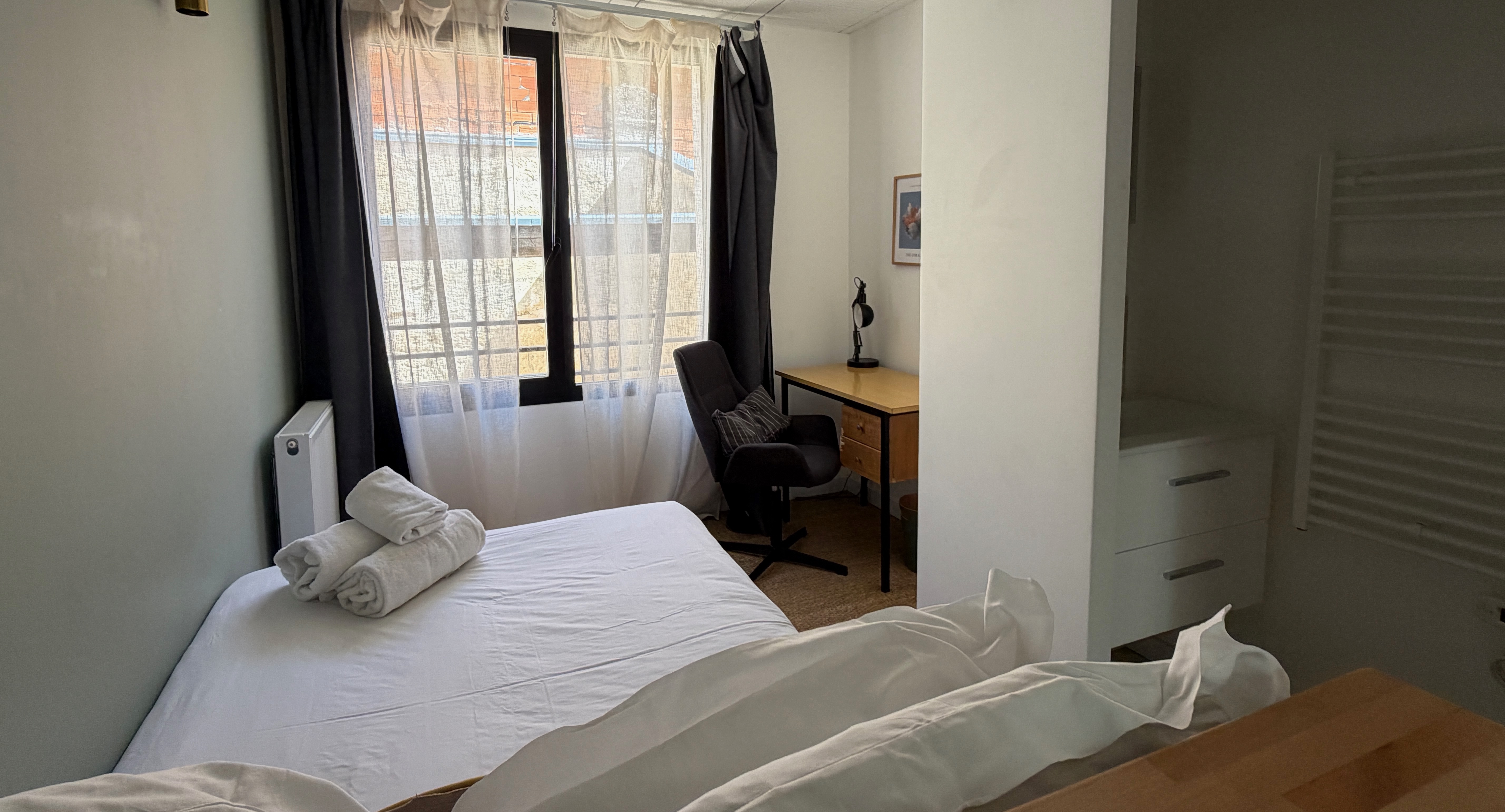
In practice, Outsite functions much like a hybrid between a boutique hotel and a professional coworking hub. When travelers reserve a space through the platform, they are securing a private bedroom. While the vast majority of these rooms feature private en-suite bathrooms, a selection of more budget-conscious rooms offers shared bathroom facilities split with only one other guest.
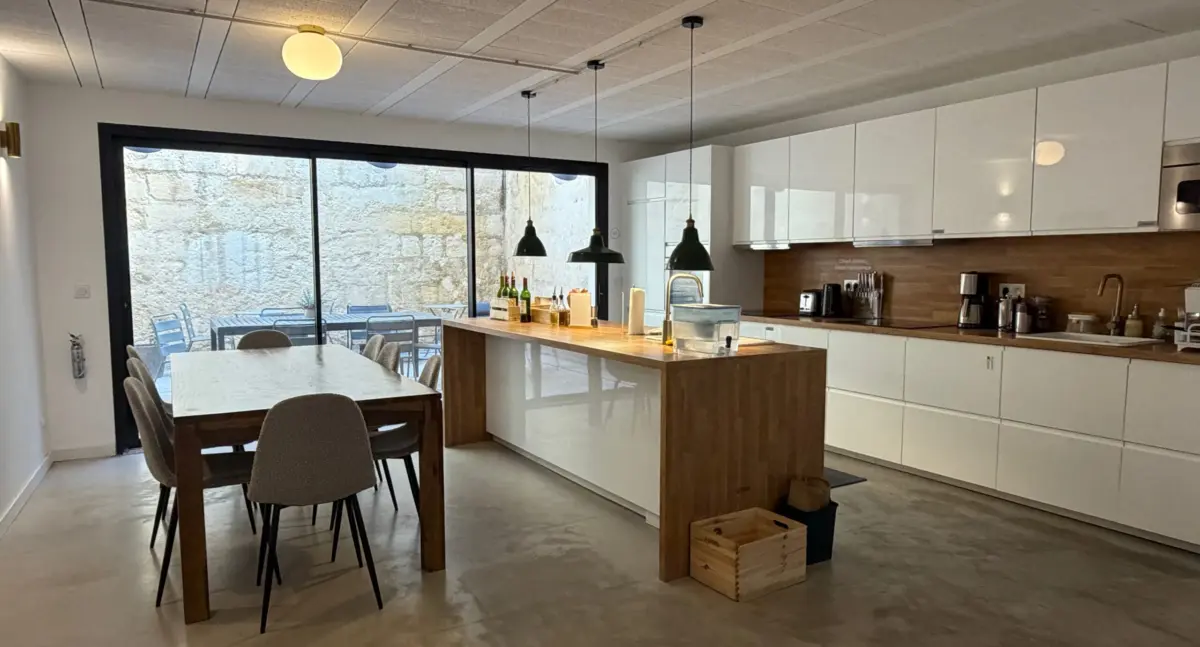
Beyond individual rooms, every property features expansive, meticulously furnished communal areas designed to foster community interaction. Guests gain access to fully equipped chef-style kitchens complete with modern appliances, alongside spacious living rooms, outdoor patios, and occasionally rooftop decks or swimming pools, depending on the specific geographical climate and property layout.
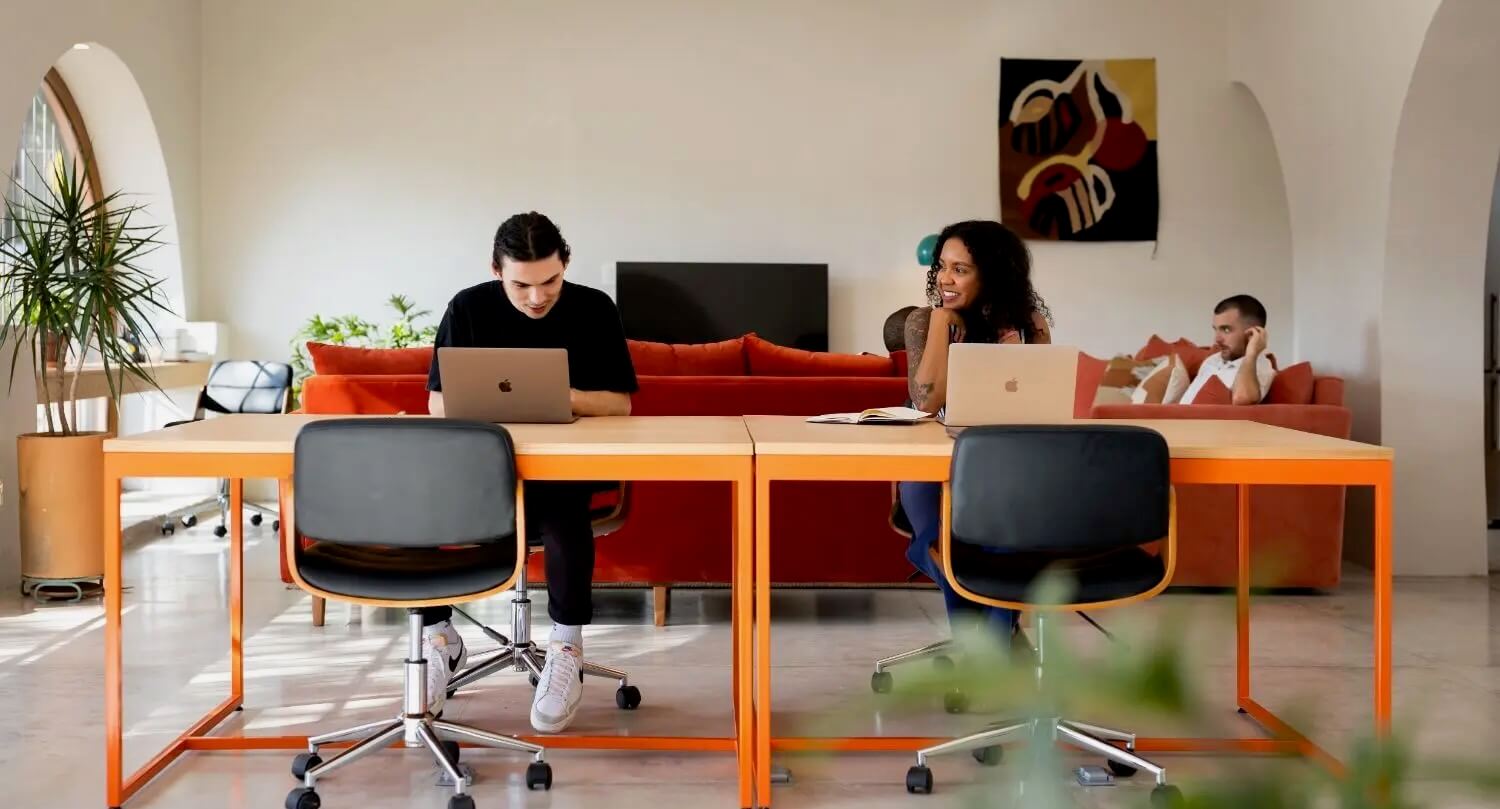
Crucially, every single location integrates a dedicated coworking space directly into the property layout. These workspaces are outfitted with ergonomic seating, abundant electrical outlets, external monitors available for connection, and enterprise-grade, high-speed Wi-Fi networks. This infrastructure allows professionals to transition smoothly from their morning routine to a state of deep focus within minutes of waking up.
The social framework of these properties is anchored by a dedicated Community Manager assigned to each location. Prior to arrival, guests are integrated into a localized messaging group where the manager coordinates a schedule of weekly social programming. These events typically include family-style communal dinners, group weekend excursions, Friday evening tapas crawls, and morning wellness activities like yoga sessions, providing structured opportunities for professionals to build relationships.
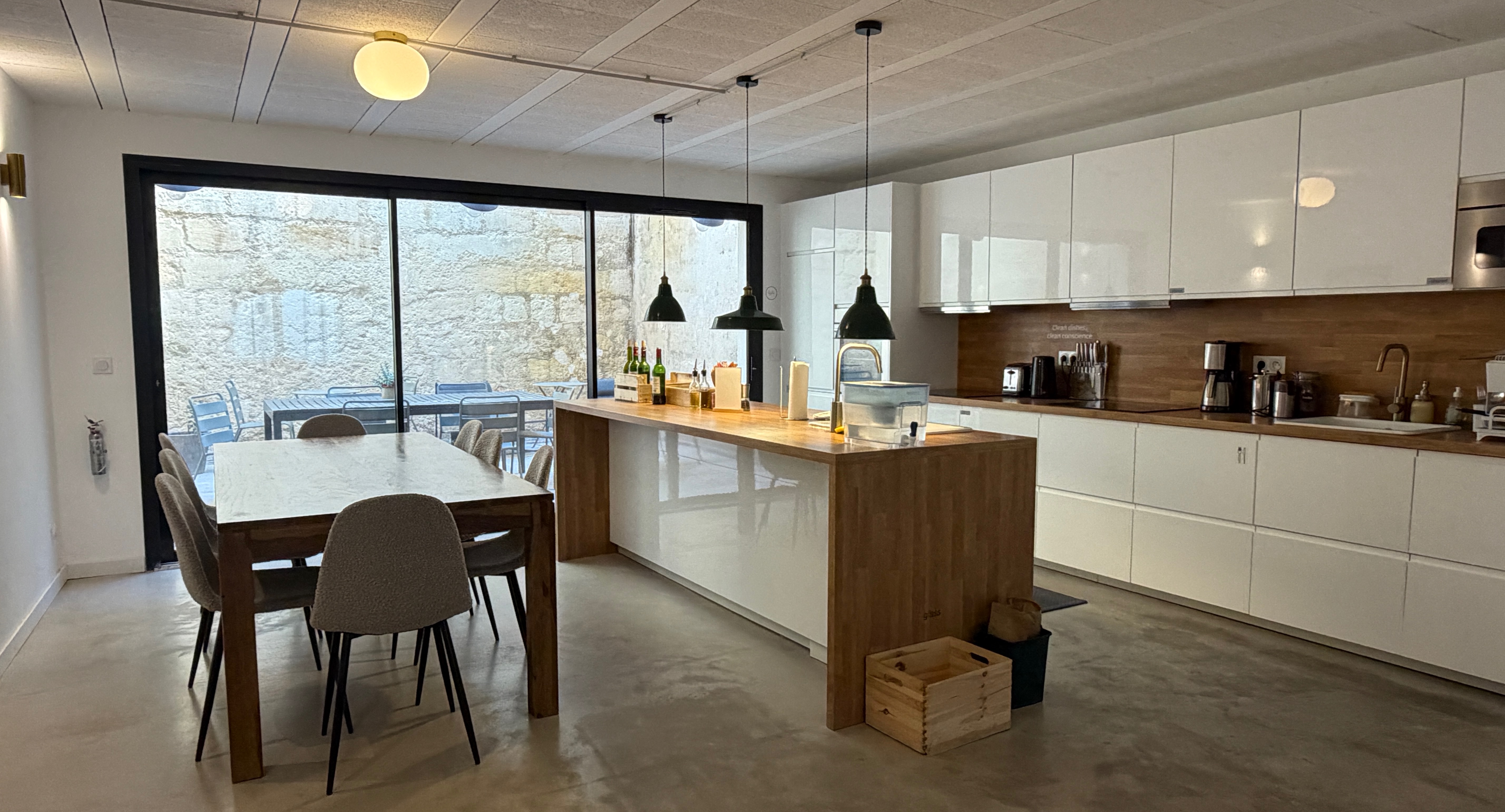
Furthermore, the community manager serves as a localized concierge resource. During recent stays at the company’s Bordeaux location, staff members actively provided neighborhood dining recommendations, logistical tips, and immediate assistance with any inquiries, significantly reducing the friction of settling into a foreign city.
What Guests Appreciate About the Experience
The physical properties themselves are characterized by high design standards. Modern furnishings, comfortable workstations, integrated laundry facilities, and auxiliary amenities such as compact fitness areas are standard features. Private rooms offer functional desks, supportive mattresses, and modern bathrooms equipped with reliable water pressure.
Shared kitchens are maintained through daily professional cleaning services, offering expansive counter space that encourages communal cooking. Complimentary coffee and tea are provided continuously as a standard amenity. The interior design philosophy heavily emphasizes natural light, indoor foliage, and regionally sourced art, consciously steering away from the sterile, uniform environment typical of traditional corporate hotels in favor of a residential aesthetic.
Nevertheless, the primary value proposition for most remote workers utilizing the platform is the built-in social network. Working remotely often means operating in solitude within hotels or public cafes, making organic social connection difficult.
At Outsite, guests find themselves surrounded by peers navigating similar professional and lifestyle trajectories. Unlike traditional backpackers who may question why a traveler remains stationed behind a computer screen during daylight hours, fellow coliving guests share a mutual understanding of the balance between professional obligations and leisure. With many visitors staying for durations of two weeks or longer, and supported by organized weekend programming, guests frequently form cohesive micro-communities.
Practical Considerations for Prospective Travelers
Despite its growing popularity, Outsite is not positioned as a budget-oriented backpacking alternative. Travelers accustomed to very low-cost dormitory accommodations will find that coliving commands a higher price point, reflecting the cost of private rooms, guaranteed workspaces, and curated community management. However, when financial calculations factor in the combined cost of renting a traditional private apartment plus purchasing a separate monthly membership at a commercial coworking facility, the total expenditure often aligns comparably.
Additionally, high demand means that popular properties experience rapid booking velocity. Securing accommodations in high-traffic destinations during peak seasons requires advanced planning several months ahead, limiting spontaneous travel flexibility at the network’s most sought-after houses.
Frequently Asked Questions
Membership is not a strict prerequisite for booking accommodations; any traveler can reserve a stay. However, for individuals planning extended travel periods, the annual membership fee is frequently offset quickly by discounted nightly rates.
While age restrictions mandate that guests must be at least 18 years old—and 21 at specific properties—there is no upper age limit. The demographic composition predominantly consists of working professionals spanning their late twenties, thirties, and forties, skewing older and more career-focused than traditional youth hostels.
Minimum stay requirements are generally set at two nights to accommodate weekend travelers, though select metropolitan properties governed by strict local municipal housing regulations may enforce a thirty-day minimum stay requirement.
Regarding household policies, pets are generally not permitted. Because the living arrangements rely heavily on shared communal kitchens and common areas, maintaining a pet-free environment ensures the comfort and allergy management of all resident professionals.
Ultimately, platforms like Outsite demonstrate how the infrastructure of travel is evolving to accommodate a permanent shift in how modern professionals live and work, proving that location independence no longer requires sacrificing career momentum, domestic comfort, or a consistent social support system.