
In many culinary circles, being known as a "bean person" is a badge of honor. It means that whenever a legume recipe goes viral, or a popular restaurant posts an especially appealing-looking chickpea dish, your inbox gets flooded with tags. When clothing brands occasionally launch bean-themed merchandise, friends make sure you get the direct link. In professional test kitchens and editorial offices alike, if there is a legume recipe to be assigned, everyone immediately turns to point in your direction.
That dynamic played out yet again when SIMPLi, a brand specializing in regenerative organic dry beans, announced the launch of its new membership club, PANTRi. Well before the official public announcement circulated widely, colleagues were already reaching out to ask for insider thoughts. For anyone deeply embedded in the pulse of modern food culture, however, the news had already been spotted and shared across digital communication channels, cementing the excitement surrounding what promises to be one of the year’s most anticipated food subscriptions.
For a few years now, home cooks and professionals alike have integrated SIMPLi’s products into their daily cooking routines, developing a particular fondness for items like their regenerative organic black lentils. Alongside their robust catalog of dry beans and other versatile legumes, the company also supplies essential pantry staples, including sustainably sourced grains, vibrant spices, and high-quality oils. While the majority of these items are sold directly through the brand’s website in convenient three-packs, shoppers may also recognize the distinctive packaging on grocery store shelves at national retailers such as Whole Foods.
Navigating the World of Bean Clubs
The concept of a curated bean club is not entirely new to the culinary landscape. For years, membership programs like Rancho Gordo’s heritage bean club have commanded a massive, almost cult-like following. These tickets are notoriously hard to secure, with slots opening only rarely and eager enthusiasts spending years languishing on waiting lists. This exclusivity is not designed to manufacture artificial scarcity; rather, it is a necessary measure to ensure strict quality control and to protect the delicate resources of independent farmers. Even so, the inability to secure a spot in such coveted programs can leave many home cooks searching for alternatives. For anyone currently stuck in bean subscription purgatory, the arrival of SIMPLi’s PANTRi offers an exceptional and readily accessible option.

The quarterly PANTRi membership operates by dispatching a thoughtfully curated selection consisting of seven different SIMPLi bags, accompanied by a complimentary sample of an especially rare product. This generous variety in every box serves a dual purpose: it helps culinary novices comfortably get acquainted with unfamiliar ingredients while simultaneously deepening the appreciation of seasoned veterans for their personal favorites.
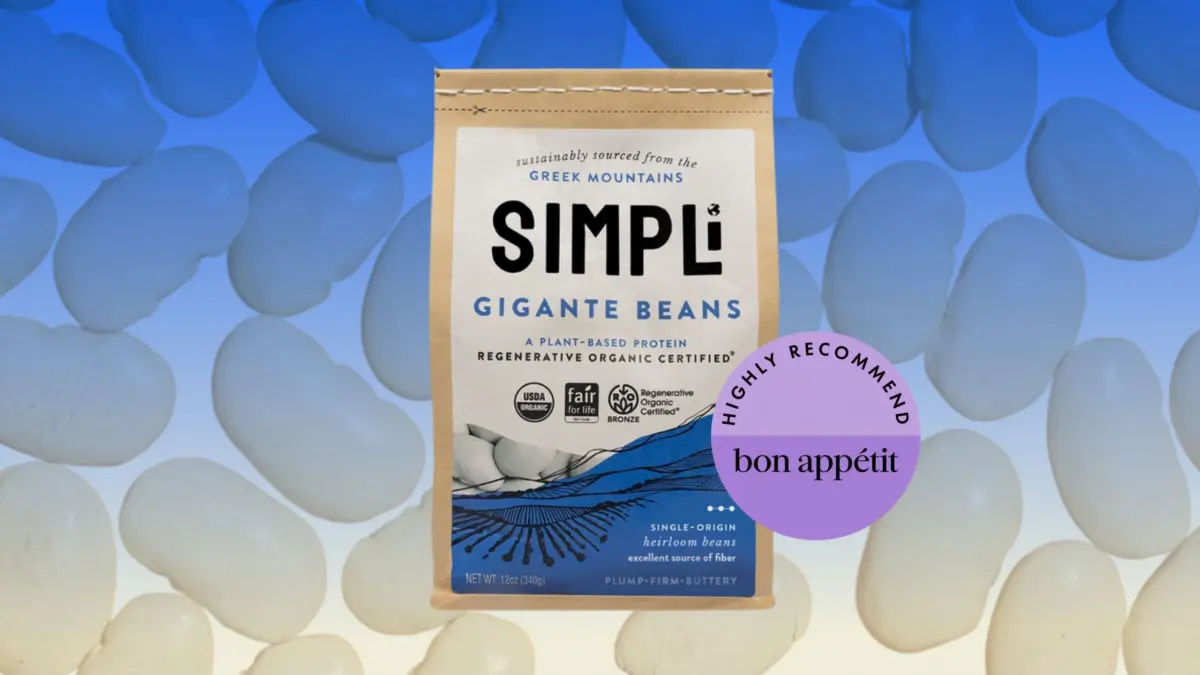
The inaugural edition of the subscription showcased a diverse cross-section of the agricultural spectrum, featuring bags of gigante, fava, kidney, and pinto beans, alongside red quinoa, farro, and a tin of premium Spanish extra-virgin olive oil. Adding an extra layer of excitement for collectors and enthusiasts, the special inclusion for that cycle was a batch of orca beans—a striking, black-and-white marbled heirloom variety that is otherwise unavailable for purchase outside of the PANTRi membership tier.
Embracing the Ritual of Dried Beans
For consumers accustomed to the immediate convenience of canned alternatives, diving into a box of dry beans requires a slight shift in mindset, particularly for those rushing through weeknight dinners. Yet, transforming a simple bag of dried legumes into a pot of comforting goodness requires very little active effort and fits seamlessly into a weekend meal-prep routine.
The preparation method is refreshingly straightforward: rinse the dry beans thoroughly, then transfer them to a heavy-bottomed pot with plenty of water, a generous handful of salt, a good glug of olive oil, a halved onion, and some smashed garlic cloves. Cooks with a few extra minutes to spare often choose to sear the alliums directly in the oil before adding the liquid, sometimes tossing in a handful of woody herbs or a dried chile for added depth.

Bringing the mixture to a rapid boil before reducing the heat, partially covering the pot, and allowing it to simmer gently is where the magic happens. Tenderization times vary depending on the specific variety, ranging from roughly 40 minutes for smaller legumes like navy beans up to two hours for plump, robust gigantes. Cooking times are also influenced by the age of the beans—highlighting the distinct advantage of purchasing from smaller, agile suppliers like SIMPLi, which turn over inventory efficiently rather than stockpiling stock in massive warehouses for years—as well as whether the cook opted for an overnight soak beforehand.
Inspiration for the Modern Pantry
A haul of this magnitude opens the door to countless culinary possibilities across various styles of cooking. Plump gigantes find an ideal home in vibrant, citrus-forward dishes like a vegetarian bean ceviche, finished with a final drizzle of premium extra-virgin olive oil. They also serve as a hearty, texturally satisfying anchor for breakfast burritos paired with refried pinto beans, or as a robust addition to bean-forward vegan chilis.
Nutritious grains like red quinoa easily elevate hearty green salads, where leftover beans can readily be swapped in to replace traditional canned varieties. Meanwhile, striking heirloom varieties like the black-and-white marbled orcas deserve a slow, deliberate simmer in a bubbling pot until they yield a rich, intensely flavorful broth. Enjoyed much like a rustic soup alongside a thick slice of toasted artisanal bread for dunking, these ingredients demonstrate why dedicated food enthusiasts continue to embrace the enduring appeal of the humble bean.