
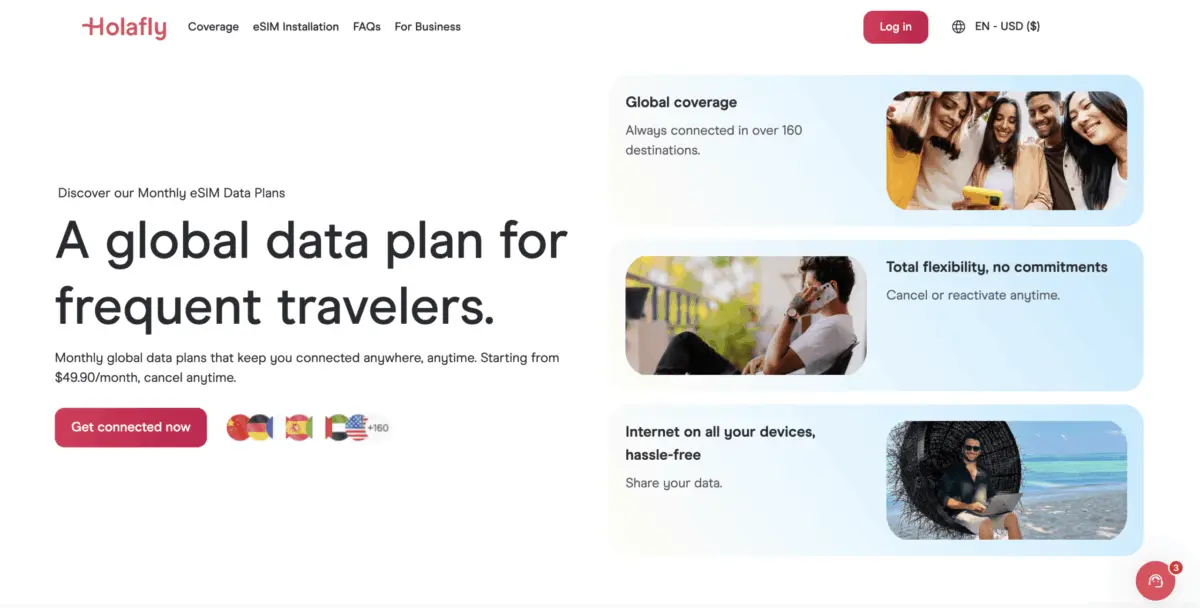
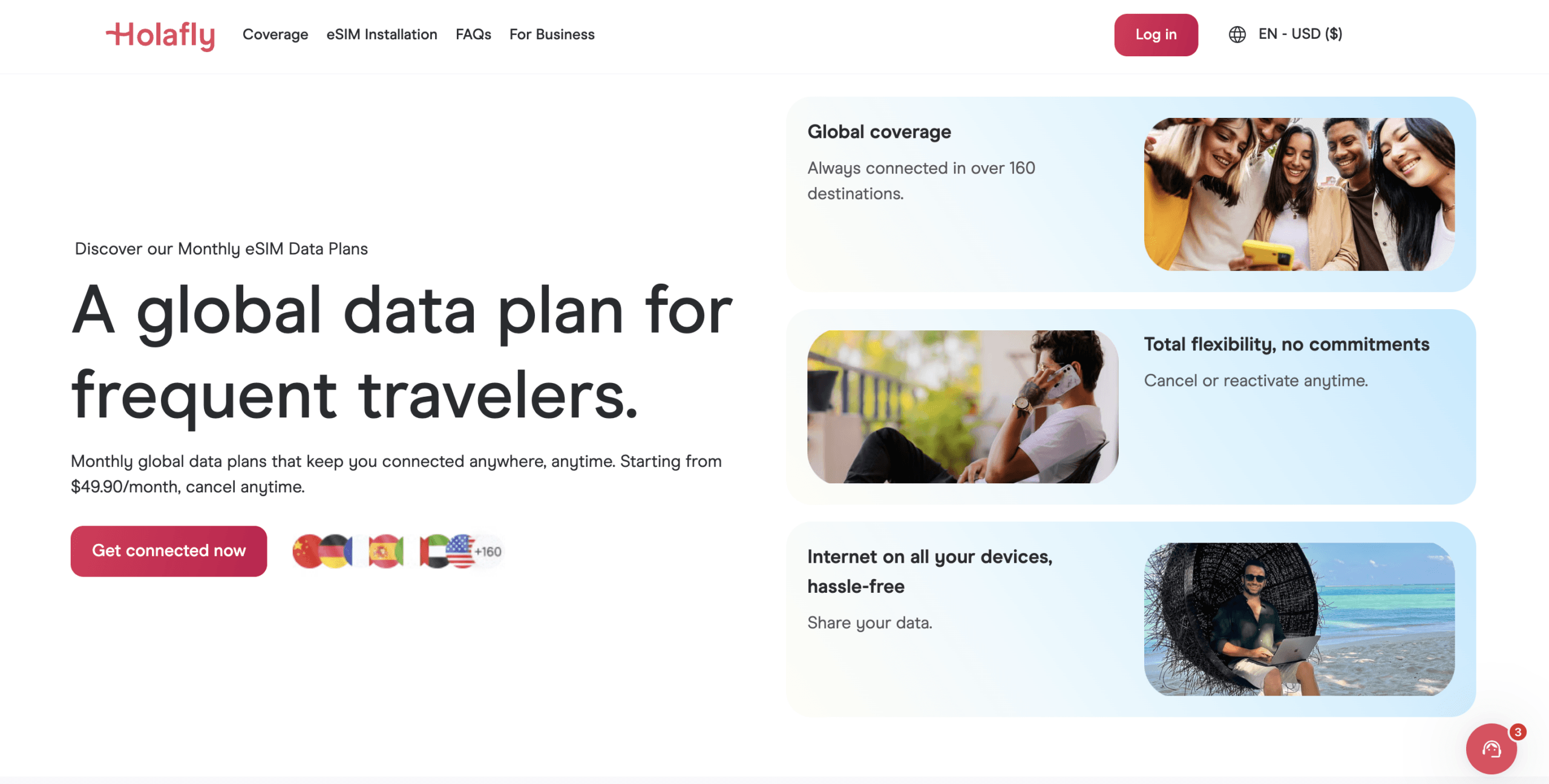
The international travel technology sector has seen a significant shift with the introduction of ongoing subscription models designed to eliminate the friction of cross-border connectivity. Travel connectivity provider Holafly has rolled out a new product line, Holafly Plans, offering a single global eSIM that maintains active coverage across more than 160 destinations through a continuous subscription.
The launch addresses a long-standing logistical hurdle for frequent travelers, long-term backpackers, and digital nomads who frequently transition between different countries. Traditional travel eSIMs have long functioned as single-use, trip-specific packages. Users select a specific destination, purchase a designated data volume or duration, and install a new digital profile for each journey. While efficient for isolated vacations, this model often creates a repetitive administrative cycle for individuals constantly on the move.
The newly introduced subscription service operates on a different mechanism. Rather than requiring users to manually purchase, download, and activate new digital SIM profiles every time they cross an international border, Holafly Plans relies on a single installed eSIM that automatically reconnects to local partner networks upon arrival in a new country. The service functions similarly to a traditional domestic mobile carrier’s roaming arrangement, but at a significantly lower price point and with broader international scope.
Understanding Holafly Plans and Subscription Tiers
The product is available in two distinct service tiers: Light and Unlimited. Both options provide continuous coverage across the same network of over 160 countries, require no annual binding contracts, and allow subscribers to cancel their service at any time. Billing options include monthly, quarterly, or yearly payment schedules, with discounted rates applied to longer commitments.

The Unlimited Plan caters primarily to heavy data users, remote professionals, and digital nomads who rely heavily on tethering and high-bandwidth applications. It features unthrottled data allowances alongside an unrestricted mobile hotspot capability, allowing users to share their phone’s connection with laptops and other devices while traveling. Additionally, this tier incorporates a local phone number originating from the United States, the United Kingdom, or Canada, enabling subscribers to receive standard SMS text messages while abroad.
For travelers with more moderate data needs, the Light Plan provides a monthly allocation of 25 gigabytes of high-speed data. This tier also includes mobile hotspot functionality and spans the same extensive geographic footprint. It is marketed toward individuals who primarily use their devices for navigation, messaging platforms, ride-sharing services, and occasional media consumption.
Both service tiers incorporate an automatic continuity feature known as Always On. Once a plan has been activated, subscribers receive a monthly allotment of one gigabyte of backup data across more than 150 destinations. This feature remains active permanently, even if the user eventually decides to cancel their primary subscription entirely.
Pricing structures for the plans vary depending on the chosen billing cycle and regional currency selections. For instance, the unlimited tier is priced at approximately $55 USD per month when purchased as part of an annual commitment. This rate positions the subscription significantly below the international roaming add-ons typically charged by major domestic telecommunications providers in North America and Europe, where unlimited international high-speed roaming fees frequently exceed $100 to $300 monthly. Quarterly commitments offer savings of approximately 10 percent, while annual subscriptions reduce overall costs by about 15 percent.
Classic eSIMs Versus Ongoing Global Subscriptions
Industry analysts note that the choice between a traditional single-trip eSIM and an ongoing global subscription largely depends on individual travel frequency and itinerary complexity. Classic destination eSIMs remain the most cost-effective and straightforward solution for travelers taking only one or two short international trips per year. For example, a traveler visiting Portugal for a two-week vacation can purchase a localized, single-use eSIM package quickly and economically without maintaining a year-round subscription.
Conversely, for professionals who spend the majority of the year outside their home countries and transition through multiple national borders within any given month, a standing global subscription offers substantial operational advantages. By replacing fragmented regional purchases with a unified billing structure and a consistent network profile, travelers avoid the risk of sudden connectivity drops at border crossings and eliminate the need to hunt for reliable Wi-Fi networks to purchase new QR codes upon landing.
Comparative market data indicates that while traditional major carrier roaming passes can cost upwards of $100 to $300 per month through daily add-on fees, and regional local SIM purchases can range between $60 and $120 monthly with fluctuating data limits, global eSIM subscriptions provide an integrated alternative. They combine unrestricted data policies, multi-device hotspot allowances, and automated global roaming into a single recurring digital product.
Market Reception and Target Demographics
The introduction of subscription-based eSIM technology reflects broader shifts in the remote work economy. As remote employment and location-independent lifestyles become more prevalent, telecommunications companies are increasingly challenged to provide seamless, borderless digital infrastructure that mirrors domestic service quality without prohibitive international fees.
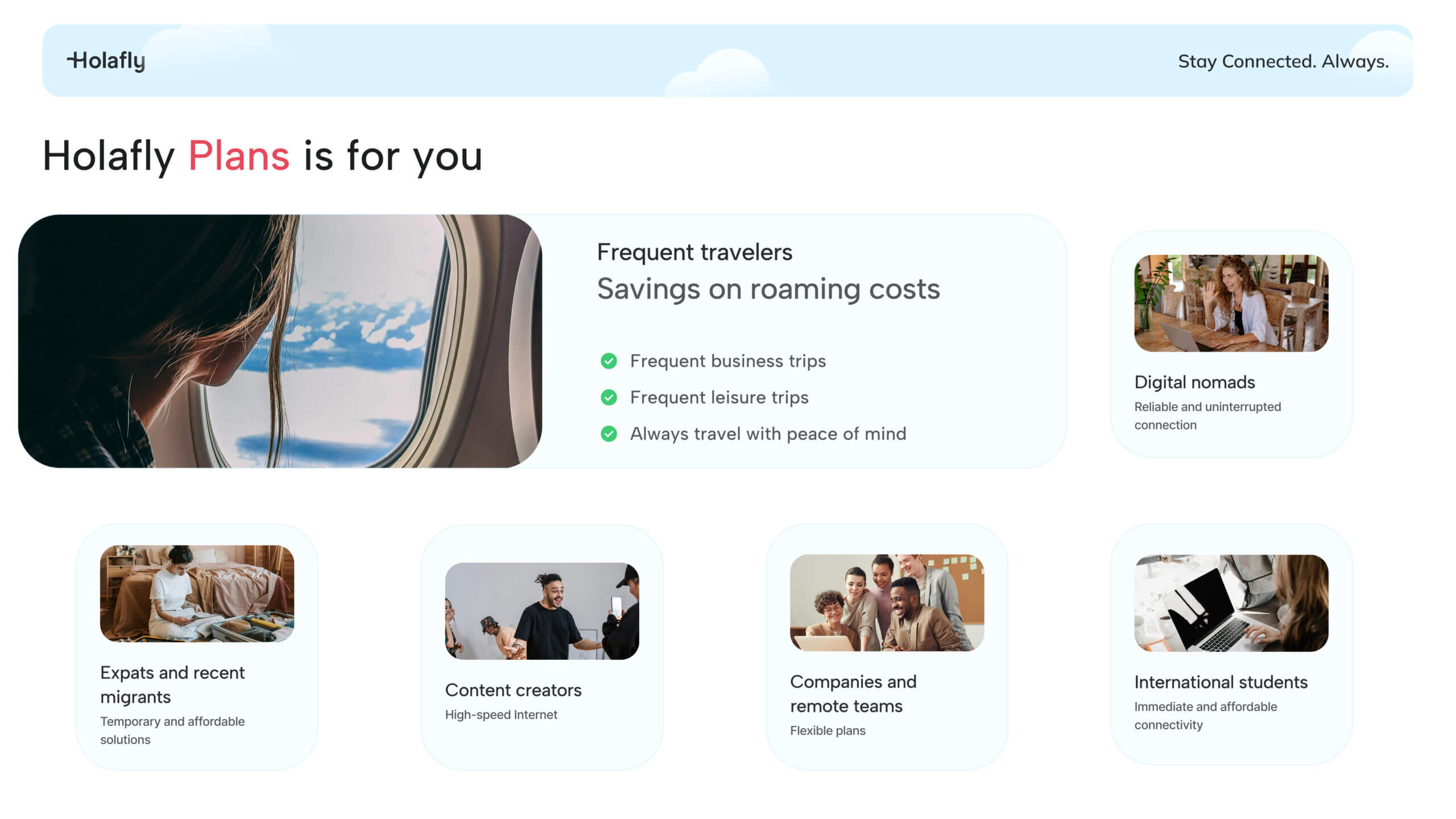
While the subscription model is optimized for long-term travelers, industry observers emphasize that it is not intended to replace traditional short-trip products entirely. Vacationers taking brief, predictable international trips will generally find localized, single-destination eSIMs more economical. However, for digital nomads, travel journalists, international consultants, and frequent flyers, the reduction in administrative overhead represents a major shift in how mobile connectivity is managed abroad.
The service is supported by continuous customer assistance channels and backed by consumer-friendly cancellation policies, positioning it as a competitive alternative to traditional legacy carrier international plans. As telecommunications technology continues to move away from physical SIM card hardware toward fully software-integrated digital profiles, global subscription models are expected to play a central role in the evolution of international travel logistics.