

After nearly two decades away, a veteran travel writer has returned to the Thai island of Ko Lipe, only to deliver a stark warning to the global tourism community: skip the destination entirely. Once celebrated as a pristine, off-the-beaten-path paradise where basic beach bungalows cost a few dollars and electricity ran for only a few hours a day, the island is now facing what experts describe as an unsustainable overdevelopment crisis.
The author, who originally spent close to a month on Ko Lipe in 2006, reflected on a time when the island embodied the ultimate, idyllic backpacker dream. Back then, daily life was defined by simplicity—reading on the sand, snorkeling in clear waters, enjoying a beer at the island’s sole beach bar, rotating meals among five local restaurants, and turning in early. It was a place where days easily morphed into weeks, and the experience left an indelible mark on his life, cementing itself as one of his all-time favorite travel memories.
For 19 years, the author consciously avoided returning, fearing that a second visit would shatter the powerful nostalgia and force him to chase "travel ghosts" in a landscape fundamentally altered by unbridled development. Knowing that Thailand’s tourism industry frequently leans toward aggressive, unchecked construction, the hesitation was rooted in a reluctance to witness the degradation of a cherished haven. However, while planning a recent route through Southeast Asia down the Indian Ocean side of Thailand toward Malaysia, logistics intervened. Needing a vibrant stop for New Year’s Eve that offered easy transit connections—including the international ferry to Langkawi—the author decided to confront his fears and revisit Ko Lipe.
The reality upon arrival proved disheartening. According to the firsthand account, Ko Lipe has fully embraced the Ko Phi Phi model of rapid, unsustainable tourism growth.
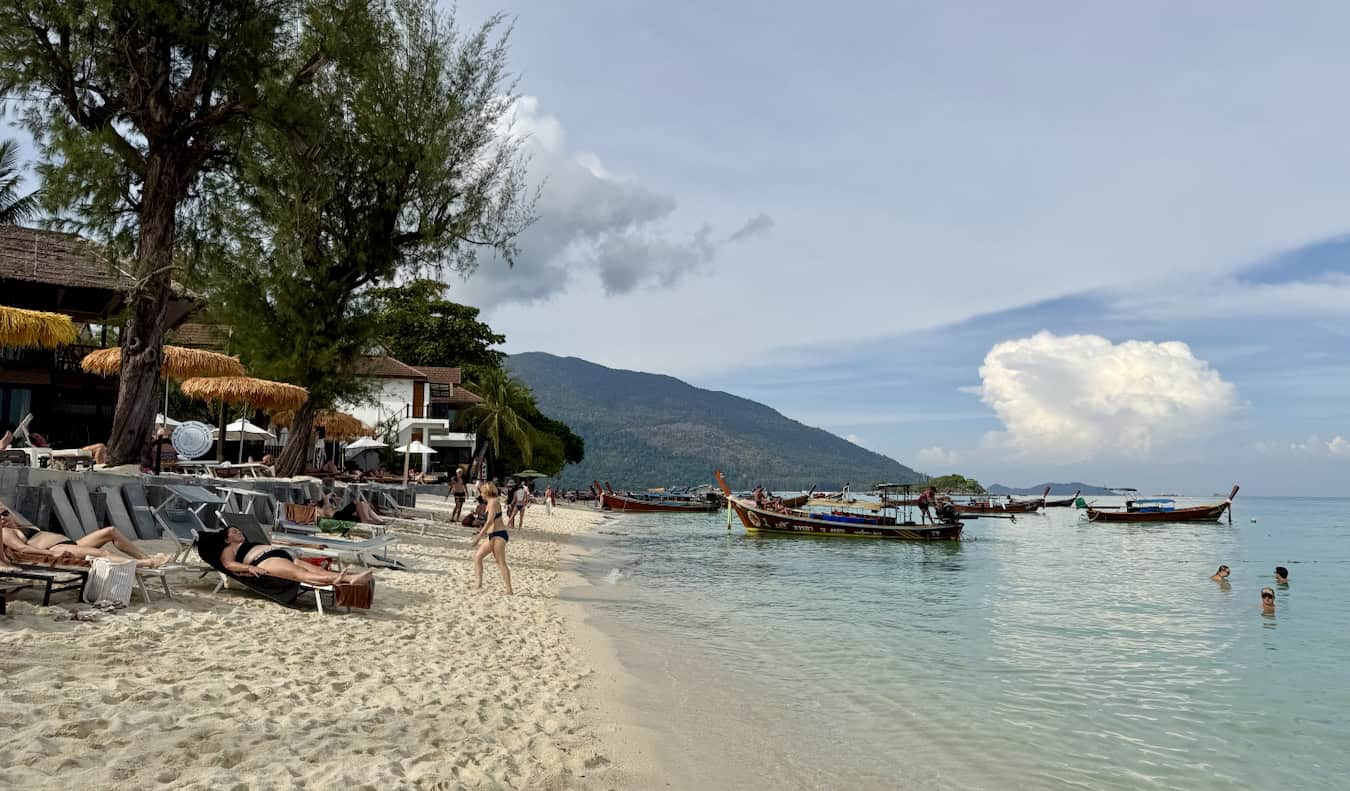
Most of the island’s landscape has been paved over. Traditional dirt footpaths have been replaced by concrete roads designed to accommodate cars and heavy construction trucks. Lush swaths of palm trees have been cleared to make way for high-end resorts equipped with swimming pools—a troubling addition on a small island that lacks a natural water supply. Meanwhile, construction projects continue at a relentless pace.
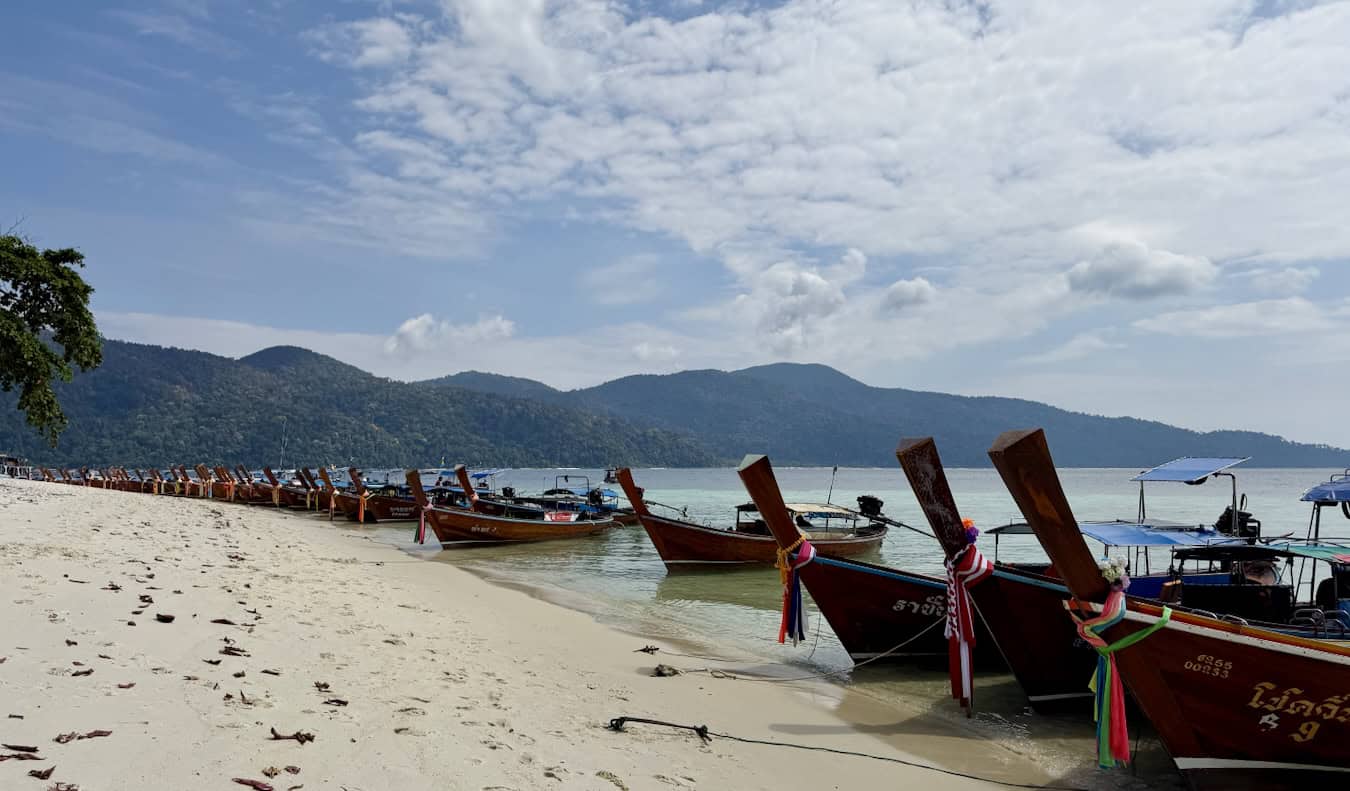
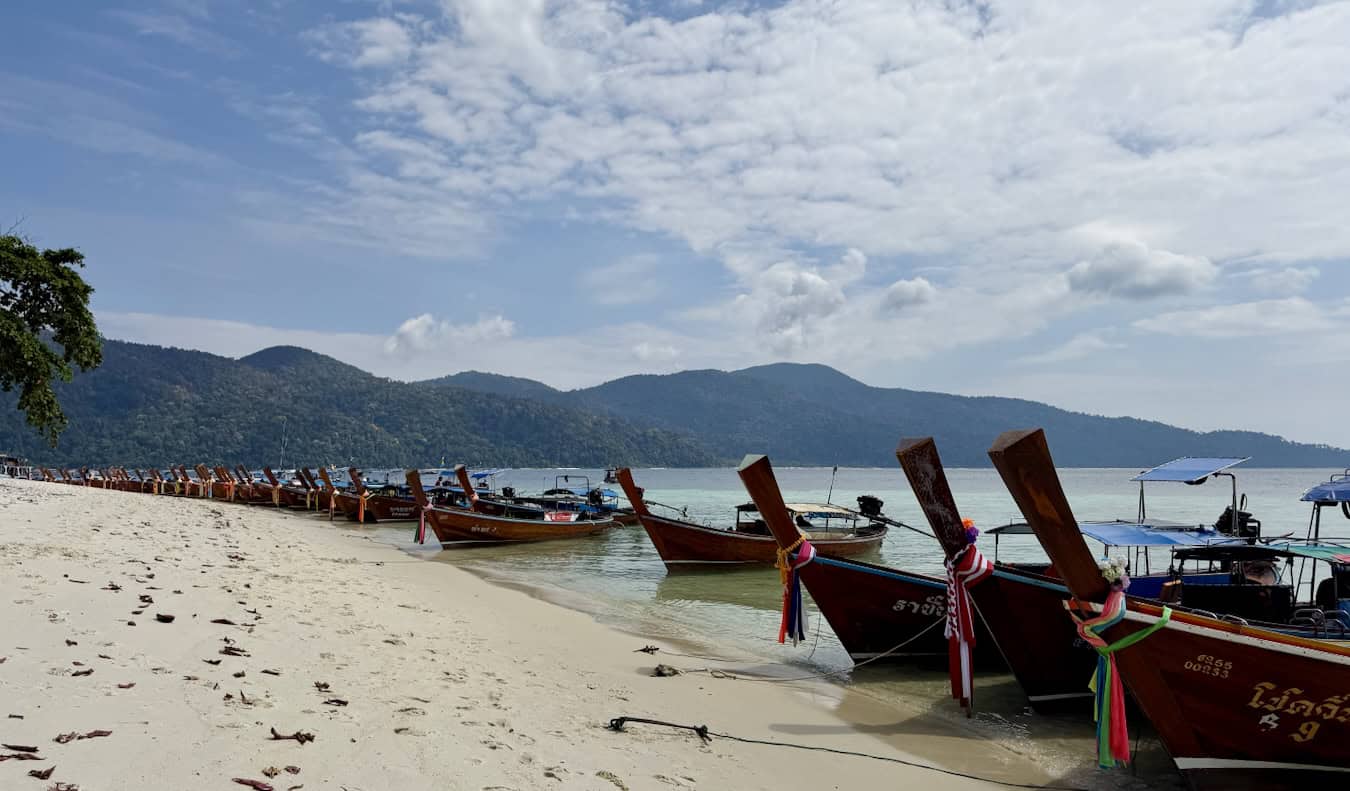
The ecological toll has been severe. The coral reefs surrounding the island are dying off, battered by heavy boat traffic, dropping anchors, pollution, and overfishing. The shoreline is now densely packed with longtail boats, their engines spilling exhaust directly into the coastal waters and leaving a noticeable oily sheen across the swimming areas. Furthermore, the local dining scene has shifted away from authentic Thai cuisine to cater heavily to tourists demanding Western food options.
The economic and social shifts have been equally pronounced. The rapid real estate boom has displaced numerous local residents, many of whom were compelled to sell their land to mainland developers. Consequently, much of the island’s current workforce hails from the mainland, reaping few, if any, financial benefits from the tourism windfall. Ko Lipe has thus become yet another casualty of Thailand’s persistent challenge with overdevelopment and the exploitation of limited island resources.
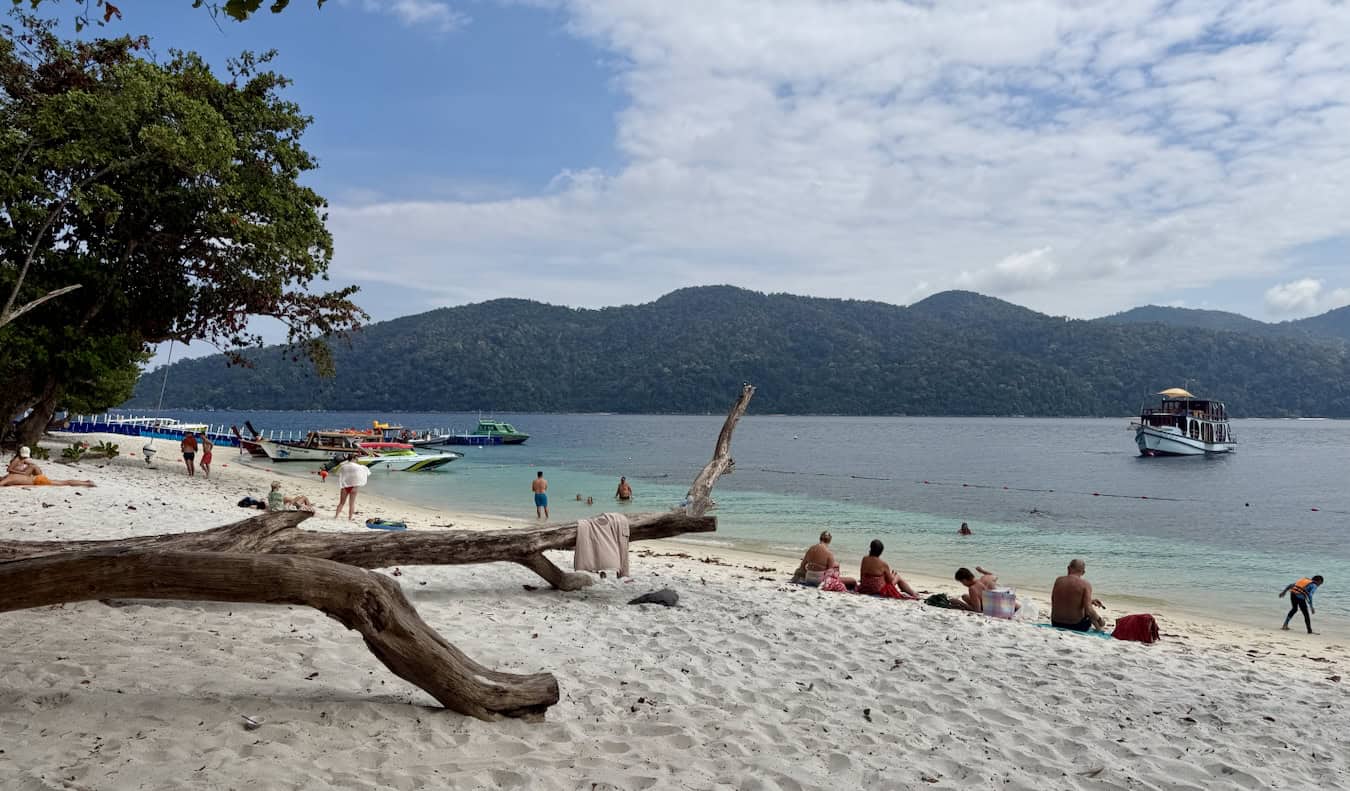
Despite these grim environmental and social realities, the author acknowledges why first-time visitors might still fall under the island’s spell. The surrounding geographic region remains postcard-perfect, characterized by brilliant azure waters, powdery white sand, and proximity to a protected national park that offers boat excursions to secluded neighboring islands. Compared to heavily congested hubs like Phuket, Krabi, or Ko Phi Phi, Ko Lipe can still feel relatively compact, prompting many newcomers to react with genuine awe.
Nevertheless, the overarching conclusion remains clear: travelers should actively choose to bypass Ko Lipe.
While growth in itself is not inherently negative, the unmanaged, rapid expansion witnessed on the island places an intolerable burden on fragile local ecosystems. Observers note that local residents cannot be expected to remain impoverished simply to preserve an idealized tourist fantasy, yet the current trajectory of development is fundamentally flawed.
Rather than contributing to the ongoing strain on Ko Lipe, travelers are encouraged to explore better-managed neighboring islands in the region, such as Ko Lanta, Ko Jum, and Ko Mook. The broader message emphasizes that individual consumer choices carry tangible consequences. Just as public consciousness successfully shifted trends away from elephant riding in Thailand and propelled the rise of eco-lodges, conscious travel decisions can influence industry standards.
While a collective shift in consumer behavior might not completely reverse the damage already done to Ko Lipe, choosing alternative destinations ensures that visitors stop fueling the crisis. For travelers striving to act as responsible stewards of the global environment, there comes a point where the only ethical choice is to recognize that enough is enough, and to take one’s tourism dollars elsewhere.