
Nearly two years after shocking his readership by purchasing a brand-new Tesla Model Y in a deliberate bid to spend more money, famous early-retirement advocate Peter Adeney—better known as Mr. Money Mustache—has tallied the results of his lifestyle experiment. Despite intentionally embracing an "abundance mindset" that included frequent travel, fine dining, and concert-going, his annual expenses remain remarkably low, proving just how deeply ingrained early-retirement frugality can become.
The financial blogger, who achieved financial independence and retired early nearly two decades ago, originally made headlines in early 2023 when he published a post detailing his active decision to loosen his purse strings. Writing at the time with a sense of ironic self-awareness, he recalled thinking he was a middle-aged iconoclast effortlessly adjusting his habits for the next chapter of the good life.
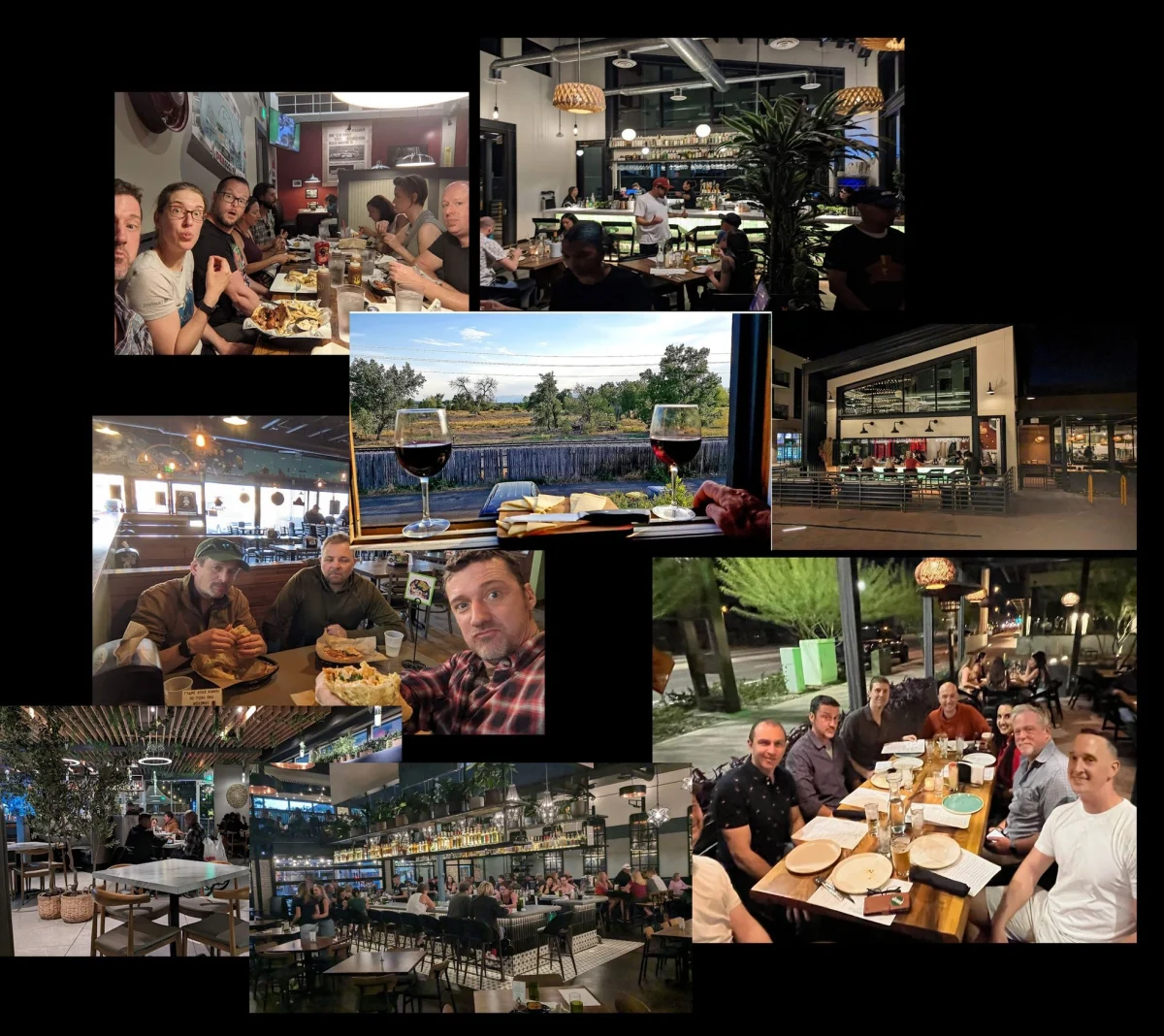
True to that vision, the past two years featured a significant ramp-up in experiential spending. Adeney embraced a lifestyle he associated with traditional wealth, booking upscale hotels, opting for roomier airline seats to avoid cramped conditions, and regularly dining out at stylish restaurants. Rather than strictly sticking to budget-friendly warehouse clubs like Costco and Sam’s Club, he frequented higher-end grocers such as Whole Foods, noting he felt zero hesitation about paying double for everyday items.

His social calendar reflected the same shift. As a single man for much of the period, he maintained an open schedule to meet up with friends and explore new destinations. Highlights included attending a series of late-night electronic dance music concerts with his son and visiting three distinct Meowwolf art installations, including a spontaneous Christmas Day road trip from his winter base in Tempe, Arizona, to Las Vegas.
With all this flashy spending taking place, Adeney assumed his budget would inevitably creep back into full American consumer territory. However, because he was having too much fun living out his travel-heavy lifestyle, he did not bother to add up the numbers until recently. The reckoning occurred when he was conducting informal coaching for a friend, prompting the two to tally their annual expenditures to compare notes.
When he finally sorted his transactions into a spreadsheet and calculated the total, the results came as a genuine surprise. While his overall spending did increase—driven primarily by travel-related categories—the macroeconomic impact on his net worth remained minimal. Depending on how business expenses and vehicle costs are categorized, his total annual outlay shifted from roughly $20,000 to approximately $30,000, bolstered by the hidden financial subsidy of a fully paid-off home.
This modest expenditure level remains easily sustainable through a traditional $1 million investment nest egg. Because his actual investment portfolio sits significantly higher than that benchmark—buoyed by years of robust economic growth and a resilient stock market rally—Adeney remains well under his theoretical financial limits. Although he humorously admits to having "failed" at truly ramping up his spending to the levels he once recommended for wealthy retirees, he expresses profound satisfaction with the experiment, noting that the abundance mindset genuinely enriched his daily life.
Breaking Down a Minimalist Yet Abundant Budget
A detailed look at the financial figures reveals where the money actually went over the course of the year. Adeney’s personal and business cards combined for a total outlay of $30,026.76.
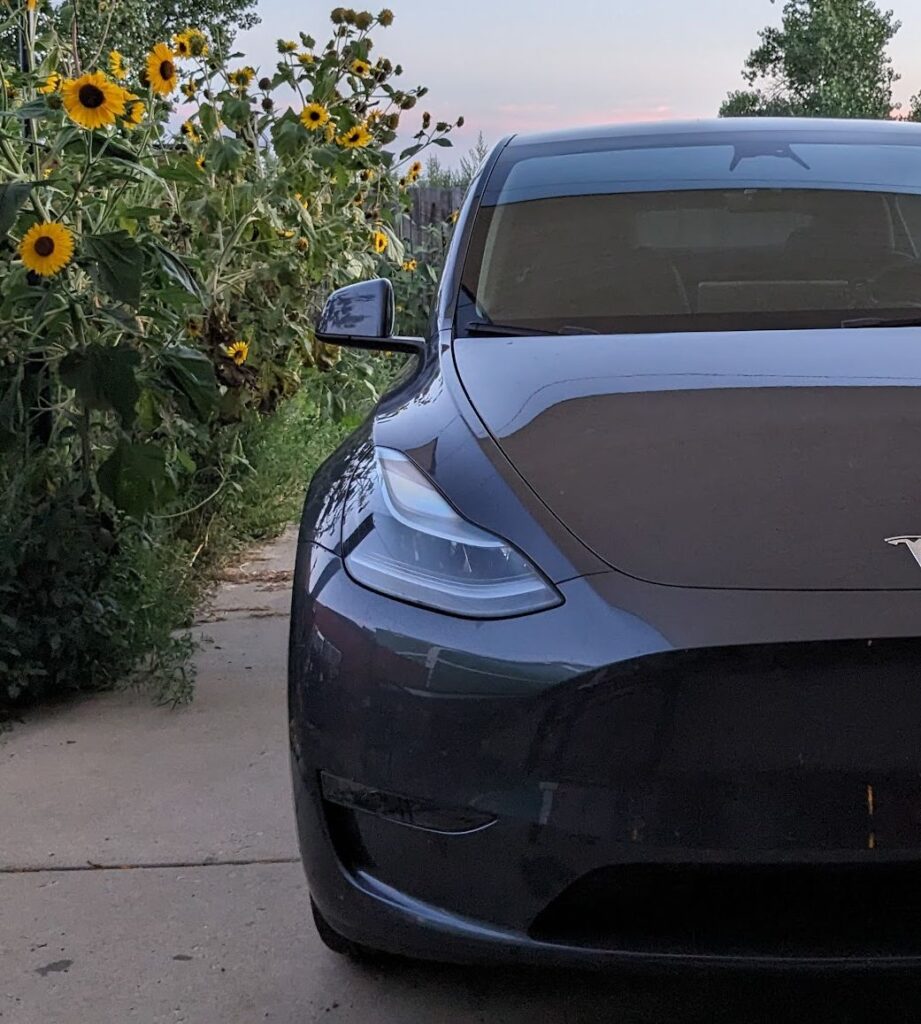
Groceries accounted for $5,960.39, a figure that covered food for himself, his young adult son about half the time, and occasional guests. Restaurants absorbed $2,243.59, which he notes was spent exclusively on special dining experiences rather than routine sustenance. Travel emerged as another major category at $6,158.77, encompassing personal trips as well as business-related travel for gatherings such as Camp Fi and various conferences.
Housing and household maintenance costs remained relatively low. Utilities totaled $1,909.51, while a combined Amazon and house category registered $3,554.10. Adeney clarifies that roughly 75% of the business-related transactions in that category actually represented construction materials purchased for clients—typically friends—which were later reimbursed via invoice. Property taxes stood at a reasonable $2,577.30, reflecting local valuations for homes in his neighborhood ranging between $500,000 and $600,000.
Automobile expenses, covering insurance and vehicle registration, totaled $2,425.21, though he acknowledges that factoring in formal depreciation would alter the exact figure. Technology costs included $1,410.56 for high-speed gigabit internet at $50 per month, alongside a modest monthly Google Fi mobile phone bill ranging from $25 to $30. Entertainment expenses for wine and beverages utilized for hosting guests came to $250.67.
Healthcare represented a notably streamlined expense of $3,536.66. Adeney maintains a cost-effective setup consisting of a direct primary care subscription combined with a high-deductible health-sharing plan through Sedera Health Sharing, supplemented by occasional advanced blood screening tests for educational purposes.
The Power of Paid-Off Housing and Alternative Healthcare
The most striking aspect of the budget remains the complete absence of a traditional housing payment. Having paid off his mortgage years ago, Adeney avoids monthly mortgage obligations entirely. Furthermore, because he personally handles home maintenance, repairs, and property upkeep, he incurs no bills for lawn mowing, plumbing, tree pruning, or handyman services.
While he acknowledges that locking up capital in a paid-off home is not always the mathematically optimal financial strategy—noting he could have theoretically secured a larger mortgage at 3% interest during the borrowing lows of 2021 and invested the principal in stock index funds—he emphasizes the unparalleled psychological peace of mind that comes with debt-free homeownership. Additionally, the arrangement saves him roughly $2,000 annually in traditional homeowners insurance.
On the medical front, Adeney continues to benefit from overall good health and fortune, incurring no major medical intervention costs. By pairing a top-tier direct primary care medical clinic membership—costing roughly $107 per month—with a Sedera high-deductible health-sharing plan costing about $201 monthly, his combined healthcare overhead sits at roughly $308 per month. This setup undercuts standard bronze-tier insurance plans while offering personalized, zero-deductible primary care and a safety net for catastrophic medical events.

Future Optimizations and Lifestyle Plans
Reflecting on the broader philosophy of money as a tool for self-actualization, Adeney continues to evaluate whether further changes could optimize his fortune. Guided by the happiness principle that fixing persistent daily frictions yields better returns than doubling down on already positive areas, he points to physical space constraints as his primary operational annoyance.
Living in a relatively compact home while maintaining space-intensive hobbies like construction and music has maxed out his current two-car, 440-square-foot garage workshop. While he has occasionally mused about expanding his workspace or acquiring a secluded mountain compound with a stream, he remains cognizant of the trade-offs involved in managing multiple properties. For now, he intends to keep those ambitious real estate ideas on the shelf while focusing on his existing commitments.
As he prepares for the months ahead, Adeney remains enthusiastic about carrying his newfound abundance mindset into the new year, balancing a packed personal schedule with ongoing lifestyle experiments. Meanwhile, reflecting on broader market conditions, he noted that potential regulatory shifts under the incoming presidential administration could soon impact federal incentives for electric vehicles, pointing out that current market conditions offer historically low pricing and tax credit opportunities for popular models like the Tesla Model Y and Model 3.