
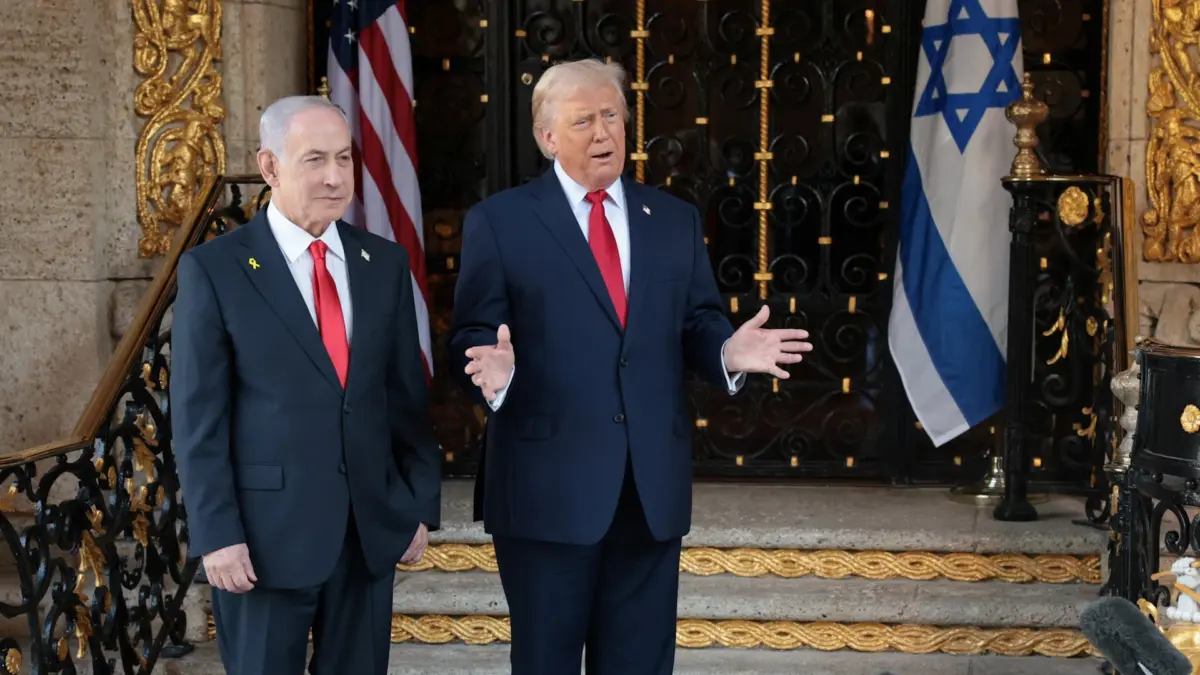
In a major political development that underscores the deeply intertwined nature of Washington and Jerusalem’s diplomatic ties, United States President Donald Trump has issued an official endorsement for Israeli Prime Minister Benjamin Netanyahu ahead of Israel’s upcoming national election. The high-profile backing, reported from Washington, D.C., by Al Jazeera’s Patty Culhane, signals explicit executive support from the United States government for Netanyahu’s continued leadership at a pivotal moment in Middle Eastern politics.
The endorsement represents a significant political gesture that highlights the enduring personal and ideological alliance between the two leaders. Formal public endorsements by a sitting American president in foreign elections are relatively rare in international diplomacy, as world leaders typically maintain a degree of formal neutrality to preserve flexibility and respect the sovereign electoral processes of allied nations. By openly declaring his support for Netanyahu, Trump has departed from traditional diplomatic protocol to deliver a clear message to the Israeli electorate and the broader international community regarding Washington’s preferred leadership in Jerusalem.
Reporting from Washington, Al Jazeera’s Patty Culhane detailed how the timing and wording of the endorsement carry substantial weight within political circles in both countries. For Netanyahu, who is navigating a highly competitive national election, receiving direct backing from the President of the United States offers a major political boost. Throughout his career, Netanyahu has framed his close working relationship with American leaders as one of his greatest diplomatic assets, arguing to voters that his unique access to Washington is essential for maintaining Israel’s national security and strategic interests.
The relationship between Donald Trump and Benjamin Netanyahu has long been defined by shared policy priorities and public displays of mutual support. During their overlapping terms in office, the two leaders have collaborated closely on major geopolitical decisions, shifting regional dynamics and solidifying key security partnerships. Trump’s decision to formally endorse Netanyahu reinforces this long-standing dynamic, reaffirming that the White House views Netanyahu as a crucial partner in advancing shared national security objectives and foreign policy goals across the region.
Within the context of domestic Israeli politics, foreign policy and relations with the United States are critical issues that frequently dictate campaign narratives. Israel’s political landscape is characterized by a parliamentary system with multiple political parties, where governing coalitions are formed through delicate negotiations. In this environment, a candidate’s ability to demonstrate strong, reliable ties with the United States is often viewed by voters as a vital qualification for holding the premiership. Trump’s official backing provides Netanyahu’s campaign with a powerful endorsement to rally his core supporters and appeal to undecided voters who prioritize international relations and national defense.
However, the endorsement also triggers intense debate among political analysts and opposition figures within Israel. Opponents of the Prime Minister have often argued that foreign leaders should refrain from weighing in on internal democratic elections, suggesting that public endorsements can politicize the broader bilateral alliance between the United States and Israel. Despite these criticisms, high-level declarations of support from Washington remain potent political tools that can significantly influence public perception, debate, and voter turnout during election cycles.
From the perspective of United States foreign policy, the endorsement underscores Washington’s explicit focus on strategic continuity in the Middle East. The bilateral relationship between the United States and Israel is built upon extensive intelligence sharing, joint military exercises, defense technology collaboration, and long-term security commitments. By publicly aligning himself with Netanyahu, Trump signals to international observers, allies, and regional adversaries alike that Washington remains committed to maintaining a strong, unified front with Israeli leadership.
The announcement from Washington has drawn considerable attention from diplomatic observers and international media outlets. News organizations covering the U.S. capital have highlighted how the endorsement reflects Trump’s broader approach to international affairs, which often emphasizes strong personal relationships with specific foreign leaders. Foreign policy experts note that such public declarations are designed not only to influence the outcome of the foreign election itself but also to send a clear message to third-party nations regarding Washington’s strategic priorities and regional posture.
Geopolitically, the timing of the endorsement comes at a crucial moment for the Middle East. The region continues to navigate complex security challenges, evolving diplomatic alignments, and significant economic realities. A publicly reaffirmed political alliance between Washington and Jerusalem provides a strong indicator of how key bilateral initiatives will be handled moving forward. Observers across regional capitals are carefully monitoring the development to assess how Netanyahu’s potential re-election, backed by executive support from Washington, will shape future diplomatic engagements, defense partnerships, and regional security frameworks.
Historically, U.S. presidential commentary on foreign elections has varied widely depending on the administration, the nation involved, and the specific geopolitical environment. While previous administrations have often opted for subtle signals or generalized statements emphasizing the strength of democratic institutions, direct and unambiguous endorsements remain a distinct feature of high-stakes foreign policy moments. When a U.S. president takes the explicit step of endorsing a foreign head of government, it signals a high degree of confidence in that leader’s alignment with American national interests.
As the campaign trail in Israel grows increasingly active, political strategists on all sides are recalibrating their messaging to address the international dimension of the race. For Netanyahu’s Likud party and its allies, Trump’s endorsement will likely feature prominently in campaign literature, speeches, and media broadcasts. It allows the incumbent Prime Minister to present himself as a global statesman who commands respect in the highest corridors of power in Washington. Conversely, opposition leaders face the delicate challenge of offering an alternative vision for the country’s domestic and foreign policy without appearing to challenge the vital underlying alliance with the United States.
The domestic response within the United States also plays an important role in how the endorsement is received. Foreign policy decisions regarding the Middle East remain a subject of active discussion among members of the United States Congress, policy think tanks, and political advocacy groups. Trump’s decisive public backing of Netanyahu aligns with his established policy track record and reinforces his standing among domestic constituencies that advocate for an uncompromising, supportive stance toward Israel’s current political leadership.
As reporting continues to emerge from Washington and Jerusalem, foreign ministries around the globe are taking note of the political declaration. The endorsement serves as an indicator of the direction of U.S. policy in the region, offering foreign diplomats insight into how bilateral negotiations, military aid agreements, and joint diplomatic ventures might proceed following the conclusion of the Israeli vote.
With the election approaching, voters in Israel will ultimately decide whether to extend Prime Minister Benjamin Netanyahu’s tenure in office. While domestic issues such as the economy, social policies, and internal governance will weigh heavily on the minds of voters, the international standing of the country remains a paramount concern. Donald Trump’s official endorsement stands as one of the most visible foreign policy developments of the current election cycle, highlighting the deep political alignment between the two leaders and reinforcing the powerful bond that connects political outcomes in Jerusalem with decision-making in Washington.