
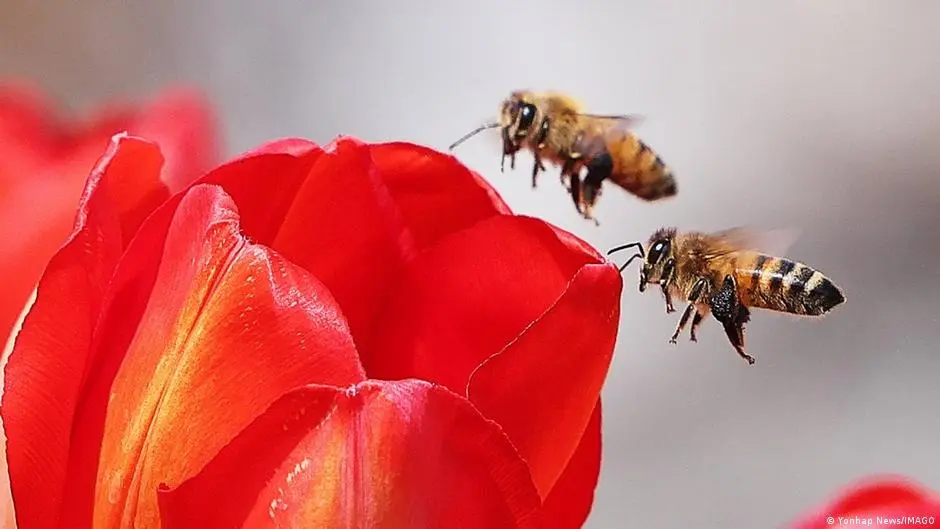
From the microscopic bacterial communities thriving within the human digestive tract to the massive blue whales navigating the open ocean, biodiversity encompasses the entire tapestry of living organisms on Earth. In its simplest terms, biodiversity is nature itself. Within this planetary network, living systems operate much like a finely tuned team: every species, regardless of its size, carries out a specific role that keeps the broader environment functioning and resilient.
When diverse species—from towering forest canopies to soil-dwelling invertebrates and apex predators—work in unison, they create the conditions that make human civilization possible. They regulate local and global weather patterns, maintain the microbial health of arable soils, filter freshwater reserves, and support the agricultural systems that nourish billions of people. Known to researchers and economists as ecosystem services, these biological processes form the hidden foundation of human health, economic stability, and day-to-day survival.
Yet because these natural systems have operated quietly in the background throughout human history, their true value is frequently overlooked until they begin to break down.
"It is really an abstract concept, but we experience it absolutely every day," said Rebecca Shaw, chief scientist at the World Wildlife Fund (WWF). "And we almost never think about it when nature is functioning."
Today, however, an escalating ecological crisis is forcing scientists and policymakers to confront what happens when those invisible systems falter. Driven by human expansion, ecosystems worldwide are being pushed toward critical thresholds. The relentless spread of intensive agriculture, the burning of fossil fuels, rampant deforestation, and pervasive pollution from synthetic chemicals and plastics have combined to place unprecedented strain on global wildlife and habitats.
The consequences of this pressure are laid bare in the WWF’s latest Living Planet report, which tracks the health of monitored animal populations across the globe. According to the report, monitored vertebrate populations—spanning mammals, birds, amphibians, reptiles, and fish—have suffered a catastrophic average decline of 73 percent over the past 52 years. The situation is even more dire in freshwater environments, where monitored populations have plummeted by an average of 85 percent over the same period.
These figures align with broader scientific assessments warning that approximately one million animal and plant species are currently threatened with extinction unless humanity radically scales back its environmental footprint. Land-use changes, particularly the clearing of forests that shelter more than 80 percent of terrestrial species, remain among the most devastating drivers of this biological impoverishment.
"It is a really steep decline," Shaw observed, warning that the loss of wild populations serves as an early indicator of wider systemic danger. "What it’s telling us is that nature is in trouble, and it’s an early warning indicator of the fabric of life that we depend on for freshwater and food and for clean air is unravelling."
The mounting ecological emergency forms the backdrop for the COP17 United Nations biodiversity summit in Yerevan, Armenia. Over the course of two weeks, thousands of government delegates, business executives, scientists, and civil society advocates are convening to negotiate and accelerate strategies aimed at halting and reversing nature loss by the end of the decade. Yet diplomatic progress toward internationally agreed-upon 2030 conservation targets remains sluggish, hindered by persistent shortfalls in financing, regulatory gaps, and difficulties in translating international pledges into concrete domestic action.
What happens when ecosystem services decline or disappear?
To grasp the practical consequences of biological decline, researchers point to the historical destruction of wetlands. Between 1700 and 2000, roughly 85 percent of the world’s wetlands were drained, filled, or degraded to make way for agriculture and urban development. Beyond serving as habitats for diverse aquatic life, wetlands function as natural water purification facilities.
A study conducted by researchers at Canada’s University of Waterloo illustrated the economic magnitude of these natural functions in Southern Ontario. The researchers found that the region’s remaining marshes, bogs, and swamps perform natural water filtration services valued at 4.2 billion Canadian dollars (approximately 2.63 billion euros) each year. By trapping sediments and absorbing surplus agricultural nutrients like phosphorus before they reach lakes and rivers, these habitats preserve the purity of drinking water supplies.
When wetlands are dismantled, that protective barrier vanishes. Runoff flows unfiltered into water bodies, degrading aquatic ecosystems and triggering toxic algal blooms. Municipalities are left with no choice but to build and operate costly water treatment plants to replace the work nature once performed free of charge.

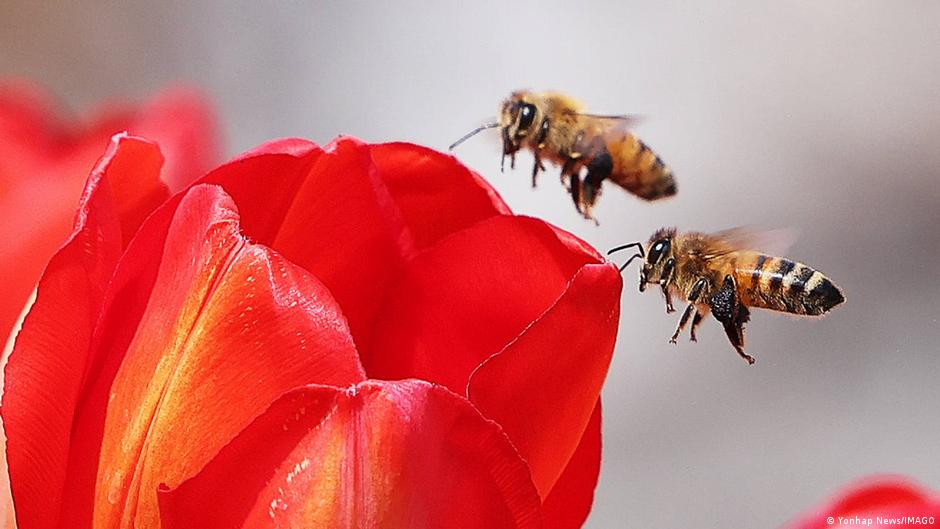
A parallel vulnerability exists across global food systems, where the steady decline of pollinating insects and animals poses an immediate threat to human nutrition. More than 75 percent of the world’s leading food crop varieties rely to some extent on animal pollination, particularly by bees, butterflies, bats, and other insects. As these creatures suffer from pesticide exposure, habitat fragmentation, and climate extremes, the yield and quality of fruit, vegetable, and seed crops come under growing pressure.
Compounding this crisis, the degradation of soils and broader ecosystem health is colliding with climate-induced weather anomalies. Increasingly frequent droughts, heatwaves, and severe storms are already undermining agricultural yields worldwide. A comprehensive assessment from the United Kingdom government warned that every critical ecosystem is currently on a "pathway to collapse," cautioning that the erosion of nature constitutes a direct hazard to international food security, supply chain resilience, and global geopolitical stability.
The threat extends far beyond the borders of individual countries where habitats are degraded. In an interconnected world economy, disruptions to natural systems in one region quickly reverberate across international markets.
"The UK, like many other countries, relies on imports for much of the food and so is reliant on ecosystems around the world," said Louise McRae, a research fellow at the Zoological Society of London and a co-author of the Living Planet report. "This is why we need to care about global biodiversity."
The degradation of the natural world also jeopardizes the future of human health care and pharmacology. Roughly half of all modern pharmaceuticals are derived directly from natural biological compounds. Penicillin, the foundational antibiotic that revolutionized medical science and has saved an estimated 500 million lives since its introduction, was discovered from a common mold; prior to its development, minor cuts and routine bacterial infections routinely proved fatal.
According to the World Health Organization, approximately 70 percent of cancer therapies currently in use are natural products or synthetic substances inspired by molecules found in nature. Specialized species, such as brightly colored poison frogs whose skin secretions contain potent biological chemicals, offer promising avenues for new analgesics, heart medicines, and antibiotics. When species vanish before their chemical and biological traits can be studied, the medical therapies they might have inspired disappear with them.

Does it really matter if one species disappears?
In complex ecological networks, the loss of a single species does not always trigger immediate collapse. If one organism is eliminated, another with comparable dietary habits or environmental functions may step into the void, preventing total disruption. However, this biological redundancy is limited. The system breaks down entirely when the species in question is a keystone species—an organism that plays a foundational role in defining the structure, health, and stability of its broader environment.
The common oyster provides a clear demonstration of how a single keystone animal shapes entire marine landscapes. Worldwide, wild oyster reefs have experienced catastrophic losses, with approximately 85 percent destroyed through decades of overfishing, mechanical dredging, coastal development, and water pollution.
Under healthy conditions, a single adult oyster is capable of filtering up to 50 gallons (roughly 190 liters) of water every day, clearing suspended particles and excess nutrients from coastal bays and estuaries.
"No one would ever think they did anything but sit in a shell and be slimy," Shaw said. "But you lose oysters, you can lose water filtration and clean water, you can lose the habitat for many other species that we interact with or sometimes consume."
Oyster reefs also function as natural breakwaters, buffering shorelines against storm surges and mitigating coastal erosion. When wild reefs are destroyed, coastal human communities find themselves significantly more exposed to rising tides and violent storms.
The unintended consequences of species removal can also alter the ecology of human disease. Research in North America has linked local reductions in red fox populations to spikes in Lyme disease among humans. Because foxes serve as major predators of small rodents that carry blacklegged ticks, their absence allows rodent populations to surge, increasing tick densities and elevating the transmission of the tick-borne bacterial infection to people.

Is humanity living through a sixth mass extinction and is it too late to prevent it?
Throughout Earth’s 4.5-billion-year history, life has weathered five major mass extinction events, defined as short geological intervals during which the majority of all living species died off due to catastrophic planetary disturbances. While background extinction is an inherent part of natural evolutionary history, the rate at which plant and animal species are disappearing today is hundreds of times higher than natural historical levels. This acceleration has led a growing consensus of Earth system scientists to conclude that the planet is entering a sixth mass extinction—the first driven primarily by the actions of a single species.
Despite the severity of the findings, researchers emphasize that acknowledging the scale of biological loss must not lead to resignation. Despair, they argue, risks paralyzing conservation initiatives at the very moment decisive action is most needed.
McRae emphasized that while the downward trajectory documented in the Living Planet report cannot be ignored, the data should serve as a wake-up call rather than an invitation to fatalism.
"The statistics are there to just motivate us to action rather than to cause alarm," McRae said.
Conservation history demonstrates that targeted interventions can successfully reverse deep ecological declines. Decades of targeted protection have allowed green sea turtle populations to mount significant recoveries in various parts of the world. By legally sheltering key nesting beaches from coastal development and poaching, and by modifying commercial fishing gear to minimize accidental catches, marine conservationists succeeded in reversing what had been a devastating trajectory of decline.
The ecological restoration of the North American Pacific Coast offers another striking example of systemic recovery. During the 18th and 19th centuries, maritime commercial hunting drove sea otters to near extinction for the commercial fur trade. With their primary predator gone, herbivorous sea urchin populations proliferated unchecked, consuming and razing expansive underwater kelp forests.

The collapse of the kelp ecosystems eliminated vital breeding grounds and shelters for hundreds of marine organisms, degraded natural coastal wave buffers, and undermined one of the ocean’s most effective natural carbon-capturing habitats.
Following national and international bans on commercial hunting, sea otter populations gradually stabilized and returned to their historical ranges. As the otters resumed preying on urchins, the pressure on marine vegetation eased, enabling kelp forests to regrow along the coast.
"You can see that ripple effect that really had an obvious and a measurable impact. But critically, it can be reversed," McRae noted. She pointed out that while the biodiversity crisis and climate breakdown compound one another, they also share integrated solutions: protecting coastal vegetation, restoring native woodlands, and rewilding wetlands store atmospheric carbon while simultaneously rebuilding essential wildlife habitats.
Translating isolated conservation victories into a planet-wide turnaround remains the central hurdle facing researchers and negotiators at gatherings like COP17.
"We’re learning how to turn things around at very small scales," Shaw said. "Now the real challenge is to turn things around at very big scale so we can see it in the global indicators."