
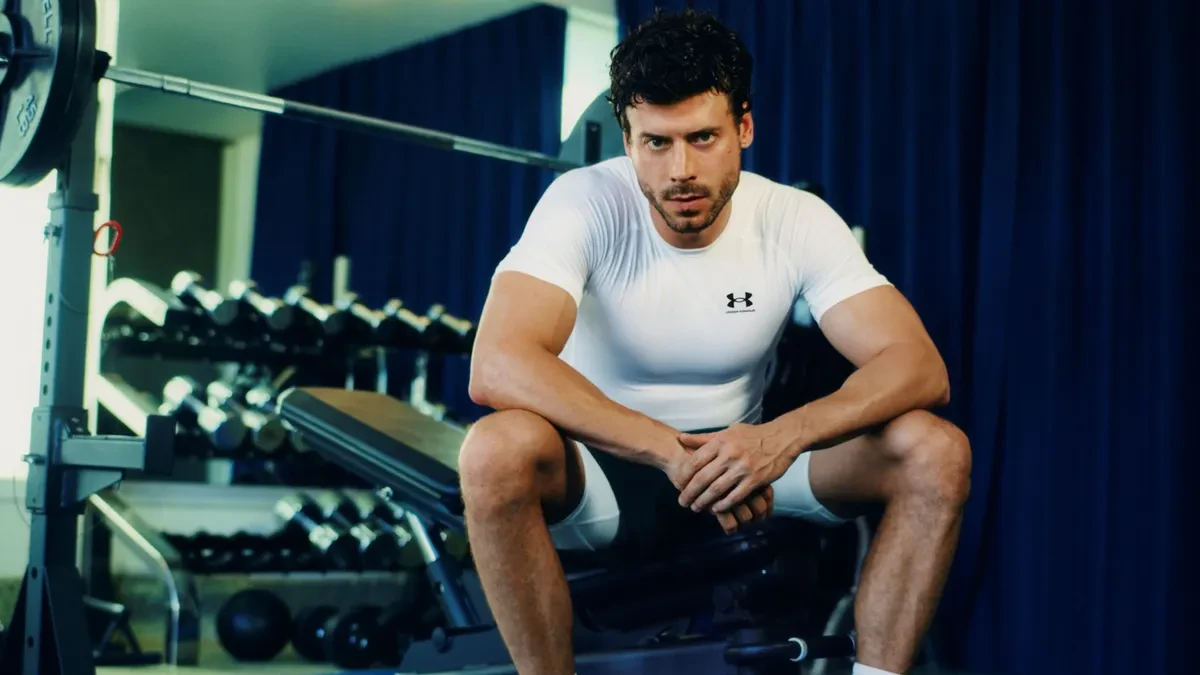
Under Armour is navigating a high-stakes operational overhaul, leaning heavily into a strategy of premium positioning and streamlined product assortments even as its financial metrics reflect ongoing top-line pressures. The athletic apparel and footwear giant recently reported its second-quarter earnings, highlighting that while it met internal company expectations, overall revenue still slipped by 7% to $1.2 billion.
The revenue contraction was widespread, touching both direct-to-consumer (DTC) and wholesale channels, and affected every geographic region except for Latin America. At the same time, all three of the company’s primary product categories—apparel, accessories, and footwear—experienced declines, culminating in a modest net loss of $425,000 for the quarter.
These figures arrive as the brand attempts to execute a broad store revamp and reposition itself higher up the market value chain. Rather than relying on volume and heavy promotional discounting, Under Armour is aggressively shrinking its product catalog in an effort to drive full-price sales and enhance brand desirability.
A Core-Pruning Strategy: Doubling Down on SKU Reductions

In light of these persistent challenges, Under Armour is doubling down on a simplified product assortment. The company is planning to decrease its number of stock-keeping units (SKUs) by another 25%, a move that comes swiftly on the heels of a completed 25% reduction executed just months prior in May.
The overarching logic of this strategy is to sell fewer overall products, but to sell a higher volume of them at full price. Leadership hopes this deliberate scarcity and focus on core items will be further bolstered by updates to its physical store footprint, such as introducing outlet shoppers to a greater proportion of full-price merchandise. By trimming the fat from its inventory, Under Armour aims to clear out noise in retail displays and present a cleaner, more focused brand identity to consumers.
However, executing this strategy requires a delicate balance. Slashing inventory inherently creates short-term revenue headwinds, a reality that has contributed to the company’s recent top-line dips. The critical question for the brand is whether consumers will embrace the higher price points and streamlined choices once the dust settles.
Telling Stories Instead of Just Selling Products
Paired with its inventory rationalization, Under Armour is fundamentally shifting how it approaches marketing. The retailer is moving away from a high-volume, fragmented advertising model and is instead focusing on producing fewer, larger, and more impactful marketing campaigns.

Leadership outlined that the brand plans to release one major product story each month, signaling a belief that marketing represents one of the company’s most significant untapped opportunities for growth. The core philosophy behind this pivot is that physical performance gear requires a narrative to resonate with modern shoppers in a crowded marketplace.
“We have what we need—we’ve got leadership, we’ve got budget, and we absolutely have desire—but frankly, as we’ve found, just putting things out there and putting an Under Armour logo don’t do it,” leadership noted during a recent discussion on the strategy. “A shirt or a shoe without a story is just a shirt or a shoe. The riches we have from innovation—I don’t think there’s another brand that is close—we just need to make sure that people actually see that.”
The company has already begun deploying this high-profile storytelling playbook earlier this year. Notable efforts include securing “Heated Rivalry” star François Arnaud as a global brand ambassador and launching a major campaign for its Bouncy Tee featuring K-pop band BoyNextDoor. These partnerships underscore a concerted push to align the athletic brand with cultural touchstones and elevate its aesthetic appeal beyond traditional gym wear.
The Analyst Perspective: Cautious Optimism Meets Harsh Critique
Wall Street and retail analysts are largely adopting a wait-and-see approach as Under Armour works to execute its turnaround strategy. Financial firms like Telsey Advisory Group noted in emailed comments that while Under Armour has done a commendable job managing its costs during a turbulent period, the market has yet to see meaningful signs that the brand’s products are truly resonating with consumers in a way that allows revenues to inflect back toward sustainable growth.

Other retail experts have offered a more critical assessment of the brand’s current market standing. GlobalData Managing Director Neil Saunders labeled the company’s recent financial results as “another chronic underperformance,” pointing out that Under Armour has lost more than one-fifth of its quarterly revenue over a three-year span.
While Saunders acknowledged that some of these recent declines are the intentional byproduct of deliberate corporate actions—such as cutting back on promotional discounting and executing aggressive SKU reductions—he argued that they also highlight much deeper, structural problems regarding consumer relevance.
“The fact here is that Under Armour is not simply going through a temporary period of softness, but has a much more fundamental problem with its relevance to consumers,” Saunders wrote in emailed comments.
Saunders further noted that this disconnect is readily apparent within third-party retail environments. Even highly successful sporting goods retailers, such as Dick’s Sporting Goods, often struggle to make Under Armour store sections look compelling to shoppers. According to Saunders, assortments frequently come across as random and disconnected, with too many products unsuccessfully attempting to straddle the line between lifestyle fashion and technical athletic functionality.
As Under Armour continues its multi-pronged transformation, the coming quarters will test whether its gamble on reduced inventory, elevated price points, and monthly narrative-driven marketing can successfully recalibrate its positioning and win back market share in the fiercely competitive global athletic wear landscape.