
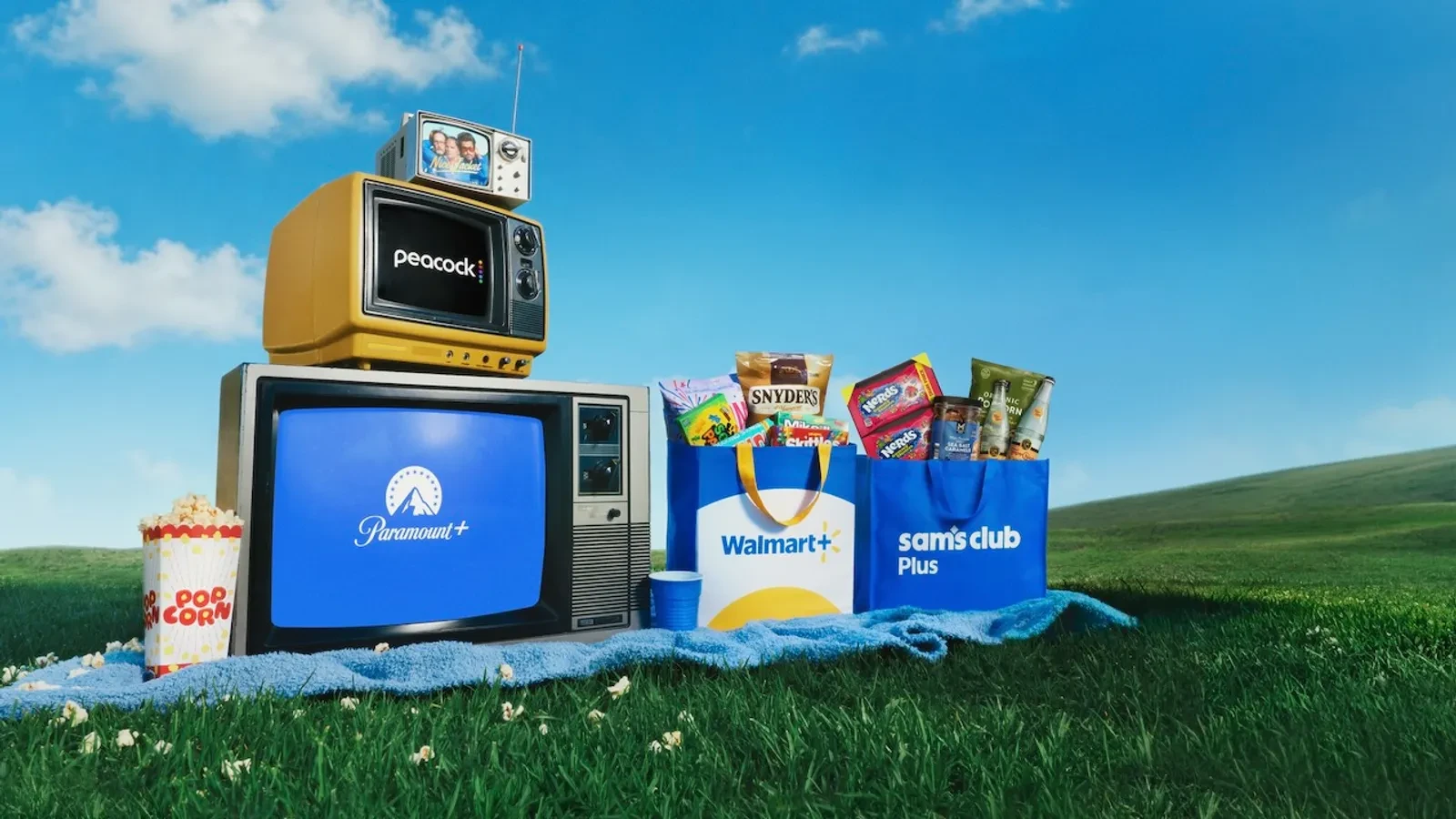
Retail giant Walmart has launched a powerful new competitive salvo against Amazon, rolling out a bundled membership package that combines its Walmart+ program with Sam’s Club Plus subscriptions. The offering yields a savings of nearly $100 for consumers, arriving at a critical juncture when shoppers across the United States are grappling with ongoing economic pressures, elevated inflation, and heightened anxieties regarding job security.
The strategic move represents the latest escalation in an intensifying battle for consumer loyalty, recurring revenue, and retail dominance between the world’s largest brick-and-mortar retailer and the reigning king of e-commerce. By packaging everyday delivery perks with wholesale club access and entertainment options, Walmart is directly challenging the long-standing supremacy of Amazon Prime.
Dive Insight
This aggressive new offering from Walmart lands at a time when consumers are heavily battered by rising prices and growing apprehension about the broader economy. Consumer confidence has sagged toward multi-year lows, driven down by persistent inflation and growing job market anxieties. In this climate of financial caution, retail strategies that emphasize tangible value and comprehensive savings have taken center stage.
Industry analysts view the combined membership structure as a direct assault on Amazon’s flagship subscription model. Brett Rose, founder and CEO of wholesale distributor United National Consumer Suppliers, highlighted the aggressive pricing math in an email commentary regarding the launch.
"This is a direct shot at Prime," Rose noted. "$120 vs. [Amazon Prime’s] $139, and you get a warehouse club, delivery, streaming, and gas thrown in. On paper Walmart wins the value math easily."
The competitive landscape between the two retail titans has grown increasingly complex as their core business models continue to overlap. Amazon has steadily pushed deeper into Walmart’s traditional physical and geographic territory by expanding faster delivery capabilities to thousands of rural communities. This rural expansion has required Amazon to systematically build out its last-mile fulfillment capacity in previously underserved areas of the country. Walmart appears to be answering back on multiple fronts, leveraging its unmatched physical infrastructure to counter Amazon’s digital reach.
Walmart already commands a massive structural advantage through its sprawling physical presence across the United States. The company operates a network of 4,615 Walmart stores alongside more than 600 Sam’s Club locations. By tying its retail delivery membership with a warehouse club subscription and offering a choice of a streaming service, Walmart is effectively undercutting the overall attractiveness of Amazon Prime’s bundled perks, particularly Prime Video.

Furthermore, Walmart has experienced notable momentum in capturing sales and building deeper loyalty among higher-income shoppers. In recent quarterly earnings reports, the retailer highlighted sustained gains among wealthier customer cohorts who are increasingly prioritizing value without sacrificing convenience. Moody’s Ratings previously designated Walmart as one of the biggest winners in the current retail environment, praising the company’s continuous innovation in supporting its value offering alongside best-in-class convenience. The introduction of a dual membership bundle could serve to permanently lock in these affluent consumers, securing their recurring business ahead of competitors.
Despite the compelling value proposition on paper, industry observers caution that consumer habits are deeply ingrained, and a cheaper bundle may not trigger an immediate mass exodus from Amazon Prime. Shoppers typically utilize the two retail giants for distinct purposes—turning to Walmart for everyday low prices and immediate goods acquisition, while relying on Amazon for convenience and out of routine habit.
"A cheaper bundle doesn’t break that overnight and doesn’t create an imminent threat for Q4 holiday shopping," Rose said. "Amazon has mastered lower prices and literally patented one-click buying. It’s a different shopping experience altogether."
Beyond the core e-commerce and delivery competition, the Walmart+ ecosystem incorporates other high-value perks that traditional online competitors struggle to match. At a time when fuel prices remain stubbornly high across much of the United States—hovering well above $4 per gallon for regular unleaded and even higher for diesel—the integrated fuel discount serves as a major traffic driver. The Walmart+ fuel perk has historically been viewed as a direct challenge to warehouse rival Costco, and Amazon has traditionally offered very little competition in this arena, aside from a limited promotional fuel discount program offered to Prime members around the Fourth of July holiday.

The timing of the membership bundle rollout is equally critical. As consumers prepare for the crucial year-end holiday shopping season, retailers are aggressively seeking to lock in customer loyalty and secure predictable, recurring revenue streams before discretionary spending decisions are finalized.
"The timing tells you everything," Rose added. "Consumers are stretched heading into the holidays, and memberships lock in loyalty and recurring revenue before the spending gets decided. Loyalty programs are what keep people coming back. However, not more so than lower prices."