

Retail giant Walmart has launched a strategic membership bundle combining its Walmart+ and Sam’s Club Plus offerings, providing consumers with a total savings of nearly $100. This aggressive move arrives at a critical juncture for the retail industry, hitting the market just as economic pressures mount for households across the United States. By uniting its core digital delivery ecosystem with its major warehouse club tier, Walmart is directly challenging rival retail titan Amazon and offering a compelling value proposition to budget-conscious and stressed-out shoppers heading into the holiday shopping season.
The new bundle package arrives as consumer confidence has hit a prolonged low, heavily eroded by persistent inflation and growing job market anxieties. In this climate, major retailers are continuously searching for ways to capture recurring revenue and cement consumer loyalty before holiday spending decisions are finalized. Industry experts note that the timing of the rollout is calculated to lock in shoppers who are increasingly sensitive to pricing, fuel costs, and overall household expenditures.
Brett Rose, founder and CEO of wholesale distributor United National Consumer Suppliers, highlighted the immediate mathematical appeal of the new offering in comparison to the market leader.
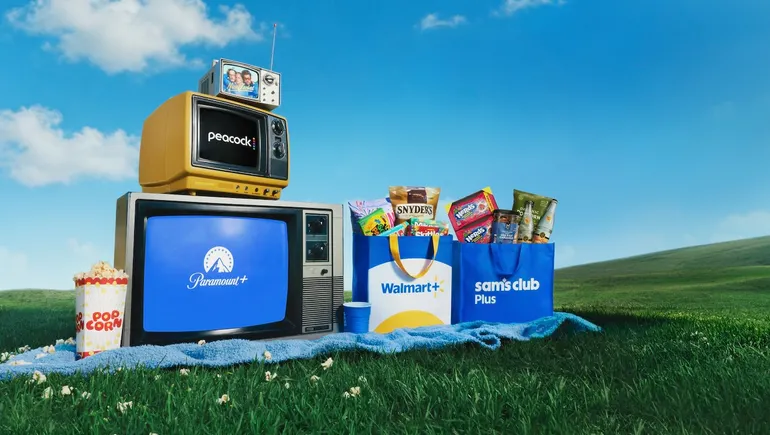
"This is a direct shot at Prime," Rose said by email. "$120 vs. [Amazon Prime’s] $139, and you get a warehouse club, delivery, streaming, and gas thrown in. On paper Walmart wins the value math easily."
This competitive maneuver serves as the latest escalation in a long-running battle between Walmart and Amazon for retail dominance. While Amazon has traditionally relied on the powerhouse appeal of its Prime membership—which encompasses fast shipping, video streaming, and various digital perks—Walmart is leveraging its unique structural advantages to turn the tables.
Amazon has notably pushed into Walmart’s traditional territory in recent years by expanding faster delivery capabilities to thousands of rural communities. This expansion has required significant investments in building out last-mile fulfillment capacity in less densely populated regions of the country. Walmart’s introduction of a combined membership package is widely viewed as a direct counter-offensive, capitalizing on assets that Amazon simply cannot match on the same scale.
Chief among Walmart’s structural advantages is its massive physical presence throughout the United States. The company operates a sprawling network of 4,615 retail stores alongside more than 600 Sam’s Club locations. This extensive brick-and-mortar footprint allows Walmart to offer rapid fulfillment, convenient in-store returns, and immediate access to goods in a way that online-first competitors struggle to replicate. Furthermore, by incorporating a streaming service option into the combined membership tier, Walmart directly undercuts one of the most attractive standalone pillars of the Amazon Prime subscription model.

The retail giant has also experienced a notable shift in its demographic appeal over recent quarters. Walmart has successfully picked up sales and strengthened loyalty among higher-income shoppers who are looking to stretch their purchasing power amid unfavorable macroeconomic conditions. Earlier in the year, Moody’s Ratings designated Walmart as the single biggest winner in the U.S. retail environment, specifically citing the company’s continuous innovation in supporting its value offering and maintaining best-in-class convenience. This new dual membership package is expected to further cement those gains and lock wealthier demographics deeper into the Walmart ecosystem.
Despite the compelling financial savings and broad feature set of the new bundle, market analysts caution that consumer habits are deeply entrenched, and an immediate mass exodus from Amazon Prime is unlikely. Shopping behaviors across the two retail giants tend to serve entirely different purposes for households. According to Rose, consumers typically turn to Walmart for everyday low prices and immediate access to goods, while relying on Amazon out of habit and for sheer digital convenience.
"A cheaper bundle doesn’t break that overnight and doesn’t create an imminent threat for Q4 holiday shopping," Rose noted. "Amazon has mastered lower prices and literally patented one-click buying. It’s a different shopping experience altogether."
Beyond the core delivery and e-commerce benefits, the inclusion of fuel discounts represents another major drawing card for the combined membership. With gas prices across much of the United States remaining stubbornly high—frequently hovering well above $4 per gallon for regular unleaded and even higher for diesel—savings at the pump carry significant weight for everyday drivers. This specific Walmart+ perk has long been viewed as a direct challenge to warehouse rival Costco. While Amazon has historically offered little in the way of consistent fuel savings, it did test the waters with a temporary fuel discount program for Prime members around the Fourth of July holiday.

The strategic timing of the bundle underscores the fierce competition for consumer wallets during periods of high economic stress. As households navigate a landscape marked by elevated living costs and financial uncertainty, loyalty programs remain a primary mechanism for retailers to secure recurring revenue. However, industry observers emphasize that while loyalty perks are effective for retention, unbeatable prices ultimately dictate where consumers spend their hard-earned money. As the holiday shopping season accelerates, the success of Walmart’s new membership bundle will test whether value-driven convenience can successfully shift long-standing digital shopping habits on a national scale.