
For several seasons, the beauty landscape has been dominated by glassy, ultra-dewy complexions and minimal skin tints. However, the autumn/winter 2026 season has ushered in a noticeable shift in base makeup preferences. A more diffused, soft-focus approach to skin has taken over, favoring blurred, velvety finishes that look polished without appearing heavily made up. Across red carpets and runways, celebrities are stepping out with skin that maintains a sense of real texture while looking remarkably smooth and luminous.
This evolution in makeup trends has prompted many beauty enthusiasts to rethink their daily routines, moving away from ultra-sheer "no-makeup makeup" looks in favor of more refined foundations and concealers. At the center of this shift is the humble makeup primer—a product that was once frequently dismissed as an optional extra, but is now gaining renewed attention as individual skin needs change and makeup formulations grow more sophisticated.
As skin matures, shifting from excessive oiliness to a combination of shine and dehydration, carefully applied foundation can begin to fade, cling to texture, and lose its morning freshness by midday. While primers were once reserved strictly for big events or long wedding days, they are increasingly viewed as a necessary step to keep a natural-looking base intact throughout daily wear.
What Is a Makeup Primer?
Modern primers offer far more than simple longevity. The category has expanded significantly, ranging from hydrating formulations designed to smooth over dry patches to oil-controlling options engineered to prevent makeup from breaking down or turning patchy by lunchtime. These products are formulated to anchor base products while blurring imperfections, particularly around high-movement areas like the nose.
Celebrity makeup artist Tania Grier notes that primers are exceptionally useful for anyone seeking to extend the wear of their makeup or diffuse minor texture. According to Grier, primers can be successfully incorporated by any skin type, provided the formula is properly matched to the individual’s specific needs, with numerous targeted options available for dry, oily, and combination skin types.
How to Use a Makeup Primer
While heavy-handed routines have fallen out of favor, integrating a primer does not need to complicate a streamlined morning schedule. Many professionals view a quality primer as the concluding step of a skincare regimen, applied after daily sunscreen. Using a modest, pea-sized amount and focusing specifically on high-shine or high-movement areas—such as the forehead, chin, and nose where makeup typically fades first—ensures the product performs effectively without feeling heavy.
Grier emphasizes that while primers may not be an absolute necessity for everyone, they certainly hold a valuable place in professional kits and specialized routines. For brides, long-standing events, or high-humidity environments like tropical vacations or crowded rooms, a reliable primer remains one of the most effective ways to lock makeup in place for the duration of the day.
The Evolution of Natural-Looking Primers
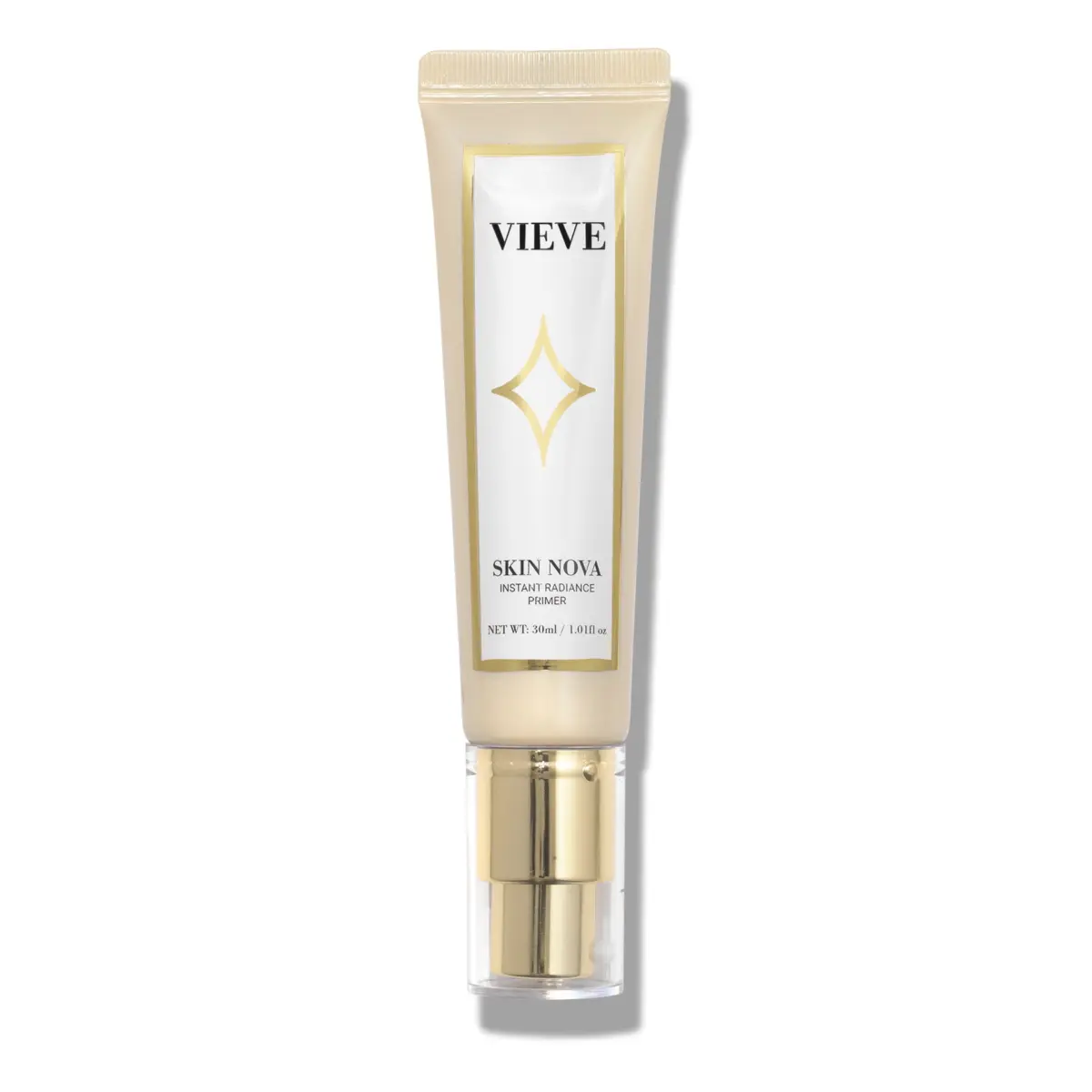
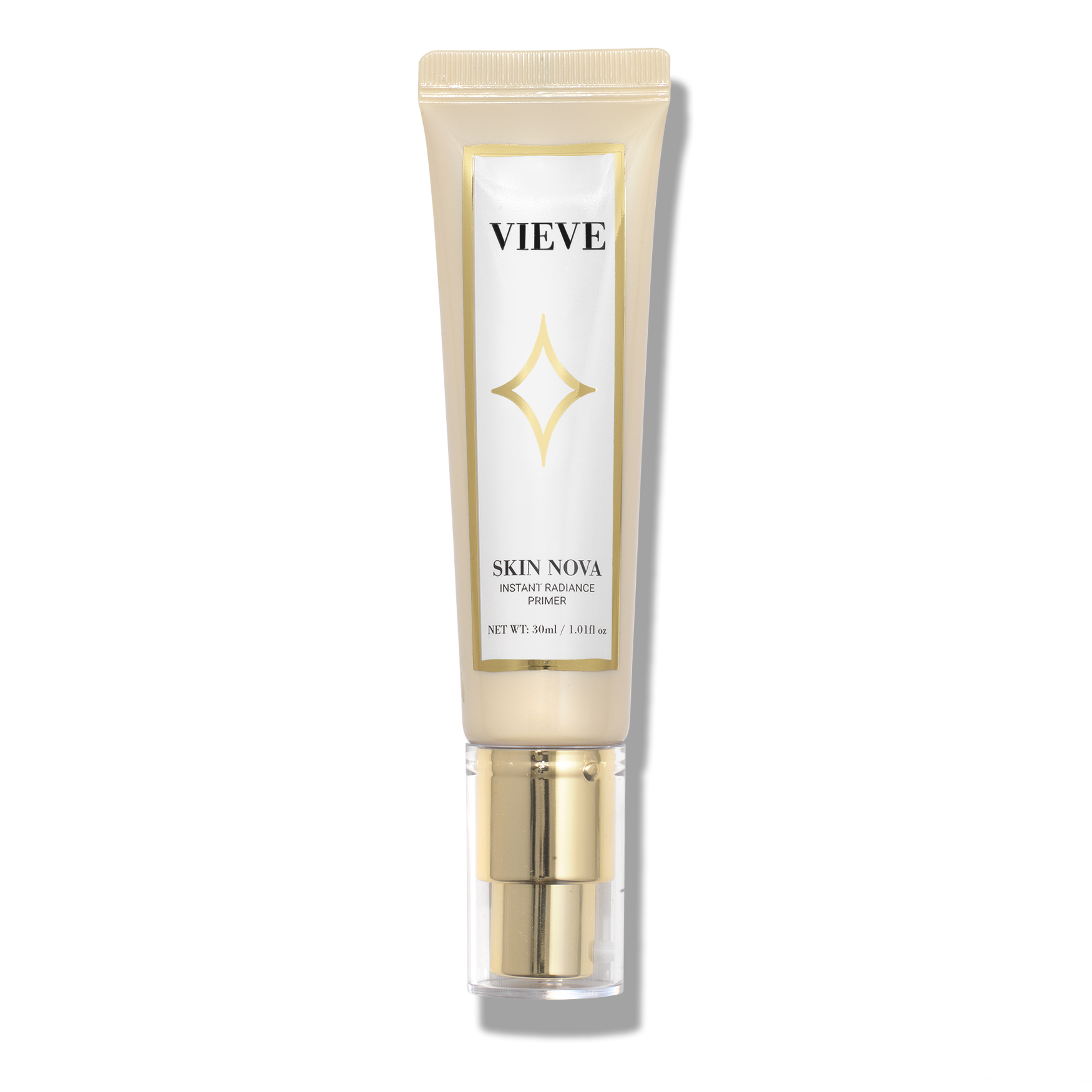
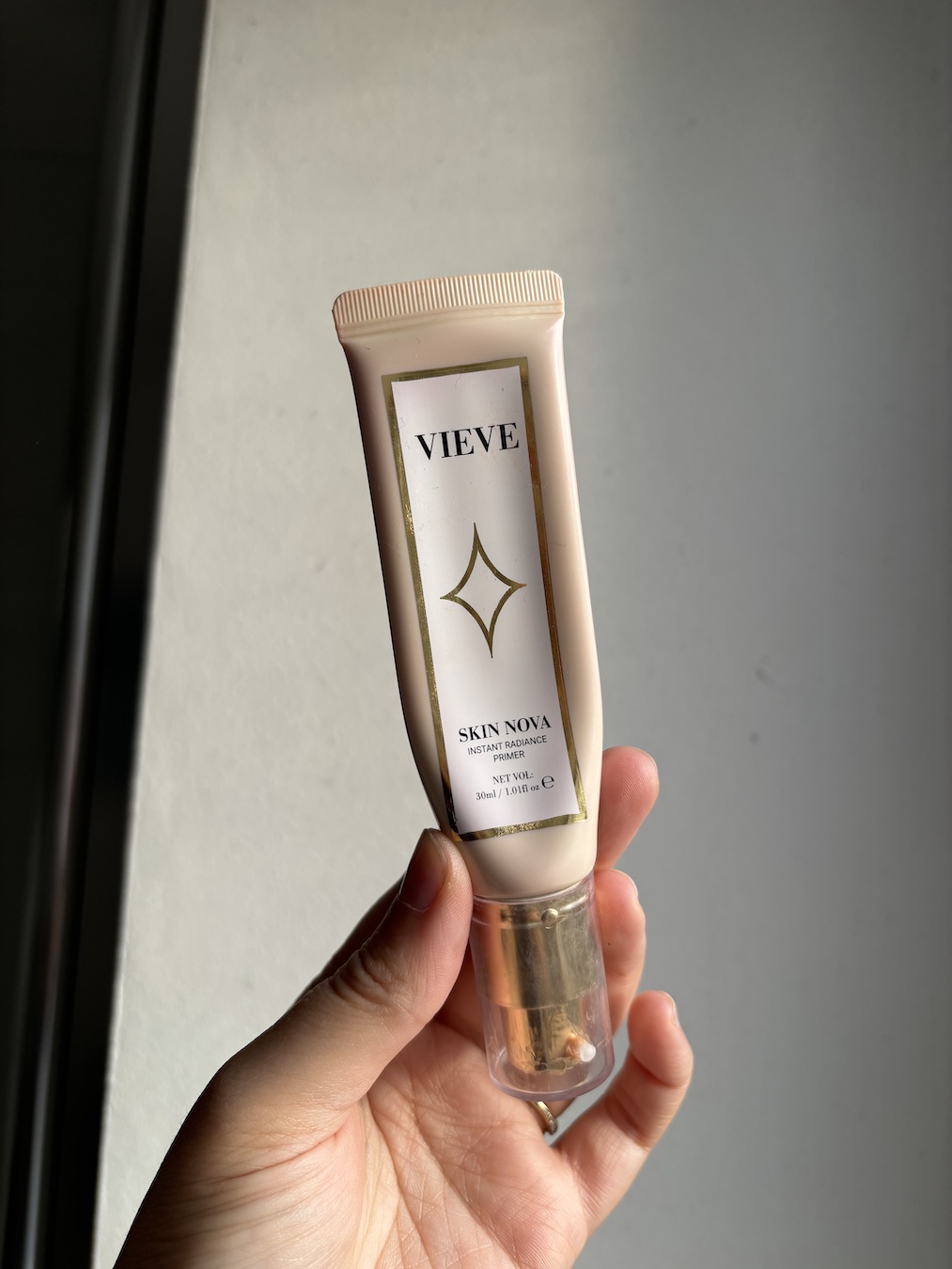
The current market reflects a wide array of specialized primers tailored to diverse skin challenges and aesthetic goals. Among the standout options leading the autumn/winter 2026 shift is the Vieve Skin Nova Instant Radiance Primer. Infused with skincare ingredients like beta-glucan, niacinamide, and rose water, it bridges the gap between skincare and makeup, delivering a fresh, glow-boosting prep step that adds lightweight hydration while extending the wear of subsequent products.
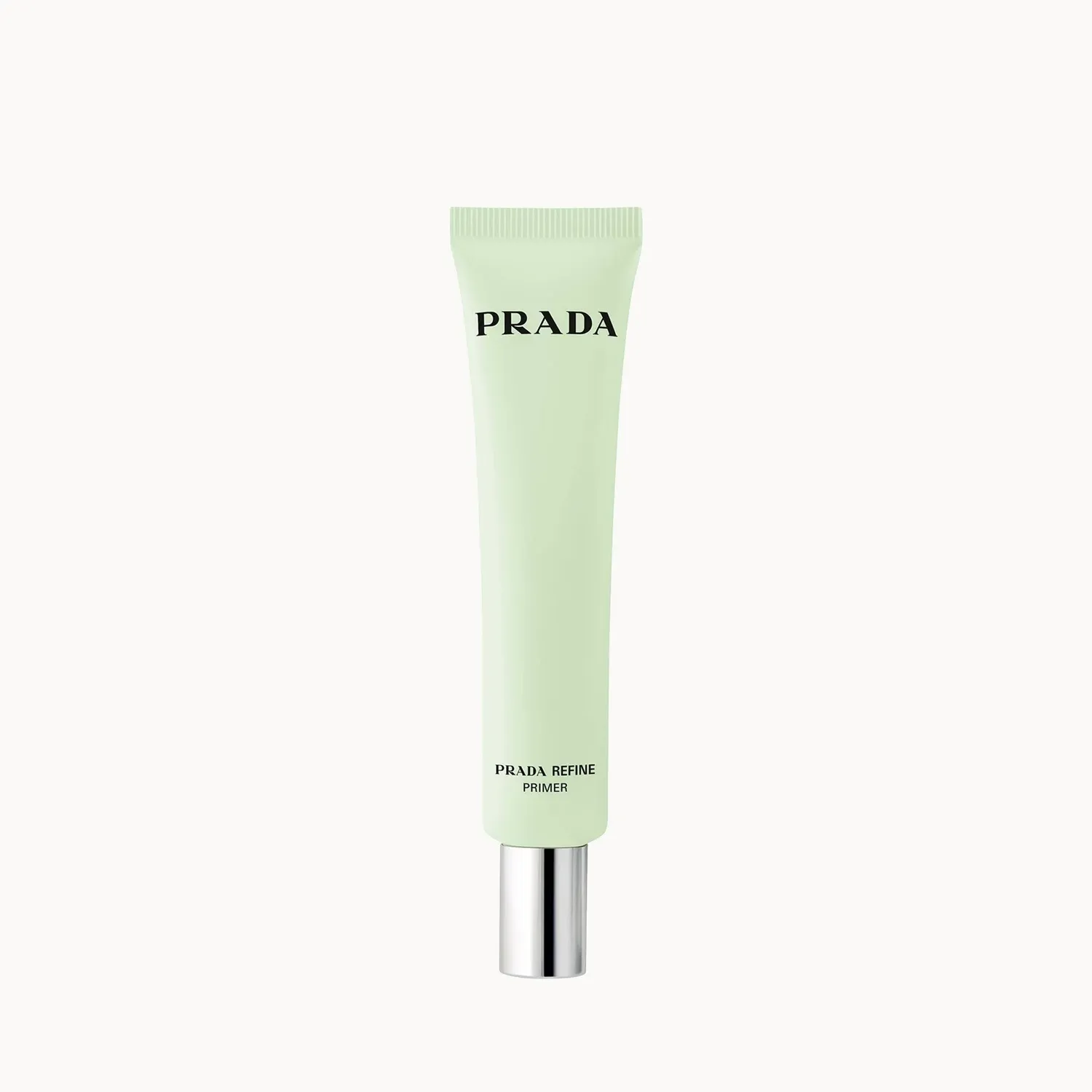
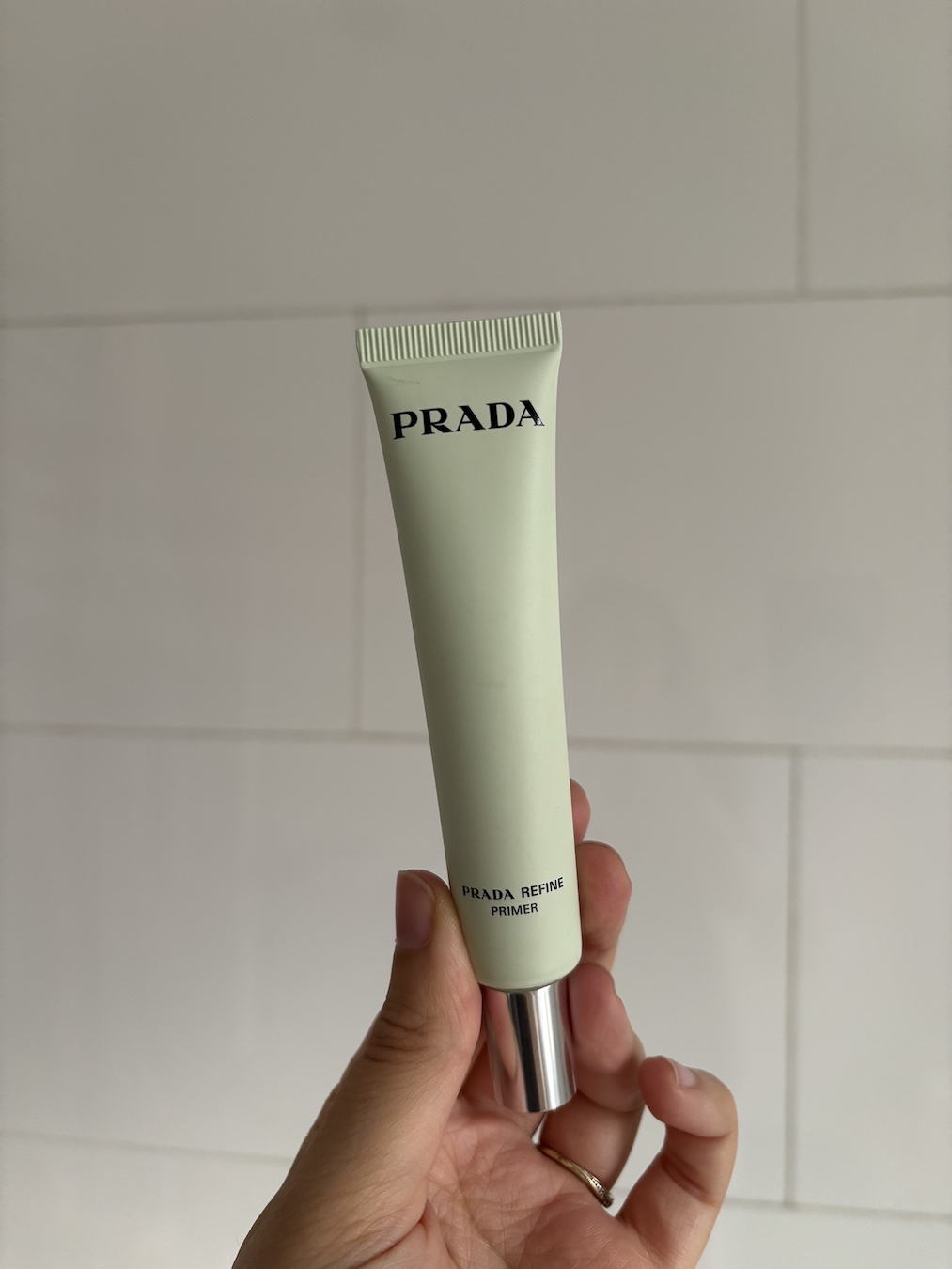
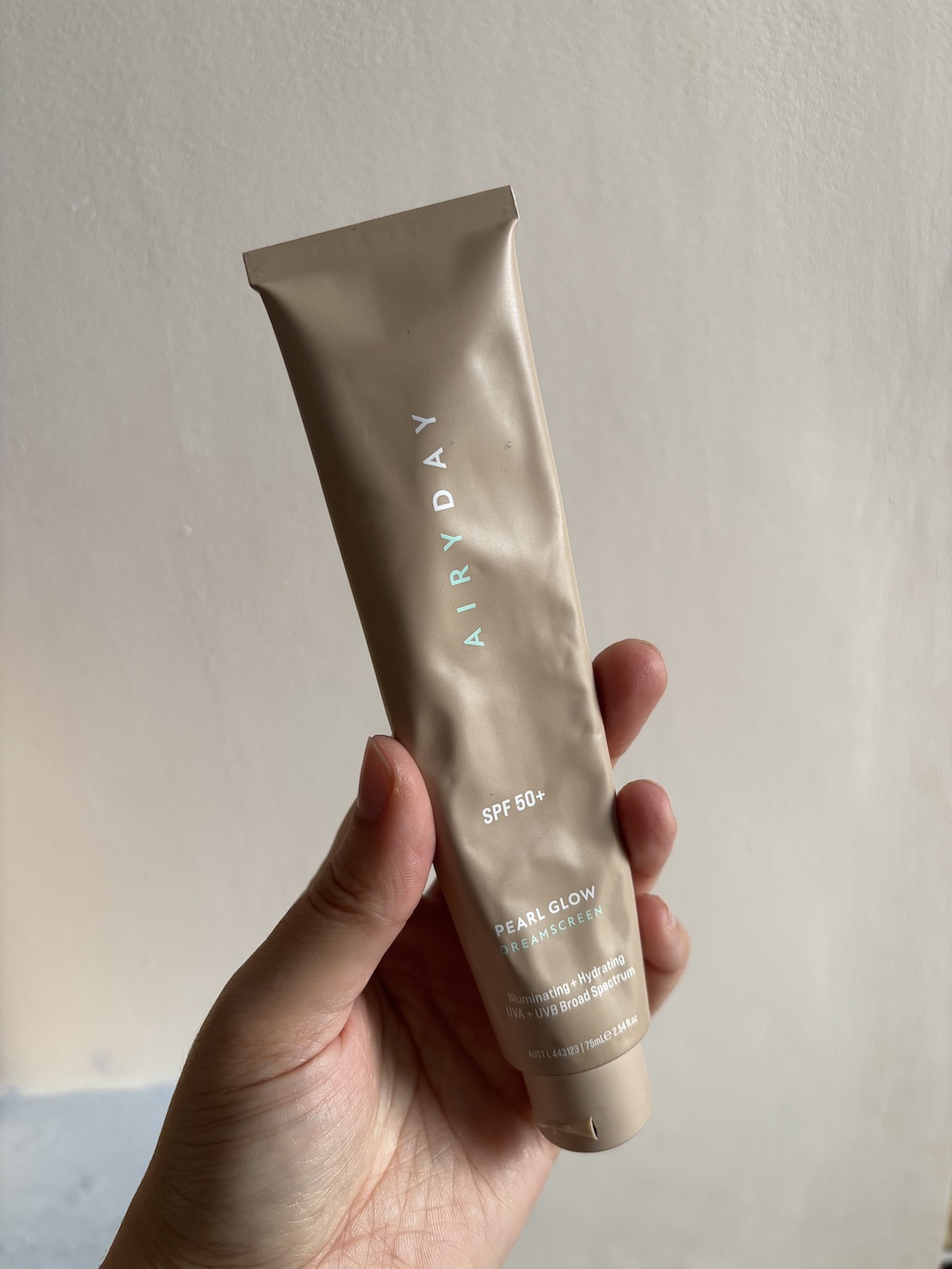
Similarly, the Prada Refine Blurring Extending Primer targets uneven skin texture through a blend of exfoliating salicylic and lactic acids. Designed to minimize the appearance of pores and fine lines, it creates a smooth canvas for combination skin types seeking a velvety, soft-matte finish. For those looking to streamline their morning routines even further, products like the Airyday Pearl Glow SPF50+ Dreamscreen combine daily sun protection with a luminous, brightening finish that imparts a healthy glow without heavy shimmer.
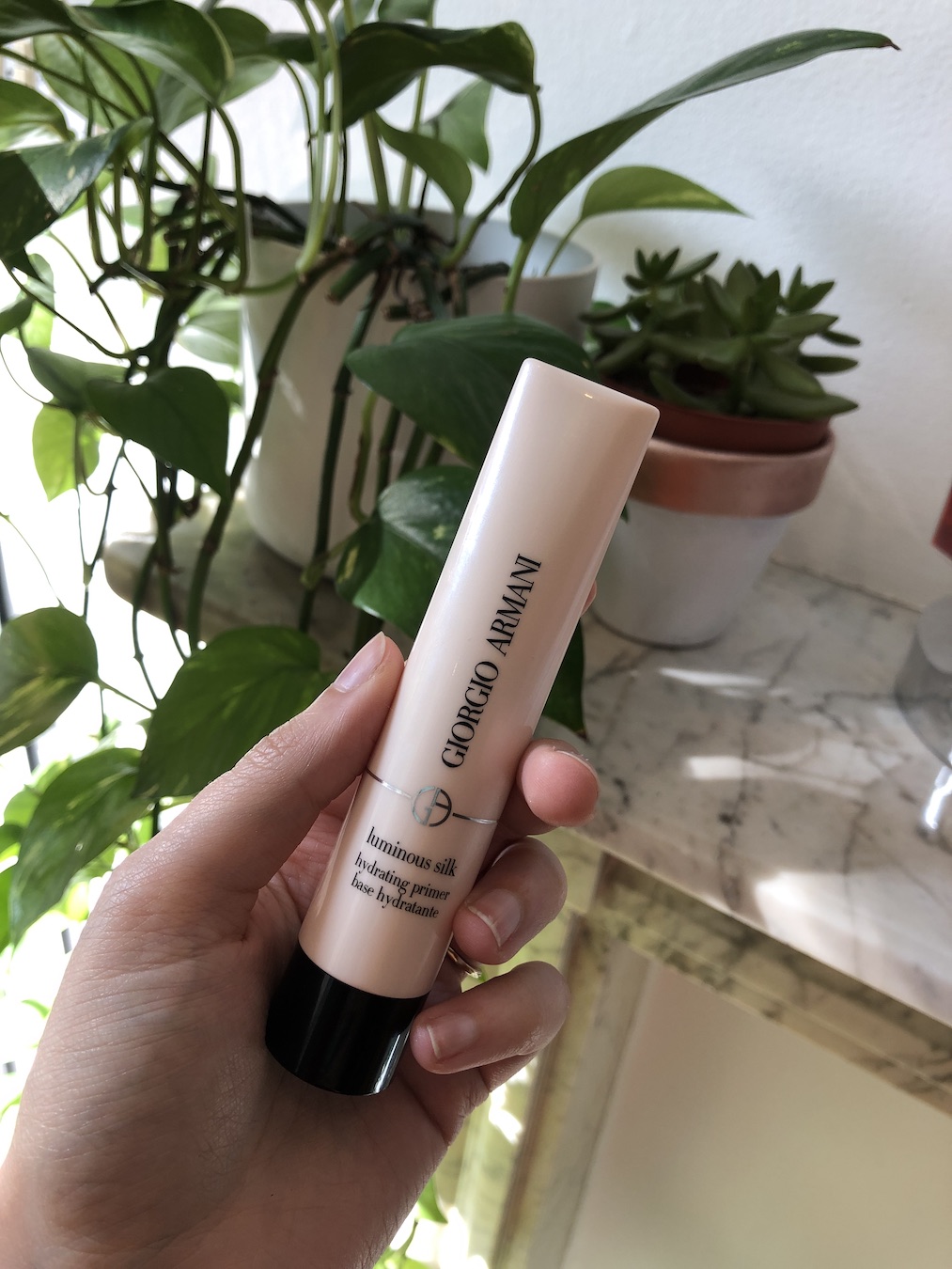
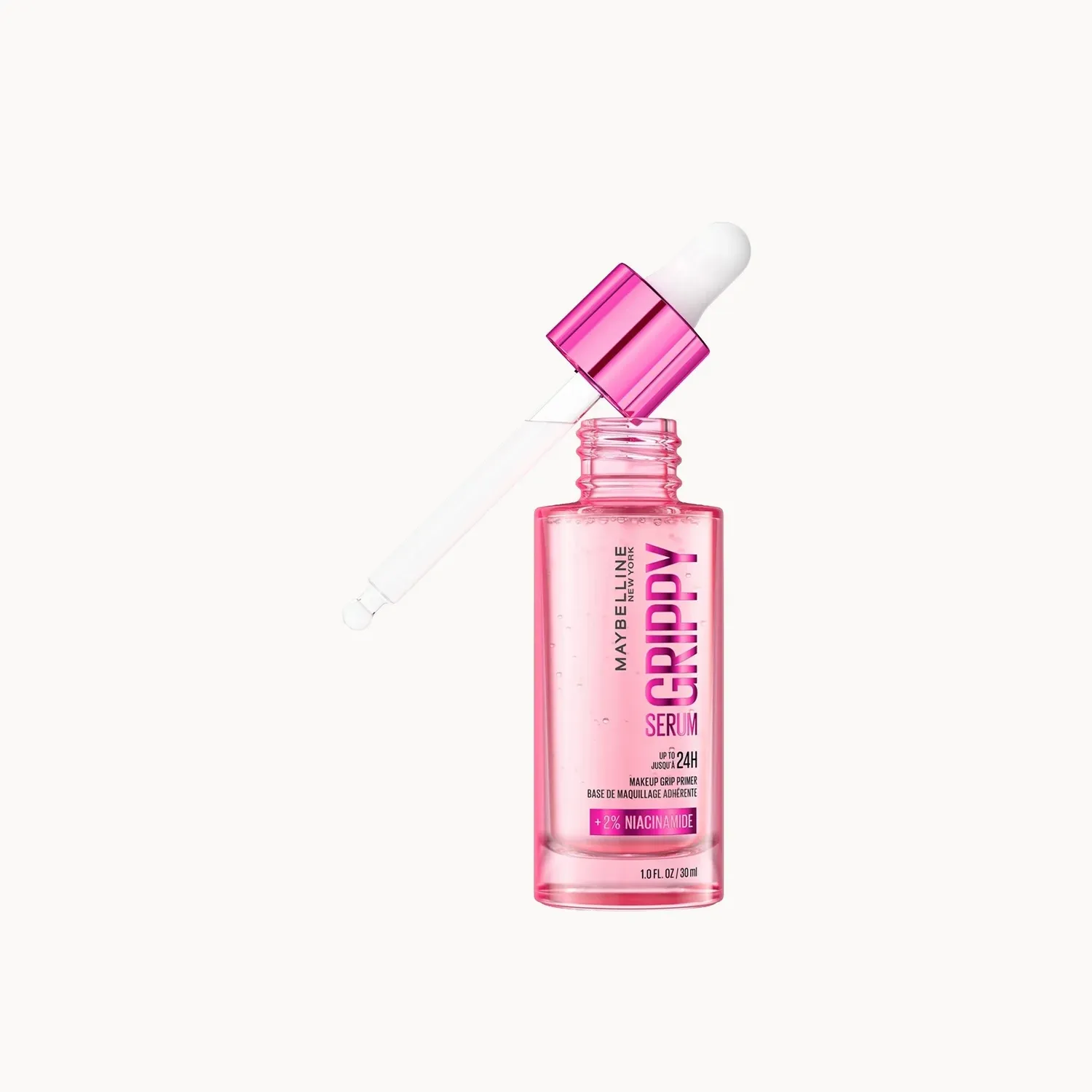
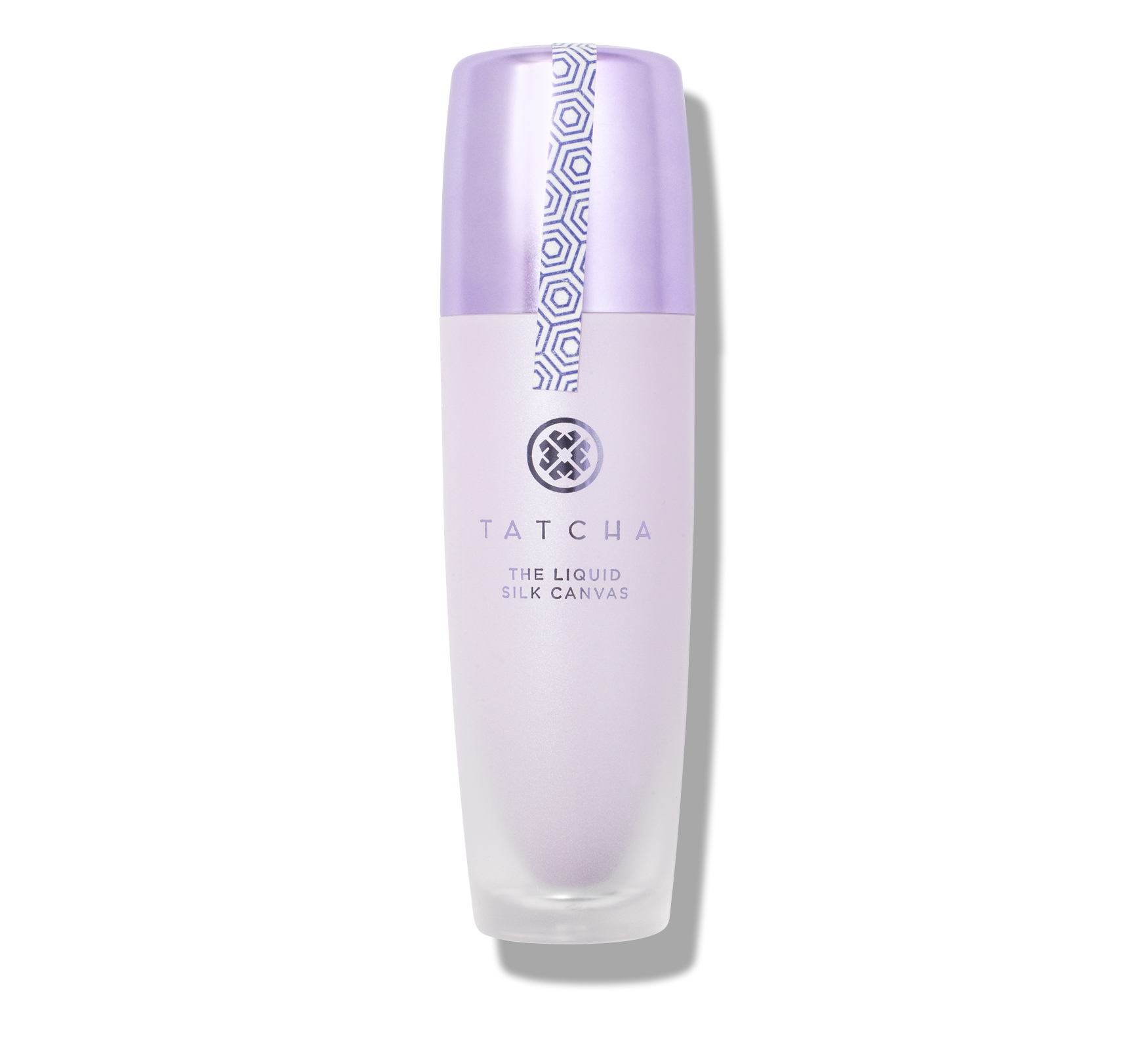
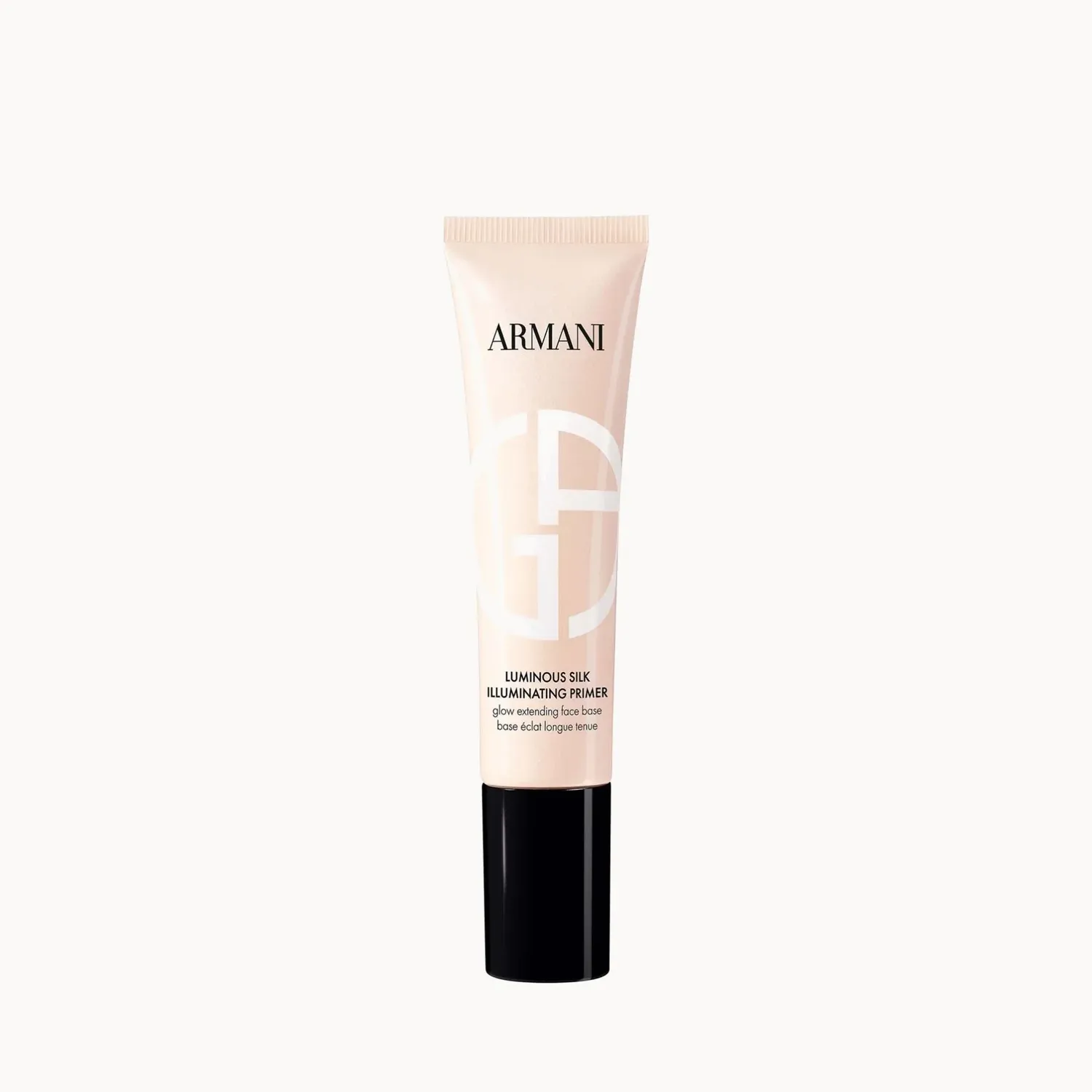
For long days, special occasions, or high-temperature environments, gripping primers like the Maybelline Grippy The Serum Primer utilize a unique serum-to-grip transformation. By allowing the niacinamide-infused formula a brief settling period on the skin, it develops a secure tackiness that helps foundation adhere seamlessly throughout the day. Meanwhile, luxury options such as the Tatcha The Liquid Silk Canvas Primer and the Armani Luminous Silk Glow Extending Primer continue to be kit staples for professional makeup artists aiming to lock down complexions for extended hours without compromising on a lit-from-within radiance.
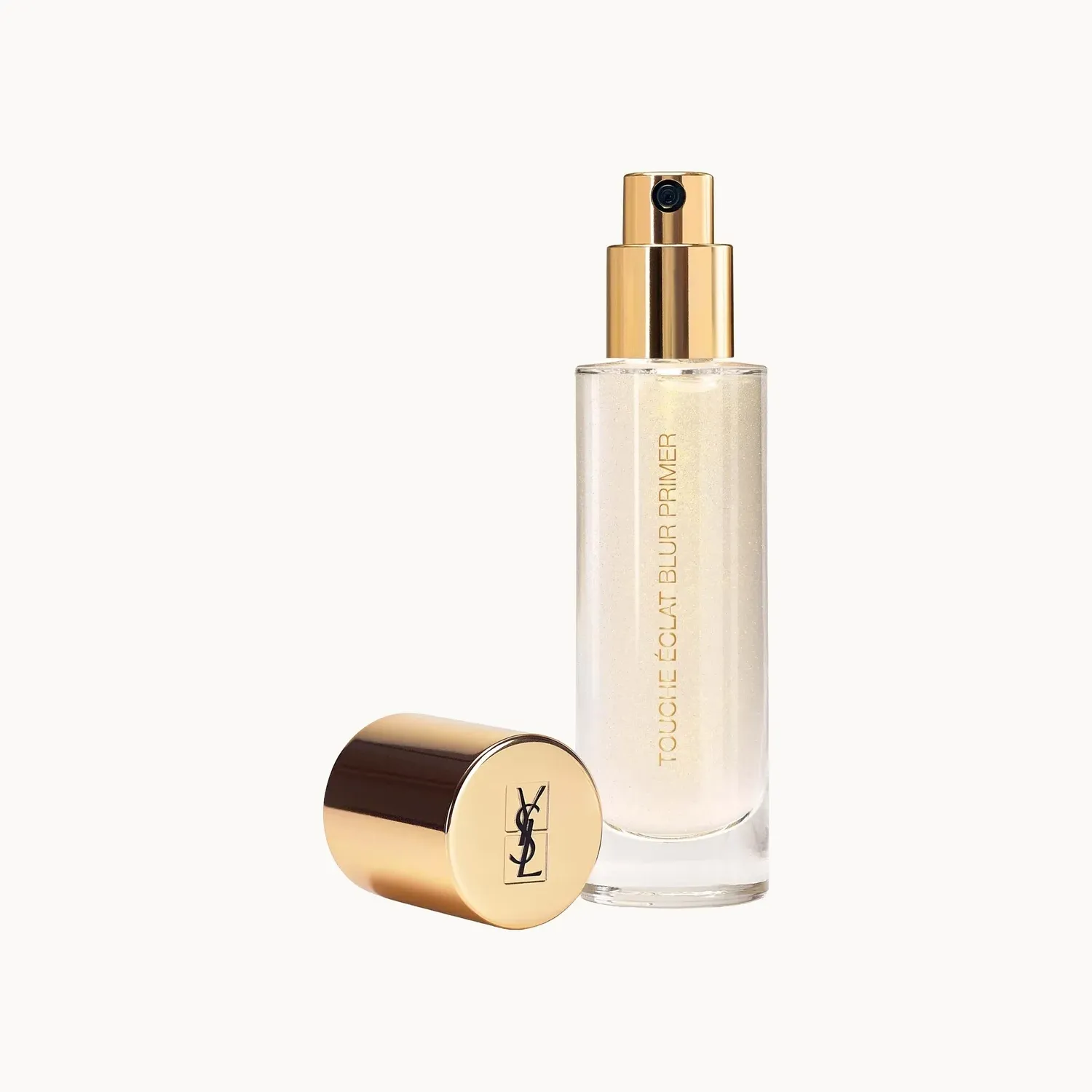
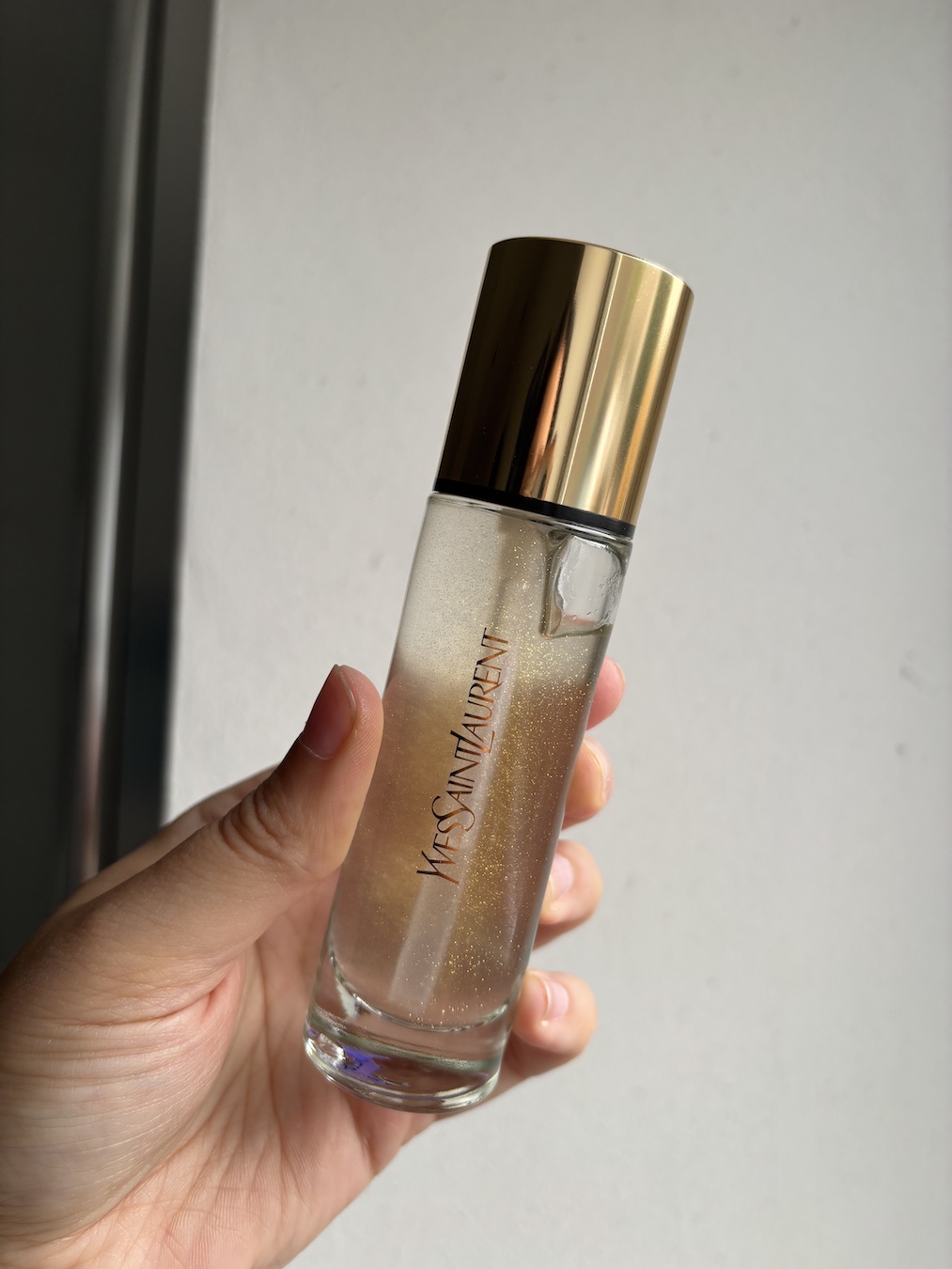
Additional options, such as the YSL Touche Éclat Blur Primer, offer a balanced, soft-focus diffusion that bridges the gap between overly shiny illuminating products and drying mattifying formulas. For dehydrated skin types prone to catching foundation on dry patches, nourishing hybrids like ILIA The Base Face Milk deliver squalane, glycerin, and hyaluronic acid as an enriching skin-prep step. Finally, traditional favorites like the Hourglass Vanish Airbrush Primer utilize microspherical powders to absorb excess oil and blur pores, catering to those whose primary concerns center on shine control and polished texture.
As beauty standards continue to prioritize skin that looks healthy, polished, and authentic, the renewed appreciation for makeup primer underscores a broader industry shift toward intelligent, multi-tasking products that support both skin health and long-lasting wear.