
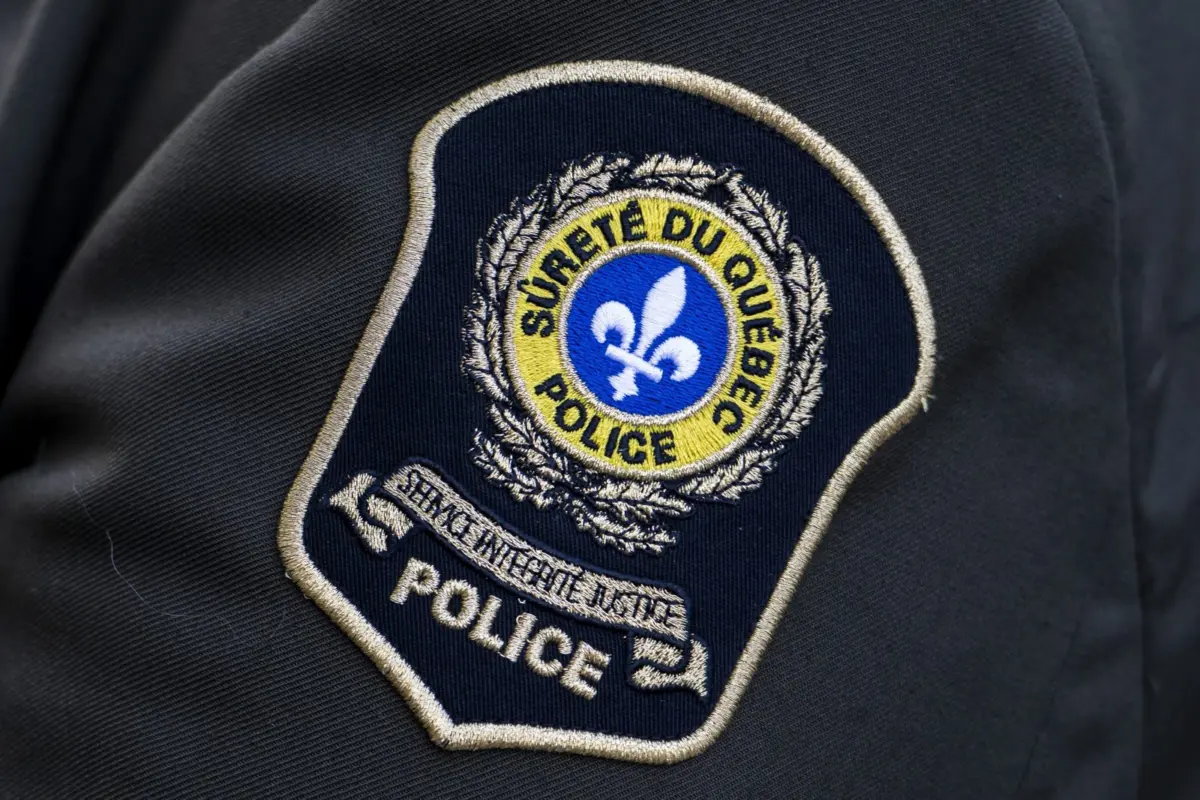
An 18-year-old cyclist has died after being fatally struck by a motor vehicle in Montreal during a high-risk hit-and-run incident that occurred while the suspect vehicle was allegedly being pursued by an unmarked provincial police patrol car. The tragic collision took place in the city’s northern district of Ahuntsic, prompting an immediate emergency response from local law enforcement and triggering an independent investigation by Quebec’s police oversight watchdog into the circumstances surrounding the police attempt to intercept the driver.
The fatal crash occurred shortly before noon on Friday at the busy urban intersection of Henri-Bourassa Boulevard and Jeanne-Mance Street. According to preliminary reports provided by law enforcement authorities, emergency medical services were alerted to the scene following urgent calls reporting that a motorist had struck a cyclist and continued driving without stopping to offer assistance or render aid. Emergency personnel arrived quickly at the intersection, but despite their efforts, the 18-year-old victim suffered severe, catastrophic injuries and was pronounced dead at the scene.
The driver responsible for the fatal impact fled the area prior to the arrival of emergency crews. Montreal police confirmed that the suspect vehicle did not remain at the site of the crash, initiating a high-priority hit-and-run investigation to locate the driver and the vehicle involved. The collision left the busy urban intersection cordoned off for several hours as emergency crews and investigative teams moved in to secure the area, manage traffic flow, and begin analyzing physical evidence scattered across the road surface.
According to statements released by Quebec’s police investigations bureau—the independent oversight body tasked with probing incidents involving law enforcement officers across the province—the sequence of events began shortly before the collision when officers in an unmarked provincial police patrol vehicle observed a vehicle committing a suspected infraction under provincial road safety regulations.
Early findings reported by the watchdog indicate that the provincial police officers attempted to intercept the vehicle and initiate a standard traffic stop after noticing the potential Highway Safety Code violation. However, rather than pulling over in response to the officers’ signals, the driver refused to comply and fled the scene. The unmarked provincial police unit was reportedly in pursuit of the fleeing vehicle in the moments immediately preceding the fatal collision at the intersection of Henri-Bourassa Boulevard and Jeanne-Mance Street.
As the fleeing vehicle traversed the Ahuntsic neighborhood while attempting to evade the provincial police vehicle, it collided directly with the 18-year-old cyclist at the intersection. The driver continued past the crash site without stopping or attempting to render aid, leaving emergency services to be summoned by bystanders and witnesses who came upon the devastating scene. The speed, trajectory, and precise maneuvers of both the fleeing vehicle and the unmarked police cruiser during the sequence of events remain key focus areas for investigating authorities.

Because the fatality occurred in connection with an active law enforcement operation involving an unmarked provincial police vehicle, Quebec’s independent police investigations bureau stepped in to take charge of investigating the police officers’ actions. Under Quebec legal protocols, the oversight body is mandated to conduct independent investigations whenever a civilian dies, sustains serious injuries, or is involved in a shooting incident during a police intervention or while under police custody. The watchdog’s mandate ensures an impartial evaluation of whether police protocols, legal standards, and safety procedures were strictly adhered to during the attempted traffic stop and subsequent pursuit.
The involvement of the oversight bureau establishes a dual operational response between Quebec’s independent watchdog and local law enforcement. While the oversight agency conducts a dedicated inquiry into the actions of the provincial police officers and the decisions surrounding the pursuit, municipal police officers from the Montreal police service are managing the criminal investigation into the fatal hit-and-run itself. Montreal police are tasked with tracing the suspect vehicle, identifying the hit-and-run driver, interviewing witnesses, gathering physical evidence, and establishing the sequence of criminal acts surrounding the failure to stop at the scene of a fatal accident.
The collision occurred along Henri-Bourassa Boulevard at its intersection with Jeanne-Mance Street, a location situated within the Ahuntsic-Cartierville administrative borough in northern Montreal. Henri-Bourassa Boulevard is one of the island of Montreal’s major arterial thoroughfares, functioning as a primary east-west commercial and commuter transit corridor. The boulevard features multiple lanes of high-density vehicular traffic, frequent bus transit routes, and commercial access points, making it a heavily traveled route throughout the day.
Jeanne-Mance Street intersects Henri-Bourassa Boulevard in a residential and commercial section of Ahuntsic, creating a location where motor vehicles, cyclists, and pedestrians cross paths continuously. The presence of vulnerable road users like cyclists alongside multi-lane traffic on major thoroughfares creates significant safety considerations, particularly when high-speed vehicle maneuvers or pursuit situations occur within densely populated urban environments.
The death of the 18-year-old cyclist highlights the profound risks faced by non-motorized transport users in urban settings when motor vehicle drivers engage in reckless behavior or attempt to evade law enforcement. Cyclists possess minimal physical protection when traveling alongside motorized vehicles, rendering impacts at high speeds or involving heavier passenger vehicles extremely dangerous and frequently fatal. The loss of life in broad daylight on a major city corridor underscores the immediate severity of hit-and-run collisions involving vulnerable road users.
Under Canadian federal criminal law and Quebec provincial traffic regulations, leaving the scene of an accident—commonly referred to as a hit-and-run—is a severe offense, particularly when the incident results in bodily harm or death. Motorists involved in a collision are legally required to stop their vehicle immediately, provide their identity, and render assistance to anyone who has suffered injury. Failing to remain at the scene of an accident causing death carries severe legal penalties under the Criminal Code, including potential life imprisonment upon conviction, reflecting the grave duty imposed on drivers to remain present and cooperate with emergency responders.
Additionally, fleeing from a law enforcement officer who has signaled for a vehicle to stop constitutes an independent criminal offense of flight from police. When combined with dangerous driving and a fatal hit-and-run, suspects face compounding criminal charges that carry long-term legal consequences. The decision of a driver to flee a basic traffic stop transforms a routine law enforcement interaction into a high-risk scenario with potential life-threatening outcomes for members of the public.

Law enforcement agencies operate under strict policy guidelines when conducting traffic stops and vehicle pursuits to mitigate the potential dangers posed to the public. Officers are generally required to continually assess risk factors, including traffic density, pedestrian presence, weather, road conditions, speed, and the severity of the suspected offense, when deciding whether to initiate, continue, or terminate a vehicle pursuit. The independent watchdog’s investigation will meticulously examine these factors to evaluate how the pursuit unfolded and whether established operational procedures were followed by the provincial police officers involved.
In the hours following the crash, specialized collision reconstruction teams from law enforcement and investigative bodies were deployed to the intersection of Henri-Bourassa Boulevard and Jeanne-Mance Street. Reconstruction experts utilize specialized measurement tools, laser mapping equipment, and forensic techniques to map the crash site, record vehicle debris patterns, analyze tire marks, and determine the exact point of impact. The physical evidence gathered at the site allows forensic analysts to estimate vehicle speeds, directional angles, and the relative positions of the cyclist and the motor vehicle prior to impact.
Investigative teams are also conducting extensive canvassing of the surrounding Ahuntsic neighborhood to collect video surveillance footage and gather testimony from witnesses. Security cameras mounted on commercial buildings, residential properties, traffic signal structures, and public transit vehicles along Henri-Bourassa Boulevard and nearby streets are being reviewed to trace the path of the suspect vehicle before and after the collision. Dashcam footage from members of the public who were driving in the vicinity of Henri-Bourassa Boulevard and Jeanne-Mance Street around noon on Friday is also being sought to assist in identifying the fleeing vehicle and driver.
The independent police watchdog’s inquiry will run parallel to the criminal hit-and-run investigation. Investigators from the watchdog agency will analyze radio communications between the provincial police officers and their dispatch center, review telemetry data from the unmarked police vehicle, examine video or audio logs if available, and conduct detailed interviews with the officers involved in the attempted pull-over. Once the watchdog completes its investigation, a final report will be submitted to Quebec’s prosecution service to determine whether any formal actions or legal reviews regarding police conduct are warranted.
The tragedy has brought renewed attention to traffic safety, police pursuit protocols, and the protection of cyclists across Montreal’s road network. Community members, road safety advocates, and local residents in Ahuntsic have frequently emphasized the need for enhanced safety measures along major urban arteries like Henri-Bourassa Boulevard, where high traffic volumes present ongoing challenges for non-motorized commuters. The fatal crash serves as a stark reminder of the lethal risks present on urban streets when drivers refuse to stop for police and flee from collision scenes.
As of the latest updates provided by municipal police and provincial oversight officials, the hit-and-run driver remains at large, and the identity of the 18-year-old cyclist has not been publicly released pending formal notifications and procedures. Law enforcement officials continue to appeal to anyone who may have witnessed the incident, observed a vehicle traveling erratically near Henri-Bourassa Boulevard around noon on Friday, or possessed dashcam footage of the area to contact police immediately to assist with the ongoing criminal investigation. The independent police watchdog continues its investigation into the actions of the provincial police officers involved in the pursuit leading up to the fatal collision.