
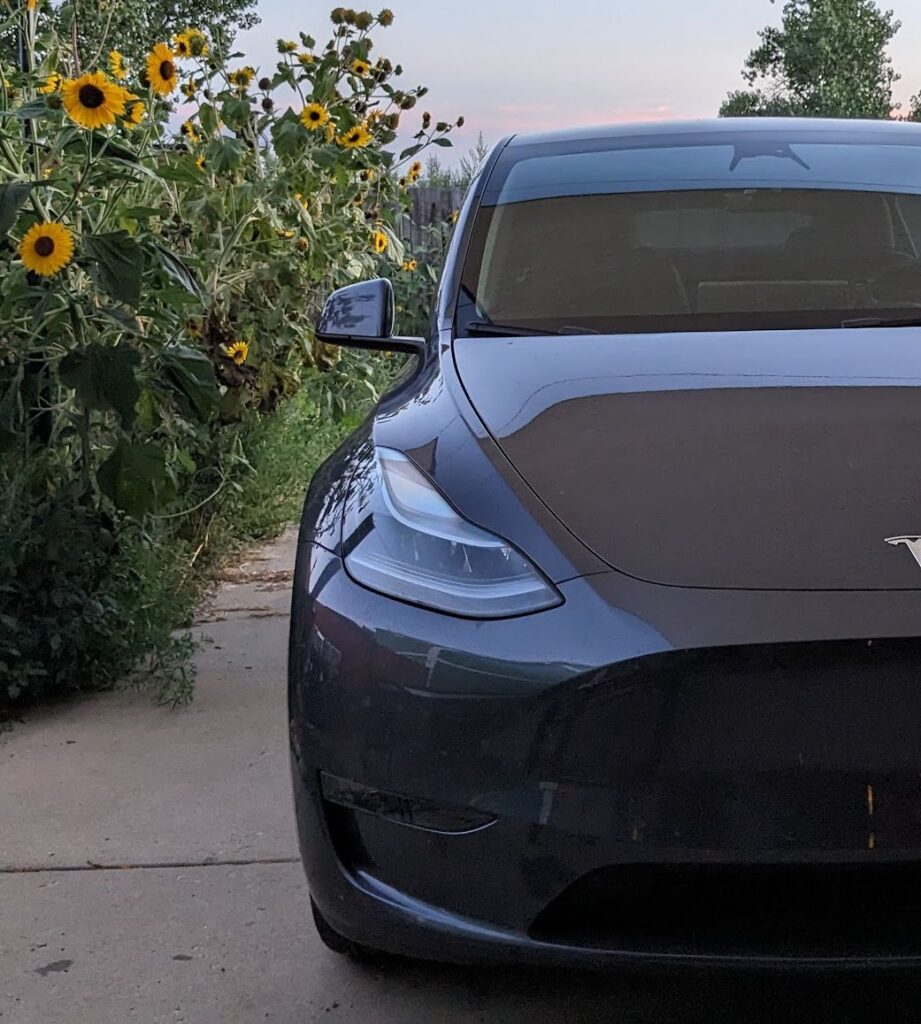
Two years after sparking mild consternation among his deeply frugal followers by purchasing a brand-new Tesla Model Y in an intentional effort to loosen his purse strings, famed early retirement advocate Mr. Money Mustache has tallied the results of his lifestyle inflation experiment.
The verdict? Despite a conscious shift toward a more lavish lifestyle—complete with frequent restaurant dining, upgraded airline seats, high-end grocery shopping, and spontaneous road trips to late-night electronic dance music concerts and immersive art installations—his total annual expenditures barely budged. When the dust settled on a spreadsheet tracking a full year of spending, his total out-of-pocket costs came to approximately $30,000.
For nearly two decades, the blogger has stood as a towering figure in the financial independence community, championing a philosophy of radical self-reliance, extreme thrift, and intentional living. His initial decision to buy a Tesla and consciously spend more money was framed as a personal exercise in adapting to middle age and adjusting habits to enjoy the fruits of a multi-million-dollar investment portfolio built during years of disciplined saving.
Reflecting on the initial pivot, the retired software engineer noted that he had initially viewed the lifestyle adjustment through a lens of casual confidence. After all, transitioning from a hyper-frugal lifestyle to something resembling traditional middle-class comfort seemed simple enough for someone who had mastered the mechanics of early retirement.
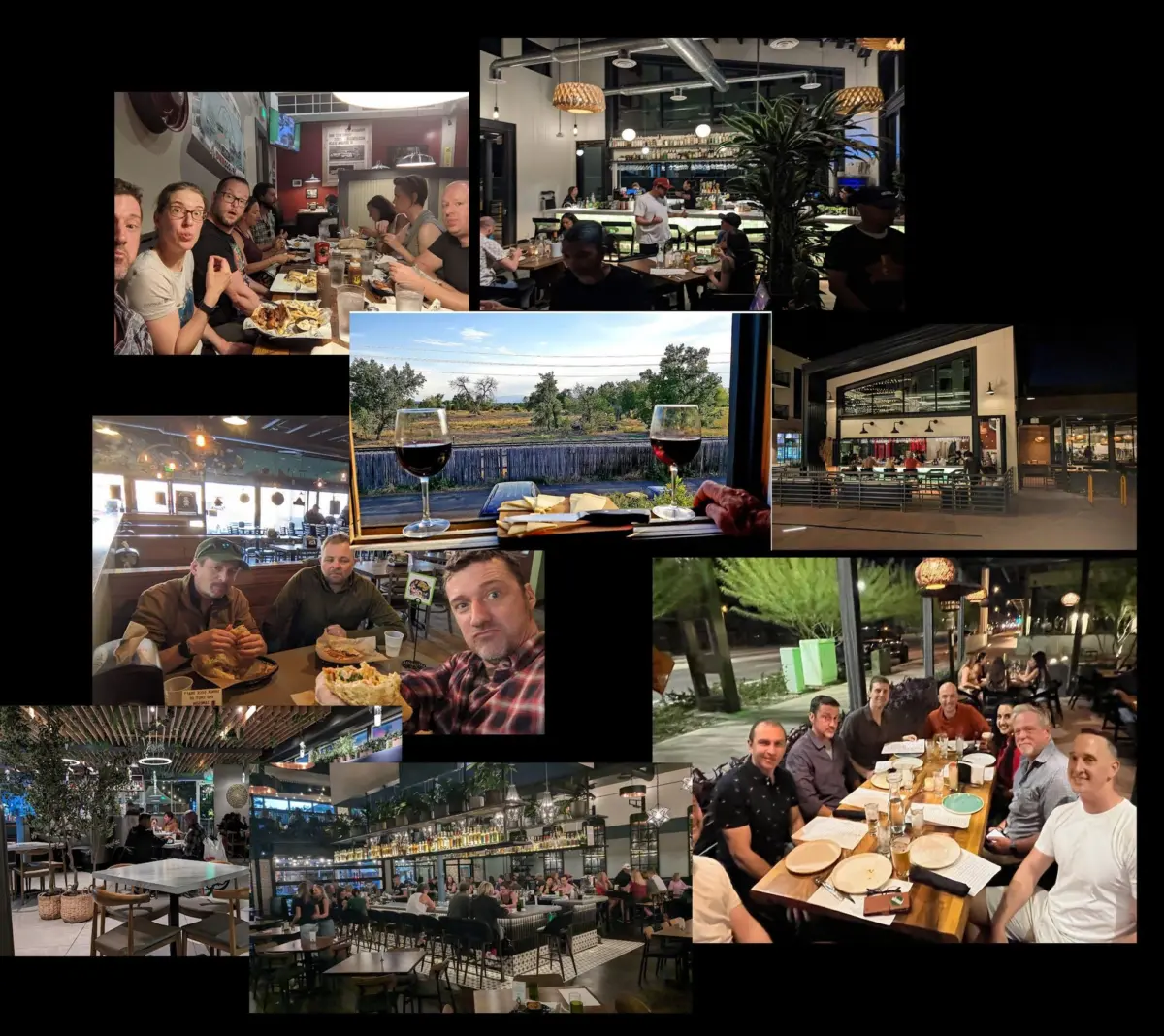
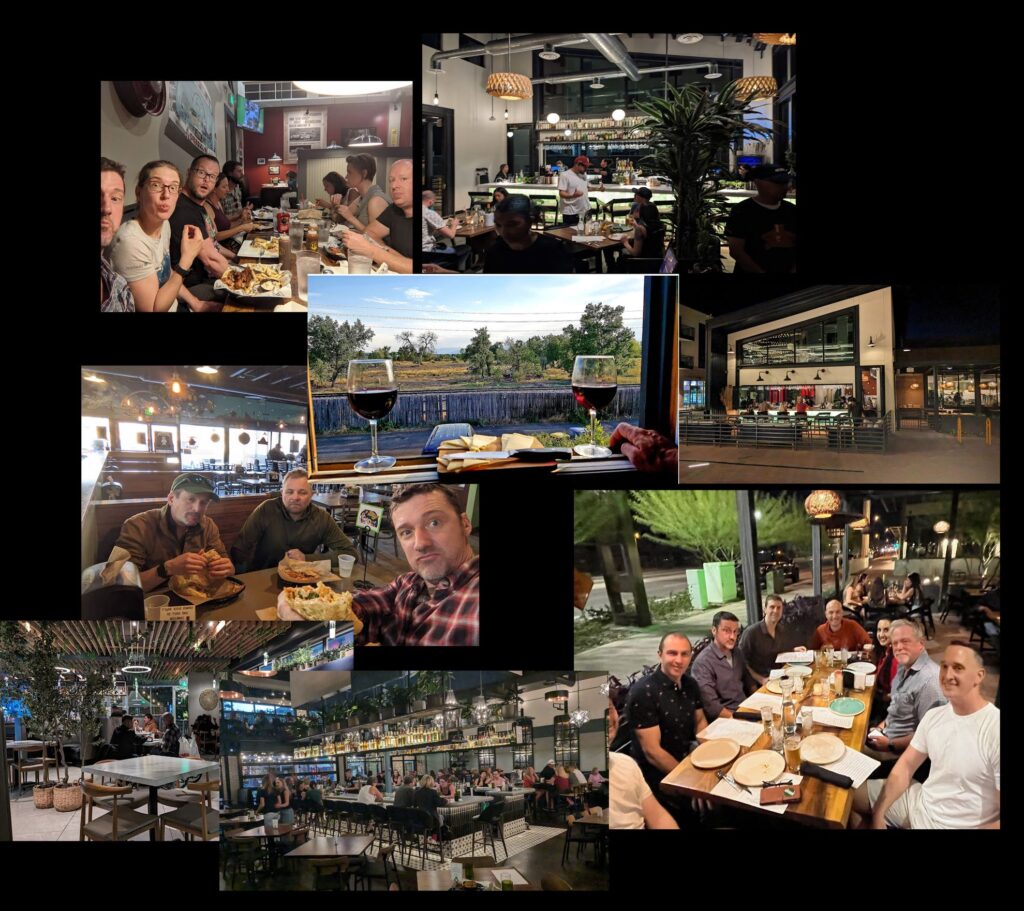
What followed was a two-year whirlwind of abundance. Freed from the rigid constraints of his previous routine, he embraced a much wider latitude of spending. Dinners out shifted from occasional frugal treats to stylish restaurant meals. Hotels were selected based on comfort and ambiance rather than rock-bottom prices. Rather than enduring standard coach seating, he routinely paid extra for expanded legroom on commercial flights. Grocery shopping trips were no longer strictly confined to wholesale clubs like Costco and Sam’s Club; instead, he frequently swung by higher-end markets like Whole Foods without checking the price tags.
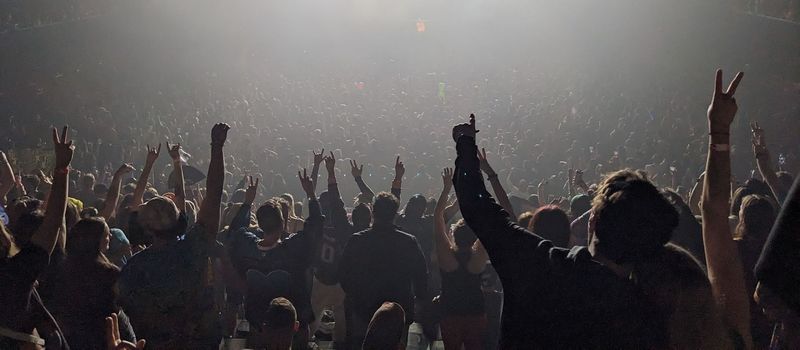
His social life experienced a parallel expansion. As a single man for much of the period, his schedule remained remarkably open, allowing him to travel extensively with his young adult son. Together, the pair worked their way through a robust circuit of EDM concerts and explored three separate Meowwolf art venues, highlighted by a spontaneous Christmas Day road trip from their winter home in Tempe, Arizona, to Las Vegas.
Yet, even with these newfound luxuries, the underlying mathematics of his personal economy remained remarkably resilient. While his overall spending did tick upward—particularly within travel and entertainment categories—the macro impact on his net worth was negligible. Accounting for business expenses and the vehicle, his annual baseline shifted only modestly from roughly $20,000 to $30,000, bolstered by the hidden financial subsidy of a long-ago paid-off primary residence.
This modest expenditure level remains easily sustainable by a standard one-million-dollar investment portfolio. Given that his actual investment nest egg has grown considerably larger over the years—propelled by sustained economic growth and an enduring stock market rally—his current withdrawal rate remains well below safe historical thresholds.
While he jokingly confessed to having "failed" at driving his spending up to the levels typically recommended for wealthy retirees, the experiment yielded a positive net result. He reported deriving genuine enjoyment from the psychological shift toward an abundance mindset, proving that lifestyle upgrades do not necessarily require a catastrophic drain on financial resources.
Breaking Down the Numbers
A closer inspection of the annual financial ledger reveals precisely where the money went. Totaling both personal and business credit card transactions, the year’s spending was divided across several distinct categories, reflecting a comfortable yet fundamentally lean lifestyle.
Groceries accounted for $5,960.39 of the total, a figure that covered food for himself, his young adult son roughly half the time, and occasional visiting guests. Restaurant spending added another $2,243.59, reserved primarily for social dining experiences rather than routine sustenance.
Travel emerged as one of the most prominent areas of increased expenditure, totaling $6,158.77. This category encompassed both personal adventures and business-related travel to niche events like Camp Fi and other industry conferences.
Utilities stood at $1,909.51, while property taxes added a surprisingly reasonable $2,577.30, given that neighborhood homes generally appraise between $500,000 and $600,000. Automobile costs, restricted primarily to insurance and registration, totaled $2,425.21, though factoring in depreciation would push that figure higher.
Healthcare expenses were kept remarkably low at $3,536.66. This efficiency was achieved through a combination of a Direct Primary Care medical clinic subscription and a high-deductible health-sharing arrangement through Sedera Health, supplemented by occasional out-of-pocket spending on advanced preventative blood screening tests.
Phone and high-speed internet services totaled $1,410.56, featuring a heavily discounted gigabit fiber connection alongside a minimal mobile phone bill. Finally, home and Amazon-related expenditures hit $3,554.10, though approximately three-quarters of that business-card total represented construction materials purchased for client projects—mostly friends—which were subsequently reimbursed via invoice.
When compared against historical spending benchmarks from previous years, the totals demonstrate that lifestyle inflation can be tightly controlled even while actively pursuing new experiences. Although travel and fun claimed a larger share of the wallet, savings were realized elsewhere; for instance, spending on home renovations dropped simply because extended periods of travel left him with less time to tackle DIY house projects.
The Power of a Paid-Off Mortgage
The single most significant factor keeping his cost of living remarkably low remains the complete absence of a housing payment. Having liquidated his mortgage decades prior, he avoids the largest monthly overhead burden faced by most households. Furthermore, his affinity for hands-on property maintenance eliminates reliance on outside contractors, meaning zero dollars are spent on commercial lawn care, plumbing services, tree pruning, or handyman repairs.
From a strict financial optimization standpoint, paying off the mortgage entirely may not have been the absolute most lucrative move. Economists frequently point out that securing a low-fixed-rate mortgage during historical lending lows—such as the 3% rates available in 2021—and deploying that capital into equity markets would have yielded significant returns. However, the psychological dividend of absolute debt freedom offers a level of peace of mind that outweighs raw spreadsheet optimization. Additionally, owning the home outright bypasses the need for traditional homeowner’s insurance, saving another couple of thousand dollars annually and enhancing the effective return on the initial payoff.
Re-evaluating Healthcare and Life Optimization
Medical expenses remain modest, heavily insulated by good health and proactive wellness management. Rather than relying on conventional commercial health insurance, the financial blogger maintains a dual-layered medical safety net. A monthly membership with a Direct Primary Care clinic provides personalized, zero-deductible access to routine practitioner visits, while a health-sharing ministry covers catastrophic risks.
Together, these services cost roughly $308 a month—considerably less than standard commercial bronze-tier ACA marketplace plans while offering vastly superior direct access for everyday health needs. Nevertheless, he maintains that the highest priority remains maintaining physical vitality to avoid the healthcare system altogether.

Reflecting on the broader purpose of accumulated wealth, the veteran early retiree noted that money functions primarily as a tool for survival and self-actualization. Citing the psychological principle that resolving persistent friction points yields greater happiness than merely doubling down on existing comforts, he identified physical space as the only notable friction in his current routine.
With a growing collection of space-intensive hobbies spanning woodworking, construction, and music production, his standard two-car garage workshop is currently operating at maximum capacity. While expanding the workshop or eventually transitioning to a mountain compound with natural water features occasionally crosses his mind, he remains cautious about adding logistical complexity to an already fulfilling daily routine.
As he looks ahead, the focus remains firmly on maintaining a balanced, active lifestyle without succumbing to the creeping inertia of traditional consumerism. With a packed schedule of projects, community engagement, and ongoing personal experiments, the overarching financial framework has proven that a life of abundance requires surprisingly few resources when built on a foundation of intention and deliberate design.