
Food writer, recipe developer, and cookbook author Casey Elsass has officially launched a brand-new monthly cooking series titled "The $25 Dinner." Known for his culinary expertise and collaborative work on over thirty cookbooks, Elsass is stepping forward once a month to craft hearty, deeply satisfying dinners designed to feed four people—or two, with generous leftovers—all while strictly adhering to a maximum budget of $25.
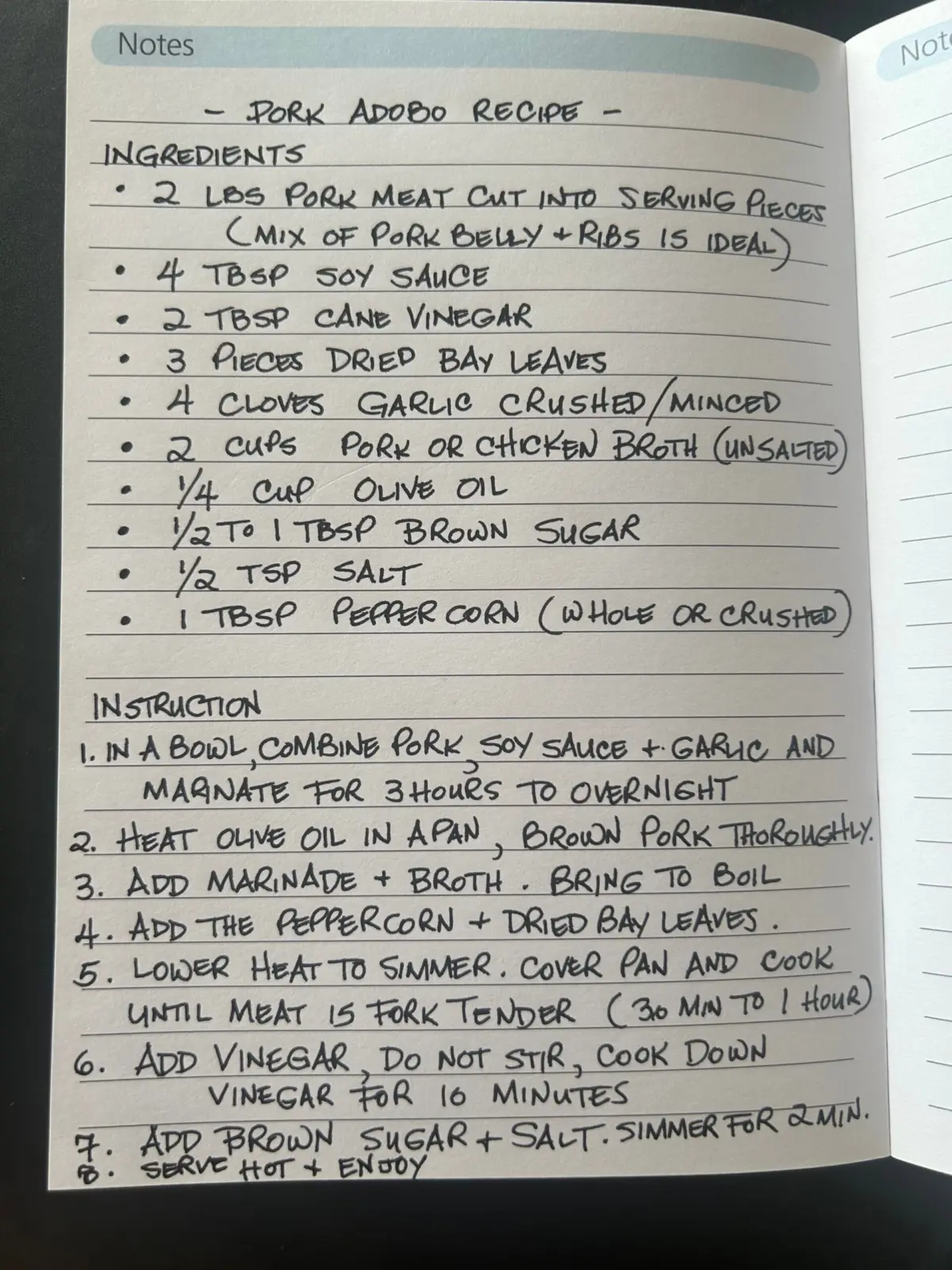
For the inaugural installment of the series, Elsass turned to one of his all-time favorite dishes to prepare: Filipino chicken adobo served alongside aromatic coconut rice. Rather than relying on pantry stockpiles or relying on bulk items to artificially lower the cost, Elsass committed to a series of rigorous ground rules to test the true viability of budget-friendly home cooking in a modern urban environment.
Ground Rules for a Real-World Kitchen Test
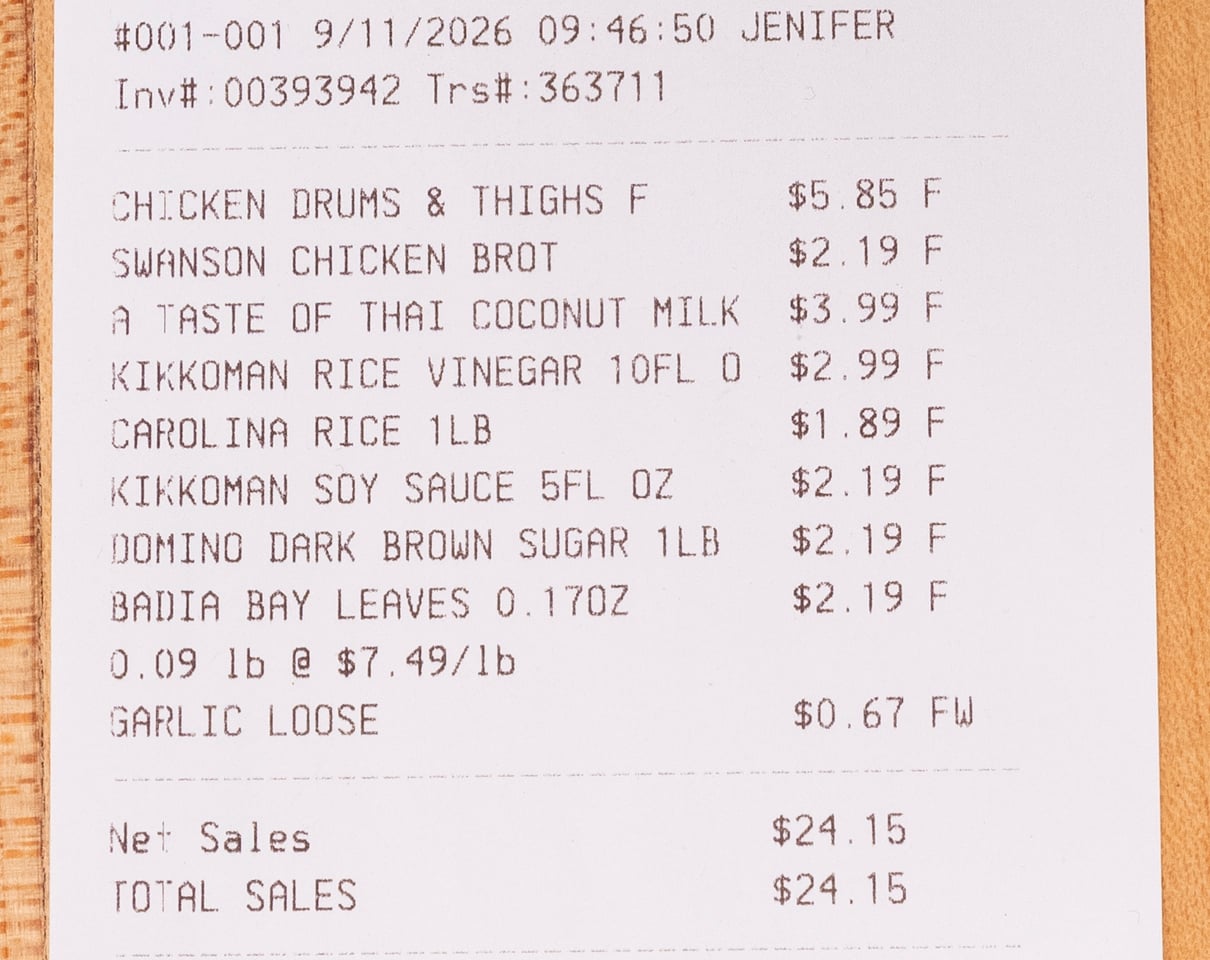
Elsass established strict parameters for the monthly project to ensure complete transparency and authenticity. Water, oil, salt, and pepper are treated as standard freebies, but every other ingredient required for the meal is added to the final shopping tally. Even if certain pantry staples might already be hiding in a home kitchen, the series puts each recipe through a worst-case-scenario test by shopping entirely from scratch.
Furthermore, Elsass avoided sneaky mathematical adjustments. If a recipe calls for two cups of rice, he refuses to calculate the cost as a fractional portion of a massive, pre-owned sack; the entire package price must be factored into the $25 spending limit. To make the challenge even more realistic, Elsass bypassed discount supermarkets and shopped at his regular, mid-priced grocery store located in Brooklyn, New York. While he acknowledges that shoppers could easily spend significantly less at discount chains like Aldi or Trader Joe’s, the goal was to prove that anyone can walk into a standard neighborhood grocery store with a $25 bill and successfully leave with a complete, wholesome dinner.

Finally, complete transparency is a cornerstone of the column. Elsass shares his receipts openly, breaking down exactly what was purchased, the cost of each individual item, and the strategic shopping decisions he made along the way. For his debut menu, his grand total came out to $24.15, leaving him with eighty-5 cents to spare.
The Inspiration Behind the Recipe
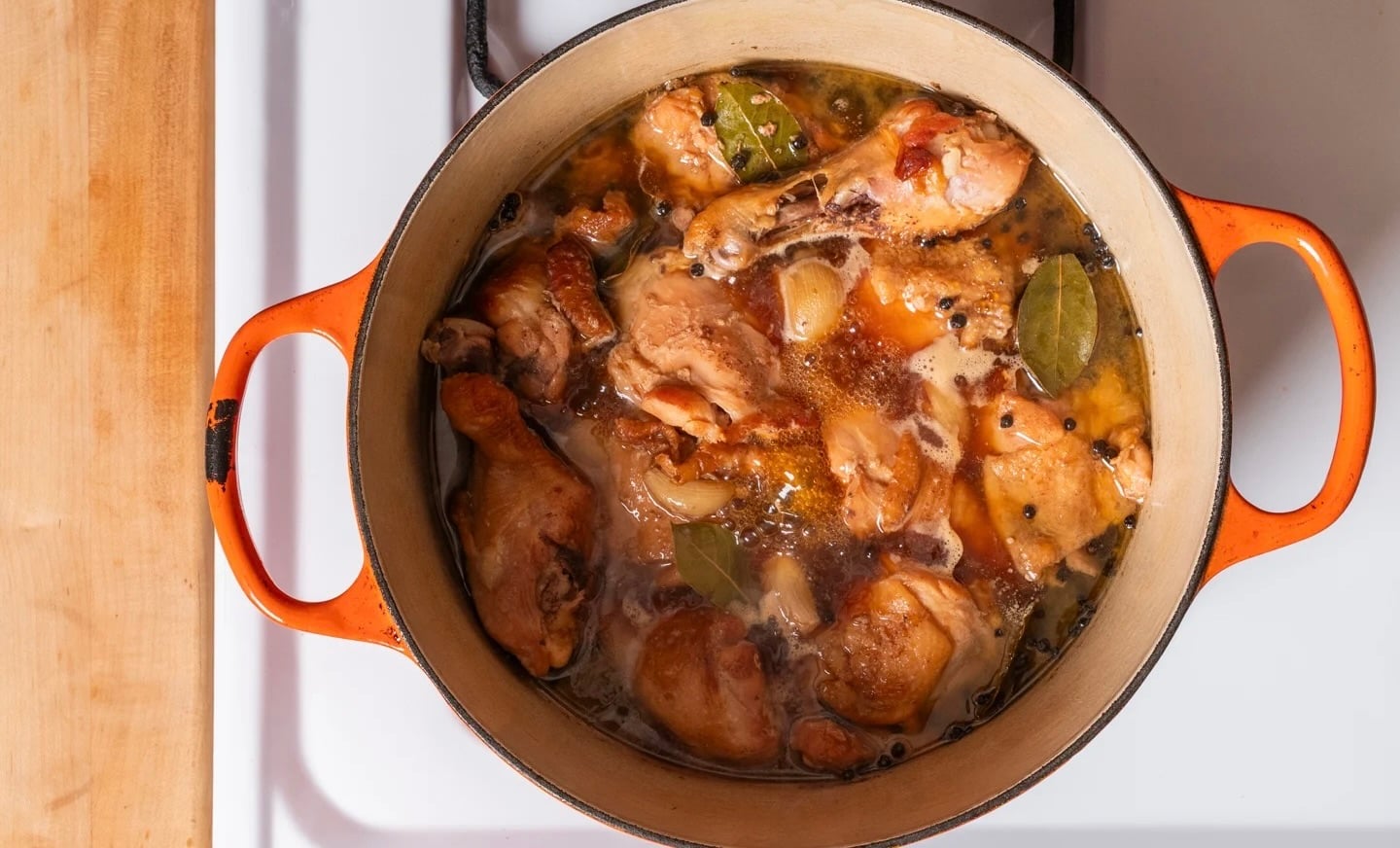
The inspiration for the first dish came directly from a personal connection. Elsass is a firm believer that the most authentic way to learn how to prepare a traditional dish is directly from a family member who grew up making it. Through his friendship with Robbie Guevarra, Elsass was able to learn from Robbie’s mother, Sol Guevarra, who generously wrote down her personal adobo recipe on paper for him to follow.
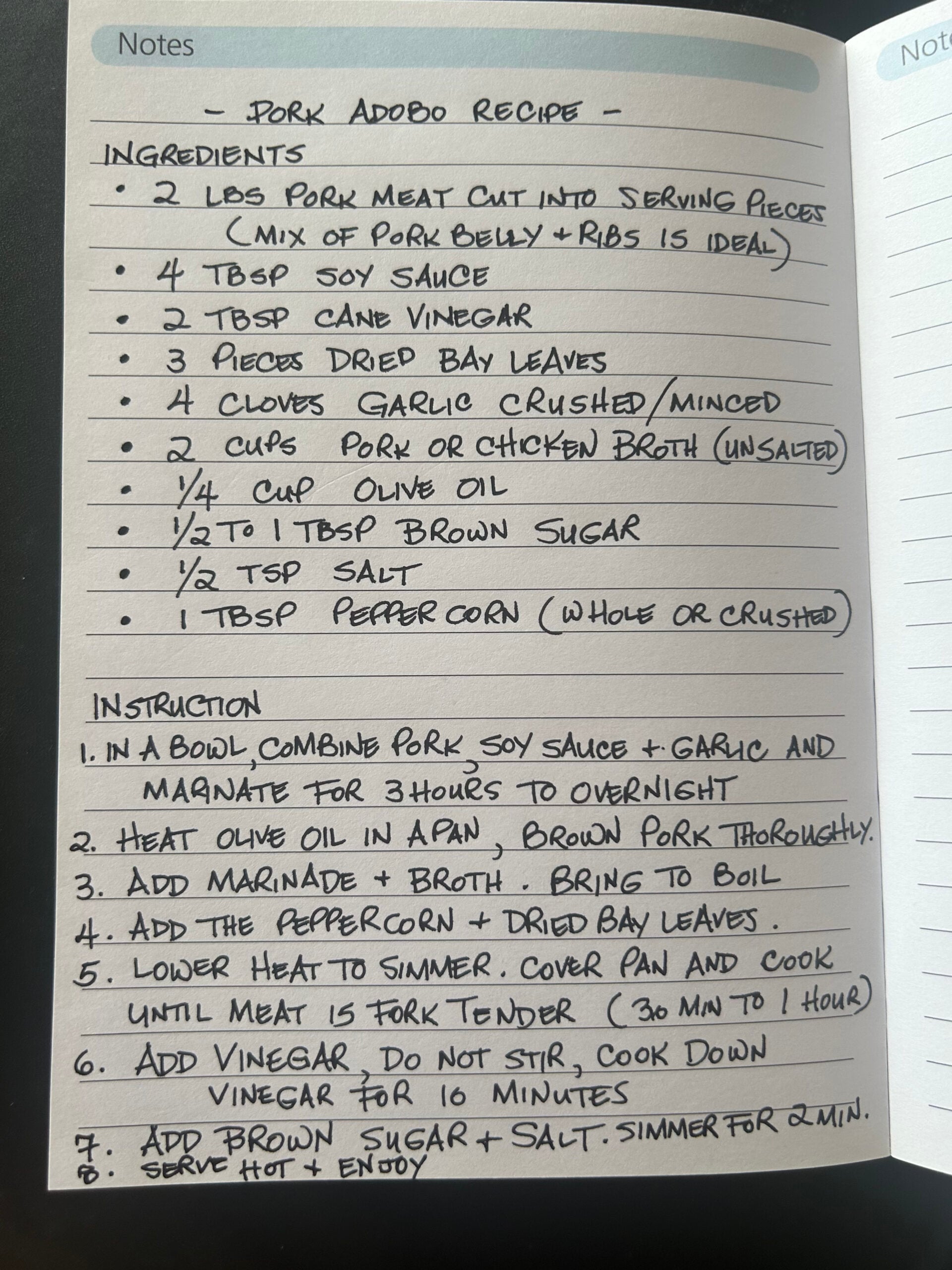
While Sol’s handwritten recipe traditionally calls for pork adobo, Elsass opted for chicken adobo because it is equally common in Filipino culinary traditions and, crucially for the constraints of the column, proved to be significantly less expensive at his local grocery store. He also made a few strategic substitutions to accommodate standard supermarket inventory, such as choosing readily available rice vinegar instead of cane vinegar, which can occasionally be difficult to track down. Additionally, he engaged in strategic small-package shopping by purchasing a compact five-ounce bottle of soy sauce, a single can of chicken broth instead of a carton, and a modest one-pound bag of rice.
For readers unfamiliar with the rich history of the dish, adobo represents a centuries-old culinary tradition in the Philippines. Meat is simmered until tender in a tangy, savory bath composed of soy sauce, garlic, peppercorns, bay leaves, and vinegar. Historically, cooking meat in vinegar served a vital practical purpose, helping to preserve perishable foods in a tropical climate long before the advent of modern refrigeration.
When Spanish colonizers arrived in the archipelago during the 1500s, they observed the native preservation technique and applied the term "adobo," which is the Spanish word for marinade. Over subsequent generations, soy sauce became a standard addition to many variations, while different regional styles incorporated ingredients like coconut milk or diced onions. Like all great home cooking traditions, there is no single rigid definition of a correct adobo; instead, it is defined by regional variation and personal preference.
Preparing the Meal
Before diving into the cooking process, Elsass highlighted a couple of essential tips passed down from Sol Guevarra herself. According to Sol, cooks must resist the urge to stir the vinegar when it is first added to the pot, as stirring can make the flavor aggressively sour. On the other hand, the sweet element of the dish is entirely flexible. While Sol might use honey, regular sugar, or mirin depending on what is available, Elsass prefers the distinct molasses flavor of dark brown sugar, though home cooks are encouraged to use whatever sweetener is already sitting in their pantry.
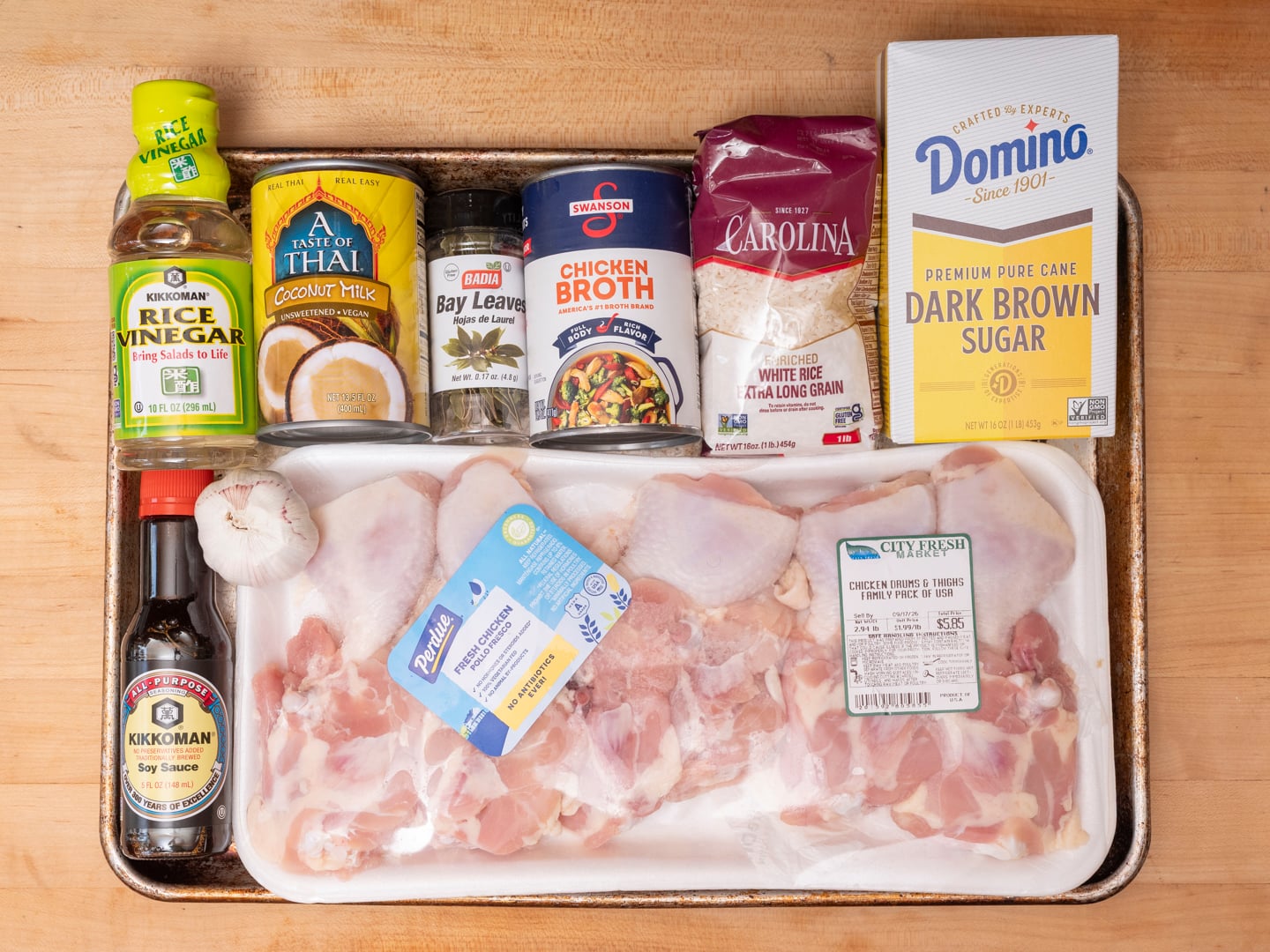
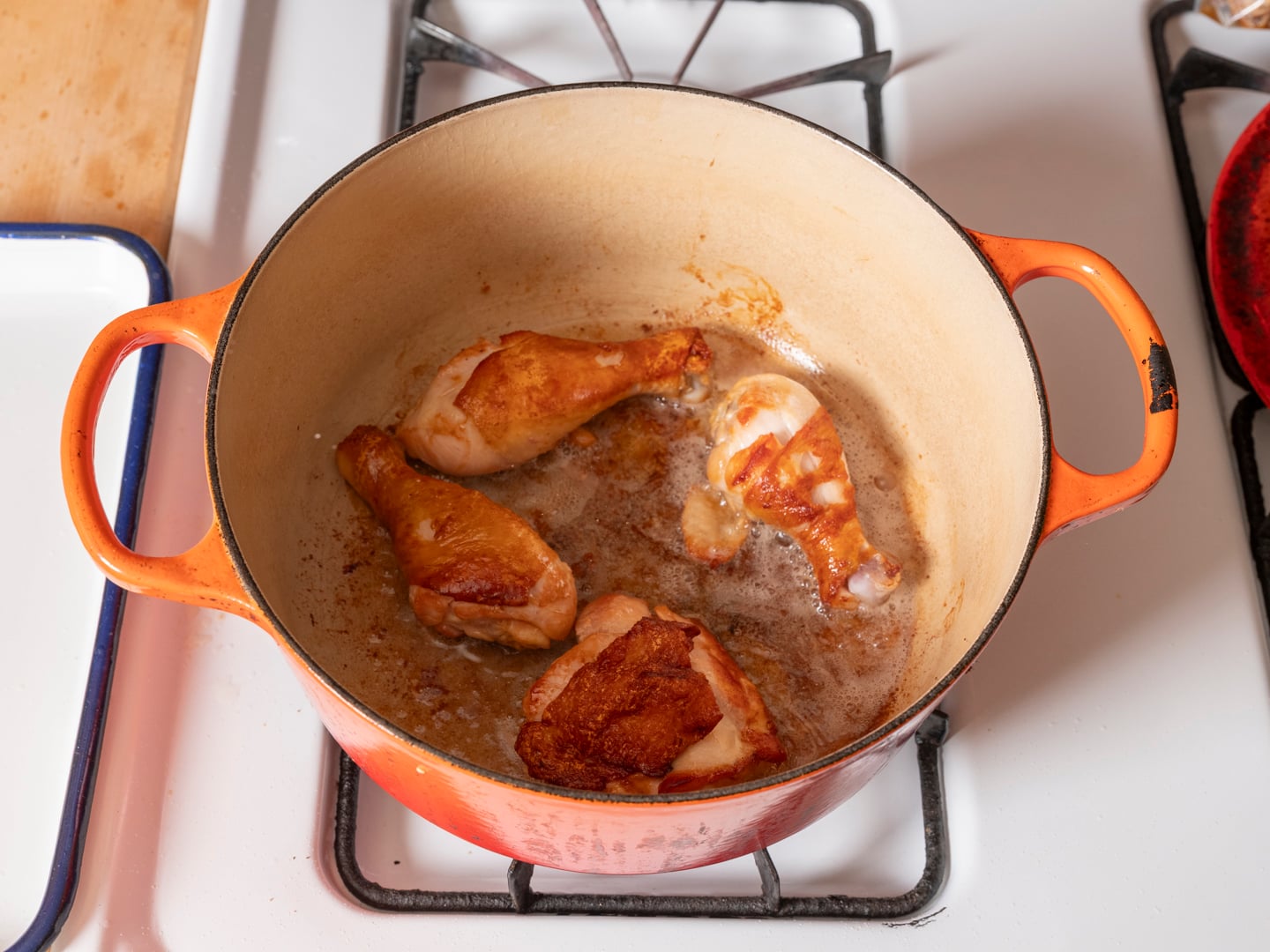
The process begins by combining bone-in, skin-on chicken thighs and drumsticks with soy sauce and smashed garlic in a large zip-top bag, allowing the meat to marinate in the refrigerator for anywhere from three to twenty-four hours. When it is time to cook, the chicken is removed from the bag while preserving the leftover marinade for later use. The chicken pieces are then browned skin-side down in extra-virgin olive oil inside a large Dutch oven or braiser until deeply golden, working in batches to ensure the pan is never overcrowded.
Once the chicken is properly seared, the reserved marinade and a can of chicken broth are poured into the pot, accompanied by dried bay leaves and whole black peppercorns. After bringing the mixture to a boil, the heat is reduced, and the pot is covered to let the chicken simmer until it reaches tender perfection.
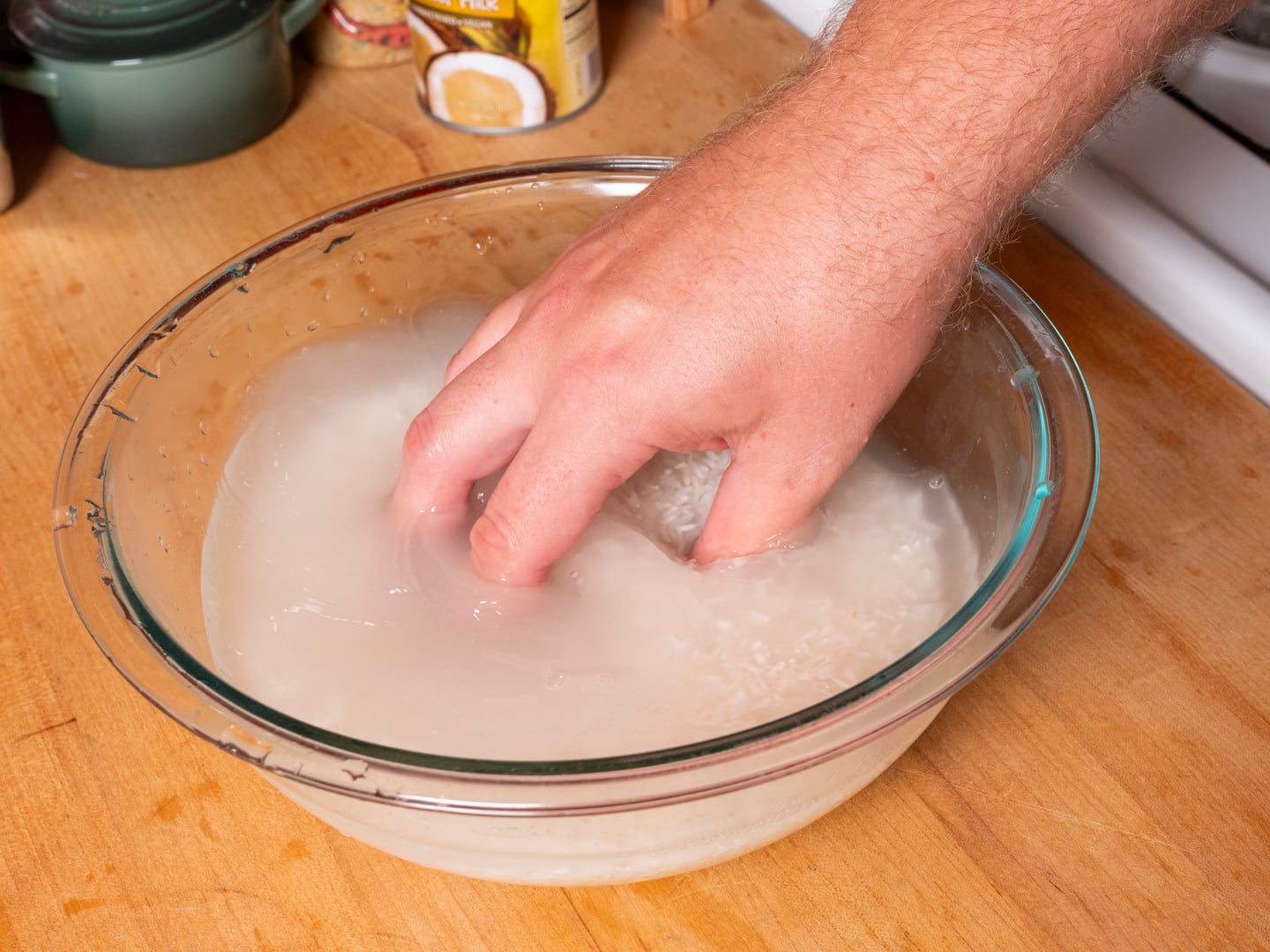
While the chicken gently cooks, the coconut rice is prepared. Long-grain white rice is rinsed multiple times in a bowl of cold water until the water runs mostly clear, effectively removing excess starch. The cleaned rice is then combined in a saucepan with unsweetened coconut milk, salt, and water, brought to a boil, covered, and simmered over low heat until the liquid is fully absorbed. After resting off the heat for ten minutes, the rice is fluffed with a fork.
Returning to the main pot, the adobo is uncovered, and the rice vinegar is poured in without stirring. After bubbling away uncovered for ten minutes, brown sugar and salt are added, allowing the cook to finally stir the contents. The sauce simmers for a few more minutes until it reduces slightly, achieving a complex flavor profile that balances salty, tangy, savory, and sweet notes.
To serve, the rich coconut rice is divided among bowls, topped with the tender pieces of chicken, and generously spooned over with the savory adobo sauce. As Sol Guevarra advises, the dish is best served hot.
Casey Elsass is a Brooklyn-based food writer and recipe developer whose extensive portfolio includes co-authoring over thirty cookbooks and writing for major publications such as The New York Times, New York Magazine, Bon Appétit, NPR, and Food52. He is also the author of the bestselling cookbook What Can I Bring?: Recipes to Help You Live Your Guest Life.