
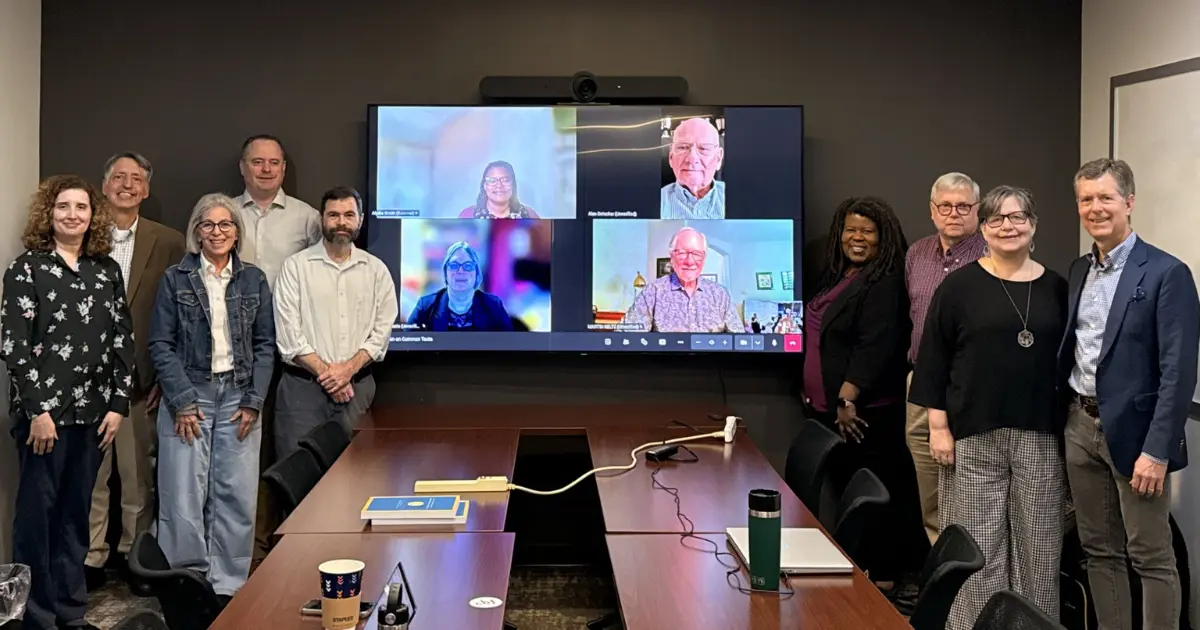
The introduction of an entirely new liturgical festival is an exceedingly rare event within the global church community. The last time the shared calendar welcomed a brand-new observance was in 1983. Establishing such a day is far from simple; it requires navigating a rigorous, multi-year process overseen by the Consultation on Common Texts, commonly known as the CCT. The CCT is an influential ecumenical body comprising liturgical scholars and official representatives from more than 20 diverse Christian denominations across the United States and Canada, including prominent bodies like The United Church of Canada. This governing organization is responsible for curating the Revised Common Lectionary, the standardized system of scripture readings that guides Christian worship services around the world. Recently, the CCT took the historic step of approving a three-year trial period for the Feast of Creation.
Marked annually on the first Sunday in September, the new observance draws deeply upon an older, venerated tradition within Christendom. For centuries, the Eastern Orthodox Church has maintained September 1 as a sacred feast day honoring God’s Creation, a practice it has observed faithfully since the eighth century. Decades ago, in 1989, Orthodox leaders took a visionary step by inviting the entire global Christian world to join them in this observance, a call that grew increasingly urgent in response to escalating environmental concerns and the mounting ecological crises facing the planet.
Behind the scenes, the journey of bringing this modern liturgical feast to fruition has been years in the making. Rev. Alydia Smith, the identity and mission network coordinator for The United Church of Canada, also serves as the secretary of the CCT. Smith played a pivotal role in sheeding the proposal forward, tracing its path from an initial ecumenical gathering held in Assisi, Italy, a few years ago all the way to the CCT’s formal approval of trial readings this past spring. She describes the collaborative process as a remarkably rare and spiritually profound experience.
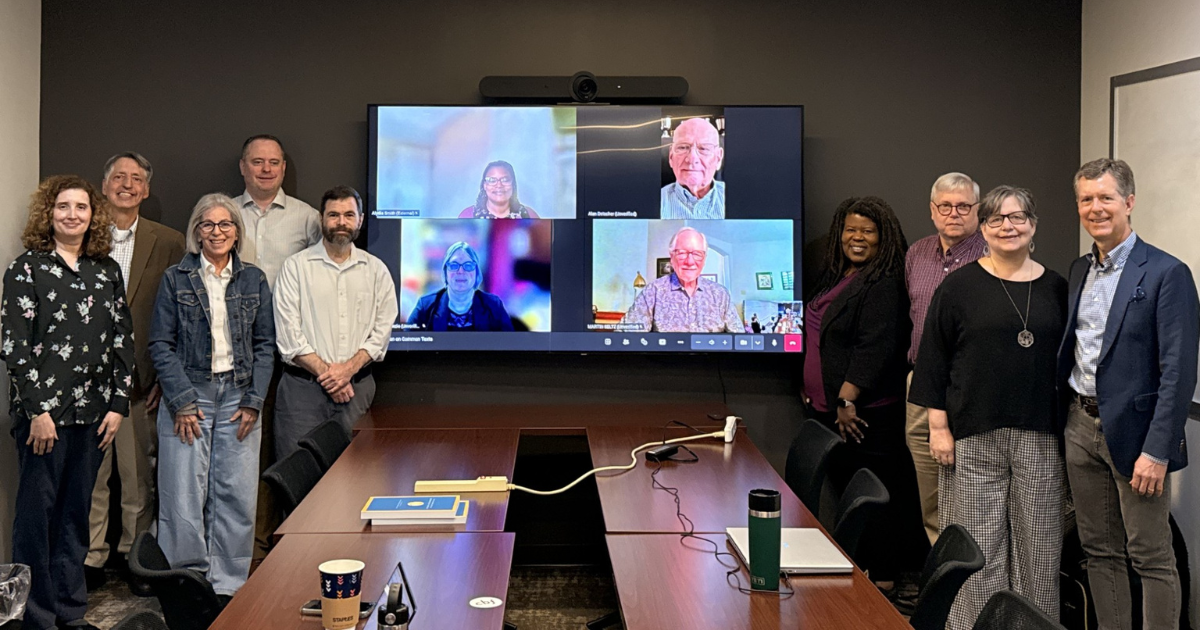
Reflecting on the nature of the partnership among diverse Christian leaders, Smith notes that everyone involved shared an equal investment in the outcome. She described how Roman Catholic cardinals, Orthodox clergy, and Protestant ministers sat at the same table and worked together as absolute equals, driven by a shared spiritual awakening. According to Smith, the group collectively realized that a genuine, faithful response to the unfolding climate crisis naturally includes lifting up and honoring the vital theological relationship between Creation and Christ.
The newly established three-year trial period will provide churches with ample time to gather meaningful feedback on the newly approved trial readings and to develop comprehensive, inspiring worship resources tailored for the occasion. If the feast is ultimately adopted on a permanent basis by the participating denominations, it will take its respected place alongside foundational observances on the liturgical calendar, joining major celebrations such as Christmas, Easter, and Reign of Christ Sunday.
Looking toward the horizon, church leaders are optimistic about the long-term spiritual impact this observance will have on ordinary churchgoers. Smith envisions a future where ecological theology is deeply embedded in the weekly life of the church, noting that within a few years, no matter what Christian denomination or local church an individual decides to visit, congregations will be actively engaged in conversations about their relationship with a God who is, who was, and who is continually creating.