
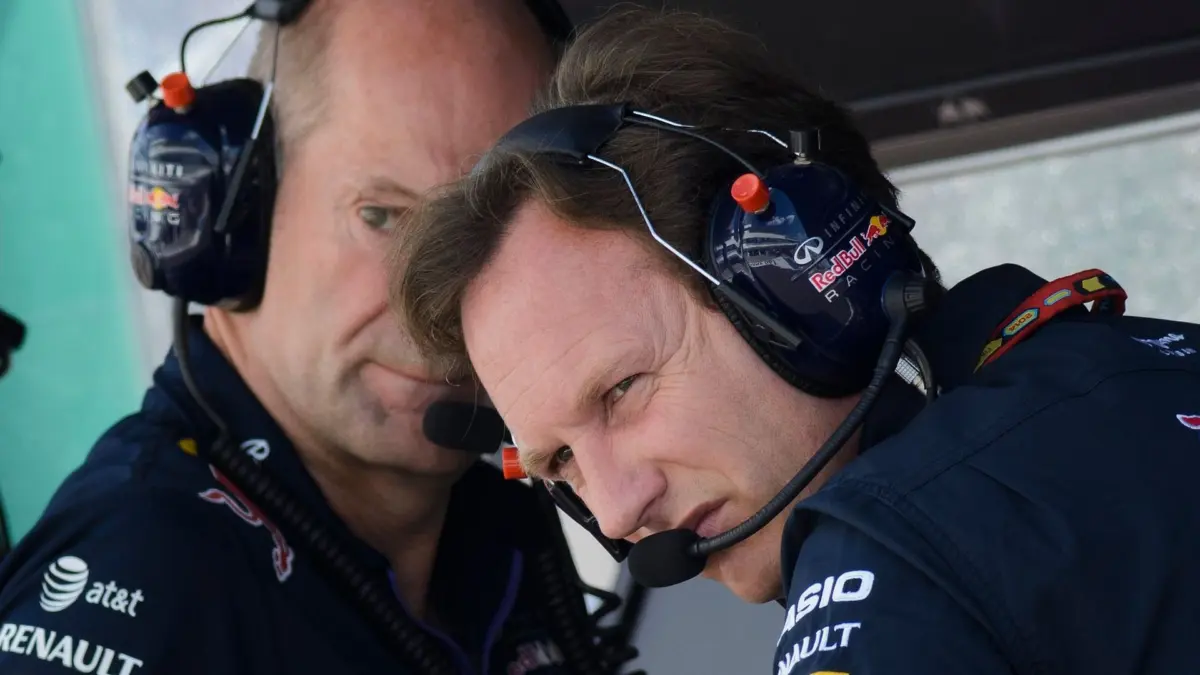
Adrian Newey has offered a frank perspective on his tumultuous years with Red Bull, suggesting that former team principal Christian Horner did not "fully understand" the deep-seated pain and frustration he experienced during the team’s difficult period with Renault engines.
The remarks come in the wake of critical revelations published in Horner’s newly released autobiography, Drive, which shines a fresh light on the inner workings of one of Formula 1’s most successful partnerships. Over an extraordinary 19-year span, Horner as team principal and Newey as chief technical officer formed the architectural backbone of Red Bull Racing. Together, they orchestrated two distinct eras of sustained championship dominance: the golden run with Sebastian Vettel capturing consecutive drivers’ and constructors’ titles from 2010 through 2013, followed by the record-shattering supremacy of Max Verstappen from 2021 to 2024.
Sandwiched between those glorious championship campaigns, however, lay a sobering valley of underperformance. When Formula 1 entered its turbo-hybrid era in 2014, Red Bull abruptly found itself knocked from the summit of the sport, forced to watch helplessly as Mercedes established a devastating period of prolonged hegemony.
While Red Bull maintained its relationship with power unit supplier Renault—the very manufacturer that had propelled them to four consecutive double championships under the previous regulatory era—the French marque encountered profound difficulties adjusting to the complex new power unit regulations. These persistent reliability and performance deficiencies heavily compromised the aerodynamic potential of Newey’s intricately designed chassis, plunging the Milton Keynes-based outfit into a multi-year sporting crisis.
Writing in his autobiography, Horner recounted a particularly tense period midway through the 2014 season when his faith in his star designer was severely tested. During that summer of discontent, Newey had received a lucrative, high-profile offer to join Scuderia Ferrari and was actively deliberating whether to walk away from Red Bull.
"I stood behind him and believed that he stood behind me as well," Horner wrote in Drive. "Pero at the first sign of adversity, Adrian wanted to abandon ship. I felt very sad about that."
Horner added that, despite Newey’s irreplaceable value to the organization’s technical framework, the ordeal fundamentally altered his perception of their alliance. "I could no longer rely on him. Our partnership was not as solid as I had previously believed."
These candid assertions from Horner were placed directly before Newey during the official team principals’ press conference ahead of the United States Grand Prix at the Circuit of the Americas. When asked about his former colleague’s written reflections, Newey admitted he had not yet read the book, but offered a passionate defense of his mindset during those dark days of 2014.
"You’re quite right in saying that, no, I haven’t read any of it yet," Newey told assembled journalists.
Delving into the technical realities of that era, the legendary designer explained the fundamental psychological toll that uncompetitive machinery takes on a car architect whose entire professional identity is tied to victory.
"I think 2014, as a chassis designer, if the PU manufacturer has a bad year, that happens and you accept it," Newey said. "If the PU manufacturer has a bad year and doesn’t appear to have any intention of trying to address the problem, that’s altogether a different matter and that’s quite bleak at that point. And that’s the situation that unfortunately we faced in 2014."
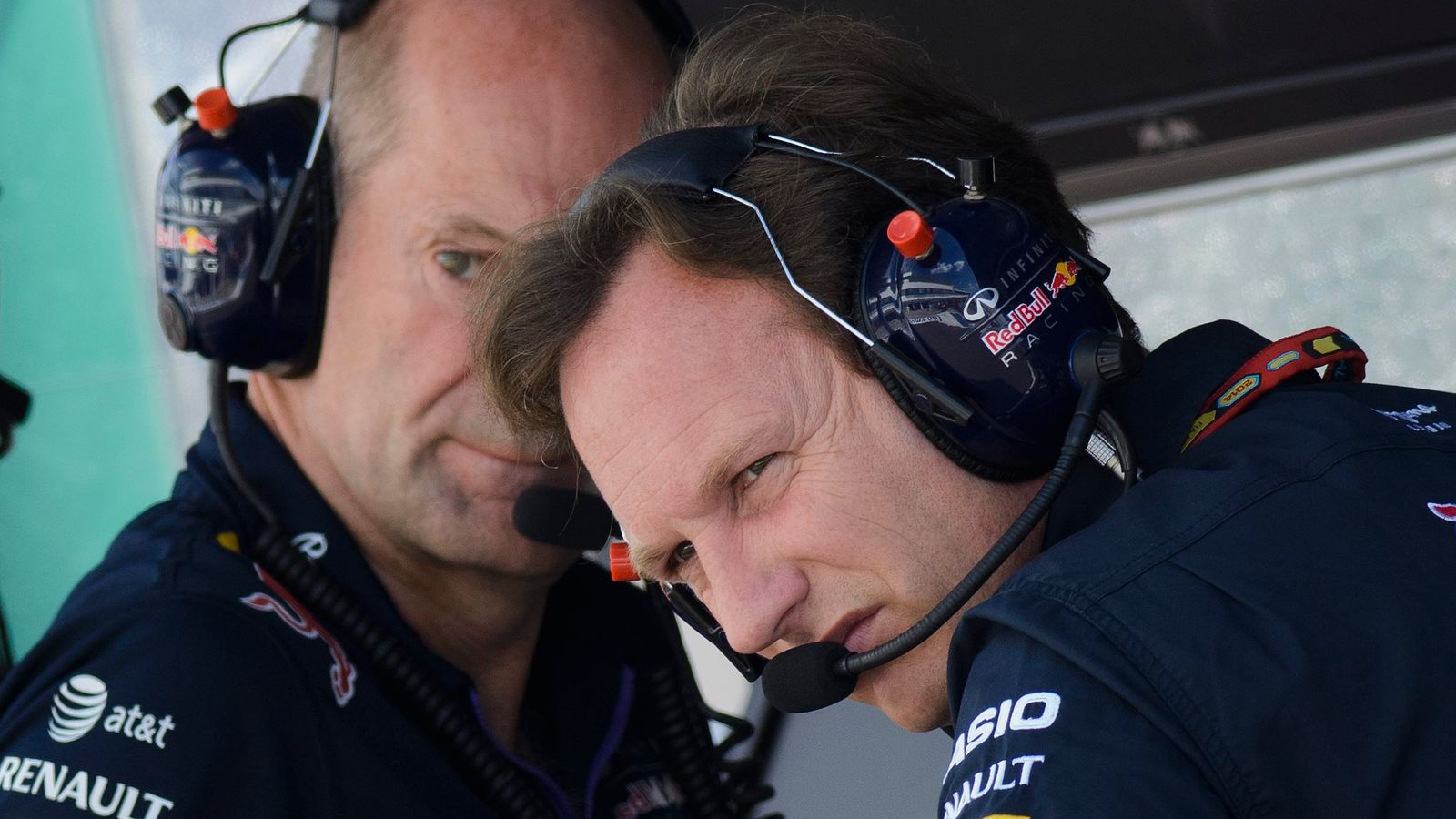
The mismatch between Red Bull’s championship ambitions and Renault’s developmental stagnation created a protracted internal crisis. Newey noted that the bleak competitive landscape did not fundamentally shift until Red Bull eventually severed ties with Renault and transitioned to Honda power units ahead of the 2019 season—a move that eventually laid the groundwork for Verstappen’s current record-breaking era.
"So, you can imagine my pain and frustration at that," Newey reflected. "I don’t think Christian fully understood that, perhaps. But I was in conversation."
Despite entertaining Ferrari’s advances in 2014, Newey ultimately chose to turn down the legendary Italian marque. He signed a contract extension to remain with Red Bull, though the nature of his role evolved as he began to divide his working hours with other high-performance engineering projects outside of Formula 1, such as the design of the Aston Martin Valkyrie hypercar.
Newey ultimately remained a pillar of the Red Bull organization for another full decade before his high-profile departure was confirmed. He officially left the team in 2024, subsequently embarking on a new professional chapter with Aston Martin, where he serves as team principal and managing technical partner.
Keen to defuse any narrative of lingering personal animosity, Newey emphasized that his bond with Horner remains intact away from the Formula 1 pit wall. "The rest of it [in the book] I really can’t comment, but Christian and I remain friends," Newey said. "As many of you know, I am godfather to his daughter Olivia, so, yeah."
In promotional interviews surrounding the launch of his book, Horner drew conceptual parallels between the immense challenge Newey now faces in trying to elevate a struggling Aston Martin outfit and the monumental task they shared during Red Bull’s infancy. Red Bull Racing was born out of the remnants of the uncompetitive Jaguar squad following Red Bull’s corporate buyout ahead of the 2005 season.
It was a historical comparison that Newey readily endorsed, recognizing familiar structural and cultural hurdles in his new home.
"I think there are actually a lot of parallels between when I started at Red Bull and when I’ve started at Aston Martin," Newey observed. "Both teams that through their history had had quite a lot of turmoil with changes of owners, changes of senior managers, et cetera. It’s then really trying to, as we’ve spoken before, get everybody working together, try to break down silos, improve the culture. And that’s been exactly the same again."
Speaking to Sky Sports News earlier in the week, Horner acknowledged the unique brilliance of his former colleague, reiterating his status as the preeminent engineering mind in the history of the sport.
"Adrian is without doubt the best designer that Formula 1 has ever seen," Horner stated. "His track record speaks for itself."
Commenting on Newey’s high-profile switch to Aston Martin and the heavy financial investment spearheaded by team owner Lawrence Stroll, Horner added: "Lawrence is a very successful guy. He’s a very driven guy and has obviously invested heavily in that team. Honestly, I think they’ve got their own journey that they’re on, and it’ll be interesting to see how it plays out."
As Formula 1 arrives in Austin for the latest leg of the Americas triple-header, the paddock continues to process the echoes of Red Bull’s past, even as both Horner and Newey chart separate futures in the sport’s hyper-competitive landscape.