
“I think I’m going to switch back to my other phone.”

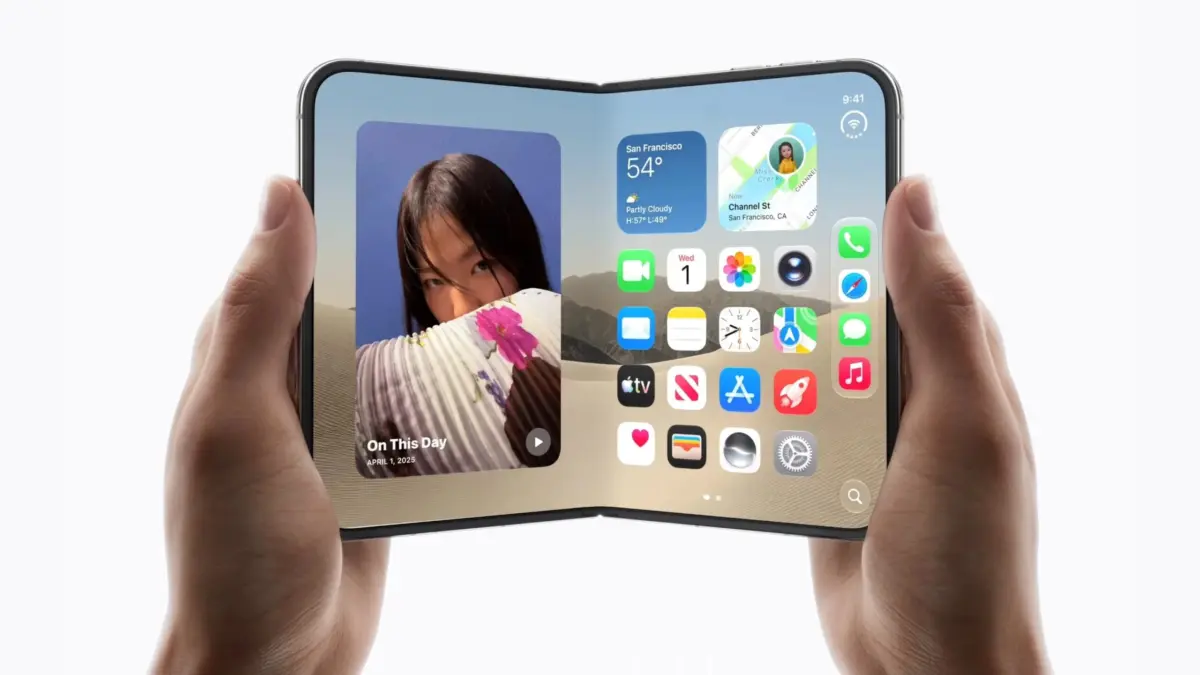
It was a sentiment muttered more than once during a five-day vacation alongside Apple’s newly released iPhone Duo. Armed with the brand-new foldable device—as well as an iPhone 17 Pro Max packed away as a safety net—the journey was defined by initial software bugs, unfamiliar interface gestures, a distinct step back to Touch ID, and a camera system that ultimately justified carrying two phones at once. Yet, by the time the trip concluded, the prospect of returning exclusively to a traditional slab phone felt remarkably unappealing.

When the Duo first arrived as a loaner unit directly from Apple, it managed to spark a genuine sense of anticipation. Unboxing modern smartphones rarely carries the thrill it once did for seasoned technology reporters, but the days leading up to the Duo’s official release had prompted entirely different behaviors. There was quiet mental math over how to comfortably absorb a $2,000 price tag, late-night scrolling through TikTok reviews of specialized third-party cases, and constant deliberation over making such a radical hardware shift away from an established daily driver like the iPhone 17 Pro Max. The two devices, after all, could hardly exist in more contrasting categories.

Transitioning from a high-end, traditional rectangular handset to a novel, experimental form factor carries an immediate psychological and ergonomic cost. For anyone accustomed to the refined, expansive glass estates of modern flagship slabs, the iPhone 17 Pro Max’s successor in spirit—the short, squat, and distinctly unconventional Duo—felt jarring at first glance. Standing on the precipice of travel, doubts quickly surfaced regarding available screen real estate and whether the device would even slide comfortably into a pocket.

As it turned out, the physical footprint proved surprisingly versatile, slipping easily into both front and back pockets even with a case attached. Predictably, clumsy real-world usage led to repeatedly sitting on the device in back pockets while walking around, an oversight that would have spelled disaster for more fragile builds. Remarkably, the Duo shrugged off the pressure without a single structural failure. Accidental drops followed over the course of the trip, tumbling from table heights and sliding off beds onto unyielding surfaces like concrete, tile, and wood flooring. While hardly qualifying as a formal laboratory drop test, the hardware’s resilience brought an immediate sense of relief for anyone prone to everyday clumsiness.

Naturally, the hardware transition was not without its friction points. The smaller outer screen required noticeably more scrolling to read back through extended text message threads. Meanwhile, unoptimized third-party applications often cluttered their interfaces with cramped controls or tucked essential features away behind arbitrary three-dot menus. Software stability introduced its own hurdles, most notably with the Google Search app, which repeatedly froze during routine travel queries.

While software bugs are rarely Apple’s direct responsibility, the freezing issue quickly became a persistent annoyance during a vacation spent constantly looking up points of interest, restaurant reviews, geographical distances, and local weather forecasts. The culprit appeared tied to the Search app’s forced AI mode integration—an experience users are frequently funneled into without explicit request. With the app’s back button routinely failing to respond, the sole reliable workaround involved force-closing the software entirely, resetting the interface back to the standard home search box. In an era where Google is visibly contending with shifting search trends driven by AI adoption, the oversight of ensuring basic functionality on Apple’s premier new device remains glaring.

Early reviews had also heavily criticized the widespread lack of Day-One app optimization for the Duo, noting how unadjusted software leaves telltale black bars flanking the display and further constraining the already limited outer screen real estate. While those criticisms are accurate, living with the device reveals them to be more of an aesthetic compromise than a functional dealbreaker. Developers have rolled out optimized updates at a steady pace, and unoptimized apps remain completely usable, albeit visually awkward. Google Maps functioned smoothly throughout the trip for driving directions and local discovery despite lacking native Duo optimization. Furthermore, as legacy software continues to face security vulnerabilities in an era of automated cyberthreats, the pressure on developers to maintain and modernize older codebases is mounting.

Far more universal among early criticisms, however, is the absence of Face ID. The return of Touch ID stands as the Duo’s most prominent hardware compromise—overshadowing questions surrounding screen creases, camera counts, or the absence of a dedicated Action button.

Relying on biometric authentication via finger presses rather than a quick glance proves significantly more cumbersome in daily scenarios. While wearing an Apple Watch provides an alternative method for unlocking the device itself, authenticating through Touch ID during everyday tasks like Apple Pay transactions exposes the friction immediately. Checking out while managing shopping bags, a purse, and a dog leash highlights just how seamlessly Face ID has previously smoothed out routine interactions.

Overcoming muscle memory requires cradle-like grips and precise thumb placement, and distractions like a pulling pet routinely disrupt the process, prompting frustrated demands for facial recognition at checkout counters. While users inevitably adapt to the physical sensor over time, the regression stands as a clear hurdle for potential early adopters, even as supply chain reports suggest a future successor will incorporate under-display Face ID technology.

Photography represents another significant crossroads for prospective buyers. Equipped with a dual-lens rear camera system rather than the triple-lens array found on the iPhone 17 Pro Max, the Duo lacks a dedicated telephoto lens and is capped at a 10x digital zoom compared to the Pro’s 40x capabilities. It also foregoes advanced low-light hardware architectures and professional formats like ProRAW and ProRes.

For serious mobile photographers and digital content creators, the Duo clearly cannot serve as a primary capture device. Yet, for average users whose photographic output rarely extends beyond Instagram Stories, casual text messaging, home screen widgets, or lock screen wallpapers, the camera performs adequately. Image processing can occasionally lean toward overprocessing fine details like distant tree foliage, while sweeping landscapes under fading evening light can appear somewhat flattened or smoothed over. Nevertheless, these minor compromises have little impact on casual point-and-shoot scenarios.

The fundamental appeal of the Duo lies elsewhere—specifically in the sheer novelty of holding a folding device designed within the Apple ecosystem. Foldables introduce a distinct sense of whimsy missing from traditional slab phones, functioning effectively as modern adult toys. Developers are visibly enjoying the creative opportunities presented by the unique form factor, producing inventive applications that showcase the hardware’s versatility. It also serves as an exceptional media consumption device, particularly when paired with accessories like the Duo Folio case featuring an integrated kickstand.

Apple’s deliberate entry into the foldable market brings the company’s trademark attention to detail, evident in a barely noticeable display crease and a consistent aspect ratio that ensures content scales proportionally across screens. Crucially, it integrates seamlessly into the broader iOS software ecosystem, protecting investments in paid applications and interconnected Apple services.

An unexpected realization during daily use, however, was how infrequently the device actually needed to be unfolded in public settings. Doing so frequently draws curious glances and initiates conversations with strangers—ranging from inquisitive retail clerks to local business owners—who are often fascinated by features like Kid Cue, which uses playful animated characters on the outer screen to capture children’s attention for photographs. The inner screen’s matte, nano-texture finish also draws praise for effectively cutting down glare while keeping hinge visibility to a minimum. Furthermore, the device’s robust dust-tight IP68 rating offers reassurance regarding environmental durability compared to earlier generations of foldable hardware.

Yet, unfolding the Duo ultimately feels less like a casual reflex and more like an intentional decision. Rather than encouraging the habitual, mindless scrolling typical of modern smartphones, the physical act of opening the device introduces a deliberate friction. It invites purposeful engagement—whether watching a film or utilizing split-screen multitasking to cross-reference news articles alongside social feeds. By interrupting the effortless loop of reflexive screen time, the Duo encourages a more mindful approach to technology usage.

Despite its initial setup hurdles, software quirks, and compromises in biometrics and photography, the iPhone 17-era foldable succeeds by offering a compelling balance. It remains a deeply engaging piece of engineering that proves genuinely enjoyable to pick up, while offering a welcome reassurance that it is just as easy to put down.