
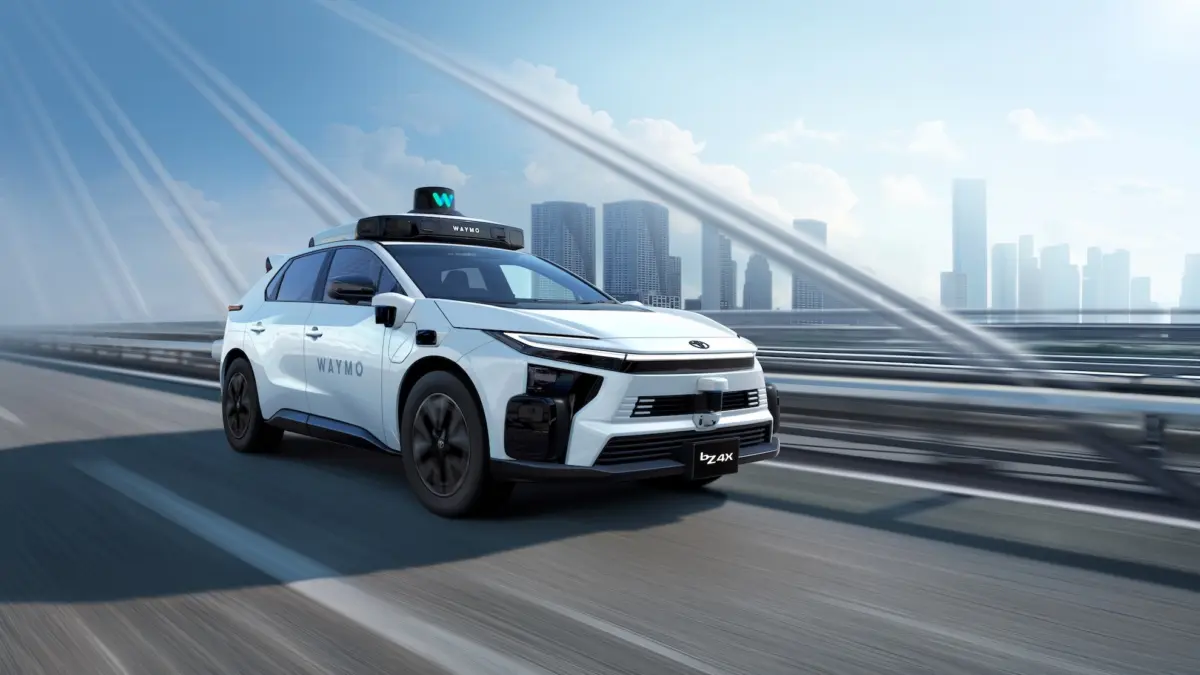
Waymo is set to begin testing autonomous Toyota bZ4X electric vehicles in Japan next year as part of a major expanding partnership with the Japanese automaker. The collaboration aims to supply specialized electric vehicles for Waymo’s growing robotaxi operations across international markets, including the United Kingdom, marking a significant milestone in the commercial scaling of autonomous driving technology.
Under the partnership agreement announced on Friday, Toyota will manufacture the 2027 model-year bZ4X vehicles and directly integrate Waymo’s proprietary self-driving hardware and software system at its Takaoka factory in Japan. Notably, this specific electric vehicle is marketed as the BZ in the North American market, but the international iterations rolling off the production line will be custom-tailored for autonomous ride-hailing deployments.
The upcoming trials of the autonomous bZ4X fleet will initially take place in Japan, laying the groundwork for Waymo to eventually establish a commercial robotaxi service in the country. However, the broader strategic intent extends well beyond Japan’s borders, with plans to deploy these vehicles in other right-hand driving international markets. Among the primary targets is the U.K., where Waymo has already spent months actively testing its autonomous Jaguar I-Pace fleet on the streets of London. The company intends to officially launch a public robotaxi service in London as soon as it secures the necessary regulatory permits and approvals from local authorities.
This official announcement arrives roughly 18 months after Toyota and Waymo initially signed a preliminary memorandum of understanding in April 2025. At that time, the agreement was designed to explore the joint development and deployment of an autonomous vehicle platform. Industry observers noted that the initial arrangement fell into a tentative category, characterized by language that was sufficiently vague to leave plenty of room for interpretation regarding whether a concrete manufacturing and operational partnership would ever materialize.
At this stage, the newly formalized partnership functions largely as a conventional vehicle supplier agreement. This arrangement directly addresses Waymo’s specific regional fleet requirements while successfully adding an entirely new vehicle model to its established robotaxi portfolio, which has historically relied heavily on vehicles like the Jaguar I-Pace and Chrysler Pacifica minivans.
Beyond Immediate Robotaxi Plans
While the immediate focus remains firmly anchored in deploying commercial ride-hailing fleets, the long-term scope of the partnership could eventually extend far beyond robotaxis. Executives from both companies confirmed that they will continue to evaluate opportunities to bring Waymo’s advanced autonomous driving technology to personally owned Toyota vehicles in the future, potentially opening up a massive consumer market for the software stack.
In addition to hardware integration and ride-hailing deployments, Toyota and Waymo announced plans to explore other collaborative initiatives. These future projects aim to leverage real-world operational insights gathered from Waymo’s extensive autonomous driving fleets to improve overall safety for other road users, pedestrians, and cyclists.
While the exact mechanics of these future safety initiatives remain to be fully detailed, Hiroki Nakajima, executive vice president of Toyota and a member of the company’s board of directors, offered some clues during the announcement.
"This collaboration will help scale that technology and bring it to customers in Japan and beyond through Waymo’s ride-hailing service, and in parallel, Toyota will continue to explore how integrating vehicles with traffic infrastructure can make those roads safer still," Nakajima said in a statement.