
This story was produced in partnership with Type Investigations and was supported by the Pulitzer Center.
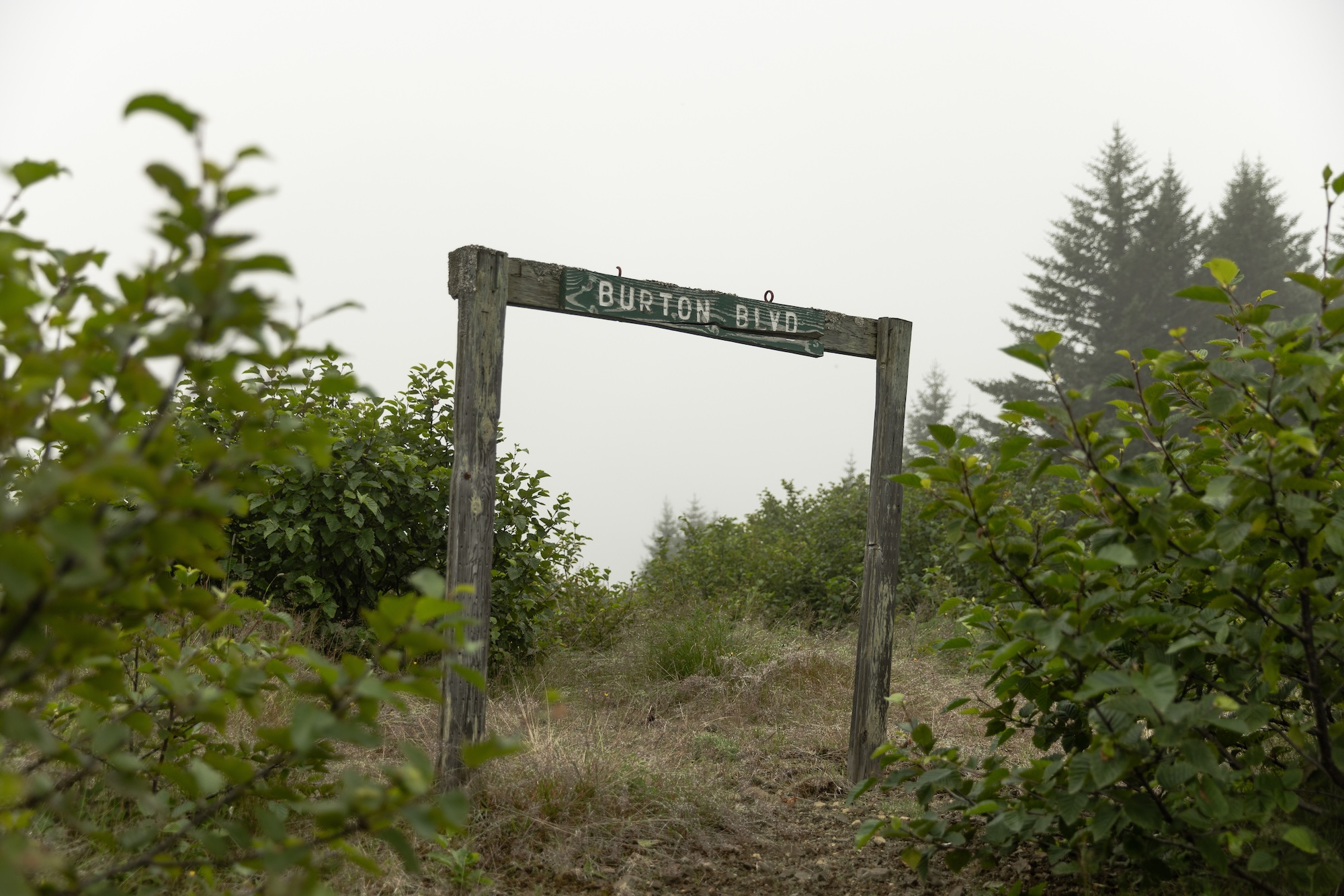
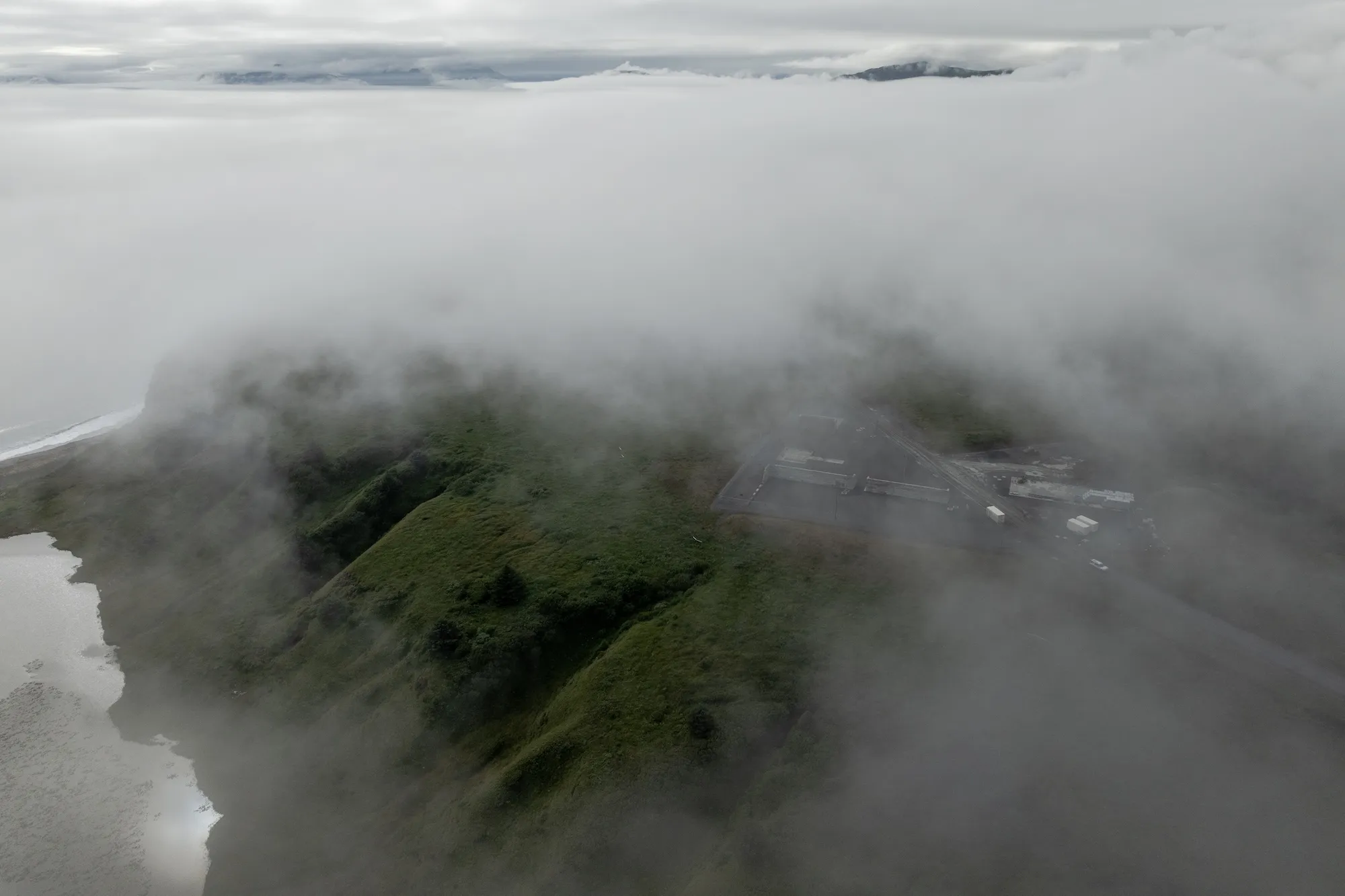
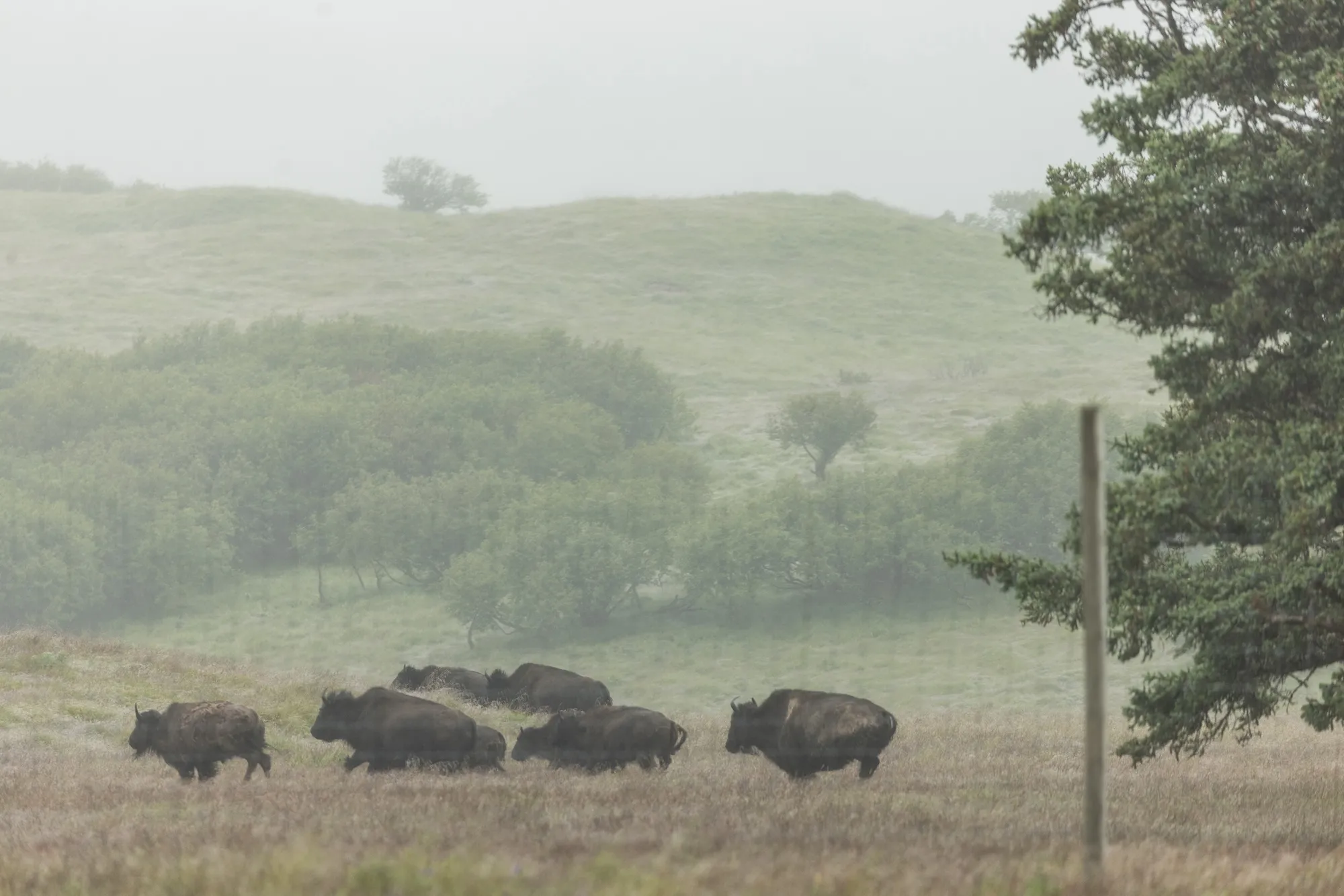
Last August, Christine Burton received an unexpected phone call from her sister, an employee at the Pacific Spaceport Complex on Kodiak Island, Alaska. The state-owned facility was preparing for an unannounced test launch of what was likely a hypersonic missile, a move that required closing the only road connecting the center of town to the isolated site. For Burton, the situation was all too familiar. She and her husband, Buck, owned and operated a 140-acre bison ranch that directly abuts the Spaceport. Over the past couple of years, the couple had learned to navigate the disruptions accompanying the facility’s operations: sudden road closures, property accidents, and last-minute cancellations for clients who had paid to hunt game on their land. At least five rockets had experienced take-off explosions or malfunctions over the years, showering the surrounding environment with debris and toxic materials. Furthermore, their home sat squarely on the two-lane access road leading to the complex. When authorities shut down the road, Burton, her husband, and their six children were effectively stranded.
Typically, residents received a couple of days of advance notice, allowing them time to adjust their schedules and make logistical arrangements. But this time, there was no buffer. Her sister’s call warned her that the road would be closed that very evening for the imminent test, prompting Burton to leave work early and rush home. Roughly half an hour later, she noticed an unmarked security vehicle parked directly across her driveway, blocking access. To Burton, this heavy-handed containment was deeply infuriating. Her six-year-old child was sick at the time, and whoever was orchestrating the launch was essentially enforcing a lockdown that barred her from driving into town while also forbidding her from leaving her own property.
The launch, as it turned out, was delayed until the following night. On August 21, 2025, at approximately 10 p.m., a massive rocket streaked across the evening sky before disintegrating somewhere over the Pacific Ocean. Videos capturing the dramatic flight path quickly flooded social media platforms like Facebook and X, with one bewildered observer publicly wondering if a nuclear weapon had just been fired from Russia.
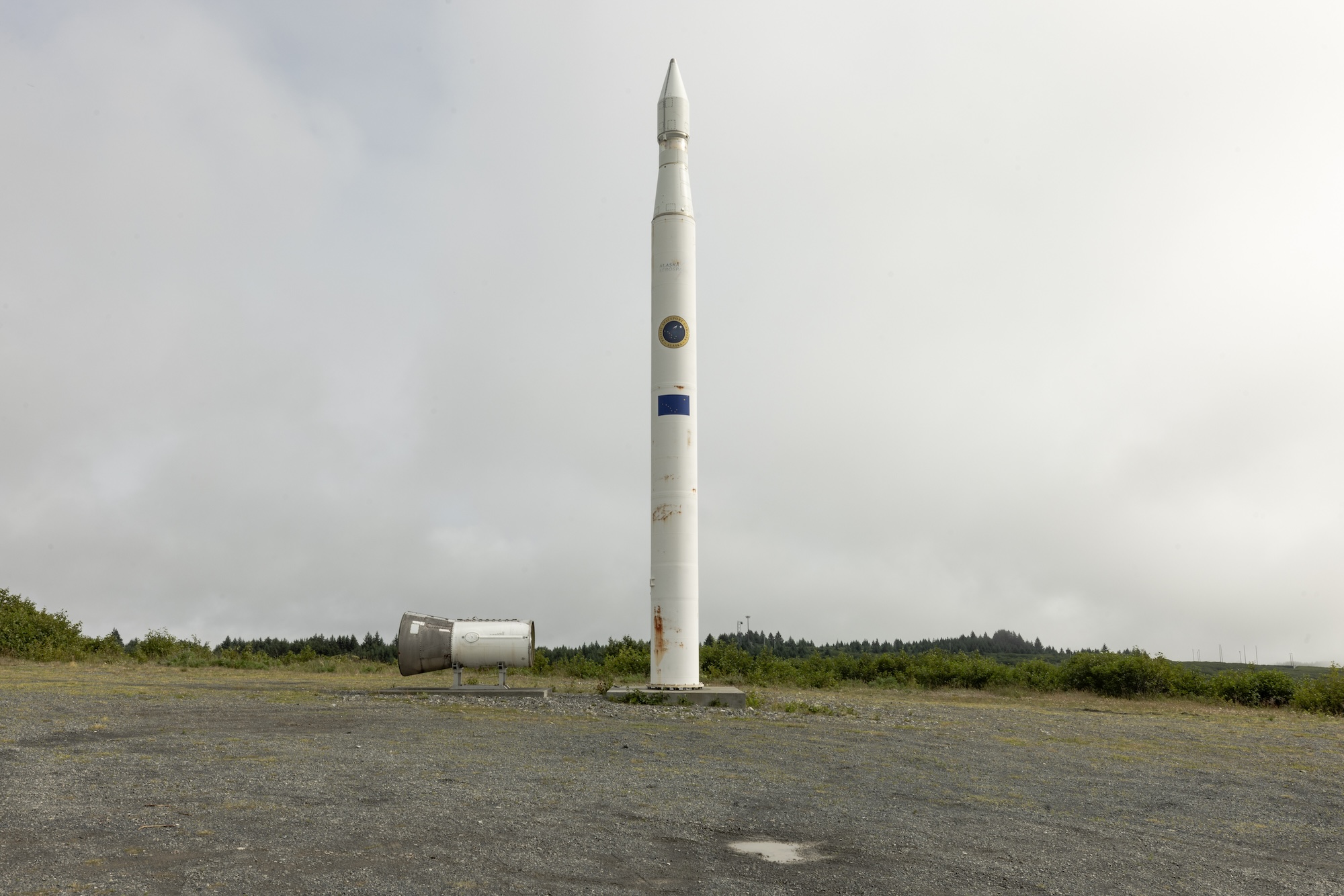
The Alaska Aerospace Corporation, the state-owned entity that operates the Spaceport facility, subsequently issued a public statement declaring that it had executed "a successful government rocket launch" and asserting that the residents of Kodiak—a town with a population exceeding 12,000—should take immense pride in their contribution to "the United States’ space legacy." Yet, behind the scenes, the information blackout mandated by the U.S. military for this specific launch was unprecedented, causing friction even within the ranks of Alaska Aerospace. The Spaceport had drafted a press release and public notice days before the event, intending to inform local media outlets. Government officials blocked its release entirely, refusing even to let Spaceport staff notify the Alaska Department of Transportation about the impending road closure.
"It was the government that put the handcuffs on us," John Oberst, the CEO of Alaska Aerospace, told colleagues during a closed board meeting in Kodiak a few weeks after the incident.
For the Burtons, the episode served as an ominous harbinger, signaling the dawn of an aggressive era of heightened secrecy surrounding the launch facility and the broader militarization of Kodiak Island. Established by the state of Alaska in 1991, Alaska Aerospace was originally framed as a "public corporation" designed to spur "space-related economic growth" and foster "space-related educational and research development by encouraging and assisting the University of Alaska," according to the state statute that created it. Unlike Cape Canaveral Space Force Base in Florida or Vandenberg Space Force Base in California—two of the nation’s most active military-run launch centers—Kodiak was uniquely established as the first commercial spaceport completely unaffiliated with a federal installation.
Stacy Studebaker, a longtime Kodiak resident and vocal critic of the facility, recalled how officials historically leaned into its public-facing identity to win over locals by promising broad economic benefits. "They claimed from the beginning that this would be a commercial launch site," Studebaker noted.
However, the tone and strategic calculus have shifted dramatically in recent years. Alaska’s geographical proximity to Russia and China, increasingly viewed by Washington as primary geopolitical threats and strategic competitors, combined with extensive Cold War-era infrastructure, has rendered locations like Kodiak exceptionally attractive to military planners. Simultaneously, a rapidly warming Arctic is accelerating a fierce international scramble for vital resources, including minerals and rare earth metals, alongside strategic control over newly opened shipping lanes. This aggressive pursuit of "Arctic dominance" has exponentially heightened the risk of environmental disasters—such as an oil tanker capsizing in the vulnerable Arctic Ocean—and the genuine possibility of direct military conflict.
The federal government is planning to pour billions of dollars into comprehensive Arctic security initiatives, anchored by the controversial "Golden Dome" missile defense system. Envisioned as a complex, multi-layered defense shield incorporating "space-based sensors and interceptors," the system is designed to protect the United States homeland from incoming ballistic threats.
While much of the overarching project remains heavily classified, the Air Force made a historic public disclosure in September, announcing that it had deployed weapons into orbit specifically to guard against "hostile adversary action."
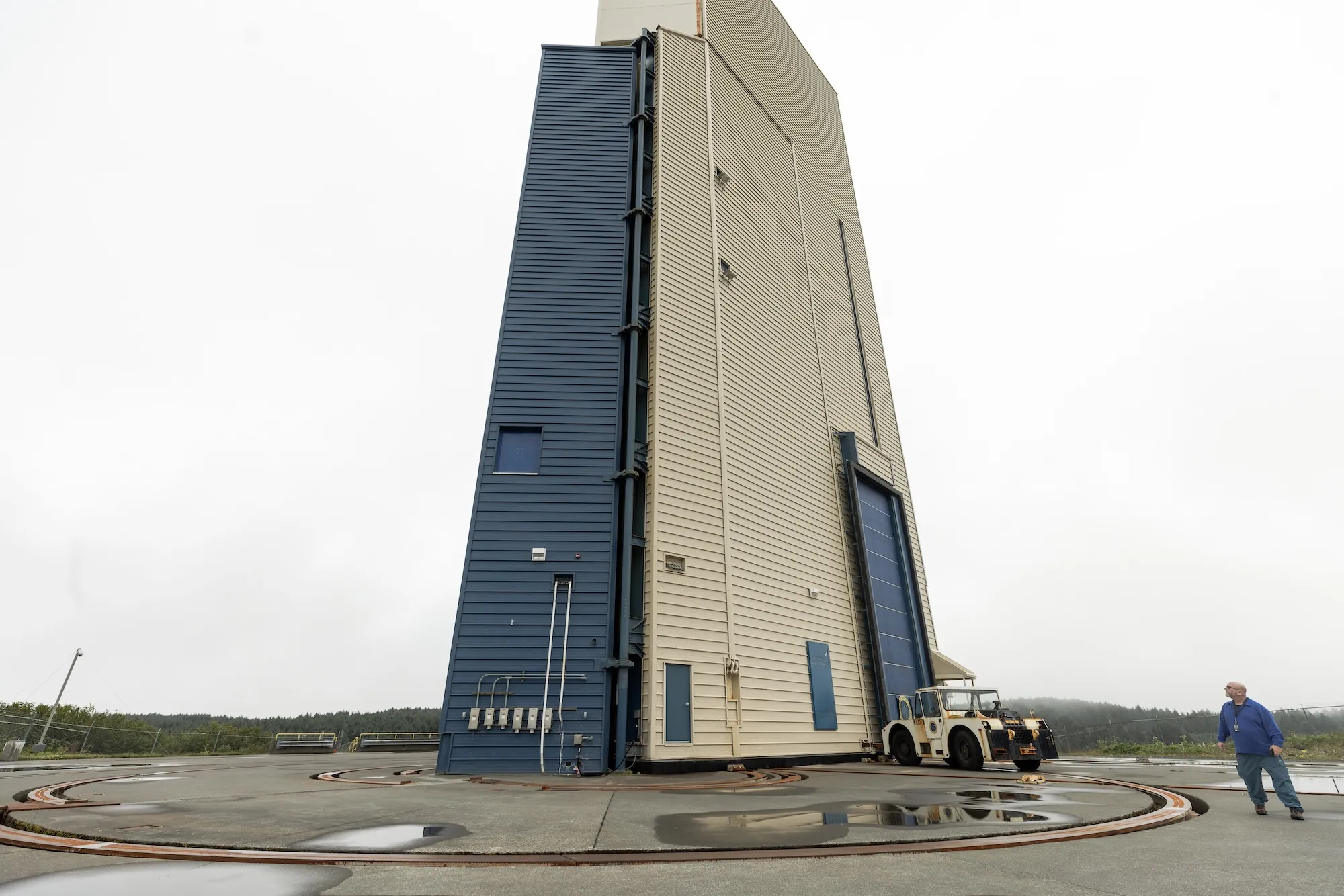
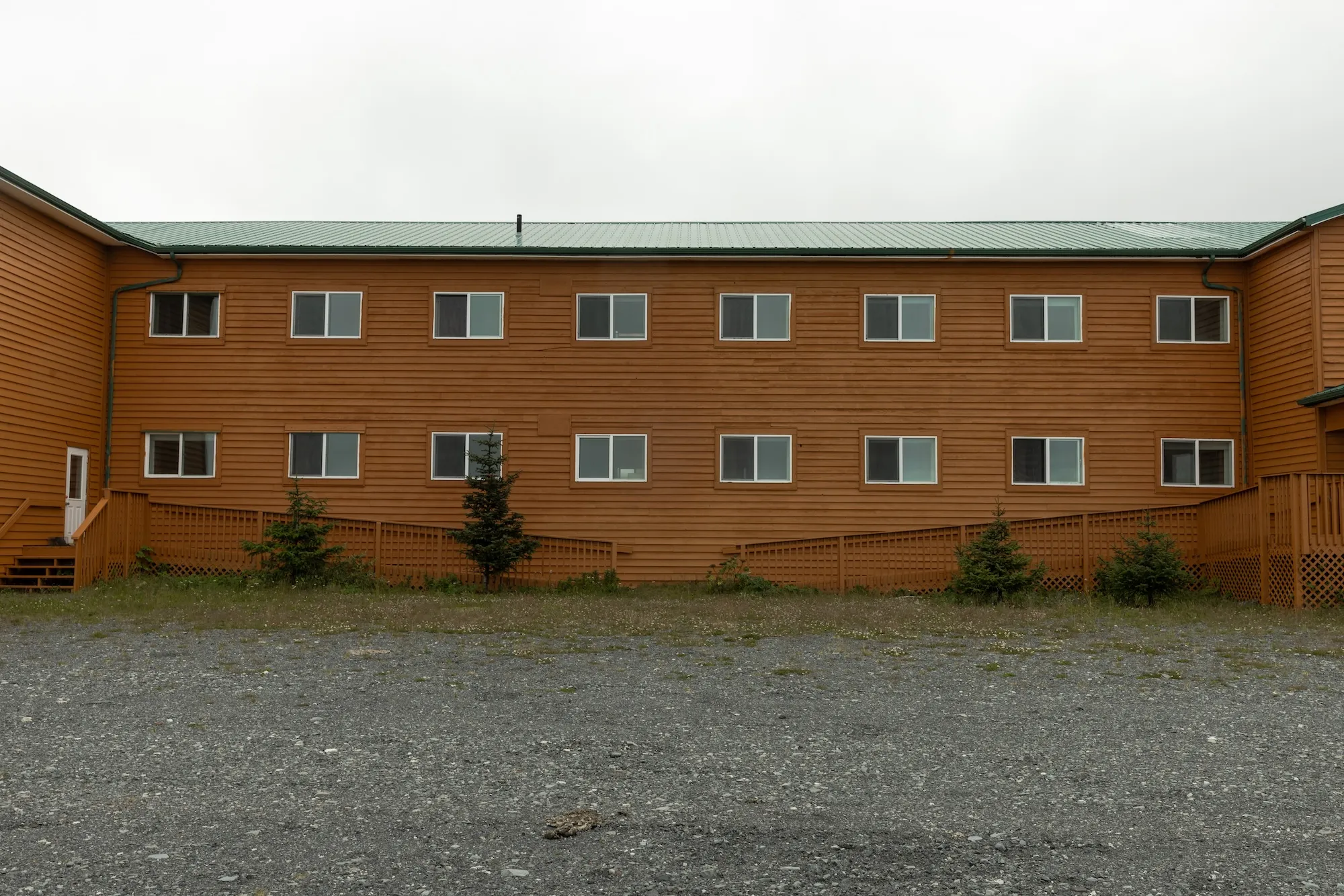
For the Spaceport, this strategic pivot translates into a dramatic, unprecedented escalation in launch frequency. In July, commercial aerospace firm Rocket Lab announced a $266 million contract with the U.S. Air Force dedicated to missile defense testing at the Kodiak Island facility. The agreement entails up to 18 suborbital launches over the span of two years. Furthermore, the Spaceport secured up to $45.5 million in federal funding over the past year to upgrade its aging infrastructure. According to Oberst, these funds will be used to modernize multiple launch pads, construct a massive 10,000-foot airstrip, and build a large lodging facility capable of housing government employees and private contractors.
Alaska Aerospace’s 2025 annual report explicitly notes that the Spaceport is "actively planning for increased launch cadence," projecting an exponential surge in activity that could see launch rates jump from one to three launches per year to one to three per month. Since opening nearly three decades ago, the Spaceport has hosted a total of 35 launches. Under the new plans, the facility could easily surpass that historical total in a single calendar year.
Beyond Kodiak, Alaska Aerospace harbors ambitions for broader expansion across the state. The corporation has partnered with the University of Alaska Fairbanks to facilitate both orbital and suborbital launches from the university’s Poker Flat Research Range, located north of Fairbanks, while actively evaluating potential launch sites at Oliktok Point on Alaska’s North Slope.
"Spaceports are like beachfront property," Oberst remarked in a press release announcing the university partnership in June 2025. "Very few and in high demand."
This explosive growth aligns seamlessly with a broader federal deregulatory push championed by the Trump administration to streamline commercial space operations and drastically accelerate the environmental review and permitting process for rocket launches. The federal objective is to expand nationwide launches from roughly 200 annually to 1,000 per year by the end of the decade—with projections climbing as high as 10,000 launches annually by 2035, as outlined in a National Security Presidential Memorandum. Hailing this policy shift as the dawn of the "golden age of space transportation," the administration aims to fast-track not only physical infrastructure projects but also the environmental review mechanisms governing new spaceports.
An executive order issued by President Trump called for sweeping cuts to commercial launch licensing requirements. More recently, the Federal Aviation Administration (FAA) introduced a controversial rule allowing private aerospace companies, including Elon Musk’s SpaceX and Jeff Bezos’s Blue Origin, to bypass more than a dozen foundational environmental statutes—such as the National Environmental Policy Act, the Endangered Species Act, and the Clean Water Act—when applying for construction and launch permits.
Environmental advocacy organizations have sharply criticized the FAA’s rule, warning that an unbridled surge in launch activity introduces severe, largely unstudied risks to human health and the global climate.
"One of the main goals of this deregulatory push is just to massively increase commercial space activity," said Scott Stern, a senior attorney at Earthjustice. "And the whole point of our environmental review statute is not necessarily to impede activity. It is to make sure that it’s being done safely and that it is not unduly harming the human environment, wildlife, clean air, clean water, and our own communities."
The scientific community has only recently begun re-examining the atmospheric consequences of rocket emissions, including black soot and toxic chemical byproducts released during combustion. A landmark 2022 study by researchers at University College London warned that a massive scaling-up of rocket launches could imperil the hard-won recovery of the ozone layer achieved over the past four decades while significantly accelerating global warming. An emissions tracking tool developed by the research team estimates that carbon dioxide emissions from rocket launches have surged by more than 300 percent over the past five years alone.
Eloise Marais, a professor of atmospheric chemistry and air quality at UCL and lead author of the study, noted that research in this field is finally attracting substantial funding as scientists realize the far-reaching implications of unchecked aerospace expansion. She wryly described her position as akin to "forecasting an upcoming environmental disaster."
Missile defense is far from the only catalyst driving the historic influx of federal investment into Kodiak Island. The U.S. Coast Guard, which operates its largest base on the island, is scheduled to receive two new 328-foot polar icebreakers in the coming years, with a third assigned to a northern home port in Seward. To accommodate the incoming personnel, the federal government is already constructing 30 new housing units, a dedicated child development center, and accompanying playgrounds, alongside various infrastructure upgrades. Simultaneously, a flurry of secretive construction activity at the Navy SEAL cold-weather training base on Kodiak has intensified local speculation regarding future military operations. This convergence of mega-projects has sparked widespread anxiety among residents and municipal officials who question whether the island’s local electrical grid, already operating near maximum capacity, can handle the surging demand.
Meanwhile, Senator Dan Sullivan has vocally advocated for reopening the historic U.S. military base on Adak Island in the Aleutian archipelago, a vital naval staging ground during World War II. Flight paths cutting across these remote island chains are systematically transforming into what Alaska Aerospace has designated the "Pacific Test Range," intended for testing hypersonic vehicles, orbital launchers, and other advanced military aerospace technologies.
Faced with these sweeping realities, Christine Burton and her husband made the difficult decision in February to sell the vast majority of their family property—held since the 1960s—to Alaska Aerospace for $2.4 million, retaining only their home and 20 surrounding acres. Burton explained that holding onto the land no longer made economic or practical sense. The projected escalation in launch frequency would have crippled their game ranch operations, and she feared that the Spaceport’s explicit military realignment meant the federal government would eventually invoke eminent domain to seize the property regardless.
"We saw the writing on the wall," Burton said.
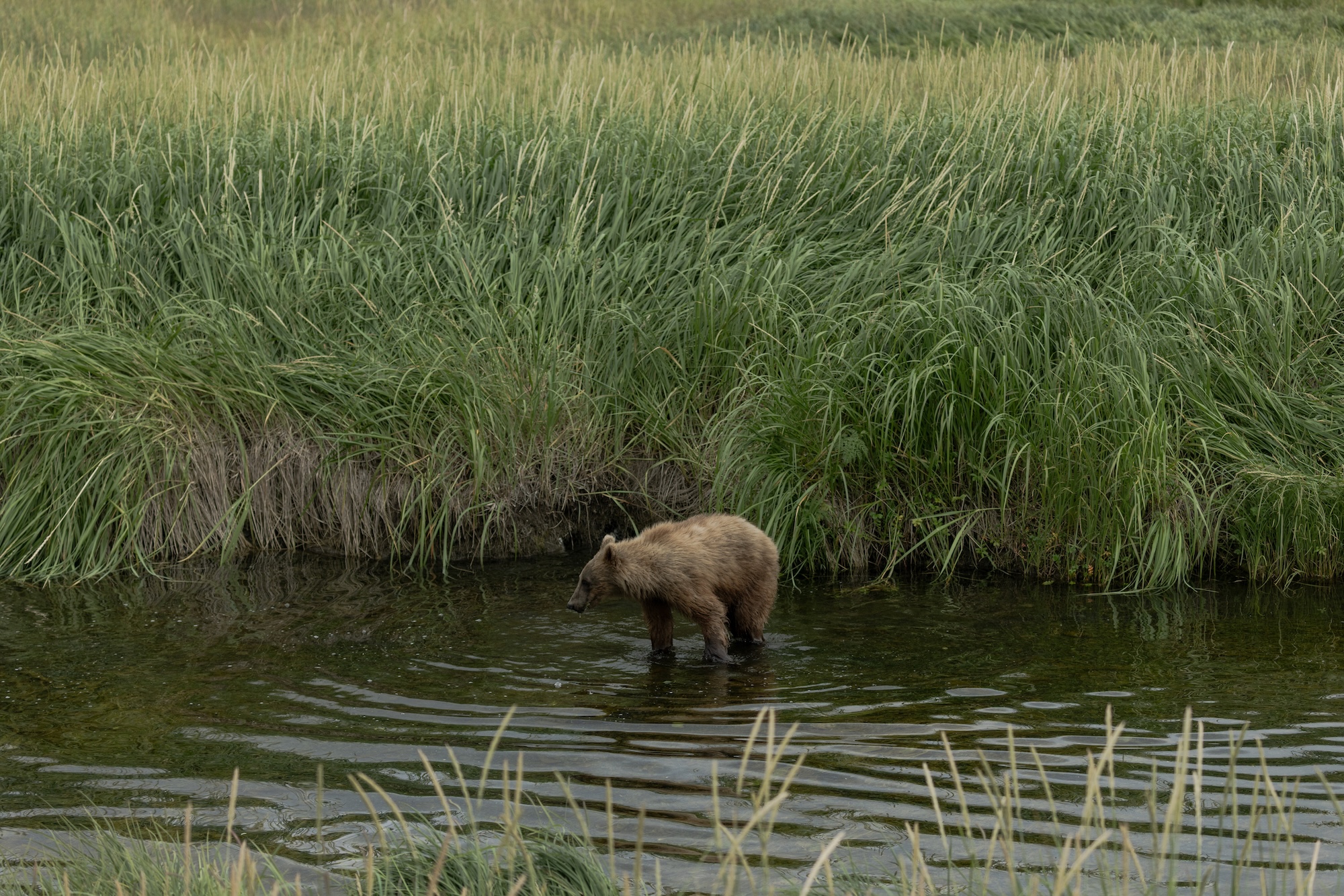
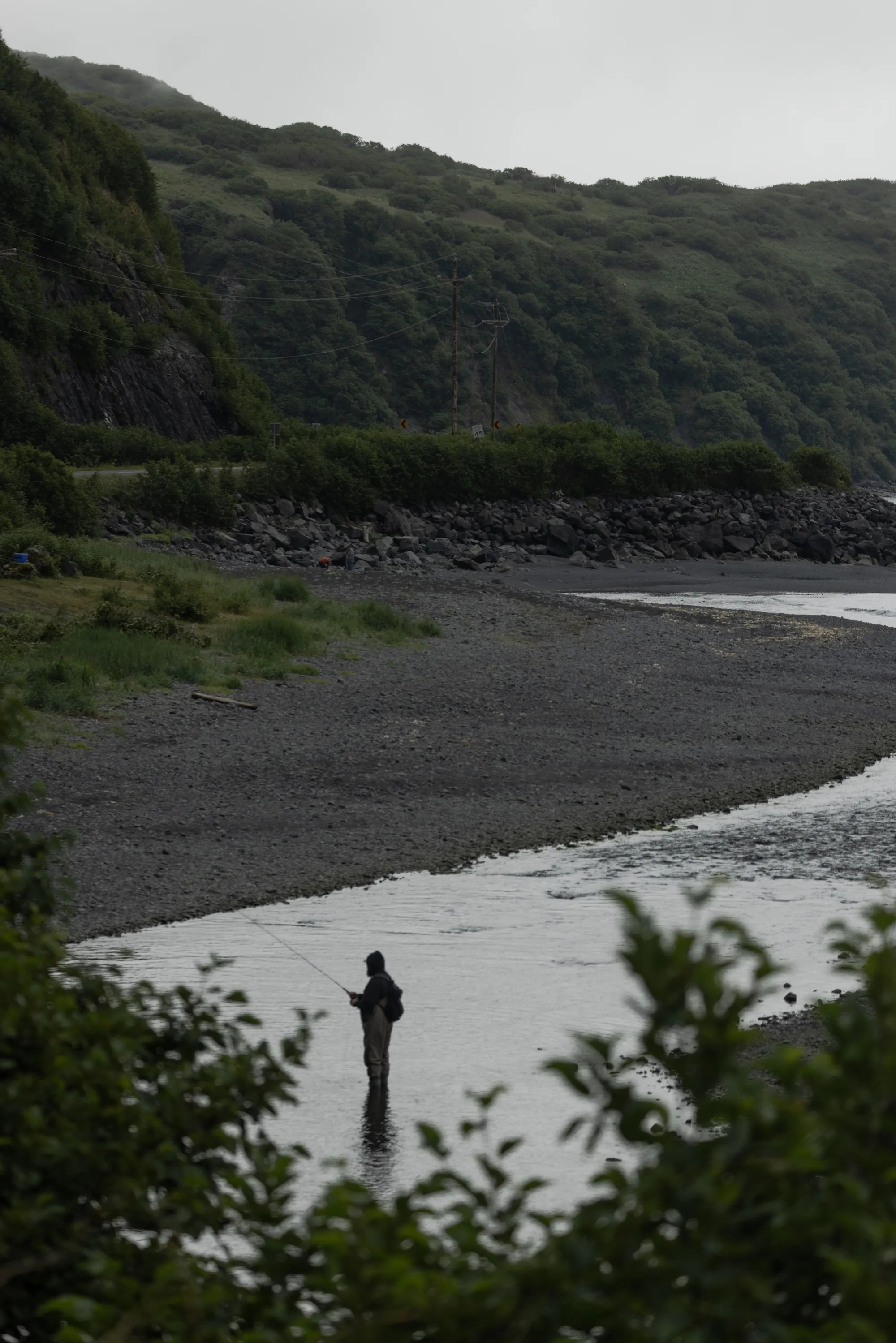
Alaska Aerospace has remained tight-lipped regarding its exact intentions for the 139.5 acres of acquired land, which sits adjacent to popular hiking trails and coastal beaches where visitors frequently watch gray whales migrate northward during the summer. Narrow Cape, situated along the island’s rugged eastern edge, serves as a vital habitat for more than 150 bird species, several of which face conservation risks. Beyond the proposed lodging complexes, aerospace officials have also revived a contentious proposal to construct a heavy barge dock at the mouth of the Pasagshak River to facilitate the transport of heavy equipment to the launch site—a project local conservationists warn could devastate local salmon runs and fragile aquatic ecosystems.
When viewed collectively, the rapid expansion of the Spaceport and associated defense installations is poised to transform Kodiak from a quiet fishing community into a formidable strategic nexus. As Kodiak Mayor Jared Griffin described it, a traditionally "sleepy working-class fishing town" is fast becoming the tip of the spear in the escalating geopolitical struggle for control of the Arctic.
Kodiak, the second-largest island in the United States and a cornerstone of Alaska’s commercial fishing economy, lies a one-hour flight south of Anchorage. It flanks the eastern gateway of a volcanic archipelago stretching over 1,000 miles into the Bering Sea along the Russian maritime border.
While political discourse in Washington has frequently fixated on projecting power toward Greenland—with political leaders frequently exaggerating the routine presence of foreign vessels in the North Atlantic—the most palpable strategic friction and military posturing are concentrated directly along Alaska’s coastline. The United States, Russia, and China are locked in a quiet competition for mastery over these northern waters and their immense underlying wealth, which includes vast oil and gas deposits, critical rare earth minerals, and highly lucrative commercial fisheries like crab and pollock. China, which formally declared itself a "near-Arctic State" in 2018 and is rapidly expanding its proprietary fleet of heavy icebreakers, now routinely dispatches research vessels into the Bering Sea near the U.S. maritime border on transit routes toward the high Arctic.
As warming oceans melt the multi-year sea ice that historically blanketed the Arctic Ocean—a region warming at a rate four times faster than the global average—maritime shipping access is expanding exponentially. Russia has invested tens of billions of dollars developing the Northern Sea Route along its 3,500-mile Arctic coastline, drastically reducing transit times for oil and gas shipments destined for East Asia. Simultaneously, global superpowers have cast covetous eyes on future commercial fishing opportunities within the central Arctic Ocean, a domain currently shielded by an international moratorium treaty.
These intensifying tensions have repeatedly spilled over into direct view. In 2023, a Chinese high-altitude surveillance balloon traversed U.S. airspace after drifting across the Aleutian Islands. Additionally, U.S. fighter jets have repeatedly intercepted Russian military aircraft—including a coordinated joint Russian-Chinese patrol mission—operating within the Alaskan Air Defense Identification Zone near the Bering Strait, with a 2024 interception coming dangerously close to an airborne collision.
These high-stakes sensitivities directly dictate the operational protocols of the Spaceport. Acknowledging the secrecy surrounding last August’s launch, CEO John Oberst admitted that federal authorities demanded absolute operational silence to ensure that "nobody, especially the adversaries, to be aware of the timing or the detail of it."
While successive political administrations have prioritized projecting military might into the Arctic—evidenced by the Army’s 2021 strategic report titled Regaining Arctic Dominance—the current administration has placed an unprecedented premium on re-asserting absolute U.S. primacy across the region.
The multi-trillion-dollar Golden Dome defense architecture serves as the centerpiece of this broader strategy. Described by defense contractor Lockheed Martin as a "Manhattan Project-scale mission," the network relies on an interconnected web of land, air, and space sensors designed to intercept incoming threats.
"Golden Dome is the main driver for business for the next three-to-five years," Oberst told colleagues during the corporation’s annual board meeting. "It’s the national imperative. So it supersedes other missions."
Consequently, civilian commercial launches dedicated to environmental research or scientific exploration are increasingly being sidelined.
Financial resources are pouring into Alaska at an unprecedented rate. Beyond direct allocations for Spaceport modernization, the facility is positioned among hundreds of contractors eligible for a slice of $151 billion in federal funding tied to the Golden Dome initiative over the next decade. Furthermore, Alaska Aerospace has signed a memorandum of understanding with Moonshot Space, an Israeli aerospace startup founded in part by veterans of the Iron Dome defense shield development team, which aims to pioneer electromagnetic launch technology out of Poker Flat.
Shahar Bahiri, co-founder and chief operating officer of Moonshot, noted that Alaska’s vast open spaces and sparse population make it uniquely appealing for advanced aerospace testing. "What we want to have is an area which is open sea… very low air traffic, very little sea traffic, not a lot of civilians around the launch area, and not a lot of nature," Bahiri explained.
Meanwhile, federal legislative packages continue to funnel billions into Alaskan military assets, prompting Senator Sullivan to boast in a recent opinion piece that the state is experiencing its most significant military buildup "since World War II."
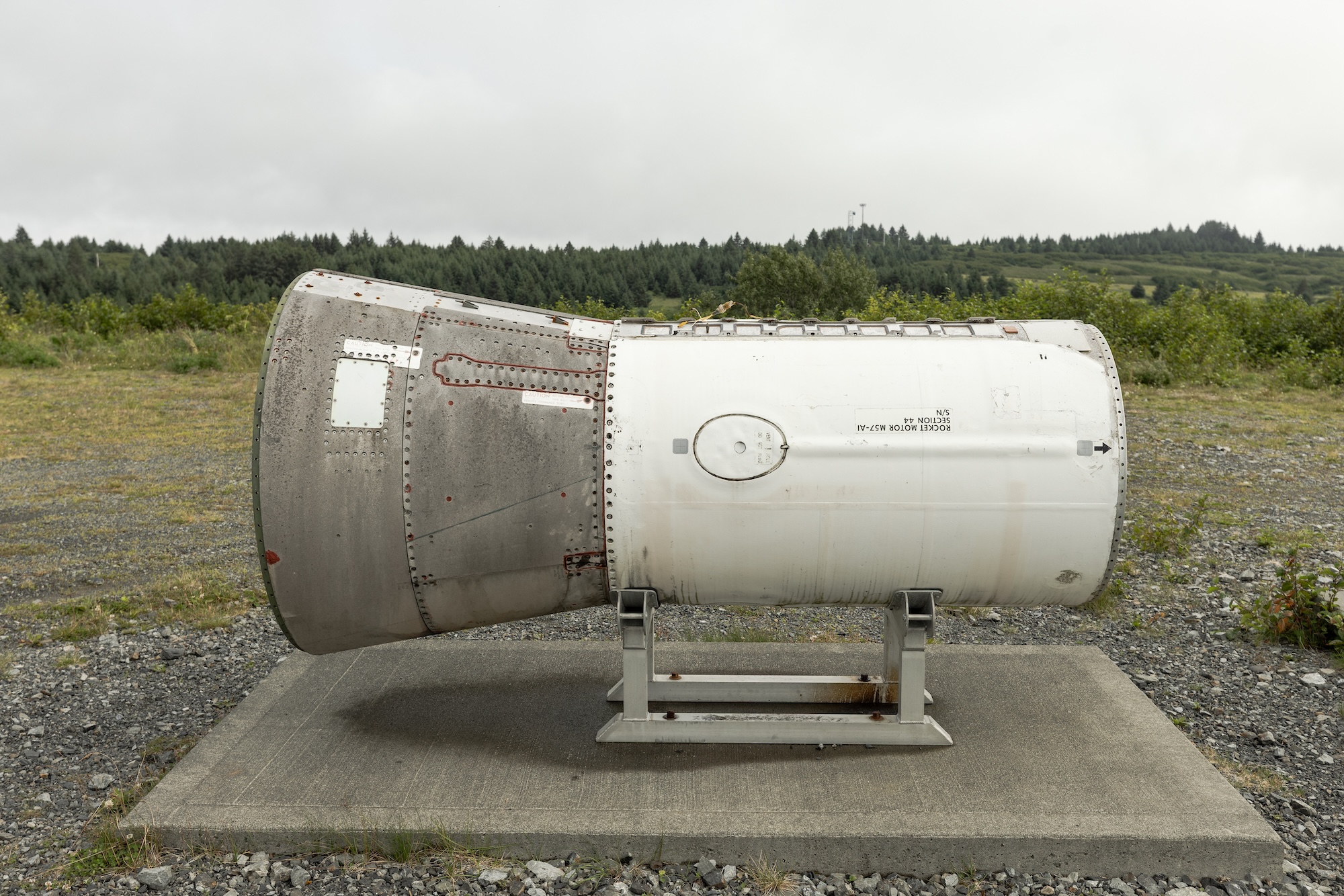
Cold War-era military remnants remain scattered across Alaska’s landscape, serving as a historical reminder of past defense mobilizations. Distant Early Warning (DEW) radar stations once spanned the Arctic rim from the Aleutians to Greenland, functioning as a tripwire against Soviet bombers. During the 1960s and 1970s, the U.S. military conducted underground nuclear weapons tests on Amchitka Island in the Bering Sea despite fierce opposition and legal challenges from Native Aleuts—testing that ultimately killed thousands of sea otters, seabirds, and other marine wildlife. Lamenting the impending final test in 1971, The New York Times observed in an editorial: "The folly of Amchitka is the folly of a species that burns and poisons and blows up its only home."
Today, the immediate friction of the modern military expansion is borne directly by local communities. During public board meetings and community forums, Kodiak residents have voiced anxieties regarding both environmental hazards from advanced weapons testing and mundane infrastructural pressures concerning housing stock, deteriorating roads, and municipal electricity grids.
Kodiak Borough Mayor Jared Griffin, who assumed office a year ago, spent his early life in a military family and teaches English and literature at Kodiak College. A self-described "space nerd," Griffin maintains an optimistic view that Kodiak can strategically leverage defense investments to reverse a decade-long population decline, having actively lobbied for the expansion of the local Coast Guard base, which is expected to inject hundreds of new residents into the area. Yet, he readily acknowledges that the sudden influx of federal funding and personnel carries the profound potential to permanently alter the island’s unique cultural character.
Reflecting on his campaign trail last fall, Griffin noted that the rapid acceleration of the island’s strategic military role was barely on the public radar. Over the intervening months, however, the pace has accelerated dramatically. "Things are just exploding," Griffin said.
Dan Menth, CEO of the Kodiak Electric Association, echoed this sense of whiplash over how rapidly local conditions have evolved. Over the past year, the utility cooperative began fielding inquiries from federal agencies regarding grid capacity as rumors swirled concerning classified military expansions tied to Golden Dome.
"It’s kind of like the year ended and the floodgates opened," Menth said.
For Menth and his constituents, the lack of transparency from federal agencies remains a persistent source of frustration. "What’s coming?" Menth asked. "I don’t know."
Secrecy surrounding ongoing construction at the Navy SEAL training facility has only deepened local distrust. Natura Richardson, executive director of the Island Trails Network, noted that secretive construction work along popular public hiking trails generated immediate local suspicion. While the Navy issued a brief written statement confirming the development of an "operational facility" powered by the local grid with emergency diesel backups, details remain sparse.
These mounting demands pose a distinct challenge for an isolated electrical grid that routinely approaches maximum capacity during peak fish processing seasons in February and March. Kodiak relies primarily on a resilient mix of hydropower and wind energy that provides affordable, clean electricity to residents, supplemented by backup diesel generators. Maintaining low utility rates on a remote Pacific island is an impressive feat, but margins are razor-thin.
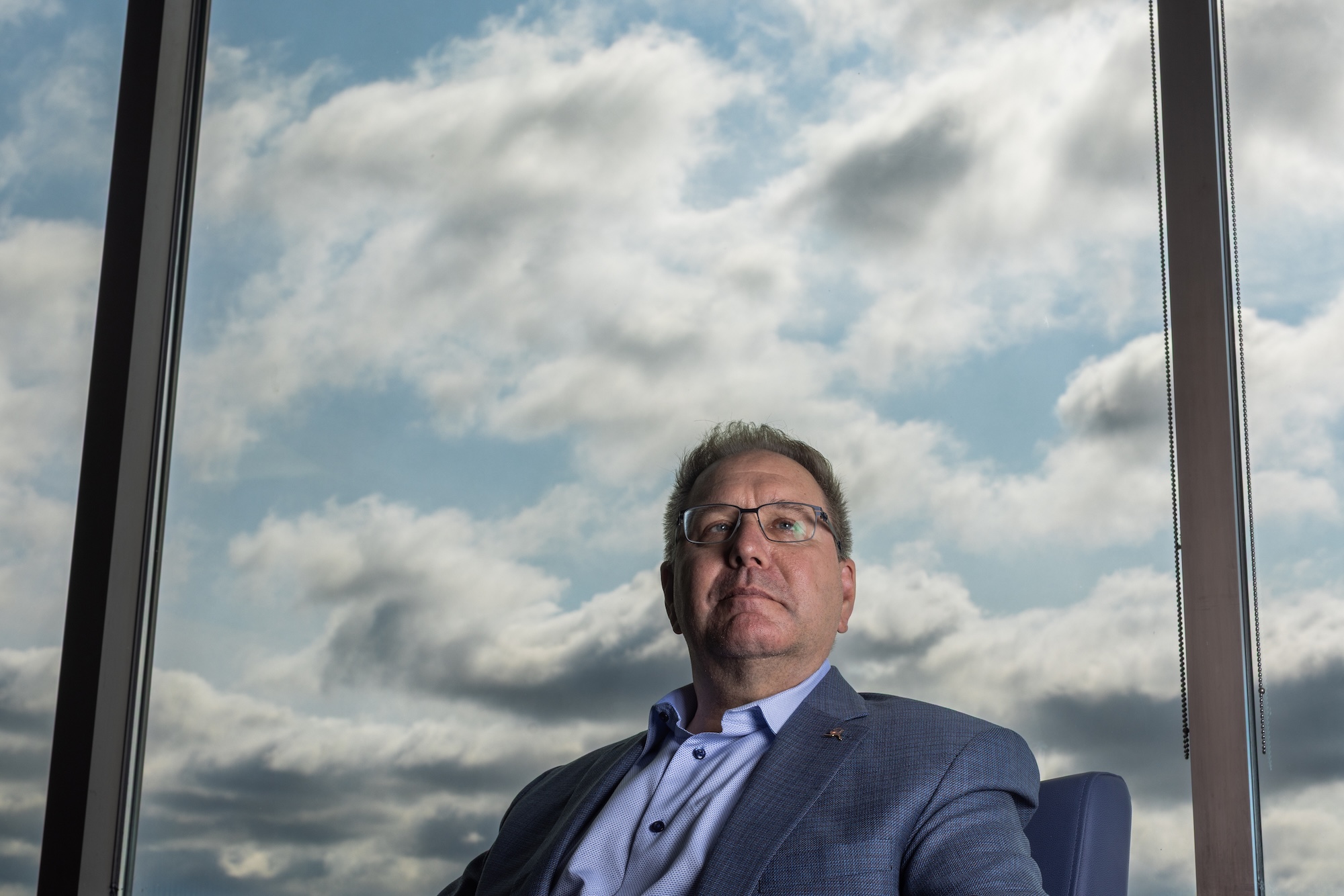
"It takes years to add generation to our system," Menth explained. "It’s not like the Lower 48 where you just show up and you plug it in. We’re an island. And, unfortunately, we’re right on the verge of being tapped out."
A Department of Energy representative insisted that the agency remains committed to "leveraging Alaska’s abundant energy resources and advancing practical solutions to deliver more affordable, reliable, and secure energy for Alaskan communities, including Kodiak."
Meanwhile, conservationists warn of severe ecological consequences for the island’s fragile marine and terrestrial ecosystems. Vital gray whale migration paths, fragile salmon streams already stressed by warming waters, and endangered bird nesting grounds face acute disruption from chronic noise pollution and industrial fragmentation. Furthermore, an increased launch frequency inherently raises the statistical probability of catastrophic launch failures—echoing a 2014 incident where an experimental Army hypersonic missile exploded seconds after liftoff, scattering hazardous debris across Narrow Cape and triggering a multi-year, $34 million environmental cleanup effort.
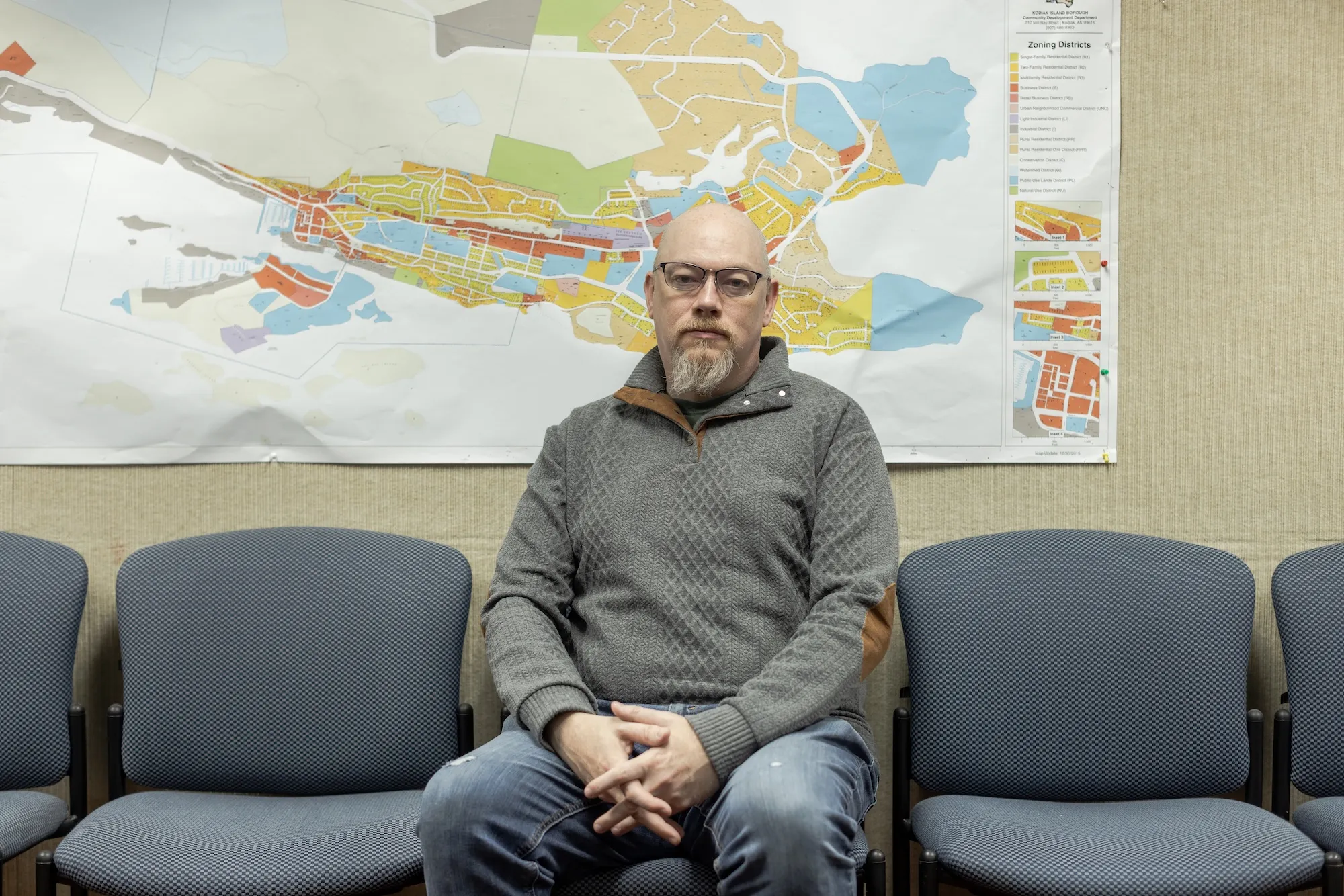
Stacy Studebaker, reflecting on decades of conservation work on the island, fears that the military buildup will progressively restrict public access to scenic beaches and wilderness lands while introducing long-term chemical contamination. She remains particularly opposed to the proposed barge landing site near the Pasagshak River estuary.
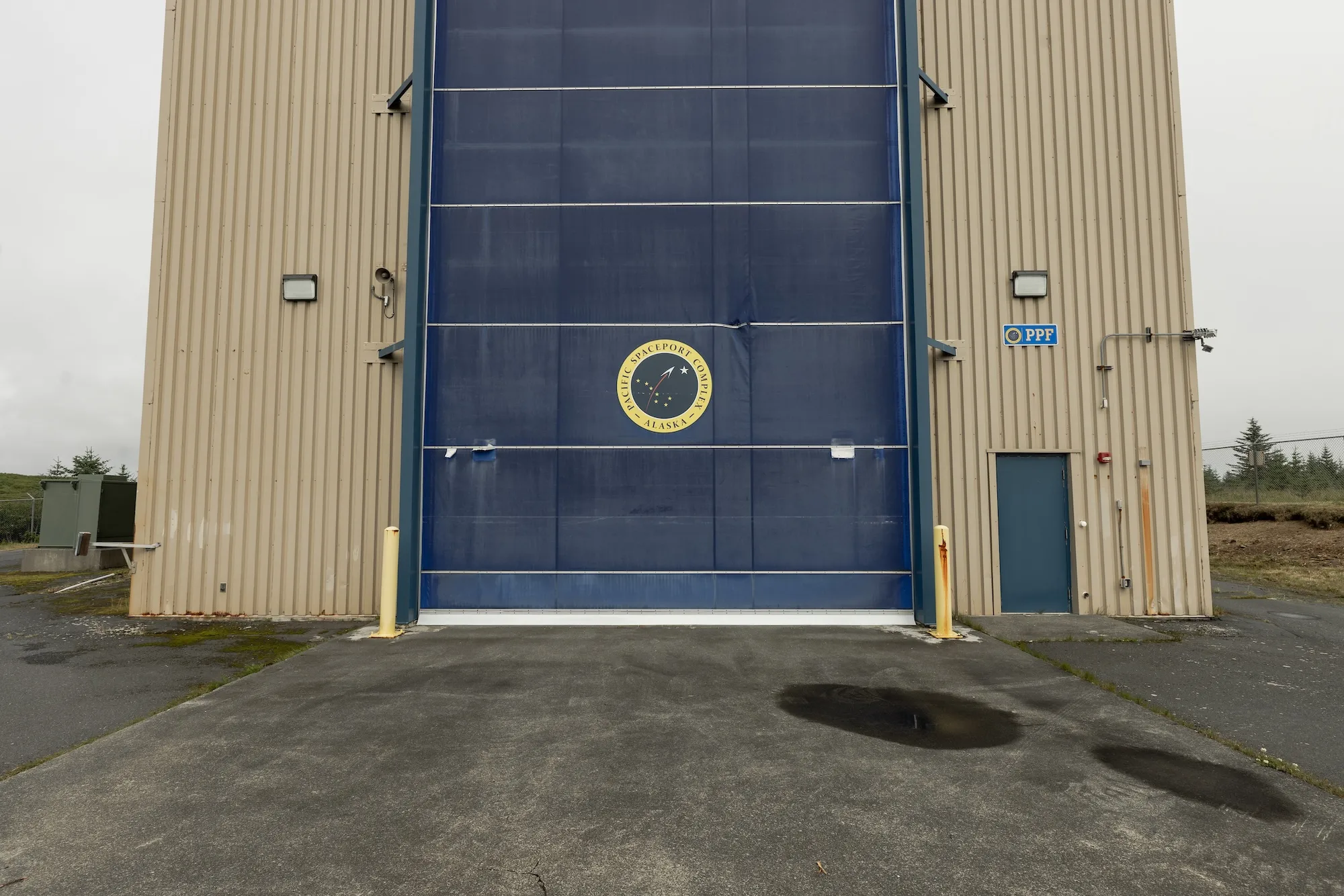
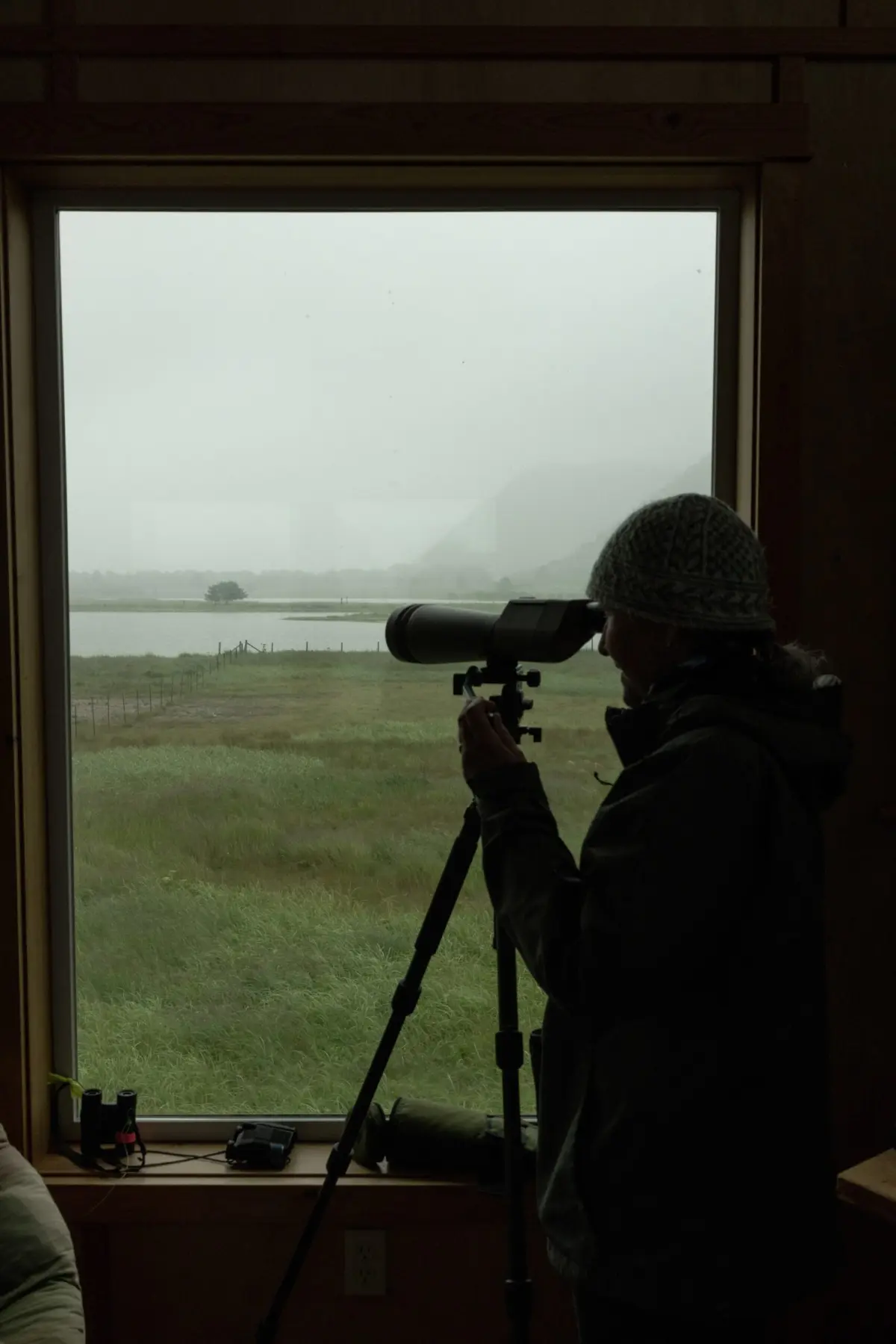
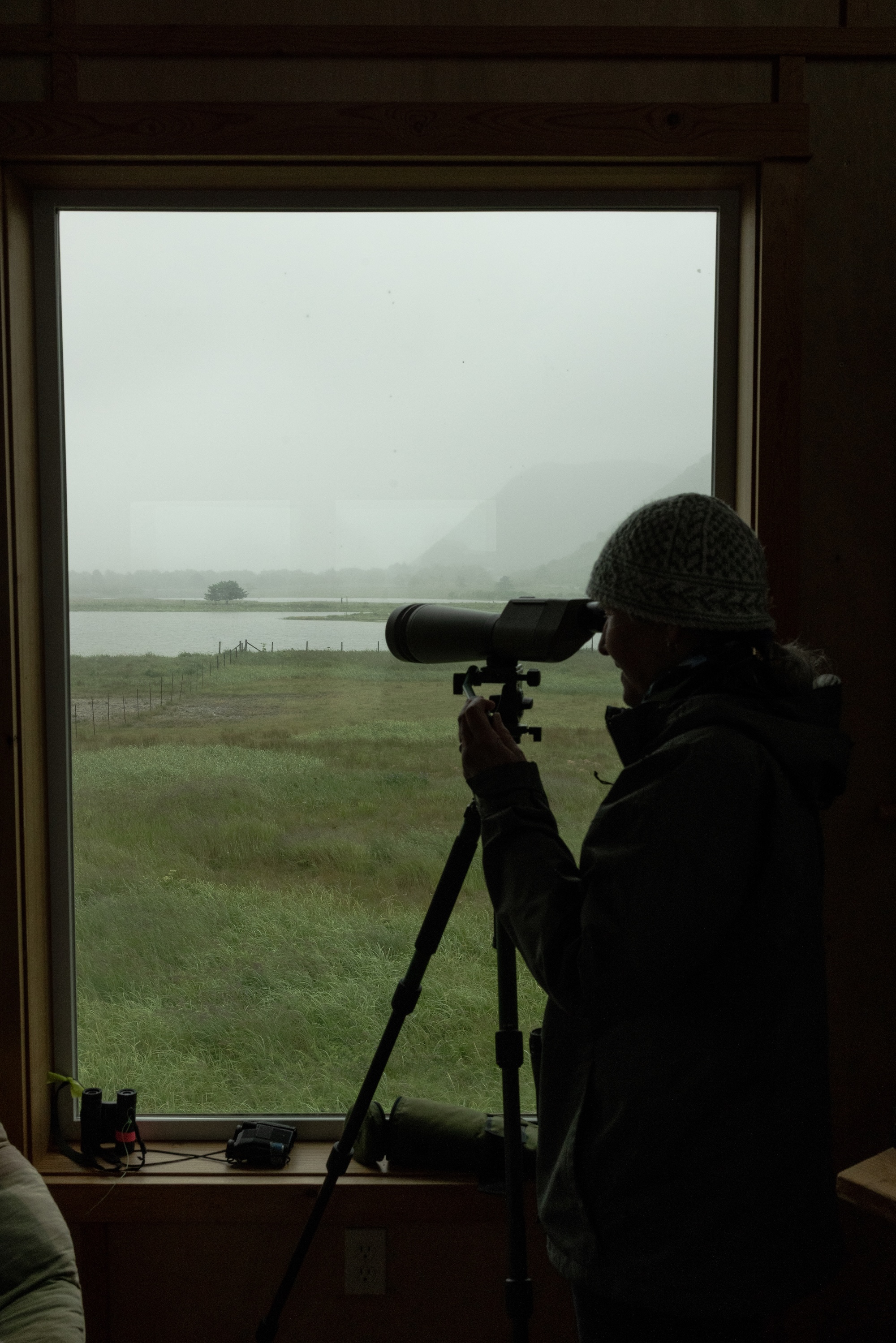
To bridge the communication gap, Studebaker and local Audubon members arranged a site tour and meeting with CEO John Oberst, presenting a comprehensive biological inventory documenting 185 bird species utilizing Narrow Cape, including two dozen species of high conservation concern. "We really wanted them to know they are on hallowed habitat," Studebaker said.
By all accounts, Oberst has demonstrated a greater commitment to community outreach than his predecessors—even sending flowers and a personal apology to Christine Burton following the disruptive missile test last August. However, as Pentagon pressures mount and timelines for deploying a functional Golden Dome prototype accelerate toward a major scheduled test ahead of the 2028 presidential election, national security imperatives will inevitably override local civilian concerns.
This top-down paradigm is already well-established. At a defense symposium in Huntsville, Alabama, General Michael Guetlein acknowledged that the military had already conducted two undisclosed test launches of the Golden Dome system, leaving secondary testing locations classified. Congressional oversight has proven similarly constrained; David Mosher, national security division director for the Congressional Budget Office, revealed that Pentagon officials initially rebuffed requests for information regarding the program’s trillion-dollar architecture, relenting only after direct intervention by Senate Armed Services Committee staff.
For his part, Oberst maintains that he remains committed to open communication with Kodiak residents, hoping the newly acquired land and lodging facilities can eventually coexist with public recreation. Yet, as geopolitical tensions escalate and Kodiak’s militarization deepens, the boundaries of that transparency are destined to narrow.
As Oberst observed with a wry smile, he isn’t even officially supposed to say the words "Golden Dome."