
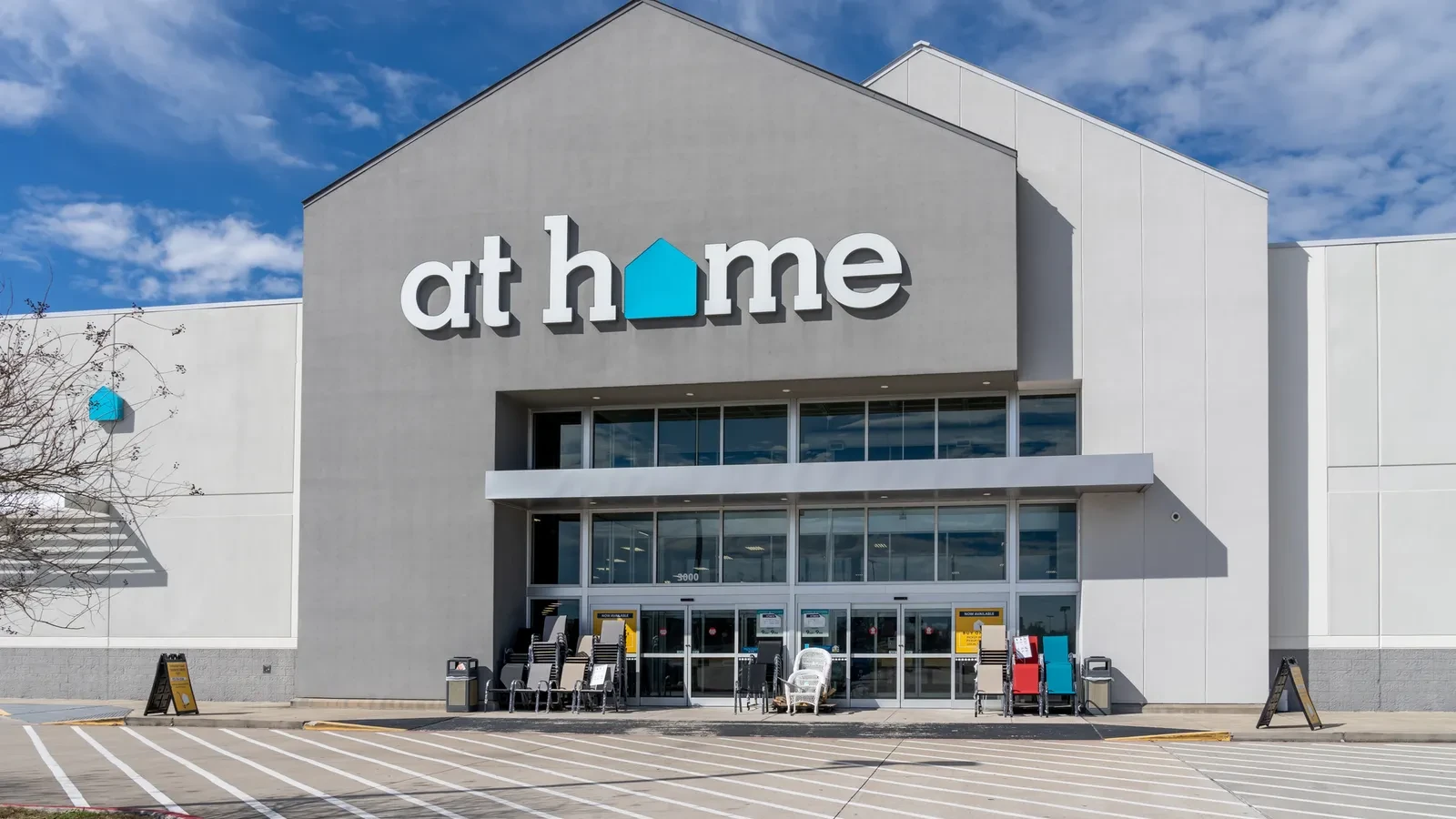
Home decor retailer At Home has officially revamped its customer loyalty strategy, introducing a fresh program titled "Design Rewards" designed to replace its aging "Insider Perks" initiative. Driven by the understanding that both consumer expectations and the broader retail loyalty landscape have shifted significantly in recent years, the company leaned heavily on comprehensive consumer research, behavioral testing, and direct focus groups to shape the new program from the ground up.
Published on September 23, 2026, the announcement underscores a growing trend across the retail sector where traditional, transaction-only reward structures are increasingly seen as outdated. At Home executives recognized that their legacy program could no longer keep pace with the rapidly evolving expectations of modern shoppers, prompting a deliberate and research-driven reinvention of how the brand rewards its most loyal customers.
Building a Program on Direct Customer Insights
To ensure that Design Rewards would resonate with everyday shoppers, At Home took a multi-layered approach to gathering data. According to company leadership, the retailer collaborated extensively with customer experience and loyalty partners to analyze existing customer behavior, evaluate how members interacted with Insider Perks, and pinpoint areas where the old system fell short.

This investigative phase was multifaceted. It incorporated qualitative customer research and focus groups alongside rigorous customer relationship management (CRM) and behavioral testing. These tests were crucial in measuring engagement levels and understanding how shoppers responded to various promotional offers. Additionally, the retailer executed a conjoint study, an analytical technique that allowed researchers to evaluate precisely which benefits customers valued the most and what trade-offs they were genuinely willing to make in exchange for specific rewards.
At Home’s investigation did not stop at its own customer base; it cast a wide net across the broader retail landscape. The leadership team examined loyalty programs operating both within the home retail sector and across entirely different industries. This competitive analysis provided a clearer picture of where At Home’s previous loyalty efforts were succeeding and, more importantly, where changing consumer expectations had left gaps in their value proposition.

By synthesizing these various inputs, the retailer was able to identify consistent, overriding themes that dictated the direction of the new initiative. Customers overwhelmingly communicated a desire for value that was significantly easier to understand, paired with a much higher level of recognition for their continued patronage. These core insights ultimately became the foundational pillars upon which Design Rewards was constructed.
Fostering an Ongoing Customer Community
Looking beyond the initial launch, At Home is not treating the rollout of Design Rewards as a one-time project. Instead, the company is actively laying the groundwork to develop an ongoing customer community and feedback panel designed to capture regular, unfiltered insights from its shopper base.
Taking inspiration from successful consumer communities in other sectors, At Home is working to build a loyalty platform where members can freely share ideas, voice their experiences, and interact directly with the brand. Over time, the feedback gathered through this community is expected to guide the continuous evolution of Design Rewards. Whether influencing new benefits, shaping everyday experiences, refining marketing communications, or introducing personalized offers and entirely new ways for members to engage, the overarching objective is to keep the customer voice at the center of the program’s lifecycle. Rather than treating customer feedback as a periodic check-in, At Home aims to make it a continuous, driving input for future retail strategies.
Industry experts note that tapping directly into customer communities may very well be the key to long-term loyalty success in today’s crowded marketplace. As rewards programs become increasingly uniform and ubiquitous across nearly every retail vertical, analysts emphasize that the brands capable of understanding their customers on a deeper, more emotional level—well beyond basic purchase history and transactional data—will be the ones that ultimately stand out and maintain a competitive edge.