
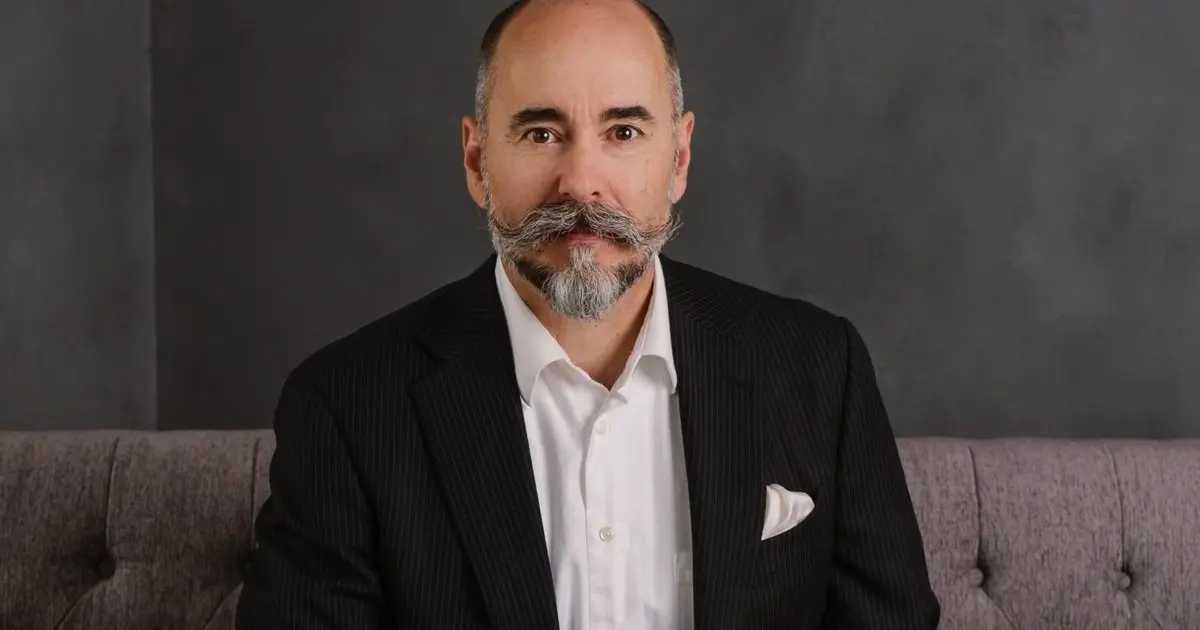
For years, Byron McDonald has been troubled by a persistent blind spot in the Canadian real estate sector—one that he believes leaves many professionals entirely unequipped when dealing with First Nations reserve lands.
When McDonald first entered the real estate industry in 2010, he was genuinely surprised to discover that his licensing courses in British Columbia contained virtually no comprehensive information about how to conduct real estate transactions on reserve lands. That significant omission became glaringly apparent to him during his Commercial Trading Practices course, an environment where he expected to encounter thorough coverage of all commercial frameworks operating within the province. Instead, the reality he encountered was vastly different.
Recalling the curriculum at the time, McDonald notes that the sole reference to doing business on reserve lands was brief and dismissive, amounting to little more than a cautionary note stating that the process was extremely complicated and advising agents to simply find someone who actually knew what they were doing if they ever wished to work with reserve properties. At the time, he recalls, there was zero meaningful content within the standard licensing curriculum that referenced leasehold interests on reserves, leaving a massive void in foundational professional training.
More than 15 years later, McDonald believes that this critical knowledge gap remains deeply entrenched and widespread across the country. When asked to describe the average level of understanding that Canadian Realtors possess regarding transactions involving reserve lands today, he offers a blunt assessment: nearly zero.
It is a systemic problem that he is urgently hoping to address through the launch of the Indigenous Real Estate Association of Canada, a member-funded national organization he founded specifically to improve education, communication, and advocacy surrounding leasehold interests on First Nations reserve lands.
From Personal Experience to National Initiative
McDonald’s connection to Indigenous lands extends far beyond his professional career, forming a deep personal and generational part of his identity. Born in Nanaimo, British Columbia, he grew up primarily on Vancouver Island and Gabriola Island, where his family roots trace back deep into the nineteenth century, dating as far back as the 1860s.
His family tree includes notable ancestors such as Thomas Degnen, an Irish settler, and Jane Janimetga, who was the sister of Suihelton, the grand chief of the Cowichan. The couple eventually settled on Gabriola Island, establishing a historical footprint that remains visible today, as Degnen Bay proudly bears the family name. McDonald notes that his family has maintained enduring connections with the Cowichan Tribes over many generations and was eventually welcomed formally back into the community through Cowichan Tribes citizenship after successfully receiving Indian status under legislative changes enacted via Bill S-3.
Professionally, McDonald began his career in Vancouver working as a business broker following a successful background in sales and marketing. After eventually relocating to Kamloops, he broadened his professional scope into commercial and industrial real estate, while continuing to provide residential services primarily to serve his existing base of loyal clients.
Recognizing the urgent need for structural support in the sector, he federally incorporated the Indigenous Real Estate Association of Canada in February 2022. He initially developed and nurtured the organization alongside his regular, day-to-day real estate work, gradually laying the groundwork for a broader rollout. Over time, he was joined by Emma Rose and Larry Traverence, who stepped in alongside him as founding board members to help steer the organization’s vision.
After several years of careful groundwork and behind-the-scenes planning, the association is now actively preparing for its official national launch. Membership is widely expected to open to the public this fall, while specialized educational programming is eagerly anticipated to roll out by early 2027.
It is important to note that this organization operates entirely separately from the Indigenous Association of Realtors, a development that REM reported on just last month. While the two associations maintain distinct operational structures and mandates, they are entirely familiar with each other’s work and have engaged in open communication. However, their core focuses remain purposefully tailored to different objectives. Whereas the Indigenous Association of Realtors concentrates heavily on supporting Indigenous Realtors themselves, McDonald’s organization is primarily concerned with bridging the industry-wide knowledge gap through comprehensive education, clear communication, and focused advocacy surrounding reserve lands.
Building Competency in Indigenous Real Estate
Education will serve as the absolute cornerstone of the association’s daily work and long-term mission. Plans are already underway to develop rigorous educational materials for real estate licensing programs, alongside advanced professional development courses tailored for a wide array of interconnected industries.
Looking ahead, McDonald also envisions the establishment of a national certificate of competency in Indigenous real estate. This specialized credential is deliberately designed not just for Realtors, but also for property appraisers, mortgage professionals, lawyers, insurance agents, and any other stakeholders who regularly find themselves involved in property transactions. Furthermore, the association will warmly welcome anyone who holds a genuine professional or personal interest in learning more about living, working, or conducting business on reserve lands.
The proposed curriculum will dive deep into the technical aspects of transactions executed on reserve lands, covering essential subjects such as property appraisals, institutional lending, thorough due diligence procedures, and the specific ways in which modern transactions must be legally structured. Participants enrolled in the program will also learn how to effectively navigate the Indian Land Registry System, generate accurate parcel abstracts, and successfully retrieve publicly available survey maps that are crucial for completing secure transactions.
Beyond the technical mechanics, the program will incorporate a vital component of cultural orientation, offering essential background on the rich history of First Nations and the establishment and evolution of reserve lands. McDonald emphasizes that the primary goal of the association’s curriculum is never to replace the localized education delivered directly at the community level, but rather to provide a much broader, much-needed context for professionals who currently possess little to no experience working with reserve lands.
By equipping industry professionals with this foundational knowledge, the initiative seeks to foster respectful and effective professional relationships. As McDonald puts it, they truly want to empower any of these professionals to approach a First Nation with genuine competency and awareness.
The practical consequences of maintaining the status quo of insufficient knowledge can be surprisingly significant for all parties involved in a transaction. For instance, McDonald points out that establishing a brand-new 99-year lease on reserve land without an established land code might easily take up to three years to complete. By contrast, that same process might be completed in as little as three or four months in communities that have already adopted a community land code. For real estate professionals who remain entirely unfamiliar with these critical legal and administrative distinctions, setting realistic expectations for buyers, sellers, and investors becomes an exceptionally difficult task.
These are all the sorts of small, nuanced details that can ultimately have very outsized effects on the success or failure of a deal, he notes.
Beyond Education and Economic Opportunities
In addition to addressing foundational educational deficiencies, McDonald also wants to tackle the persistent misconceptions that often surround reserve lands, while actively advocating for greater economic opportunities that can directly benefit First Nations communities and individual landholders alike.
He notes that leasehold interests on reserves can frequently transact at substantial discounts compared to fee simple properties and leasehold interests located outside of reserve boundaries. Developing a clearer, more widespread understanding of the complex economic, historical, and legal reasons behind those valuation differences could ultimately help communities and individual landholders make significantly better-informed decisions regarding their property assets.
As the association prepares for its upcoming milestones, individual membership is expected to cost approximately $100, while specific course fees are still being finalized as development progresses.
For McDonald, the ultimate objective remains focused on establishing a robust, reliable resource that has been conspicuously missing from Canada’s broader real estate landscape for decades. There is simply a tremendous amount of work that needs to be done to socialize these concepts and help the general public and industry professionals truly understand what it means to live and conduct business on a reserve, he concludes.