
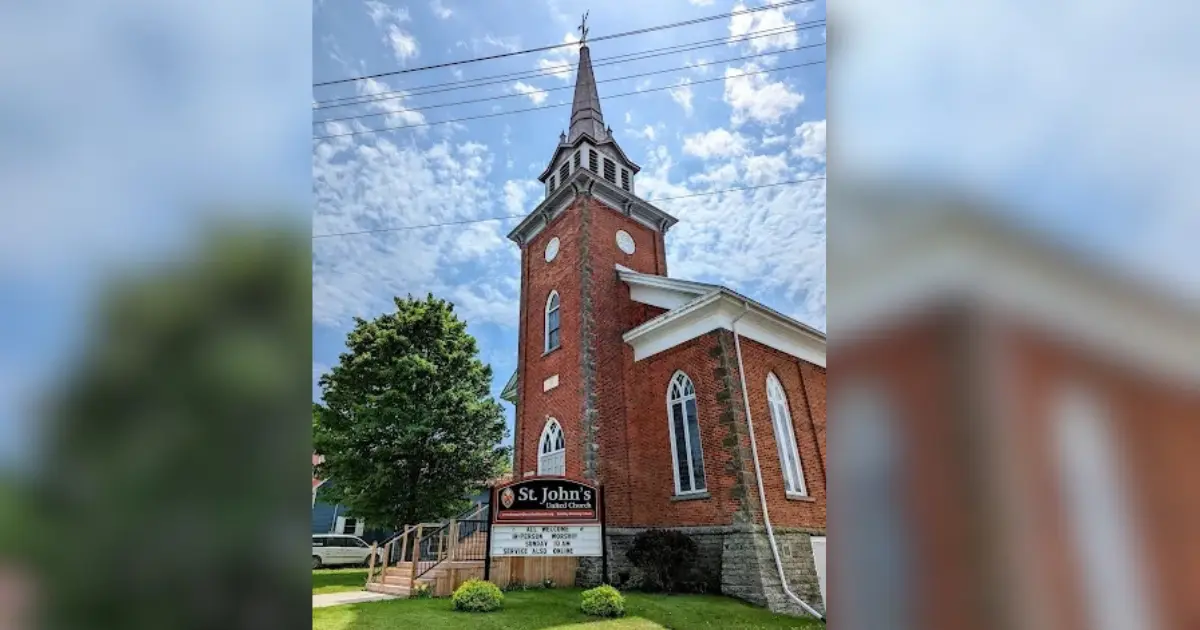
When in-person gatherings were suspended and traditional church routines ground to a halt, St. John’s did not simply wait for the storm to pass. Instead, the congregation formed a dedicated visioning committee to actively reach out to its approximately 220 members. Through a series of in-depth phone interviews, the committee engaged with congregants to ask fundamental questions about the identity and future of their spiritual home: What did they think the church could be? What kind of meaningful work did they want it to undertake? And what elements were most important to them when it came to community outreach and the overall atmosphere of the congregation?
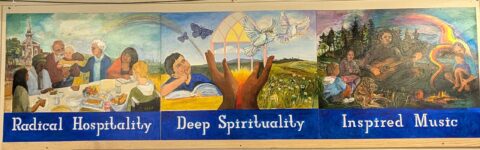
Using the rich and varied feedback gathered through these conversations, the church synthesized the community’s aspirations into a brand-new vision statement. This guiding framework is centered firmly on three core values: radical hospitality, deep spirituality, and inspired music.
The participatory approach immediately shifted the energy within the congregation. People became genuinely energized about what was possible, discovering a renewed sense of purpose during a time of widespread isolation. Reflecting on the process, church administrator Helen MacGregor notes that members quickly "got quite energized about what was possible." Gow echoes this sentiment, pointing out the profound psychological shift the process created: "There was this feeling that they were in charge of the design of whatever this church is going to be."
Rather than leaving the implementation of this new vision solely to church leadership or paid staff, the congregation collectively decided to create an innovative and inclusive system of "faith circles." Under this new organizational model, each household within the church community was assigned to one of seven distinct groups. These circles rotate responsibility for essential Sunday worship duties, sharing the load from scripture readings and greeting arriving guests to food and beverage preparation.
By distributing these responsibilities widely, more people became directly involved in the weekly operations of the church. MacGregor observes that church participation has transformed into something increasingly organic. Today, whenever the church plans additional events, special services, or expanded community outreach initiatives—including its popular and regular friendship lunches and community cafés—she finds that congregants are far more excited to step forward and take the initiative on their own. Rather than scrambling for help, the church now regularly maintains rosters of between 10 and 20 dedicated volunteers for each individual event.
This grassroots momentum has fundamentally redefined the relationship between the members and their spiritual community, turning passive attendees into active co-creators of their faith journey.
"They’re in charge of defining who we are, how we will be and listening to where we feel we’re being called by God," says MacGregor.