
The stock market has a persistent habit of surprising investors, constantly shifting between dramatic crashes that shrink retirement stashes and record-breaking valuations that spark fears of an impending collapse. Today, much of the market anxiety is fueled by the frenzied boom surrounding Artificial Intelligence. Investors worry that while AI is undoubtedly a major technological advancement, the current mania is moving too fast and could trigger an economic downturn mirroring the dot-com crash of the early 2000s.

For veterans of the financial landscape, this modern apprehension feels deeply familiar. The dot-com boom helped shape early career trajectories and paths toward early retirement, only to be followed by a severe crash that threatened jobs and stability. As questions surrounding current investment cycles mount, market observers and financial commentators are taking to public forums and conferences—such as Camp FI Midwest and the upcoming Bogleheads conference—to address whether the AI bubble poses a genuine threat to long-term financial security and retirement plans.

Will the AI Bubble Ruin Our Retirement?
Achieving long-term financial independence and spending over two decades in retirement brings a certain level of comfort, yet market participants frequently encounter anxious inquiries regarding the state of the world. Observers watching the news cycle are often besieged by a rotating cast of worries: corrupt or dangerous political figures menacing global stability, inflation eroding purchasing power, towering national debts, and escalating geopolitical conflicts threatening widespread destruction.

Yet, this brand of anxiety is hardly new. Looking back two decades to 2006, the prevailing fears centered on entirely different crises. At that time, headlines were dominated by concerns over geopolitical leaders, ongoing conflicts in the Middle East, national debt, and inflation. Back then, overvalued stock markets were attributed to a housing bubble rather than an artificial intelligence boom, while job displacement fears focused on outsourcing to India and China rather than automated software. There was even widespread panic regarding peak oil and the imminent exhaustion of fossil fuel supplies—an outcome that ultimately reversed as energy production evolved.

Despite the intense anxiety of 2006, the subsequent decades revealed a different trajectory. The world did experience the Great Financial Crisis, driven by irrational exuberance in housing prices and complex financial leverage, marking the most severe economic downturn since the Great Depression. Even so, viewed from a multi-decade perspective, that historic crash appears as a temporary dip within a broader upward trend. A standard long-term investment grew substantially over the subsequent twenty years, weathering both the housing crisis and the subsequent market shocks of the 2020 pandemic.

Simultaneously, broader global conditions showed measurable improvements. Over a twenty-year span, the global proportion of people living in extreme poverty dropped significantly, while infant mortality rates were cut in half. Clean energy expanded dramatically as solar panel manufacturing costs plummeted, allowing solar power to account for the vast majority of new energy generation capacity. Simultaneously, electric vehicle adoption surged from negligible levels to claim a substantial share of global automotive sales.

These historical realities challenge the premise that an uncertain future warrants paralyzing worry. Nevertheless, contemporary observers continue to question whether current conditions are fundamentally different. Skeptics point to unprecedented national debt levels, the sheer scale of the AI valuation bubble, and theoretical concerns regarding advanced machine intelligence. While financial media outlets frequently capitalize on fear by promoting dystopian scenarios, economic fundamentals suggest that true prosperity originates from productivity rather than temporary fluctuations in computer-generated financial metrics.

Prosperity, Productivity, and the Psychology of Fear
Long-term economic analysis consistently demonstrates that societal prosperity is rooted in productivity rather than the stock market or abstract financial systems. Market economies are inherently volatile and prone to dramatic swings, but beneath the surface turbulence, human ingenuity drives real work and practical inventions. Economic systems and financial markets are fundamentally human constructs; if a system experiences a severe disruption, societies have historically restructured the underlying metrics and resumed production, just as they did following the events of 2008 and earlier historical downturns.

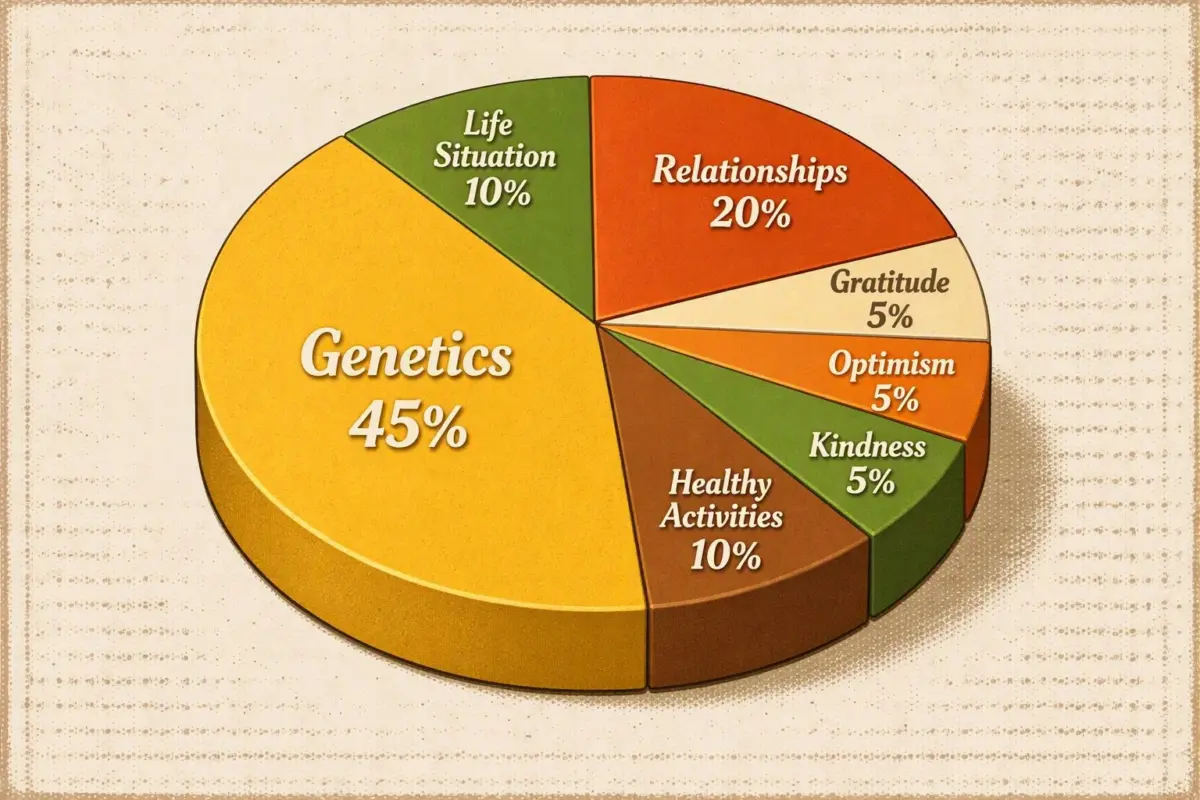
Furthermore, once societies achieve a certain baseline standard of living, human happiness ceases to scale linearly with material wealth. In developed nations, basic survival and comfort thresholds were surpassed decades ago, shifting the primary determinants of well-being toward non-financial factors. Psychological research suggests that individual happiness is largely influenced by genetics, personal choices, meaningful relationships, the practice of gratitude, and active engagement with the physical world.
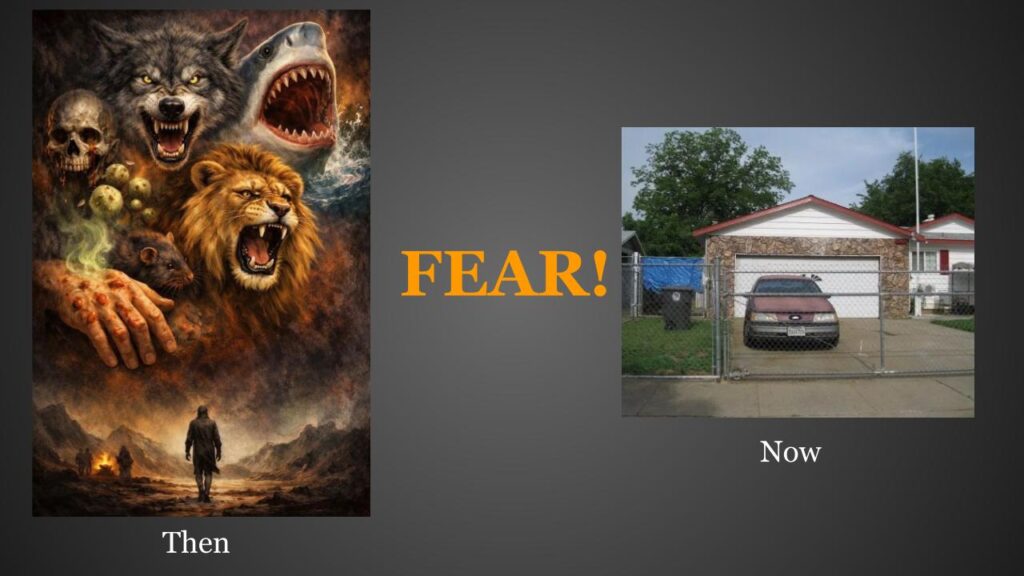
Despite these established principles, background anxiety remains prevalent among investors. Human beings are biologically wired as danger-detection machines, an evolutionary trait designed to protect against physical threats and scarcity. However, once immediate physical dangers are resolved, this cognitive machinery often shifts its focus, creating a continuous cycle of worry. When individuals successfully secure food, shelter, and financial stability, their concerns frequently migrate toward social standing, tax strategies, or managing surplus wealth, demonstrating that the underlying mechanism of fear simply adapts to new baselines rather than disappearing entirely.
Combating this pervasive anxiety requires self-awareness and a recognition of historical patterns. Personal financial anxieties are frequently rooted in childhood experiences or inherited scarcity mindsets passed down from generations that lived through historical economic depressions. By objectively identifying these fears and analyzing worst-case scenarios, individuals can better distinguish between irrational apprehension and actual risk. Taking concrete action remains one of the most effective tools for reducing uncertainty, as practical experience transforms the unfamiliar into the manageable, fostering resilience and adaptability.
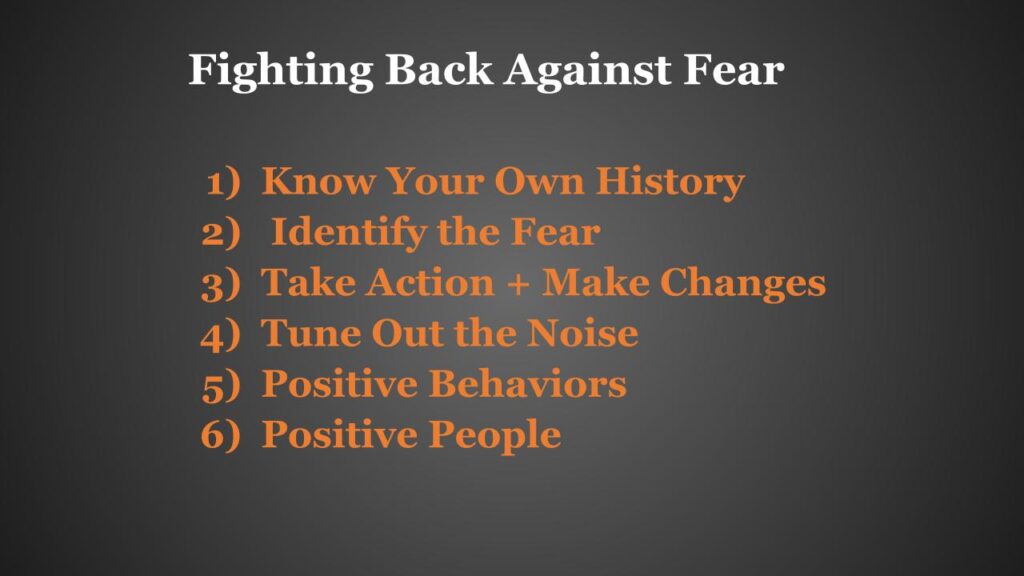
Moreover, managing daily information consumption plays a critical role in mental well-being. Modern news cycles frequently rely on sensationalism and fear-mongering, amplifying the most alarming stories to capture attention. Consciously replacing fear-driven media consumption with constructive learning, physical activity, and connections with optimistic communities can fundamentally alter an individual’s outlook. Within communities focused on financial independence and intentional living, the emphasis centers on optimizing personal well-being and supporting others rather than fixating on speculative disasters.

Approaching the Future as an Experiment
Adopting an experimental mindset toward major life transitions—whether changing careers, relocating, or entering early retirement—helps reframe uncertainty from a source of dread into an opportunity for observation and learning. This same perspective applies directly to the rapid advancement of Artificial Intelligence.

Rather than succumbing to doom-scrolling and ominous media narratives, understanding the underlying mechanics of AI reveals its potential as a powerful productivity amplifier. Frequently characterized as a cognitive tool designed to enhance human efficiency, AI functions similarly to past technological revolutions, such as the internet or mobile computing. While it inevitably introduces displacement and disruption within specific job sectors, it simultaneously lowers service costs and catalyzes the creation of entirely new industries.
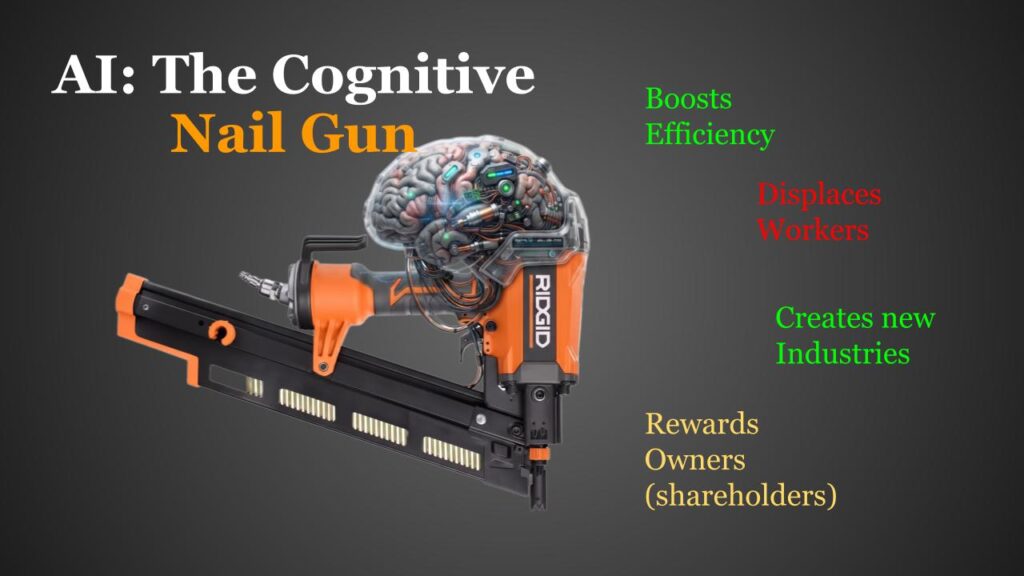
Ultimately, technological shifts and market bubbles present choices rather than predetermined catastrophes. By addressing the root causes of personal anxiety, tuning out unnecessary panic, and focusing on productivity, learning, and positive behaviors, individuals can navigate economic transitions with resilience. Everything desired in life often lies on the other side of fear, and approaching the future with curiosity rather than apprehension allows for a more stable and constructive path forward.