
Following an 18-year tenure on Saskatoon City Council, including years serving at the helm as mayor, Charlie Clark is channeling his long-standing commitment to community building into a new provincial mandate. Transitioning from municipal governance to frontline treaty advocacy, Clark has officially taken on the role of Treaty Relations Lead with the Office of the Treaty Commissioner of Saskatchewan. In this newly focused capacity, the former municipal leader is directing his energy toward establishing and deepening collaborative partnerships between local municipal governments and First Nations across the province, drawing upon nearly two decades of municipal experience to address shared regional issues.
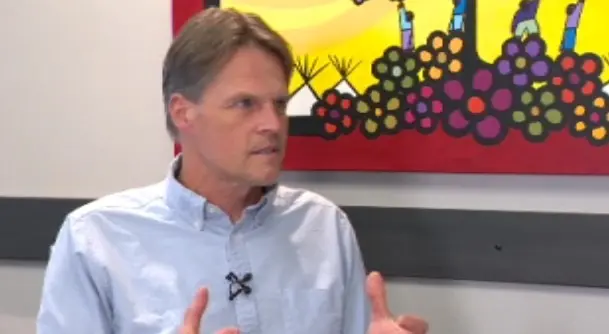
Speaking in an interview on Global News’ Shaping Saskatchewan, Clark reflected candidly on his extensive career in local politics and outlined the core motivations driving his transition to the Office of the Treaty Commissioner. Throughout his time in civic office, Clark consistently prioritized community dialogue and intergovernmental cooperation. Now, as Treaty Relations Lead, he is applying those foundational principles to a larger provincial landscape, seeking to reshape how municipal authorities and First Nations leadership interact, communicate, and solve problems together.
The motivation behind this career shift stems directly from observations Clark made during his concluding years in municipal office. As mayor of Saskatchewan’s largest city, he frequently engaged in high-level discussions with fellow municipal leaders, First Nations chiefs, regional stakeholders, and national organizational partners across Canada. Through these extensive exchanges, Clark identified a decisive shift in how local leaders view cross-jurisdictional collaboration, recognizing a growing consensus that isolated approaches to complex social and economic problems are no longer viable.
Reflecting on this evolving dynamic, Clark noted that during the final years of his tenure in city governance, a clear understanding began to take shape across diverse leadership circles. He observed that when municipal governments and First Nations communities actively choose to work in partnership, they unlock significantly greater potential to resolve pressing challenges that impact residents across both jurisdictions. As communities face increasingly interconnected social and economic pressures, the realization that joint action yields far better outcomes than siloed efforts has become a central tenet of modern local governance.
Among the key issues that Clark emphasizes as prime candidates for joint action are municipal infrastructure development and the growing crisis of homelessness. These multifaceted challenges rarely stop at municipal or reserve boundaries; rather, they affect entire regions, requiring coordinated strategies, shared resources, and aligned political will. Infrastructure development—ranging from water management and regional transportation to shared service agreements and utility expansion—presents a practical arena where municipalities and First Nations can pool expertise and investments to benefit broader regional populations.

Similarly, addressing homelessness and housing instability demands an integrated, culturally responsive approach that bridges civic social services, healthcare networks, and Indigenous-led housing authorities. Urban centers throughout Saskatchewan frequently see populations moving between rural First Nations communities and municipal districts, creating an urgent need for collaborative support systems that ensure continuous, effective care. By building formal partnerships between municipal administrations and First Nations leadership, local authorities can create more comprehensive human services frameworks that address the root causes of housing insecurity while respecting community ties and sovereign governance structures.
For Clark, the path toward achieving these tangible outcomes begins with establishing the proper foundational environment for constructive dialogue. He pointed out that one of the primary obstacles to progress in the past has not necessarily been a lack of goodwill, but rather the absence of structured, dedicated spaces where municipal leaders and First Nations officials can routinely convene, build trust, and engage in honest discussions. Identifying how to create those specific spaces and avenues for dialogue stands as the immediate priority of his new role at the Office of the Treaty Commissioner.
"In the last few years of my time in that role, I could really see in conversations I was having with other municipal leaders across Saskatchewan, first nations chiefs, and also across Canada, is that there’s a growing understanding of… if municipalities and first nations can work together, they could help solve and address some of the challenges that everybody is facing," Clark explained, underscoring the shift in perspective that informed his current career path.
Clark stressed that building functional, resilient relationships requires intentional effort and structural support. "One of the biggest steps is, ‘how do you create the place and the ways for that dialogue to happen, and now I am doing that work,’" he said, emphasizing that his mandate at the Office of the Treaty Commissioner centers on turning abstract commitments to reconciliation into concrete operational protocols and institutional mechanisms.
The Office of the Treaty Commissioner of Saskatchewan plays a vital role in educating the public, facilitating treaty discussions, and fostering meaningful reconciliation across the province. Treaties in Saskatchewan—comprising historic nation-to-nation agreements such as Treaties 4, 6, 8, and 10—form the foundational legal and moral framework for peaceful co-existence and shared stewardship of the land. By embedding an experienced former mayor into the Treaty Commissioner’s team as Treaty Relations Lead, the office enhances its capacity to translate treaty principles into practical, day-to-day governance practices for local municipalities.
Municipalities, while organized under provincial statutory frameworks, operate directly on traditional treaty territories. Historically, local civic administrations and adjacent First Nations governments often functioned in isolation from one another, operating under distinct regulatory, legal, and operational frameworks. This legacy of institutional separation frequently led to missed economic opportunities, duplicated efforts, and lingering jurisdictional friction. Clark’s mandate aims to directly counter this historical disconnect by providing local governments with the tools, guidance, and relational frameworks needed to initiate formal protocol agreements, urban reserve partnerships, and joint planning initiatives.

Urban reserves represent one of the most prominent examples of successful municipal-First Nations partnership in Saskatchewan, providing economic growth, commercial development, and tax-harmony frameworks that benefit both First Nations and surrounding municipal populations. Drawing on his nearly two decades of municipal experience in Saskatoon, a city recognized nationally for its pioneering urban reserve developments and collaborative governance models, Clark brings direct, practical knowledge of how these complex intergovernmental arrangements are negotiated, implemented, and sustained over the long term.
Furthermore, the ongoing work of treaty relations at the municipal level aligns closely with broader national calls for meaningful action on reconciliation. Municipal governments across Canada are increasingly recognizing their direct responsibility to honor treaty relationships, implement relevant recommendations from the Truth and Reconciliation Commission, and build equitable partnerships with Indigenous communities. By focusing on practical areas of cooperation such as infrastructure, emergency services, economic development, and social well-being, Clark’s work aims to move the conversation beyond symbolic gestures toward durable, systemic improvements.
The core focus of Clark’s mandate as Treaty Relations Lead rests squarely on cultivating long-term trust. In many communities across Saskatchewan, historical grievances and systemic misunderstandings have created hesitation between municipal councils and First Nations chief-and-council leadership. Overcoming these barriers requires persistent effort, consistent communication, and neutral platforms where both parties can come together on equal footing to articulate their needs, share visions for regional prosperity, and construct mutually beneficial frameworks for action.
As Clark steps fully into this role, his transition marks a significant moment for municipal governance and treaty advocacy in Saskatchewan. By bridging the gap between city halls, municipal district offices, and First Nations band council chambers, his efforts under the banner of the Office of the Treaty Commissioner aim to establish a more integrated, collaborative approach to regional development. As municipalities and First Nations navigate shared socio-economic opportunities and challenges, the work of fostering open dialogue and durable treaty relationships promises to shape the future landscape of Saskatchewan communities for years to come.