
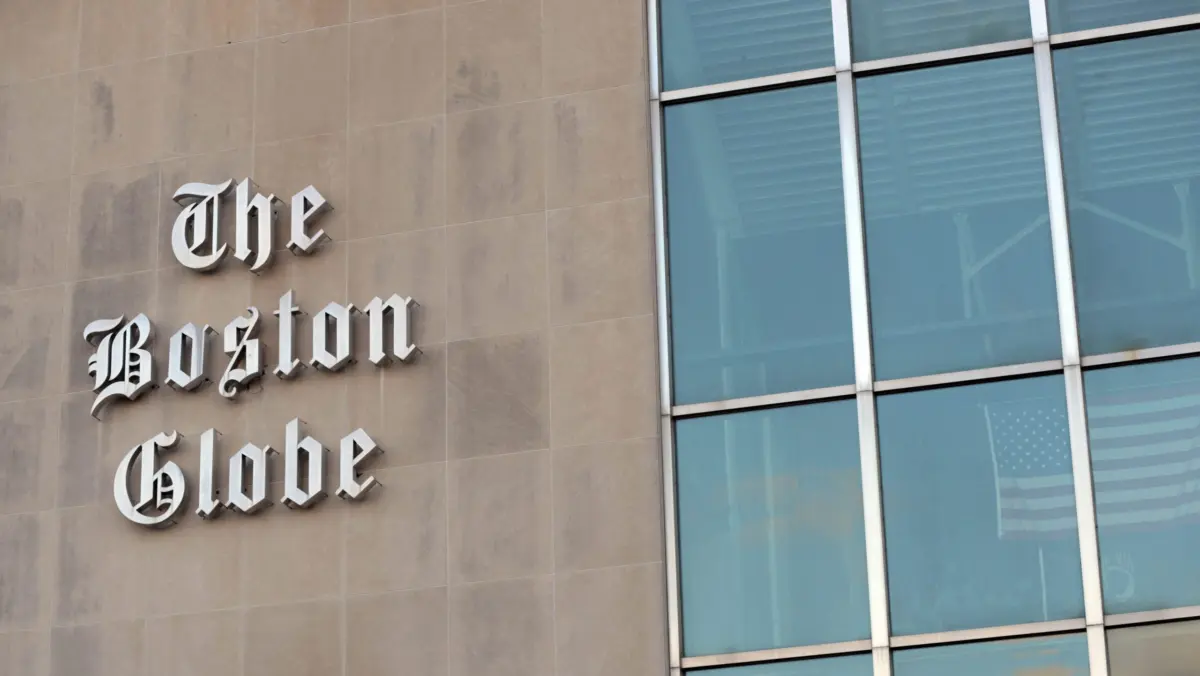
In the early 2000s, The Boston Globe published a series of bombshell investigative articles that exposed the systematic cover-up of child sexual abuse within the Catholic Archdiocese of Boston. That groundbreaking reporting remains one of the most consequential pieces of journalism of this century, earning a well-deserved Pulitzer Prize and inspiring the critically acclaimed 2015 feature film Spotlight, which ultimately took home the Academy Award for Best Picture.
Now, more than two decades later, a very different kind of piece from The Boston Globe has managed to capture the modern zeitgeist—and with it, the intense attention of the entertainment industry. The article in question, published on September 22, carries the provocative “A Western Mass. lesbian bar required KN-95 masks. When it changed the rules, all hell broke loose.”
Authored by Annalisa Quinn, the piece quickly became an internet phenomenon, dominating social media feeds and rapidly surging to become one of the most-read stories in the illustrious history of The Boston Globe. The piece explores the volatile intersection of public health policy, community expectations, and post-pandemic cultural fault lines within a hyper-specific local setting, resonating with readers far beyond the borders of Massachusetts.
Following the article’s viral trajectory, industry insiders have confirmed to The Hollywood Reporter that United Talent Agency (UTA), which represents The Boston Globe, has already begun fielding a wave of inquiries regarding potential screen adaptations. Producers and executives are eyeing the material for both the scripted television and feature film spaces, as well as the documentary sphere, recognizing the dramatic narrative inherent in the real-life events.
Indeed, the article features a cast of ready-made characters tailor-made for dramatic interpretation. At the center of the narrative is a besieged bar owner who found herself drowning in mounting debt and navigating impossible social pressures, contrasted against former patrons who were utterly furious when the establishment decided to sunset its strict mask policy. These aggrieved customers went above and beyond standard public feedback, ensuring the owner knew precisely how they felt about the shift in safety protocols.
The phenomenon of optioning journalism for the screen is a time-tested tradition in Hollywood, though only a select few articles successfully navigate the treacherous path from the printed page to the finished cinematic product. A recent example of this pipeline in action is the Robert Pattinson-starring movie Primetime, which drew its inspiration from a gripping 2007 Esquire article.
As industry sources who routinely work with newspaper and magazine packages point out, anything that can grant a film or television project a competitive edge is desperately needed in today’s remarkably tough media and entertainment landscape. With studios and streaming services operating under heightened financial caution, executives are often hesitant to greenlight original concepts without proven audience interest.
“Everyone is scared, and nobody wants to make a decision,” notes one observer familiar with the current adaptation market. Securing a project based on an article that has already demonstrated massive viral reach and cultural resonance offers a powerful psychological safety net, giving a studio decision-maker the comforting feeling that they are backing a safer bet in an unpredictable market.
For The Boston Globe, the unexpected crossover into Hollywood interest is a testament to the broad emotional and societal chords the story struck. A spokesperson for the publication told The Hollywood Reporter that the feature has far exceeded normal engagement metrics, noting that the piece has resonated deeply with a wide range of audiences both nationally and internationally.
“It is now one of the most-read stories we’ve published, and has already garnered many thousands of subscriptions,” the spokesperson added, highlighting how compelling journalism continues to drive both digital engagement and reader conversion in an era of rapid media transformation. Whether the fierce neighborhood debate over a Western Mass. bar’s mask rules ultimately translates into the next prestige drama or documentary feature remains to be seen, but the journey from local reporting to Hollywood boardrooms underscores the unpredictable power of contemporary storytelling.