
If you haven’t yet seen Louis Theroux’s latest documentary feature, Louis Theroux: Inside the Manosphere, media critics and family advocates suggest making a date to stream it on Netflix. The documentary has quickly emerged as essential viewing for parents, particularly those raising boys in an era defined by rapid digital shifts and polarizing online subcultures. However, viewers are met with a swift word of warning: it operates much like a psychological thriller that lingers long after the credits roll. Compared to the dark corners of the modern manosphere, traditional horror cinema struggles to match the very real, modern social anxieties documented on screen.
In the film, Theroux—known for his understated, calm, and detached British journalistic style—explores the manosphere from the inside out. As he engages with some of the internet’s most extreme influencers who peddle ideologies rooted in misogyny, antisemitism, conspiracy theories, and homophobia, the dynamics shift. Theroux finds himself pulled directly into the ideological crossfire, transformed into raw content, pulled out of context, and expertly trolled by subjects even while he holds the camera. During one particularly unsettling night out documented in the film, a British influencer turns to the camera right in front of Theroux and remarks bluntly that the journalist doesn’t want to be part of the live stream or the content, yet ultimately has no choice in the matter.
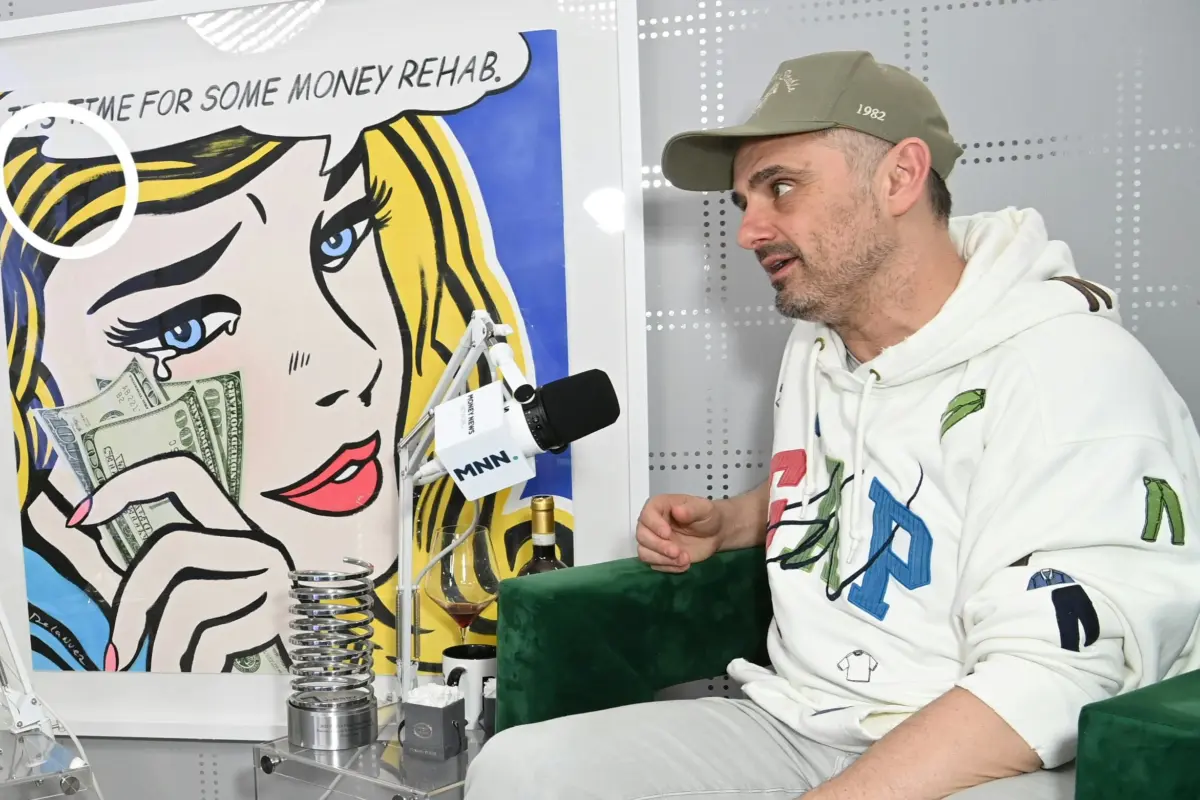
Parents, by contrast, retain a crucial choice. They face the decision of how to navigate or shield their children from digital depravity, how to push back against concerning cultural creep, and how to seek out alternative positive figures in media. Among the suggested antidotes to the vitriol and hyper-aggression of the manosphere are public figures and entrepreneurs like Gary Vaynerchuk. Best-selling author, radio host, and business executive, Vaynerchuk has long positioned himself as a loud, unabashed voice promoting resilience coupled with kindness. As the CEO of VaynerMedia and Chairman of VaynerX, he presents a hard-nosed, fast-talking entrepreneurial ethos rooted in self-reliance, while maintaining a foundational belief in basic human decency and kindness.
Reflecting on his own upbringing, Vaynerchuk notes that his validation is deeply tied to treating people well, emphasizing that a strong foundation of parental support makes all the difference. Yet, he argues that contemporary parenting has veered off course, conflating supportive parenting with enablement. In a recent interview, Vaynerchuk unpacked where modern child-rearing has faltered, the danger of shielding young men from natural consequences, and why financial and emotional independence remains non-negotiable for personal growth.
The Pitfalls of Modern Parenting and the Rise of the "Zoo Lion"
When examining why young people—particularly young men—are increasingly checking out from the workforce and traditional social structures, Vaynerchuk points directly to systemic shifts in modern parenting. He argues that society has made crucial mistakes over the past few decades, often reflexively blaming social media to avoid deeper accountability.
Among the primary missteps, Vaynerchuk highlights a cultural over-correction toward excessive coddling, the proliferation of participation trophies, and an obsessive mindset that conflict or competition is inherently negative. While acknowledging his own background as a self-described mama’s boy who frequently found himself in schoolyard fights—incidents his own mother viewed simply as a normal part of growing up—he observes that parents today have become far too enmeshed in their children’s daily micro-experiences.
Contrasting current parenting trends with previous generations, Vaynerchuk points out that historically, parents did not storm school administrative offices to argue over a grade or track their adult children’s every movement through family location-sharing apps. This constant oversight, he argues, deprives young men of the resilience needed to navigate an unpredictable world. Using a vivid metaphor, he questions the outcome of raising what he calls "zoo lions" rather than animals equipped to survive in the wild jungle of actual life experiences.
The Essential Role of Sports and Adversity
Sports, according to Vaynerchuk, serve as a vital training ground for teaching emotional regulation, humility, and constructive conflict resolution. He recalls instances from his son’s youth sports leagues where children cried after a loss, noting that parents should view such moments as a blessing rather than a crisis to be suppressed. Suppressing disappointment or teaching children that nothing truly matters can lead down a path toward depression and emotional fragility.
Furthermore, Vaynerchuk cautions against parents intervening constantly in youth sports, whether by yelling at coaches or shielding children from poor leadership. He emphasizes that allowing a child to deal with a difficult coach prepares them for the inevitable reality of encountering a difficult boss, an unreasonable authority figure, or challenging systemic obstacles later in life. When young adults enter the professional world throwing temper tantrums over minor setbacks, it often traces back to a childhood devoid of exposure to unaccommodating authority.
Humility, Vaynerchuk notes, was forged for him through athletic competition and early losses. Although experiencing repeated defeat initially tastes bitter, he suggests that acquiring a taste for humility—much like an acquired culinary taste—turns into a lifelong superpower. Far from avoiding failure, Vaynerchuk embraces adversity, expressing a deep admiration for the underdog narrative and the psychological grit required to rebuild after a fall.
Redefining the Parent-Child Dynamic and Financial Independence
Addressing the delicate line between being supportive and acting as an enabler, Vaynerchuk revisits the controversial parental adage that a parent is not their child’s best friend. While acknowledging the modern trend of close, friendly relationships between parents and teenagers as positive on the surface, he warns that some parents cross a line into offering zero accountability or consequences.
Parents who position themselves as a safe harbor from all real-world ramifications risk functioning less like guiding authorities and more like enablers who shield their children from accountability. This dynamic becomes especially critical when discussing financial support for young adults. Vaynerchuk argues firmly that financial independence is a core pillar of manhood and maturity. He contends that indefinitely funding young adult sons—whether providing allowances, paying rent, or covering lifestyle expenses deep into their twenties—undermines their self-esteem and sends an implicit message of disrespect.
While young men might accept financial assistance to maintain a certain lifestyle, Vaynerchuk suggests that deep down, prolonged financial dependence fosters internal anxiety and resentment. True success, in his view, is not merely measured by monetary accumulation, but by peace of mind, emotional resilience, and the absence of anxiety or chronic depression. Ultimately, Vaynerchuk places immense respect on individuals who work diligently to support their families through backbreaking effort without complaint—embodying a standard of quiet resilience that he believes remains the ultimate measure of character.