
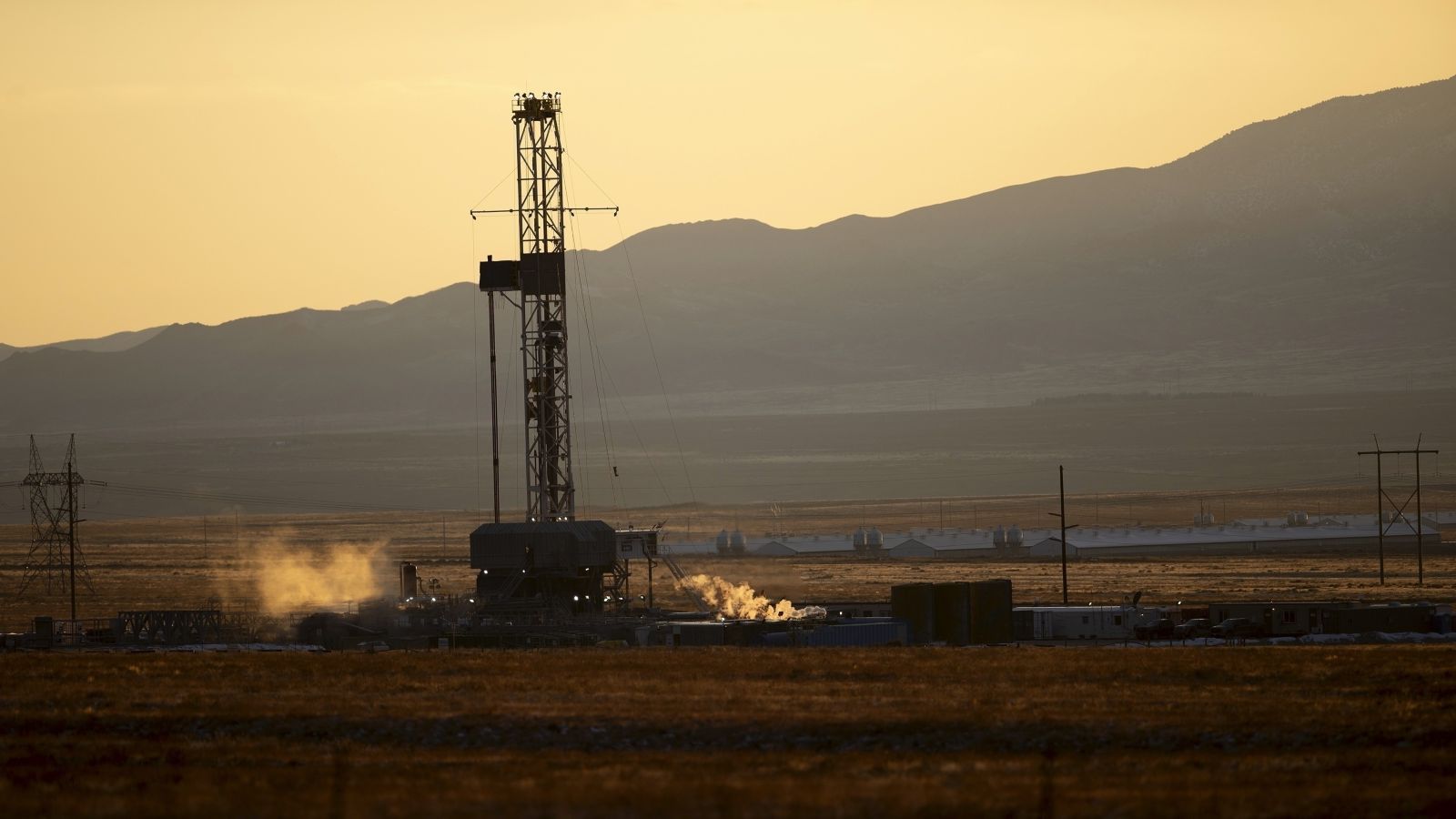
Beneath the rugged expanses of the Rocky Mountains, the Sierra Nevada range, and the arid deserts stretching between them lies a massive, untapped energy reservoir, and it has nothing to do with fossil fuels. The ancient tectonic violence that fractured, smashed, and separated plates to sculpt the Western landscape has also brought Earth’s primordial core heat unusually close to the surface. Today, an aggressive wave of next-generation geothermal energy companies is mobilizing to drill deep into the Earth, capturing that subterranean heat to generate emissions-free electricity. These pioneers are armed with advanced drilling techniques and a lucrative, hyper-motivated new customer base: energy-hungry artificial intelligence and cloud computing data centers.
As major tech corporations race to construct massive data infrastructure while simultaneously attempting to honor corporate climate mandates, they have zeroed in on geothermal as an indispensable asset. Unlike solar and wind power, which fluctuate depending on weather conditions and the time of day, geothermal energy offers steady, uninterrupted baseline power around the clock. This reliability makes it uniquely suited to feed the insatiable electricity demands of modern computing facilities.
In response, tech giants have begun locking in long-term procurement contracts. Meta and Google have finalized major agreements with emerging geothermal start-ups in New Mexico and Utah. Among these is a landmark deal in which Google agreed to purchase 396 megawatts of clean power from Fervo Energy’s upcoming Cape Station facility in southwest Utah—enough electricity to power approximately 430,000 households. The federal government has similarly witnessed unprecedented enthusiasm, pulling in record per-acre bids from energy developers seeking public land leases for geothermal exploration across the Mountain West.
This modern renaissance is propelled by a combination of factors, including sophisticated drilling technologies originally pioneered by the oil and gas sector and aggressive state-level clean energy mandates, particularly in California. However, industry experts emphasize that the surging electricity appetite of the tech sector is serving as a primary catalyst for the movement.
"A lot of these companies have clean power goals, though they are not firm goals when other factors are on the line," said Wilson Ricks, who manages the electricity program at the climate-focused nonprofit Clean Air Task Force. "Constant power, the kind that geothermal can provide, is really key to supplying data center growth as cleanly as possible, and specifically for providing an alternative to just building lots of gas turbines."
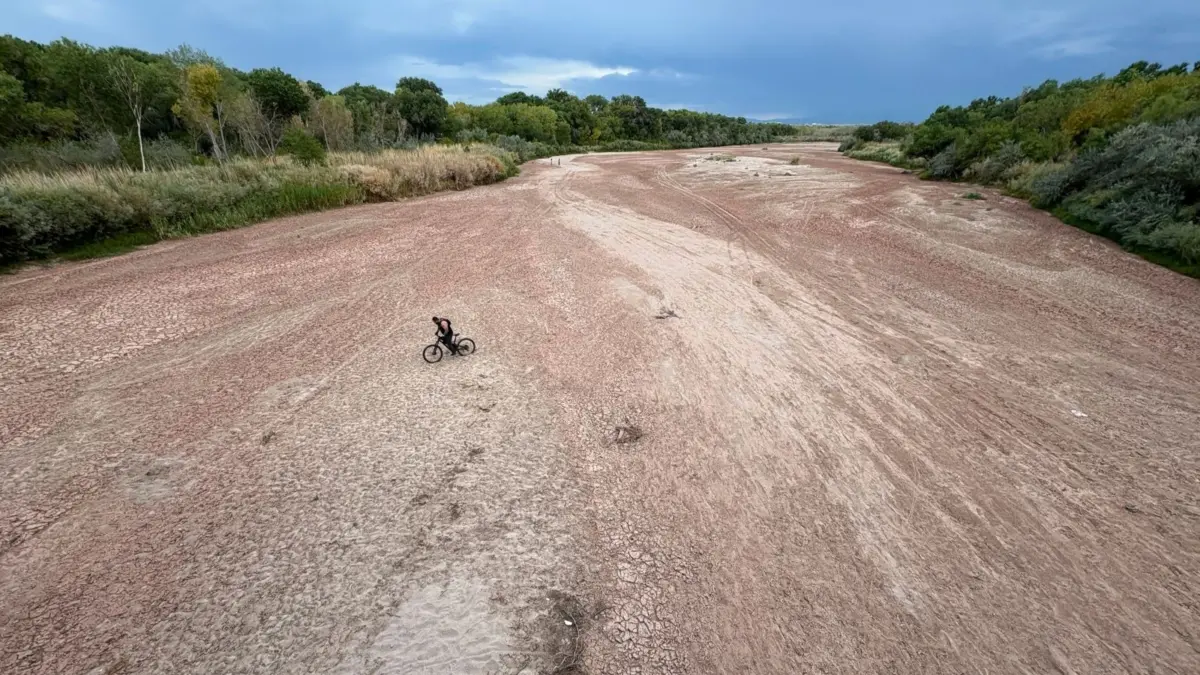
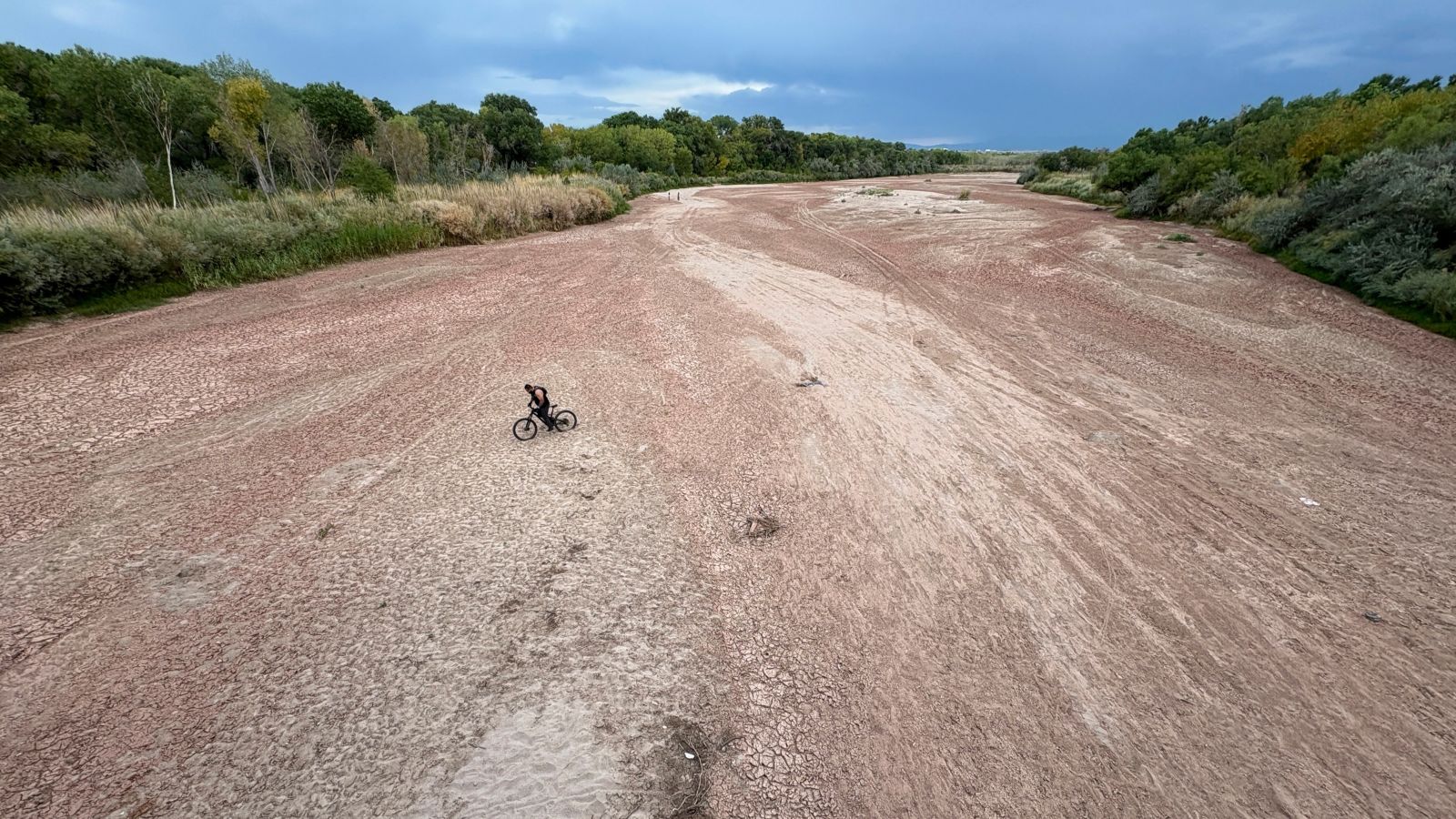
Despite its promise, this high-stakes convergence of geothermal expansion and digital infrastructure faces a severe, ironic hurdle: water scarcity. The geological formations that make the dry American West ideal for geothermal energy are simultaneously plagued by chronic aridity and long-term drought. Most prominent geothermal technologies require significant amounts of water to function properly. When these power plants are built to serve data centers, their water footprint stacks on top of the millions of gallons these computing facilities already pipe in daily to prevent their dense networks of servers from overheating. Meeting the electricity demands of Western data centers through geothermal energy will require careful regional planning and engineering innovations designed to make power plants significantly more water-efficient.
The core mechanics of the geothermal boom revolve entirely around water management. Traditional geothermal power generation relies on a relatively rare geological alignment. Operators drill deep wells into natural underground pockets of superheated water, pumping the scalding liquid to the surface where it acts much like an artificial hot spring. The thermal energy is then used to convert the water—or a secondary working fluid—into high-pressure steam, which spins a turbine to generate electricity. Afterward, the cooled water is injected back into the subterranean reservoir to absorb more heat.
Because this conventional method demands a precise combination of intense underground heat and naturally occurring water reserves, its geographic viability is restricted to very few regions. To overcome this limitation, next-generation geothermal developers are turning to engineered solutions, bringing their own water down to dry, hot rock formations and forcing it to circulate. Yet, the volume of water required to sustain these artificial systems varies drastically depending on the specific engineering approach employed.
In New Mexico, which has endured decades-long droughts that severely strain the Rio Grande basin, a company called XGS Energy is attempting to deploy a geothermal solution that requires virtually no water at all. XGS utilizes a closed-loop technology system that continuously cycles working fluid through a sealed network of pipes deep within the Earth. Instead of mixing water with subterranean formations, the system transfers the planet’s heat through a proprietary high-performance material layered onto the exterior of the pipe. This heat is then transferred to a secondary fluid that vaporizes and drives a turbine. Because the primary fluid is entirely sealed, the system recycles the same water over and over without losing any to evaporation or geological seepage. Meta agreed to support an upcoming XGS project designed to generate 150 megawatts of power at an undisclosed location in New Mexico.
Representatives for XGS argue that this water-saving capability distinguishes their technology from competing systems, pointing out that simplicity in design yields major benefits in terms of scalability, operating costs, and performance predictability.
"For geothermal to broadly scale across the United States, communities need geothermal systems that actively conserve water," XGS stated. "This design enables us to develop in more locations across the West, and consistently win competitive contracts."
However, water-efficient closed-loop designs may face distinct economic and technical hurdles when attempting to scale up to the massive power requirements demanded by modern data centers. According to Roland Horne, who leads the geothermal program at Stanford University, closed-loop systems generally produce lower power output per well and feature shorter operational lifespans than competing methods. Unless engineering advancements significantly boost efficiency or tech corporations are willing to absorb higher capital costs, completely water-free geothermal systems may struggle to produce large quantities of power at a competitive price point.
Consequently, a far more popular and commercially advanced approach is known as "enhanced geothermal systems," or EGS. This technique adapts hydraulic fracturing methods—commonly known as fracking—from the oil and gas industry to fracture hot, impermeable rock formations and circulate water through them, artificially manufacturing the underground reservoirs that traditional geothermal power requires. Inevitably, this method results in the loss of a portion of the injected water deep underground. While enhanced geothermal generally consumes less water than traditional natural gas-fired power plants, which rely heavily on water for cooling and steam generation, the exact resource footprint varies widely from one project to another.
At Fervo Energy’s Project Red site in Nevada, which made history as the first enhanced geothermal project to produce commercial electricity, operators initially reported losing roughly 30 percent of the water they injected underground. Fervo representatives note that water losses will be significantly lower at their newer Cape Station facility in Utah—which is contracted to supply power to Google—thanks to an upgraded engineering design. Even so, assuming a much lower loss rate of 5 percent, full-scale commercial deployment across multiple sites could still consume substantial volumes of water over time.
The sheer scale of the challenge becomes apparent when examining recent proposals from the tech industry. For example, software giant Oracle recently proposed developing up to 2 gigawatts of new renewable energy generation capacity in New Mexico, which could potentially include geothermal sources. The announcement arrived in the wake of sharp public criticism regarding the environmental impact of a massive gas-powered data center Oracle is constructing in the state, a facility projected to become one of New Mexico’s largest greenhouse gas emitters.
Rough calculations conducted by Kristie McLin, a principal investigator at the federal government’s Utah FORGE geothermal research laboratory, indicate that supplying those 2 gigawatts entirely through current enhanced geothermal methods could consume up to 42 million gallons of water daily. That volume equates to roughly half of the total average daily water demand of the city of Albuquerque.
"This is a real problem that the industry absolutely needs to try to figure out," McLin said. "When it’s additive and all your other water sources are already allocated to other uses, it can be challenging to find the volume of water you need to start up and sustain enhanced geothermal."
To mitigate these concerns, Fervo has intentionally avoided utilizing potable municipal water supplies at its Cape Station facility, opting instead to source brackish, highly saline groundwater that is unsuitable for drinking or agriculture. Nevertheless, in a parched landscape where prolonged drought has rendered virtually every water source intensely valuable, and amid mounting public backlash over the heavy water consumption of data centers themselves, relying on a continuous, guaranteed water supply could introduce significant regulatory and social roadblocks to geothermal expansion.
Water availability remains just one of several critical variables—alongside transmission infrastructure access, complex geology, and high initial drilling costs—that have historically frightened risk-averse investors away from geothermal projects. The unusual hybrid nature of the industry, which combines the speculative risks of oil and gas exploration with the complex grid integration of electrical power generation, has frequently complicated efforts to attract venture capital. While the sudden financial interest and purchasing power of tech giants have helped alleviate some of these financial strains, industry experts stress that the underlying hurdles have not been entirely eliminated.
Mike O’Connor, director of the Mountain West Geothermal Consortium, a nonprofit research organization, is currently studying innovative funding mechanisms designed to help geothermal developers overcome these economic barriers. Simultaneously, researchers stationed at the Utah FORGE facility, located immediately adjacent to Fervo’s Cape Station, are actively experimenting with methods to minimize subsurface water losses. Their trials include testing novel configurations for well spacing, as well as optimizing the dynamics of water injection and recovery.
"Utah FORGE is going to demonstrate these different opportunities to reduce water losses and see what performance looks like long term," McLin said.
The ultimate ability of the geothermal industry to resolve these technical, environmental, and financial questions carries immense implications that extend far beyond the immediate needs of Silicon Valley data centers. California, for instance, requires a reliable stream of clean, firm power like geothermal if it hopes to successfully achieve its statutory mandate of sourcing 100 percent of its electricity from zero-emission resources by 2045.
Although California already generates more than half of its electricity from renewable sources such as solar and wind, state grid operators urgently require dependable power capable of instantly bridging the supply gaps that occur when solar panels and battery storage systems are insufficient. Recognizing this vulnerability, state utility regulators have formally mandated that power providers procure at least one gigawatt of clean, firm power by 2026. This regulatory push recently spurred a major California utility to commit to purchasing 320 megawatts of geothermal energy directly from the Cape Station project.
"There was an argument for geothermal power before data centers, and there will be an argument for geothermal power after these data centers are built," O’Connor said.