
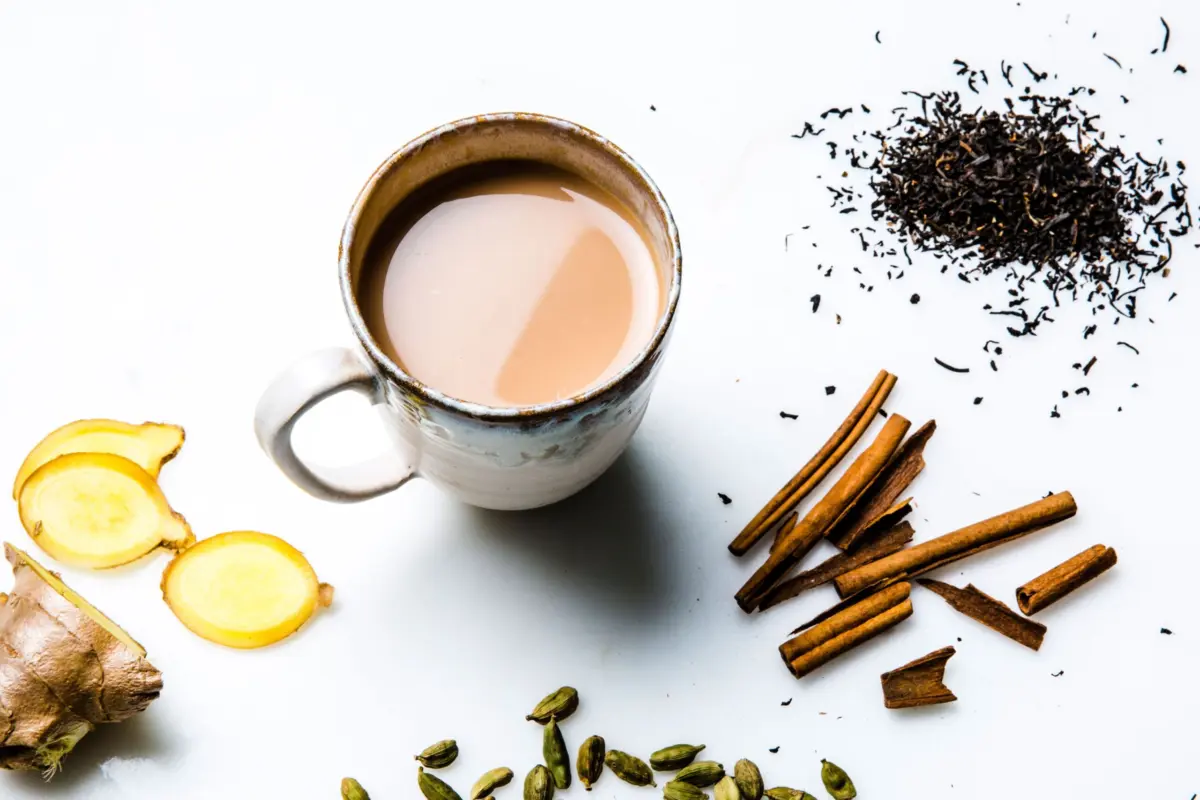
For tea enthusiasts searching for the ultimate cup of spiced warmth, a newly highlighted recipe offers a masterclass in balance: unapologetically gingery, warmly spiced with aromatic cinnamon and cardamom, and gently sweetened with pure maple syrup. This distinct iteration of masala chai relies on a foundation where fresh ginger and whole cinnamon sticks simmer until intensely fragrant before a robust black tea is introduced to the pot. While loose-leaf Assam is considered the gold standard for its malty strength, sturdy everyday tea bags such as PG Tips can serve as a reliable substitute for home brewers looking to recreate the experience.
The journey of this specific recipe spans decades, continents, and a network of culinary connections. Former food director Carla Lalli Music originally adapted the method after falling in love with the beverage at a yoga studio she frequented. The tea was prepared there by her friend, Spiros Antonopoulos, who had initially learned the intricate technique from a traditional chai wallah—a tea maker and vendor—living in Taos, New Mexico. Recognizing the exceptional quality of the brew, Music eventually persuaded Antonopoulos to share his closely guarded secrets, taking on the task of translating his instinctive, by-feel method into precise, repeatable kitchen measurements.
In its original iteration, the technique required bringing the heavily spiced, milky tea nearly to a boil three distinct times to achieve a deeper, caramelized flavor profile. While effective, that traditional multi-stage approach demands close attention and significant time. To make the recipe more accessible for contemporary home kitchens while preserving its depth of flavor, this version streamlines the process significantly. Instead of multiple boil-ups, the modern adaptation instructs cooks to let the chai foam up just once, immediately pull it from the heat source, and allow it a crucial five-minute resting period before straining. This brief steep allows the spices and tea leaves to fully marry with the dairy and sweetener without becoming bitter.

Masala Chai FAQs
At its core, masala chai translates simply from its linguistic roots as "spiced tea," denoting a traditional beverage made by brewing black tea together with milk and a blend of aromatic spices. One of the most fascinating aspects of the beverage globally is that there is no single, rigid formula governing its creation. While some regional variations incorporate dozens of specialized ingredients, this particular version keeps its spice mix relatively streamlined, leaning heavily on fresh ginger supported by the warm notes of cinnamon and green cardamom pods.
This versatility within the genre allows for numerous expressions of spiced tea across different culinary traditions and individual preferences. For instance, those interested in exploring alternative styles within the broader family of spiced teas can look to variations like Karak chai, another popular style of masala chai championed by culinary figures such as Zaynab Issa. While styles may differ in their specific dairy-to-water ratios, brewing times, or spice dominance, the underlying comfort of a hot, spiced, milky brew remains a constant thread.
When home cooks attempt to recreate authentic masala chai, questions frequently arise regarding ingredient selection, particularly concerning the base tea and the level of sweetness. Selecting the right tea is paramount to ensuring the brew does not get lost behind the heavy presence of ginger, milk, and spices. Robust black teas that can stand up to dairy and prolonged simmering are always preferred. Assam loose-leaf tea is widely regarded as ideal due to its bold, malty backbone, though pantry staples like sturdy black tea bags can easily fill the role when loose leaves are unavailable.
Adjusting the sweetness of the beverage is another area where personal preference takes center stage. The use of maple syrup in this specific recipe introduces a distinct, rounded sweetness that complements the woodsy notes of cinnamon and the sharp bite of fresh ginger. Brewers have complete flexibility to tailor the sweetness to their exact liking. Using a slightly smaller amount of maple syrup yields a more ginger-forward, pungent chai that emphasizes the spice, whereas increasing the quantity satisfies those who prefer a sweeter, more dessert-like cup.