
While millions of travelers descended upon well-trodden Greek destinations like Zakynthos, Crete, Naxos, and Ikaria this summer, Nat Belkov, associate creative director at Eater, opted for Sifnos. Located just a three-hour ferry ride from Athens, Sifnos is widely celebrated among locals as one of the premier food destinations in the Cyclades, yet it remains refreshingly under the radar for international tourists.
Greece’s rich culinary culture cannot be fully grasped on any single island. Across the Aegean Sea, distinct geographical growing conditions and isolated cooking traditions have given rise to individual regional cuisines entirely their own. However, Sifnos has cultivated a particularly delicious reputation that predates modern tourism, making it an ideal destination for travelers looking to experience the authentic heart of Greek gastronomy.

Visiting the Mediterranean during peak tourist season in August often brings expectations of overwhelming crowds and cramped spaces, but Sifnos manages to retain a tranquil atmosphere. As summer gives way to the shoulder season, the crowds thin out considerably and temperatures become more forgiving, yet the peak-season produce continues to find its way into dishes across the island, creating an even more inviting environment for culinary travelers.
The journey to Sifnos begins in Athens at the bustling port of Piraeus, where ferries arrive and depart continuously, connecting travelers to destinations across the Aegean and Ionian seas. The 2.5- to 3-hour ferry ride to Sifnos offers sweeping views of neighboring islands, a visual preamble that highlights the striking, deep shade of blue unique to the Aegean.

For travelers prioritizing an authentic connection to a destination, Sifnos proves to be an ideal match. Rather than seeking out commercial beach clubs with standardized lounge chairs, many visitors prefer to discover hidden rocky coves, local olive groves, and independent cheesemakers. The island rewards those willing to trade high-end pomp and circumstance for unhurried afternoons spent lingering at local tavernas over traditional plates of taramasalata and charcoal-grilled prawns.
Day 1: From the Port of Piraeus to the Ancient Capital of Kastro
Before boarding the ferry at Piraeus, travelers with an hour to spare are encouraged to stop by Yorgos Souvlaki for provisions. Located on the corner of a side street, this modest shop features little more than a grill behind a counter, but it stands as one of the last establishments serving bifteki-style souvlaki in pita using traditional methods. While tzatziki and French fries became ubiquitous additions to the popular street snack around 1970, Yorgos Souvlaki prepares its grilled beef patties inside pillowy, juice-warmed pita bread with nothing more than fresh tomato, slivered onions, and a scattering of parsley.

Upon docking at the 28-square-mile island after the brief sea voyage, visitors frequently make their way to the small village of Kastro. As the ancient capital of Sifnos, Kastro offers limited lodging options consisting of a small collection of Airbnbs and boutique hotels, allowing visitors to park their vehicles and explore the historic enclave entirely on foot.
A prime spot to settle into the island’s rhythm is the Loggia Wine Bar, situated directly on the side of a cliff with amphitheater-style seating carved into the rock face. Diners can sample charcoal-roasted potatoes paired with tarama aioli, or a regional take on panzanella that replaces traditional chunks of bread with crumbled Sifnian anise cookies. The extensive bottle list features unique selections difficult to find elsewhere, including an unfiltered red wine produced from old-vine Mouchtaro grapes grown at high altitudes in the Geraneia Mountains.

Day 2: Morning Cafes, Fishing Villages, and Zero-Waste Dining
Mornings in Kastro begin with the sound of crashing waves and coastal falcons before heading into the village’s narrow streets to the Diporto Shop. Operating with the warm atmosphere of a family kitchen, the cafe serves freddo cappuccinos—Greece’s sophisticated take on an iced latte featuring cold foam—often delivered by the owners’ young sons, who expertly navigate trays full of drinks. The menu includes hearty yogurt and fruit bowls crowned with generous portions of sunflower seeds, dates, sliced apricots, and banana, providing ample energy for a subsequent hike down to the iconic Church of the Seven Martyrs.
Heading north brings visitors to the tranquil fishing village of Cheronissos, tucked between rocky hills where local goats graze freely. Visitors can set up camp on a small patch of sand or smooth rock before walking a few steps to Ammoudia, a quintessential beach taverna with wooden tables and chairs planted directly in the sand near the water’s edge.

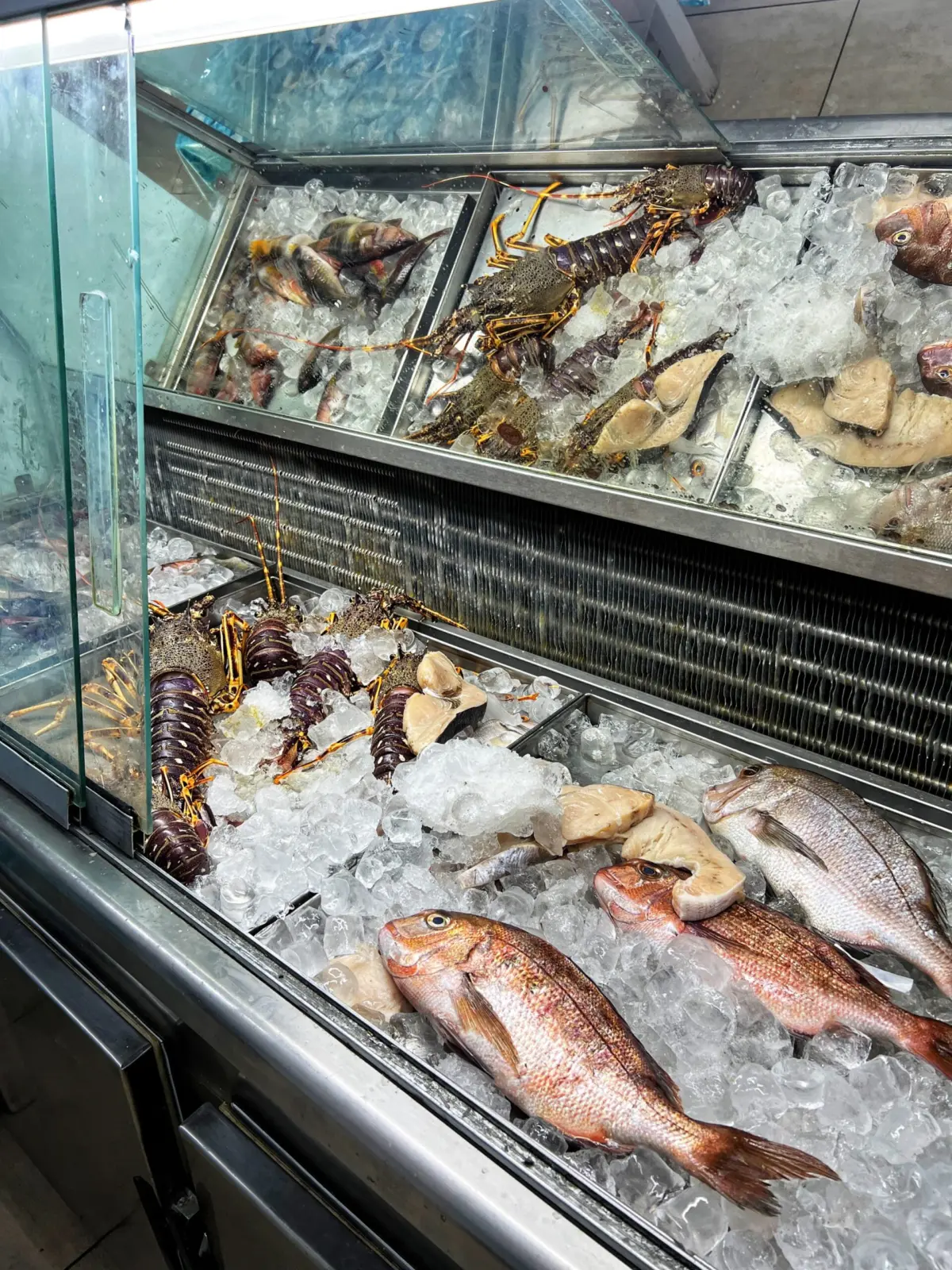
Ammoudia specializes in revithada, a soul-soothing Sifnian specialty consisting of chickpeas stewed in olive oil with onions and herbs. While families traditionally prepare revithada on Saturdays and take their pots to communal ovens to cook slowly through the night for Sunday dinner, Ammoudia serves the dish daily, offering a celebrated remedy for hangovers and jet lag. For seafood, diners select their preferred catch directly from the display case with their server, who weighs the fish and discusses preparation methods—ideally simply grilled over charcoal with lemon and olive oil—before delivering fresh Sifnian lobster or sea bream to the table.
No culinary tour of Sifnos is complete without dinner at Cantina, led by Chef Giorgos Samoilis. A celebrated figure both locally and throughout Greece, Samoilis maintains an unpretentious approach despite his deep connections to the island’s network of farmers and fishermen. The restaurant champions a zero-waste philosophy, translating the local landscape into dishes such as poached monk fish fillet served in a delicate fig leaf sauce, charcoal-grilled okra topped with pumpkin seeds and smoked red pepper, and Mizithra ice cream drizzled with local honey and brown butter crumble made from the previous day’s bread.

Day 3: Almond Confections and Secluded Coves
Sifnos has long been synonymous with traditional pottery, but the island also boasts a rich heritage of almond-based confections. The family-owned Theodorou Pastry Shop in Artemonas continues a three-generation tradition of hand-making sweets such as kourabiedes, delicate cookies crafted from almond flour and heavily dusted with confectioner’s sugar.
Continuing south toward the coastal cove of Faros, travelers pass local ceramics studios before reaching the quieter, more secluded Vlicho Beach. Sheltered by wispy salt cedar trees and a gentle, perpetual breeze, the beach provides ideal conditions for relaxation between swims.

For a midday meal, visitors often stop by Pelicanos, the second restaurant opened by Chef Giorgos Samoilis, which features a relaxed beach-bar atmosphere. The menu is celebrated for its crab and bottarga cacio e pepe, made with thick, chewy, bucatini-like noodles, alongside rotating crudo and aguachile specials showcasing local fish. Afternoon activities can include swimming or taking a rocky hiking trail up to the sweeping vistas surrounding Panagia Chrysopigi, a historic monastery dating back to the 1600s.
The day concludes on the southern side of the island in Platis Gialos, a livelier seaside town filled with shops and bars leading up to dinner at Omega3. The restaurant has earned a dedicated following among seafood enthusiasts, particularly those drawn to raw and cured preparations. Dishes such as sea urchin served in pickled tomato water and ceviche featuring local sea bream, shrimp, or amberjack dotted with vibrant cilantro pesto highlight the menu, offering diners a final meal overlooking the tranquil waters of the Aegean.