
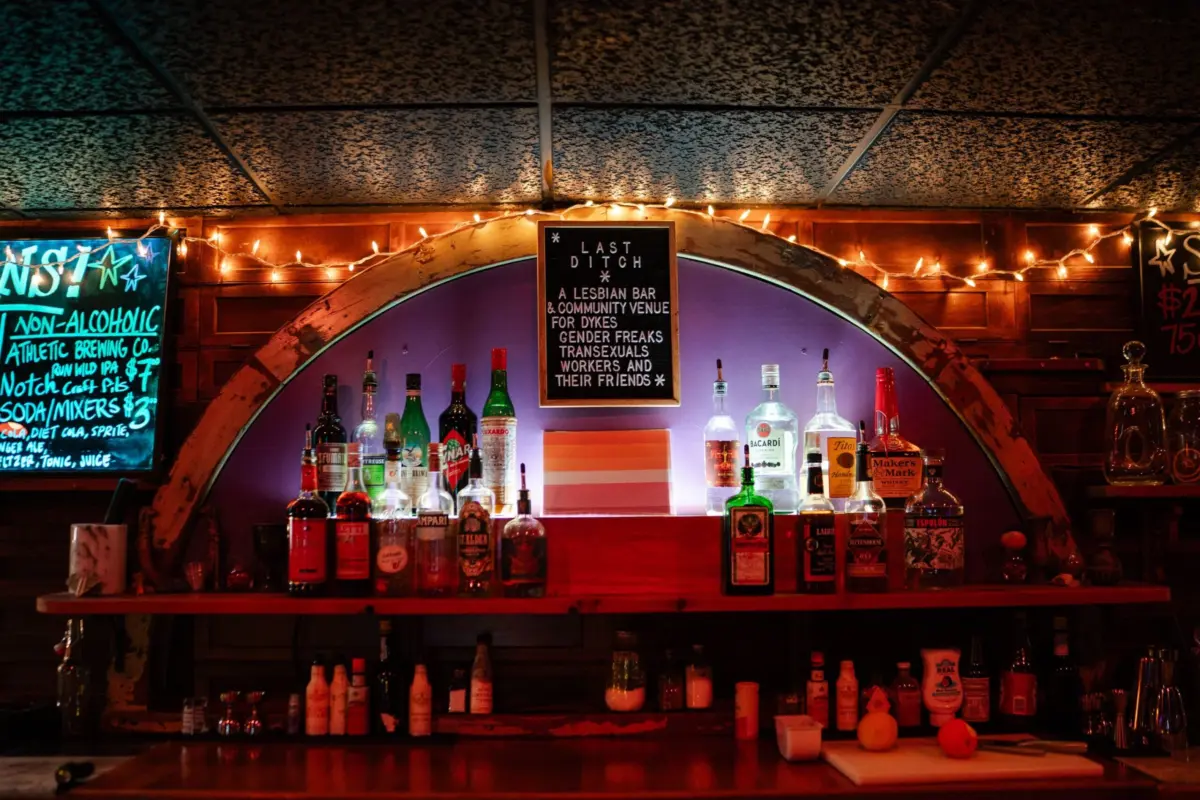
Welcome to the latest weekly roundup of news, gossip, and culinary updates making waves across the food and lifestyle landscape. As the seasons transition, bringing a distinct chill to the air and a collective yearning for hearty comfort foods like chili, the culinary world continues to move at a breakneck pace. This week brought a mix of high-end comfort food encounters, major television shake-ups, high-stakes labor settlements, and cultural debates that have captured the internet’s attention.
In New York City, a recent visit to Floradora introduced diners to what may be the largest mozzarella sticks ever encountered. Measuring the size of a gold bar, the gargantuan cheese snacks proved to be as rich as they were massive, leaving patrons thoroughly satisfied yet reeling from the sheer dairy intake.
Television landscapes are also shifting. This week marked the debut of Nigella Lawson as a judge on The Great British Baking Show, where she steps in to replace Prue Leith. Lawson introduces a distinctly different aesthetic and presence to the famous white tent. While Leith established a legacy as the quirky, chunky-necklaced grandmother figure of the program, Lawson steps into the role with the stylish, formidable air of an intimidating aunt. Viewers are left waiting to see whether her tenure will feature fewer unintended innuendos than her predecessor’s, but her arrival has unquestionably altered the dynamic of the beloved baking competition.
Meanwhile, the crossover between culinary arts and fashion continues to evolve. Chef, writer, and upcoming New York City brick-and-mortar storefront owner Allison Roman has officially ventured into the footwear industry. Through a partnership with footwear brand Margaux, Roman has released a new line of shoes. Notably, at least one of the designs bears a striking resemblance to a heeled cousin of the iconic, ultra-cheffy Dansko clog, proving once again that you can take the chef out of the kitchen, but the kitchen aesthetic rarely strays far behind.
Beyond these lifestyle updates, the week’s broader news cycle has been dominated by a series of high-profile developments, ranging from community controversies in New England to historic labor rulings, escalating international trade disputes, and viral internet debates over basic interview etiquette.
A Lesbian Bar Implosion Over Masking
Few things capture public fascination quite like intense local drama that carries no direct bearing on everyday life. That dynamic arguably helped fuel the widespread viral attention received by a recent Boston Globe report detailing a severe community meltdown at a small lesbian bar in western Massachusetts.
The controversy centers around Last Ditch, a modest lesbian bar and arts venue located in Greenfield, Massachusetts, which had been struggling financially. In an effort to boost attendance and shore up revenue, the venue’s operator announced via Instagram that Saturday nights would transition to mask-optional policies. Prior to the announcement, the establishment had strictly adhered to COVID-conscious masking protocols seven days a week.
The public reaction was immediate and fierce. Critics condemned the shift as an abandonment of immunocompromised patrons. One prominent online commenter wrote, "I hope your venue gets firebombed for robbing my fellow immunocompromised people of their Saturday plans just to scrape extra revenue from ablists." What followed the initial backlash escalated quickly into Zoom-inclusive community mediation meetings, public disclosures of tens of thousands of dollars in venue debt, and unexpected detours involving local clown school curriculum. The situation quickly became a focal point for media commentary across various political spectrums.
Last Ditch is far from the first queer space to experience a public implosion over operational and safety policies. Similar administrative and community meltdowns have previously affected other queer spaces, such as Mina’s World, a Philadelphia queer café, and Doc Marie’s, a Portland lesbian bar that famously closed its doors after operating for just a single day due to internal community conflict.
While the broader cultural imperative to dismantle systems of oppression and foster safer spaces remains strong, these repeated closures have sparked difficult conversations within the community. Observers increasingly question whether continuous public teardowns of queer spaces—which are already closing at historic and record-setting paces—represent the most constructive use of community energy.
DoorDash Admits Its Mistake With Historic Settlement
In the realm of labor rights and the gig economy, delivery platform DoorDash has agreed to pay a staggering $131.5 million to resolve a major regulatory investigation, marking a record settlement for the company. Admitting fault directly, the company stated plainly, "We screwed up."
Under the terms of the resolution, DoorDash will distribute $12.3 million directly to workers who experienced underpayment or delayed compensation, alongside more than $83 million designated for workers who spent time logged onto the platform waiting between deliveries. Approximately 264,000 delivery workers stand to benefit from the settlement, which also includes $16.7 million in civil penalties.
While the company’s official statement notes that the payout amounts to a median payment of $48 per worker, city and labor officials have emphasized the scale of impact for long-standing or heavily affected couriers. According to reports from The New York Times, municipal officials noted that approximately 700 workers are owed more than $10,000 each, more than 27,000 workers are owed upwards of $1,000, and over 4,000 workers are slated to receive more than $5,000. Representatives from the mayor’s office confirmed in a separate statement that the financial agreement stands as the largest worker recovery in the history of the city.
Make Whiskey, Not Trade Wars
International trade relations between the United States and Canada continue to strain the agricultural and spirits markets, with the ongoing dispute centering squarely on whiskey and whisky.
The trade tensions escalated last year when Canadian provinces enacted bans on the importation of American whiskey. In response, the federal administration implemented a retaliatory 50% tariff on Canadian whisky imports. The trade conflict has now deepened further, with the United States moving to ban Canadian whisky imports completely.
The comprehensive ban is scheduled to take effect early next week, though it includes specific regulatory loopholes. Whisky brought into the United States in bulk and subsequently bottled domestically will remain exempt from both the complete import ban and the previously enacted tariffs. However, given the unpredictable nature of recent trade policy shifts—where tariffs and sanctions have frequently been declared and revoked with minimal warning—industry analysts note that while Canadian whisky supplies may remain stable in the immediate term, the long-term outlook remains entirely uncertain.
Should You Bring an Iced Coffee to a Job Interview?
The question of whether it is appropriate to carry an iced coffee into a professional job interview might seem like a straightforward matter of etiquette, but a single viral TikTok video reignited a fierce online debate. Commenters across various social media platforms sharply divided over the pros, cons, and implicit signaling associated with walking into a prospective employer’s office holding a plastic cup of cold brew.
While traditional professional standards have long discouraged bringing outside food or beverages into formal career settings—citing potential distractions, awkward handshakes, or perceived informality—the modern workforce continues to question whether rigid etiquette rules still apply in an increasingly casual corporate landscape. The endless cycle of internet discourse surrounding professional norms demonstrates that even the smallest daily habits can become flashpoints for broader discussions about workplace culture.