
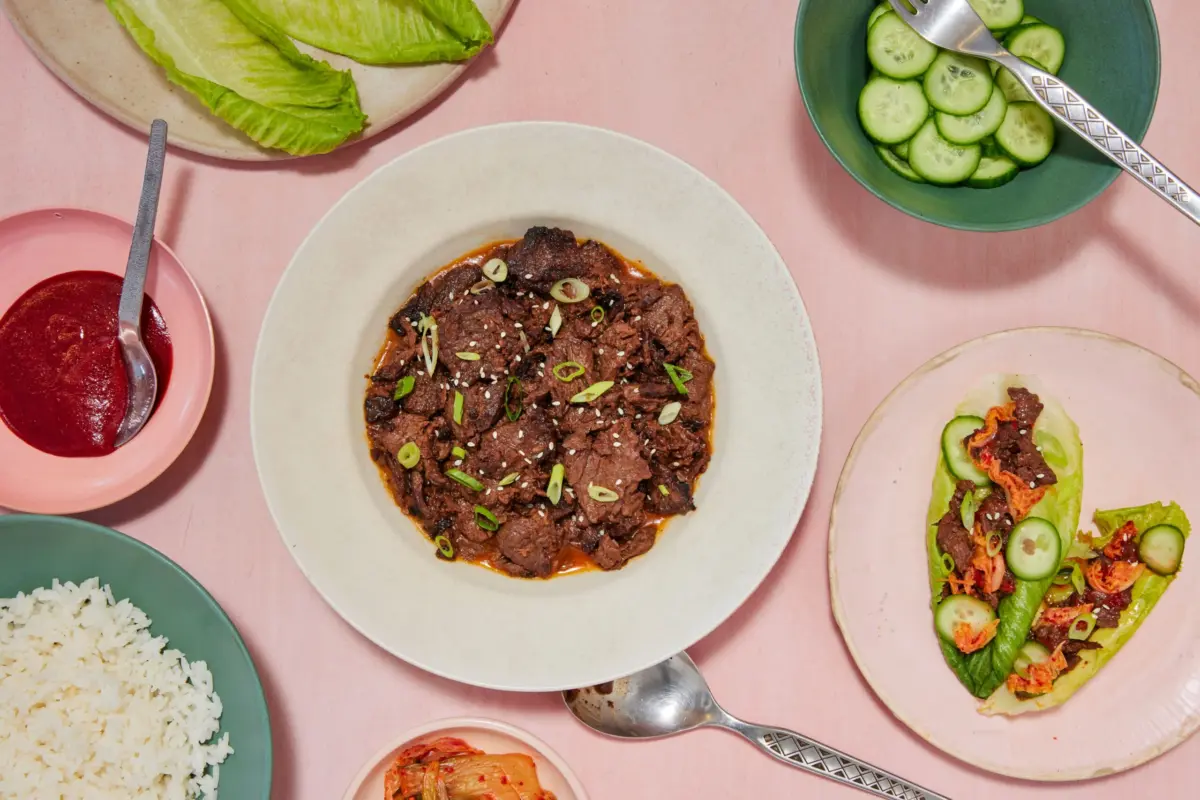
Sweet, savory, and charred at the edges, bulgogi makes a compelling case for keeping dinner simple, offering home cooks a direct route to bold flavors with minimal effort. Roughly translated to “fire meat,” the dish traditionally consists of thinly sliced, marinated meat that is cooked over an open flame, capturing the smoky essence that has made Korean barbecue a global phenomenon. While open-flame grilling remains the gold standard for achieving those characteristic caramelized edges, a contemporary approach takes things indoors, where a hot skillet can brown and crisp the flavorful protein in just a matter of minutes. Whether prepared with beef, pork, or chicken, this versatile dish adapts effortlessly to modern weeknight cooking routines without sacrificing the depth of flavor that defines its culinary heritage.
The secret to bulgogi’s signature taste and texture lies in its marinade, a careful balance of ingredients designed to both flavor and tenderize the meat. A traditional blend typically incorporates soy sauce, toasted sesame oil, brown sugar, garlic, ginger, and a very specific secret weapon: grated pear. The enzymes naturally present in the pear act as a gentle tenderizer, breaking down the proteins in the meat so that it becomes melt-in-your-mouth tender as it cooks. When it comes to selecting the right cut for beef bulgogi, culinary preferences generally lean toward hanger steak or boneless short ribs, though rib eye, top sirloin, flank steak, and skirt steak all work exceptionally well depending on what is available at the market.
Achieving the ideal texture requires paying close attention to how the meat is sliced. To ensure the marinade works quickly and effectively, the meat must be sliced very thinly. Home cooks often find success by placing the cut in the freezer for about 15 minutes prior to slicing, a simple technique that firms up the tissue and makes it much easier to achieve paper-thin cuts with a sharp knife. Alternatively, those pressed for time can bypass the cutting board entirely by purchasing pre-sliced beef specifically prepared for Korean barbecue at a local Asian grocery store or specialized butcher shop.
Serving bulgogi is just as much a part of the culinary experience as cooking it, transforming a simple skillet meal into an interactive dining spread. The rich, savory profile of the meat pairs naturally with the foundational comfort of steamed white rice and the sharp, fermented tang of kimchi. To elevate the meal further, cooks can set out a platter of crisp lettuce leaves designed for wrapping the meat, accompanied by sliced cucumbers, savory ssamjang paste, and a selection of other banchan—traditional small side dishes—to round out the table and make a complete night of it.
Bulgogi FAQ
Can I use pre-sliced beef for bulgogi?
Yes, using pre-sliced beef can be a significant time-saver in the kitchen. Thinly sliced beef sold specifically for Korean barbecue is ideal for this purpose, and beef sliced for Japanese shabu-shabu can also work in a pinch. Because these cuts are exceptionally thin, cooks must keep a close eye on the skillet during the cooking process, as the meat may cook much more quickly than the standard timing given in a traditional recipe.
Can I grill bulgogi instead?
Yes, grilling is the traditional method for preparing bulgogi, and cooking the marinated meat over an open flame imparts a distinctively smoky flavor and deeply caramelized edges that are difficult to replicate indoors. Those choosing to fire up the outdoor grill should cut the beef into thin but relatively wide pieces, ensuring they remain large enough that they will not slip or fall through the gaps in the cooking grates.
Why does this recipe include gochugaru?
Traditional beef bulgogi is generally characterized by a flavor profile that leans more toward sweet and savory rather than fiery heat, meaning that gochugaru—Korean chili flakes—is not an essential component of the dish. However, many contemporary recipes incorporate it because its gentle, fruity heat provides a pleasant counterpoint to the richness of the brown sugar and the sweetness of the grated pear. Cooks who prefer a milder flavor profile should feel free to leave it out entirely.
What do you serve with bulgogi?
Steamed rice and traditional kimchi serve as easy and authentic starting points for any bulgogi meal. For a more interactive experience focused on lettuce wraps, hosts can set out crisp lettuce leaves alongside sliced cucumbers, fresh scallions, ssamjang, gochujang, and any other assortment of banchan available to complete the spread.